

Free Shipping to the Lower 48!
Free Shipping to the lower 48!
Menu title
This section doesn’t currently include any content. Add content to this section using the sidebar.
Your headline
Image caption appears here
$49.00
Add your deal, information or promotional text
ReptiTips
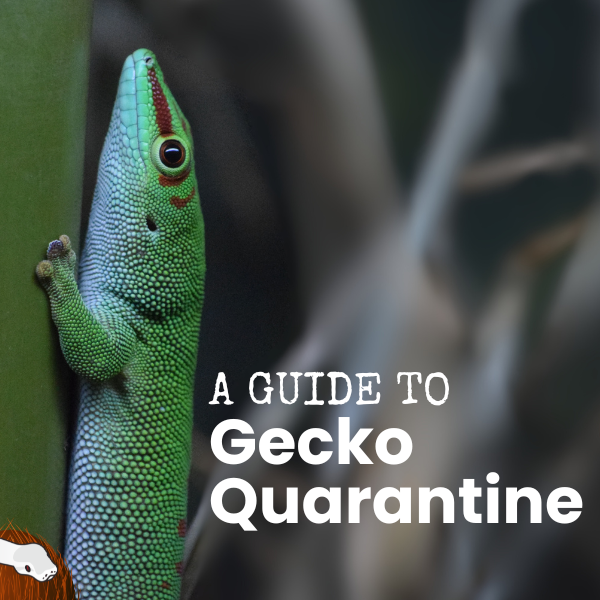

You’ve just brought home a new gecko, and you can’t wait to show off your scaly friend. But before you let your gecko explore its forever home, there’s one crucial step that even seasoned keepers sometimes skip: quarantine. It’s tempting to think, “My gecko looks healthy, so what’s the harm?” The truth is, skipping quarantine is like letting a stranger crash your party without an invite, sometimes it works out, but sometimes it brings chaos.
Quarantine isn’t just for sick reptiles. It’s a smart, proactive move that protects your entire collection from hidden parasites, infections, and stress-related illnesses. Even geckos from reputable breeders can carry invisible hitchhikers. Think of quarantine as your gecko’s spa retreat. A chance to settle in, de-stress, and show any signs of trouble before joining the main crew.
Keep it simple. A quarantine setup should be easy to clean and monitor. Use paper towels or newspaper as substrate so you can spot droppings and keep things hygienic. Skip the fancy décor for now. Just provide a hide, a water dish, and maybe a branch or two for climbing if your new species needs it. Place the enclosure in a quiet spot, away from your other reptiles, preferably in a completely separate room. A dedicated room for new quarantined animals can keep potential harm from reaching your established animal.
- Use a separate enclosure and equipment for each new arrival.
- Wash your hands and tools between enclosures.
- Make sure the disinfectant you are using is safe for your animals and tools.
- Disinfectants need to be considered that are effective against bacteria, viruses, parasites, and fungi.
- Gloves should be used as a precaution especially when working between established animals and animals under quarantine.
- Monitor temperature and humidity closely.
During quarantine, you’re on detective duty. Watch for changes in appetite, droppings, and behavior. Is your gecko eating well? Are there signs of mites, unusual shedding, parasites in the fecals? Catching issues early means easier treatment and less risk to your other pets. “Quarantine is your best chance to spot problems before they become everyone’s problem.”
Quarantine for reptiles and amphibians should last at least 60 to 90 days. Yes, it feels like forever when you’re excited, but patience pays off. This is mostly due to the fact that these animals do not defecate often, which means if something is hiding in the digestive tract it might take time for it to present itself. If your gecko shows any signs of illness, extend the quarantine and consult a reptile vet. They may want a work up with analysis of blood and fecal to rule issues out.
- Label all quarantine enclosures and tools.
- Clean and disinfect regularly.
- Keep a log of feeding, shedding, and any odd behaviors.
- Avoid cross-contamination by handling quarantined geckos last.
- Change clothes immediately after working with quarantined geckos.
Every species has its quirks. Leopard geckos love warm, dry hides, while crested geckos need more humidity. Adjust your quarantine setup to match your gecko’s natural needs, but keep it minimal for easy monitoring. You want to keep your new geckos comfortable and stress free but also make cleaning them at this stage easy for the both of you.
Quarantine isn’t a chore, it’s an act of love for your gecko and your whole reptile family. By taking this step, you’re setting everyone up for long-term health and happiness.
Are you ready to give your new gecko the best start possible? Quarantine is the secret of responsible reptile keepers, don’t skip it!
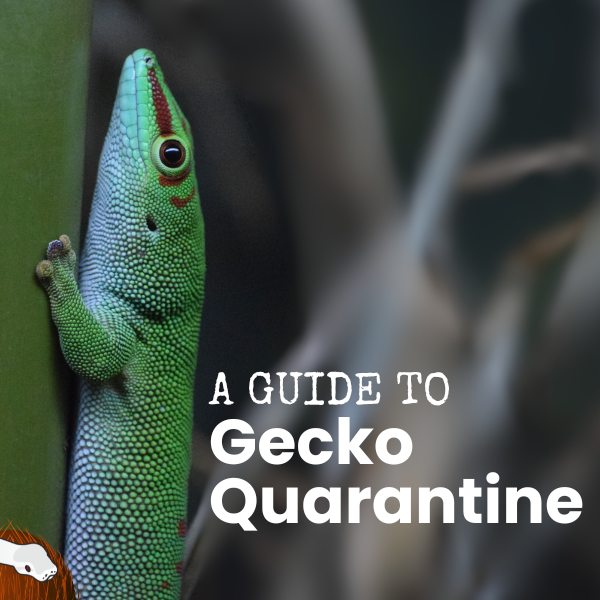
You’ve just brought home a new gecko, and you can’t wait to show off your scaly friend. But before you let your gecko explore its forever home, there’s one crucial step that even seasoned keepers sometimes skip: quarantine. It’s tempting to think, “My gecko looks healthy, so what’s the harm?” The truth is, skipping quarantine is like letting a stranger crash your party without an invite, sometimes it works out, but sometimes it brings chaos.
Quarantine isn’t just for sick reptiles. It’s a smart, proactive move that protects your entire collection from hidden parasites, infections, and stress-related illnesses. Even geckos from reputable breeders can carry invisible hitchhikers. Think of quarantine as your gecko’s spa retreat. A chance to settle in, de-stress, and show any signs of trouble before joining the main crew.
Keep it simple. A quarantine setup should be easy to clean and monitor. Use paper towels or newspaper as substrate so you can spot droppings and keep things hygienic. Skip the fancy décor for now. Just provide a hide, a water dish, and maybe a branch or two for climbing if your new species needs it. Place the enclosure in a quiet spot, away from your other reptiles, preferably in a completely separate room. A dedicated room for new quarantined animals can keep potential harm from reaching your established animal.
- Use a separate enclosure and equipment for each new arrival.
- Wash your hands and tools between enclosures.
- Make sure the disinfectant you are using is safe for your animals and tools.
- Disinfectants need to be considered that are effective against bacteria, viruses, parasites, and fungi.
- Gloves should be used as a precaution especially when working between established animals and animals under quarantine.
- Monitor temperature and humidity closely.
During quarantine, you’re on detective duty. Watch for changes in appetite, droppings, and behavior. Is your gecko eating well? Are there signs of mites, unusual shedding, parasites in the fecals? Catching issues early means easier treatment and less risk to your other pets. “Quarantine is your best chance to spot problems before they become everyone’s problem.”
Quarantine for reptiles and amphibians should last at least 60 to 90 days. Yes, it feels like forever when you’re excited, but patience pays off. This is mostly due to the fact that these animals do not defecate often, which means if something is hiding in the digestive tract it might take time for it to present itself. If your gecko shows any signs of illness, extend the quarantine and consult a reptile vet. They may want a work up with analysis of blood and fecal to rule issues out.
- Label all quarantine enclosures and tools.
- Clean and disinfect regularly.
- Keep a log of feeding, shedding, and any odd behaviors.
- Avoid cross-contamination by handling quarantined geckos last.
- Change clothes immediately after working with quarantined geckos.
Every species has its quirks. Leopard geckos love warm, dry hides, while crested geckos need more humidity. Adjust your quarantine setup to match your gecko’s natural needs, but keep it minimal for easy monitoring. You want to keep your new geckos comfortable and stress free but also make cleaning them at this stage easy for the both of you.
Quarantine isn’t a chore, it’s an act of love for your gecko and your whole reptile family. By taking this step, you’re setting everyone up for long-term health and happiness.
Are you ready to give your new gecko the best start possible? Quarantine is the secret of responsible reptile keepers, don’t skip it!