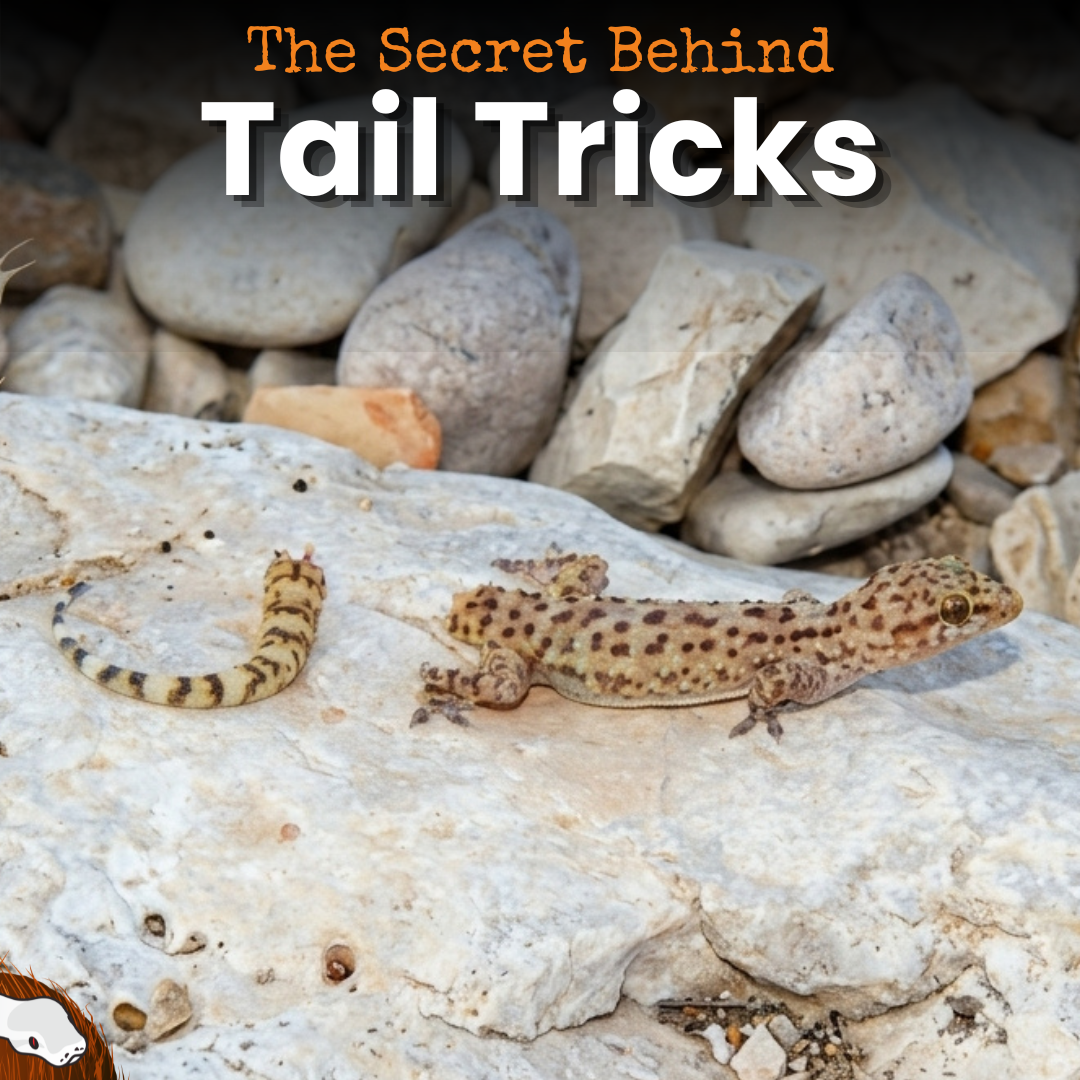

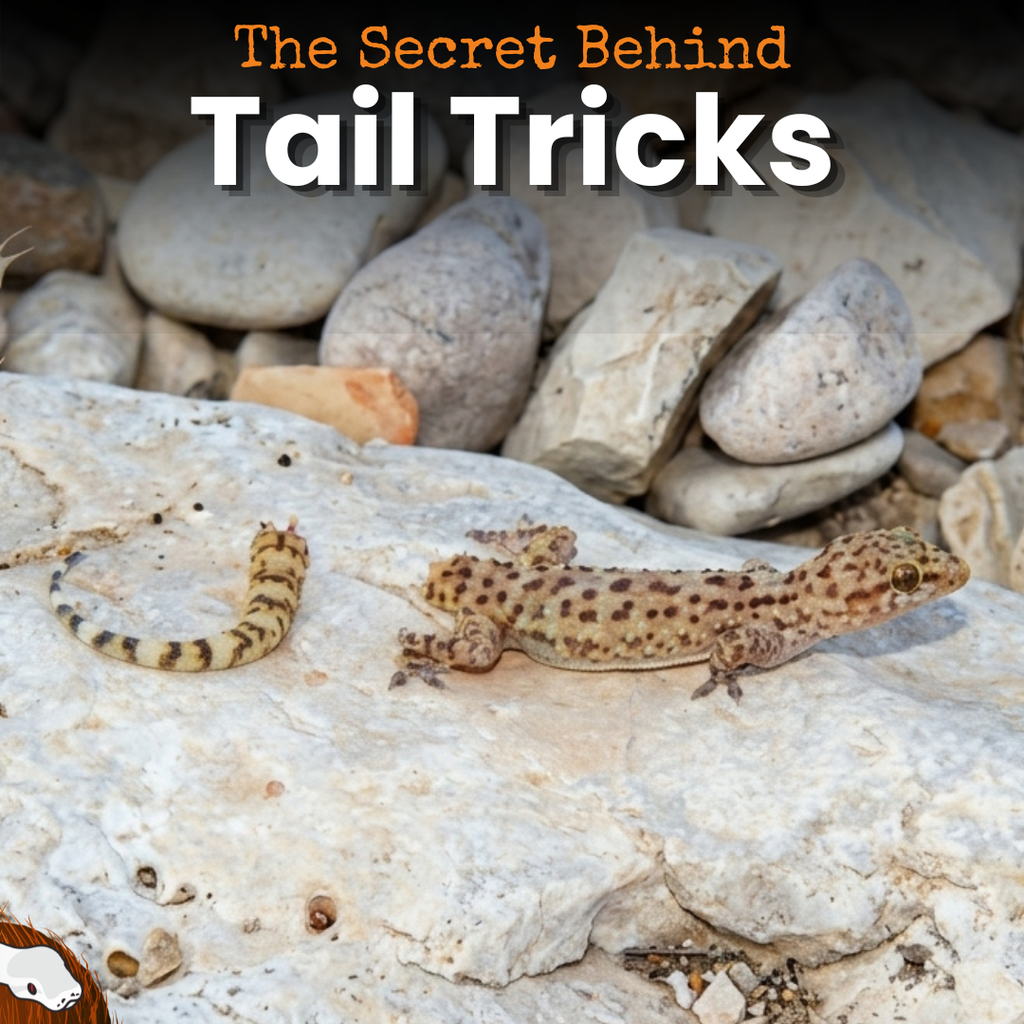
Ever watch a lizard drop its tail and wondered what should you do? If you’ve kept reptiles for a while, you’ve probably heard the old myth that a lost tail means disaster. But here’s the truth: caudal autotomy (that’s the fancy term for tail dropping) is one of nature’s coolest survival tricks, and it’s not the end of the world for your scaly friend.
Why Should You Care About Caudal Autotomy?
Understanding caudal autotomy isn’t just trivia for reptile nerds. It’s a real-life issue that can pop up in any enclosure, especially if you keep active or social lizards. Knowing what’s normal and what’s not can help you keep your pets safe, healthy, and stress-free.
What Actually Happens When a Lizard Drops Its Tail?
When threatened, many lizards can “self-amputate” their tails at special fracture points. The tail uses nerve endings and muscle constrictions to keep wiggling, distracting predators while the lizard makes its getaway. It’s a wild sight, but it’s all about survival.
“A dropped tail isn’t a tragedy, it’s a built-in escape plan!”
The process is surprisingly clean. Blood vessels constrict, and the wound usually closes quickly. Most lizards will regrow a new tail, though it might look a bit different from the original.
Why Do Lizards Drop Their Tails?
It’s not just about predators. Stress, rough handling, or even squabbles with tank mates can trigger tail loss. Some species are more prone to it than others—think anoles, geckos, and skinks.
Here’s when you might see caudal autotomy:
- During handling or capture
- When startled by sudden movements
- In territorial disputes
- If a tail gets stuck in enclosure décor
How Should You Respond?
First, don’t panic! Most lizards handle tail loss like champs. Here’s what you can do:
- Move your lizard to a clean, quiet space to reduce stress.
- Keep the wound clean and monitor for infection.
- Avoid handling until the tail starts to heal.
- Offer extra protein and calcium to support regrowth.
If you see excessive bleeding or signs of infection, consult a reptile vet.
Tips for Preventing Unnecessary Tail Loss
You can’t always prevent caudal autotomy, but you can make it less likely by:
- Handling your lizard gently and supporting its body.
- Avoid overcrowding or mixing aggressive species.
- Check enclosure décor for tight spaces or hazards.
- Provide plenty of hiding spots to reduce stress.
Every species is different, so tweak your setup to fit your pet’s needs.
The Takeaway for Keepers
Caudal autotomy is a fascinating adaptation, not a disaster. With a little know-how, you can help your lizard recover and even thrive after tail loss. Plus, understanding this behavior makes you a more confident and compassionate keeper.
So next time you see a wiggling tail on the floor, remember: your lizard just pulled off one of nature’s greatest escape acts.