
Ever wondered why your gecko seems to ignore those crickets you just tossed in, or why your bearded dragon’s colors aren’t as vibrant as you hoped? Here’s a secret: it might not be your reptile, it could be what’s inside their food. Gut loading feeder insects is one of those game-changing tricks that makes you a pro herp keeper.
Why Gut Loading Matters
Feeder insects like crickets, dubia roaches, superworms, and mealworms are some of the fast food of the reptile world. On their own, they’re not exactly packed with nutrition. Gut loading is the process of feeding your insects a super-nutritious diet before offering them to your pet. This way, your animals get a meal that’s loaded with vitamins, minerals, and all the good stuff they need to thrive.
“A well-fed bug means well-fed herps—think of your feeders as tiny delivery trucks for nutrients!”
What Should You Feed Your Feeders?
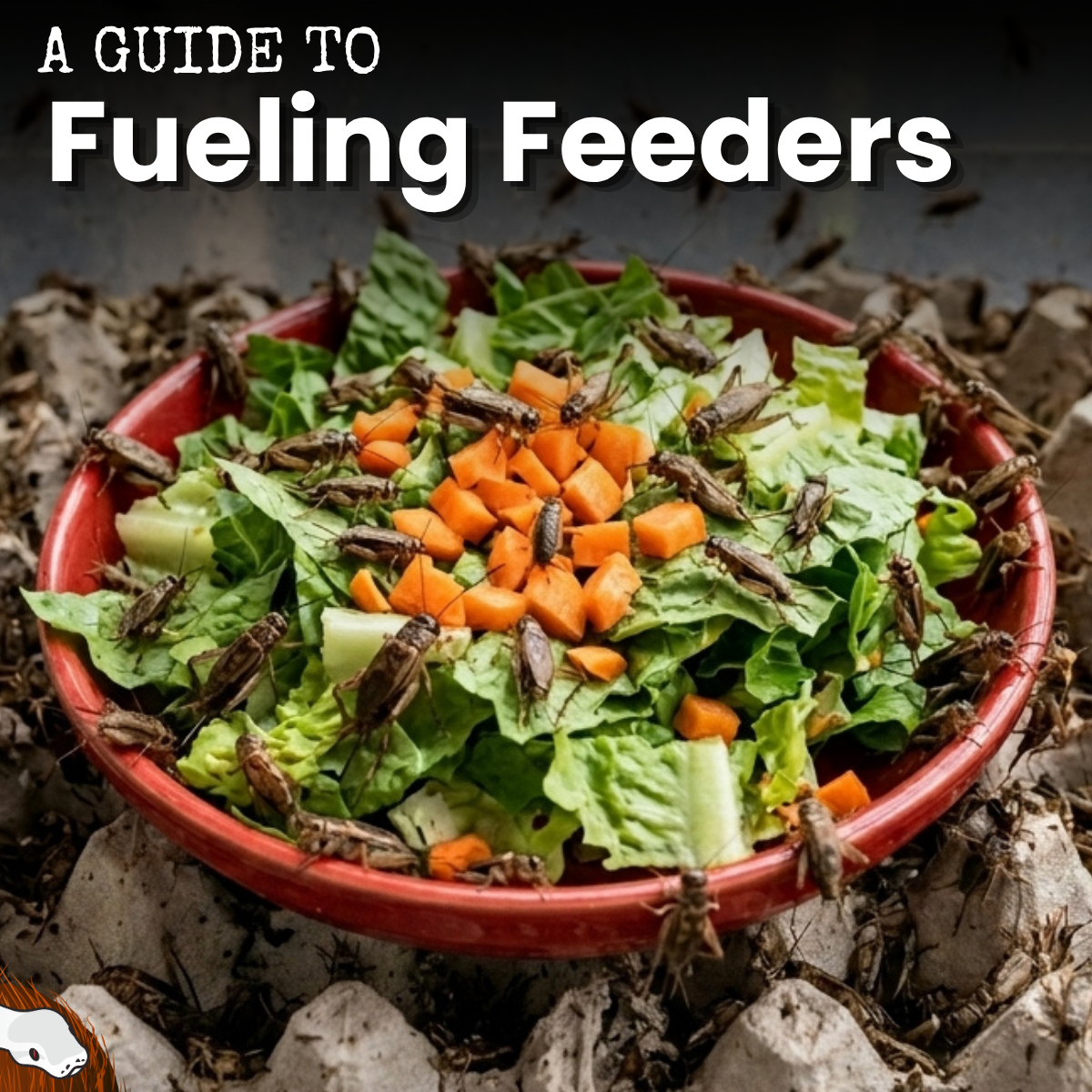
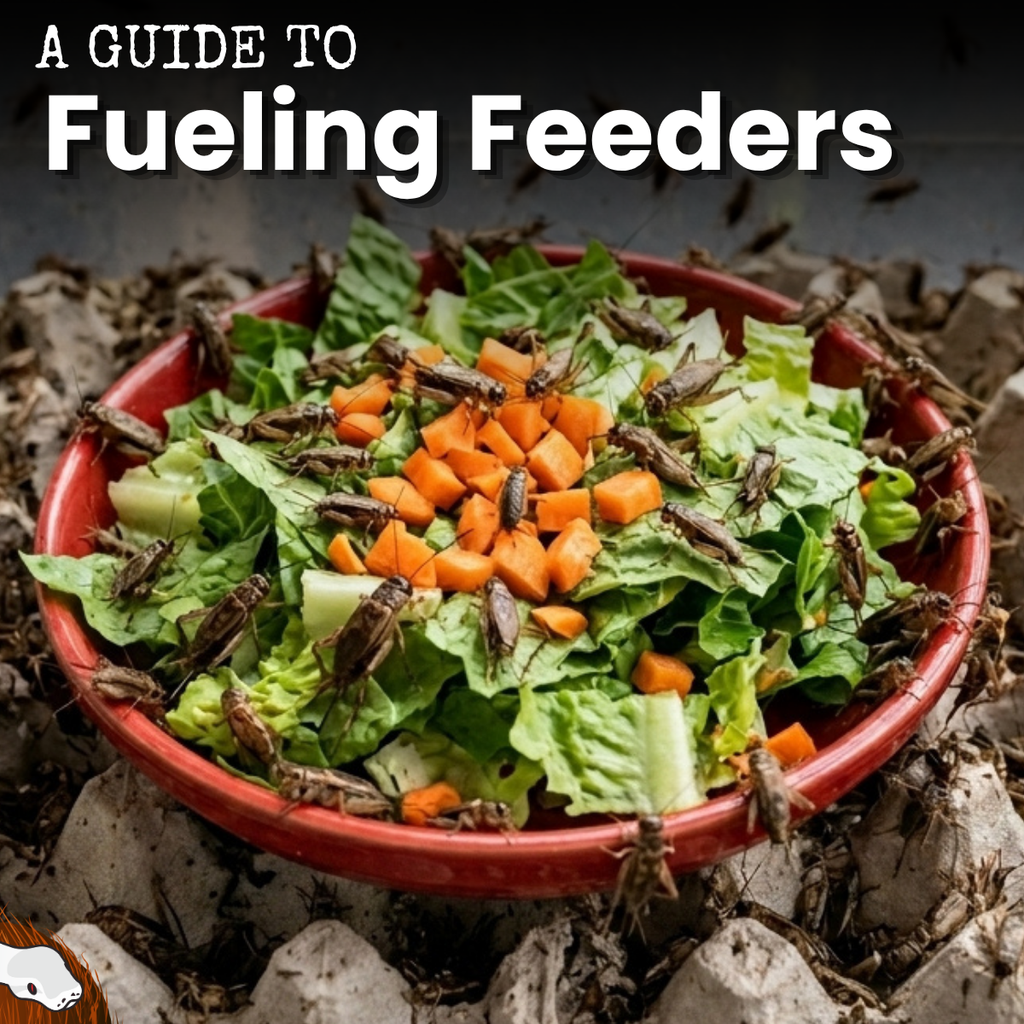
Not all gut loading diets are created equal. Skip the dog food and bran flakes—those don’t cut it. Instead, focus on fresh veggies and high-quality commercial gut load products. Some favorites include:
- Dark leafy greens (collard, mustard, dandelion) and romaine lettuce
- Squash, zucchini, pumpkin, and sweet potato
- Carrots, broccoli, and bell peppers
- Apples and strawberries
- Alfalfa, wheat germ, and oats
- Commercial gut load formulas designed for herpetofauna from companies such as Mazuri, Repashy, or Pangea
Aim to feed your insects this diet for at least 24–48 hours before they become dinner.
Common Mistakes to Avoid
It’s easy to think any food is good food, but some items can actually harm your reptiles. Avoid citrus, iceberg lettuce, and anything high in oxalates or phosphorus. Also, don’t forget to keep your feeders hydrated, offer slices of carrot or gel water crystals to keep them plump and nutritious.
Customize for Your Critter
Different reptiles have different needs. Leopard geckos, for example, benefit from calcium-rich gut loads, while chameleons need extra vitamin A. Research your species and tweak your gut loading menu to match. A vet visit if any deficiencies arise can help you dial in what exactly you need to offer your feeders to tailor to your pets needs. Your pet’s health and color will thank you!
Quick Gut Loading Tips
- Use a shallow dish for veggies so insects can access them easily.
- Remove uneaten food before it spoils.
- Keep your feeder insects in a clean, well-ventilated container.
- Clean container often and deep clean between feeder batches
The Payoff: Healthier, Happier Reptiles
Gut loading isn’t just a fancy trick, it’s a simple way to boost your reptile’s health, energy, and even their personality. You’ll notice brighter colors, better sheds, and more active pets. Plus, you’ll have the satisfaction of knowing you’re giving your critters the best care possible.
Ready to see the difference? Try gut loading your next batch of feeders and watch your reptile thrive.