
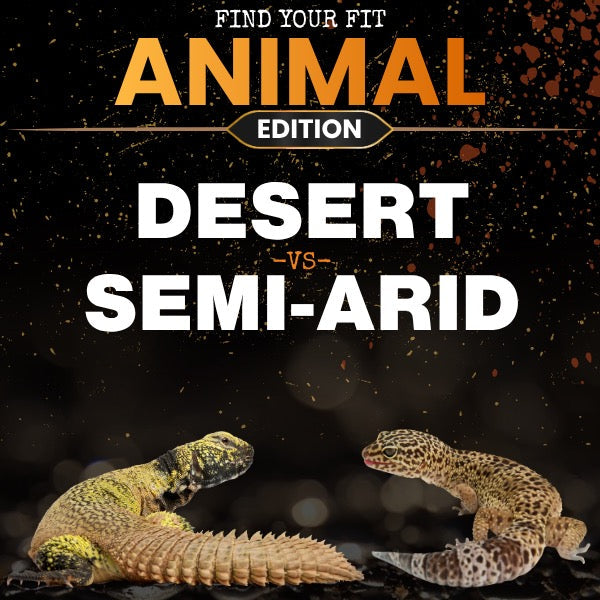

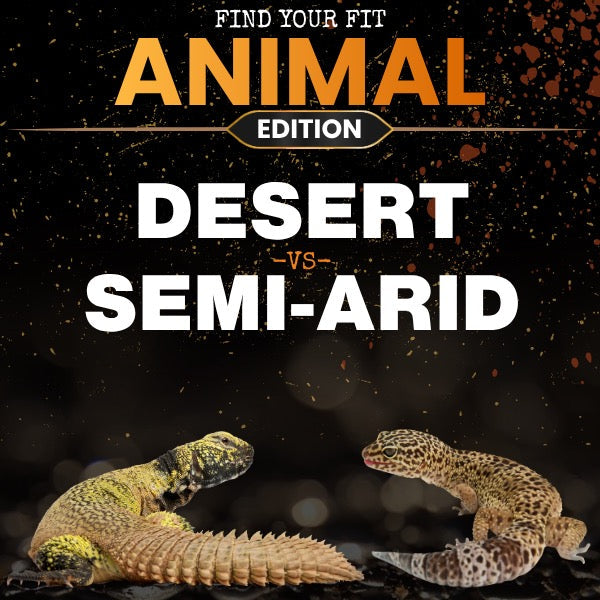
Ever found yourself looking to add a new friend to your home and wondering, “Should I look at getting a true desert dweller or more of a semi-arid superstar?” You’re not alone! Many reptile keepers get tripped up by the difference, and it’s easy to see why. The words “desert” and “semi-arid” sound similar, but when it comes to reptile care, those differences can make or break your setup.
Why does this matter? Because giving your reptile the right environment is the secret sauce to a healthy, happy pet. Too dry, and you’ll have shedding issues and cranky critters. Too humid, and you might be inviting respiratory problems. Let’s break down what you really need to know to pick the perfect scaly companion and set up their home like a pro.
Desert Reptiles: Masters of the Extreme
Desert reptiles are the true survivors. Think uromastyx, sand boas, and some species of collared lizards. These animals are built for blazing sun, bone-dry air, and dramatic temperature swings. Their bodies are designed to conserve water and handle heat that would make most of us wilt.
“Desert reptiles thrive in environments where humidity is often below 20% and temperatures can soar above 100°F during the day.”
If you’re drawn to these hardy creatures, be ready to provide:
- Intense basking spots (100–120°F)
- Low humidity (10–20%)
- Typically 12%-14% UVB depending on species
- Plenty of rocks and hides for shelter
- Substrates like sand or clay that mimic their natural terrain
- Deep enough substrate that allows them to burrow as they naturally would
Semi-Arid Reptiles: The Best of Both Worlds
Semi-arid reptiles, like leopard geckos, fat-tailed geckos, and some skinks, come from regions that get a bit more rain and have slightly higher humidity. Their habitats might look dry, but there’s usually more plant life and occasional moisture. But why does this matter?
Semi-arid species often need:
- Moderate basking temps (90–100°F)
- Humidity around 30–40%
- Typically 6%-12% UVB depending on species
- Moist hides for shedding
- Substrates that hold a little moisture, like a sand-soil mix
- Deep enough substrate to allow them to burrow as the naturally would
These reptiles are often a bit more forgiving for beginners, since their care requirements aren’t quite as extreme, but they still take some intense heat.
Choosing Your Reptile: What Fits Your Lifestyle?
Here’s where it gets fun. Ask yourself:
- Do you love the idea of a dramatic, sun-baked enclosure?
- Or do you prefer a setup with a touch more greenery and humidity?
If you travel a lot or live in a dry climate, desert reptiles might be easier to maintain. If you’re in a humid area or want a pet that’s a bit more adaptable, semi-arid species could be your match.
Tips for Success
- Always research your species’ specific needs, don’t assume all “desert” or “semi-arid” reptiles are the same.
- Use digital thermometers and hygrometers to keep tabs on your enclosure.
- Customize your setup with hides, rocks, and plants that match your reptile’s natural habitat.
- Don’t forget about shedding! Semi-arid reptiles often need a moist hide, while desert species usually don’t.
Final Thoughts
Choosing between semi-arid and true desert reptiles isn’t just about looks, it’s about creating a home where your pet can thrive. When you match your reptile’s natural habitat, you’ll see brighter colors, better behavior, and fewer health issues. Make sure you are choosing the right species that you can provide for not only for your lifestyle but theirs as well.
Ready to build the ultimate reptile oasis? Your scaly friend will thank you with every happy bask and perfect shed.