

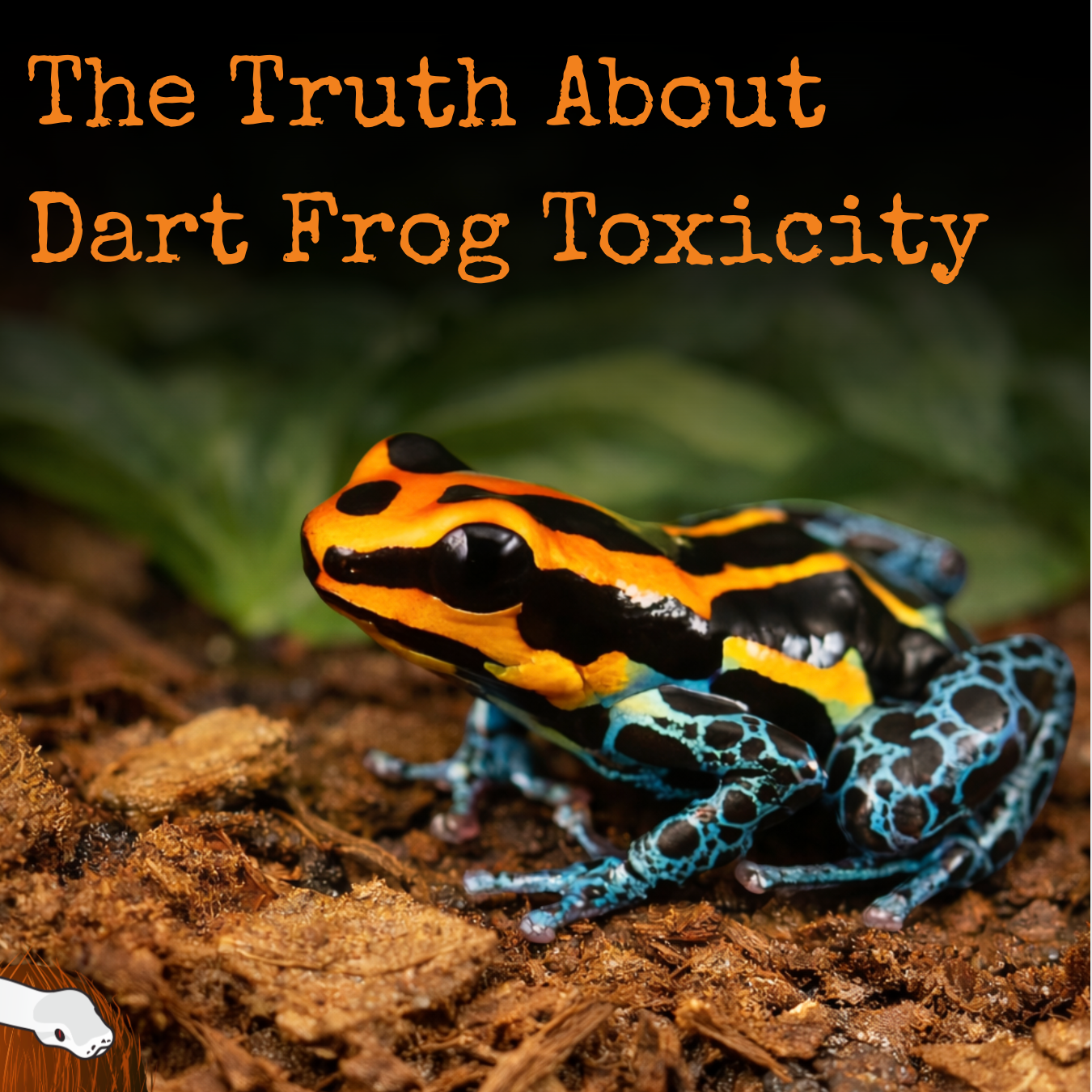

“Don’t touch that frog, it’s poisonous!” Have you ever heard this before? If you’ve spent any time around reptile and amphibian keepers, you’ve probably heard wild stories about poison dart frogs. But what’s the real deal? How do these tiny, colorful frogs pack such a powerful punch, and should you be worried if you’re thinking about keeping them?
Why Dart Frog Poison Matters
Dart frogs are famous for their vibrant colors and their reputation as some of the most poisonous animals on Earth. But here’s the twist: not all dart frogs are dangerous under human care! Understanding how their poison works is key for anyone who loves amphibians or is considering adding these beauties to their collection.
The Secret Behind the Poison
So, how do dart frogs become poisonous? It’s all about their diet in the wild. Dart frogs munch on ants, termites, and other small insects that contain toxic alkaloids. The frogs absorb these chemicals and store them in their skin, turning themselves into tiny, living warning signs for predators.
“A dart frog’s poison is a borrowed superpower, without their wild diet, they lose their toxic edge!”
In managed care, dart frogs eat fruit flies and other non-toxic insects, so they don’t develop the same dangerous toxins. That means your pet dart frog is safe to handle (with clean, wet hands, or gloves, of course), and you don’t have to worry about accidental poisoning.
Why Are They So Colorful?
Those neon blues, yellows, and reds aren’t just for show. Dart frogs use their bright colors as a warning: “I’m toxic, don’t eat me!” This is called aposematic coloration, and it’s a survival strategy that works wonders in the wild. Even if you’re not a predator, you have to admit, they’re some of the most eye-catching amphibians out there.
Tips for Safe and Happy Dart Frog Keeping
If you’re thinking about keeping dart frogs, here are a few tips to keep both you and your frogs happy:
- Feed captive-bred, non-toxic insects like fruit flies, springtails, and pin head crickets
- Always wash your hands before and after handling frogs or cleaning their enclosure
- Nitrile gloves are a good alternative to bare hands
- Provide plenty of hiding spots and live plants to mimic their natural habitat.
- Keep humidity high and temperatures stable for healthy, active frogs.
- Distilled or reverse osmosis water is safest for frogs
Remember, every species is a little different, so customize your setup to fit your frogs’ needs.
Conclusion
Dart frogs are living proof that nature is full of surprises. Their poison is a wild adaptation, not a permanent feature, and with the right care, they make stunning, safe additions to any amphibian collection. Although in the wild local tribes rub the trips of their darts on these frogs to use their poison! Next time someone brings up “deadly dart frogs,” you’ll know the real story, and maybe you’ll inspire them to look a little closer at these tiny wonders.