

Free Shipping to the Lower 48!
Free Shipping to the lower 48!
Menu title
This section doesn’t currently include any content. Add content to this section using the sidebar.
Your headline
Image caption appears here
$49.00
Add your deal, information or promotional text
ReptiTips
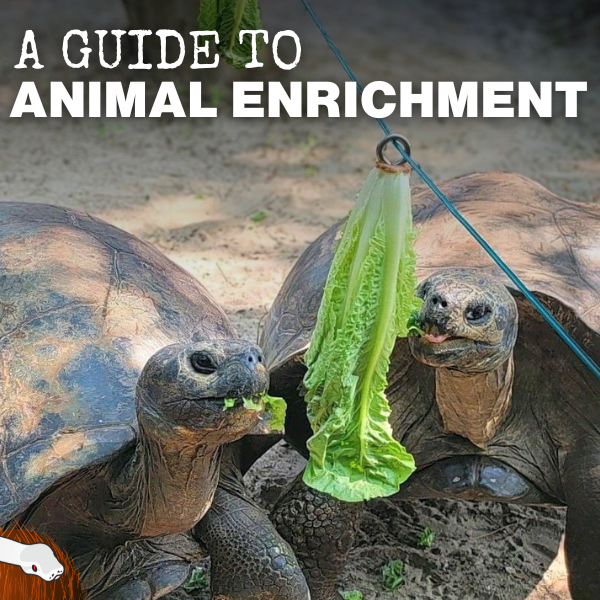

Ever heard someone say reptiles, amphibians, or invertebrates just “sit there” all day? It’s a myth that these species don’t need stimulation. In reality, a bored animal is an unhappy animal, and enrichment is the secret ingredient that transforms a basic enclosure into a thriving habitat. If you want your animal friend to show off their natural behaviors and personality, enrichment is the way to go.
Enrichment isn’t just for zoo animals, it’s for every herp keeper who wants to see their pet explore, hunt, and interact with their world. Let’s break down the five main types of animal enrichment and how you can use them to create a more dynamic, healthy life for your herps and inverts.
Sensory Enrichment
Sensory enrichment is all about stimulating your animal's senses. Think, new smells, sights, sounds, and textures. For example, you can introduce safe, natural branches with different textures, or add a new background to the enclosure. Even a simple change in lighting or the addition of a gentle water feature can spark curiosity.
“A change in scenery, even a new scent, can turn a lazy afternoon into an adventure for your animal.”
Try rotating décor, using different substrates, or offering safe leaves and flowers. Just remember to avoid anything toxic or sharp.
Food-Based Enrichment
Food enrichment taps into your herps or inverts natural hunting and foraging instincts. Instead of always placing food in the same spot, try hiding it or using puzzle feeders and slow feeders. Scatter feeding, live prey (where appropriate), or even offering food at different times can make mealtime more exciting.
- Hide insects under leaves or rocks
- Use feeding tongs to mimic prey movement
- Put fruits and vegetables in slow feeders
- Change up the items offered in the diet for a new variety
This not only keeps your animal active but also helps prevent obesity and boredom.
Physical Habitat
Physical habitat means physically changing the animal's environment. These could be things to climb, burrow, or explore. Branches, rocks, tunnels, and platforms all encourage movement and exercise. For burrowing species, deep substrate is a must. Arboreal species love vertical space and climbing structures. This could also include temperature changes where appropriate, simulating rainfall, or even taking them outside. This could range from putting a fan in the room for increased airflow for a time being, using a humidifier or spraying down, even offering different substrates for digging boxes.
Switch up the layout every so often to keep things fresh. Watch how your animals interact with new features, you might be surprised by their creativity!
Social Enrichment
Not all species are social, but some species benefit from safe, supervised interaction. This could mean gentle handling, visual contact with others (if appropriate), or even mirrors for certain lizards. Always research your species’ needs, some species prefer solitude, while others enjoy a bit of company.
If your species is a solo act, your presence can still be enriching. Try hand-feeding or letting them explore a safe, supervised area outside their enclosure or a training session. Interactions with you are still considered social enrichment.
Cognitive Enrichment
Cognitive enrichment gives your animal a “job” to do. This could be solving a puzzle to access food, navigating a mini obstacle course, or exploring a new hide. These activities challenge their brains and bodies, helping to reduce stress and encourage natural behaviors. Novel items and experiences provide mental stimulation to get them thinking.
- Rearrange hides and décor regularly
- Introduce new objects for investigation
- Create digging or climbing challenges
- Hanging feeders for foraging
A little creativity goes a long way and there are plenty of ideas out there to try. Watch your animal's response and adjust as needed.
Enrichment doesn't have to be everyday, but if a species is highly intelligent and needs more mental stimulation it may need to be implemented daily. Schedule days to offer enrichment and mix up what kind you give. Maybe one week you offer dietary and physical enrichment, the next could be social and sensory. Monitor interactions for safety and rate them on a scale of engagement. You don't want to keep offering things they dislike, and you don't want to over offer things they do. Just make sure to remove enrichment after some time, if it stays too long it becomes stagnant and part of the enclosure. The choice is yours and whatever you decide will enhance your animal's quality of life greatly.
Enrichment isn’t just a buzzword, it’s the key to unlocking your reptile, amphibian, or invertebrate's full potential. By mixing up their environment and routines, you’ll see more natural behaviors, better health, and a deeper bond with your pet.
What’s one new enrichment idea you’ll try this week? Your animals are ready for the challenge, are you?
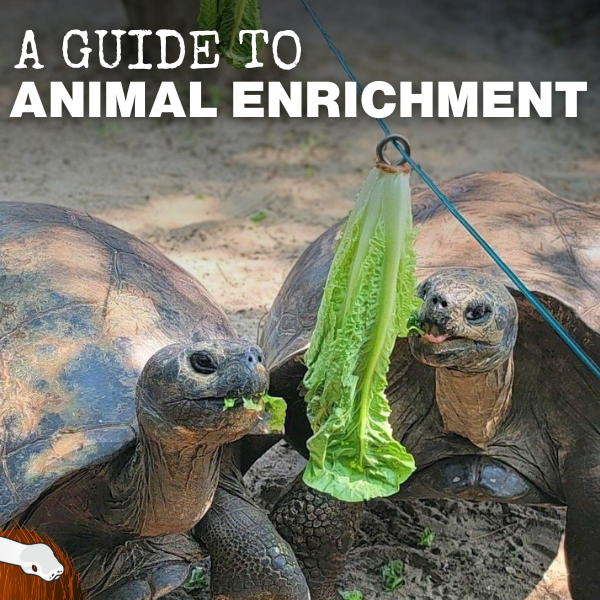
Ever heard someone say reptiles, amphibians, or invertebrates just “sit there” all day? It’s a myth that these species don’t need stimulation. In reality, a bored animal is an unhappy animal, and enrichment is the secret ingredient that transforms a basic enclosure into a thriving habitat. If you want your animal friend to show off their natural behaviors and personality, enrichment is the way to go.
Enrichment isn’t just for zoo animals, it’s for every herp keeper who wants to see their pet explore, hunt, and interact with their world. Let’s break down the five main types of animal enrichment and how you can use them to create a more dynamic, healthy life for your herps and inverts.
Sensory Enrichment
Sensory enrichment is all about stimulating your animal's senses. Think, new smells, sights, sounds, and textures. For example, you can introduce safe, natural branches with different textures, or add a new background to the enclosure. Even a simple change in lighting or the addition of a gentle water feature can spark curiosity.
“A change in scenery, even a new scent, can turn a lazy afternoon into an adventure for your animal.”
Try rotating décor, using different substrates, or offering safe leaves and flowers. Just remember to avoid anything toxic or sharp.
Food-Based Enrichment
Food enrichment taps into your herps or inverts natural hunting and foraging instincts. Instead of always placing food in the same spot, try hiding it or using puzzle feeders and slow feeders. Scatter feeding, live prey (where appropriate), or even offering food at different times can make mealtime more exciting.
- Hide insects under leaves or rocks
- Use feeding tongs to mimic prey movement
- Put fruits and vegetables in slow feeders
- Change up the items offered in the diet for a new variety
This not only keeps your animal active but also helps prevent obesity and boredom.
Physical Habitat
Physical habitat means physically changing the animal's environment. These could be things to climb, burrow, or explore. Branches, rocks, tunnels, and platforms all encourage movement and exercise. For burrowing species, deep substrate is a must. Arboreal species love vertical space and climbing structures. This could also include temperature changes where appropriate, simulating rainfall, or even taking them outside. This could range from putting a fan in the room for increased airflow for a time being, using a humidifier or spraying down, even offering different substrates for digging boxes.
Switch up the layout every so often to keep things fresh. Watch how your animals interact with new features, you might be surprised by their creativity!
Social Enrichment
Not all species are social, but some species benefit from safe, supervised interaction. This could mean gentle handling, visual contact with others (if appropriate), or even mirrors for certain lizards. Always research your species’ needs, some species prefer solitude, while others enjoy a bit of company.
If your species is a solo act, your presence can still be enriching. Try hand-feeding or letting them explore a safe, supervised area outside their enclosure or a training session. Interactions with you are still considered social enrichment.
Cognitive Enrichment
Cognitive enrichment gives your animal a “job” to do. This could be solving a puzzle to access food, navigating a mini obstacle course, or exploring a new hide. These activities challenge their brains and bodies, helping to reduce stress and encourage natural behaviors. Novel items and experiences provide mental stimulation to get them thinking.
- Rearrange hides and décor regularly
- Introduce new objects for investigation
- Create digging or climbing challenges
- Hanging feeders for foraging
A little creativity goes a long way and there are plenty of ideas out there to try. Watch your animal's response and adjust as needed.
Enrichment doesn't have to be everyday, but if a species is highly intelligent and needs more mental stimulation it may need to be implemented daily. Schedule days to offer enrichment and mix up what kind you give. Maybe one week you offer dietary and physical enrichment, the next could be social and sensory. Monitor interactions for safety and rate them on a scale of engagement. You don't want to keep offering things they dislike, and you don't want to over offer things they do. Just make sure to remove enrichment after some time, if it stays too long it becomes stagnant and part of the enclosure. The choice is yours and whatever you decide will enhance your animal's quality of life greatly.
Enrichment isn’t just a buzzword, it’s the key to unlocking your reptile, amphibian, or invertebrate's full potential. By mixing up their environment and routines, you’ll see more natural behaviors, better health, and a deeper bond with your pet.
What’s one new enrichment idea you’ll try this week? Your animals are ready for the challenge, are you?