Natural History
The Sonoran Mountain Kingsnake is a nonvenomous colubrid found primarily in mountainous regions of the southwestern United States extending across central and southeastern Arizona, Central/Western Utah, East Central Nevada and the northern part of Mexico. This strikingly patterned snake displays vivid bands of red, black, and white or cream with a black band over the eyes. This coloration is a defense mechanism, called Batesian mimicry, that mimics that of a venomous coral snake. Showcasing to potential predators that it may be dangerous. A crepuscular species, one that is active at dawn and dusk, it can be found throughout a range of habitats from rocky woodlands, to coniferous forests, and even riparian corridors where it finds shelter under rocks, logs, and vegetation to escape excessive heat. Although they prefer wet areas near surface water and vegetation and can be found in areas of elevation exceeding 6,000 feet. While these snakes feed on a variety of prey and favor smaller species they are known for consuming venomous snakes, hence “kingsnake”, with the immunity to local snakes venom they are able to subdue their prey through constriction. These individuals are considered least concerned overall but at local levels are species of priority and state protected. During the breeding season females can typically lay between three to six eggs. Wild individuals of this species can live up to 10-15 years while under managed care that can be doubled to almost 15-20 years.
The Sonoran Mountain Kingsnake’s combination of bold coloration, specialized predation habits, and adaptability to varied elevations makes it a fascinating and ecologically valuable species. Its role as both predator and prey highlights its importance in the balance of the ecosystems it inhabits, and its behaviors reflect a well-adapted survival strategy in often harsh mountainous environments.
Conservation Status
The Sonoran Mountain Kingsnake is currently classified as a species of Least Concern on the IUCN Red List. This classification indicates that the population is considered stable and not presently at immediate risk of extinction. The species has a relatively wide geographic distribution, primarily found across mountainous regions of the southwestern United States and northern Mexico, where it occupies diverse habitats ranging from rocky outcrops to pine-oak forests. While localized population declines may occur due to habitat fragmentation and human activity, there is no significant evidence to suggest that overall numbers are decreasing at a rate that would warrant a more threatened status. The adaptability of this species to various elevations and environmental conditions contributes to its continued resilience in the wild. Although some areas where it can be found have local levels of state protection and designate them as a species of priority.
Despite its current stable status, the Sonoran Mountain Kingsnake faces several threats that could impact its populations in the long term. Habitat degradation is a primary concern, particularly in areas where human development, agriculture, and deforestation encroach upon natural ecosystems. As urban expansion spreads into mountainous regions, essential habitats are increasingly fragmented, limiting the range and available resources for populations. Additionally, illegal collection for the pet trade, while not as severe as with some other kingsnake species, does occur and can put pressure on localized populations, particularly in areas where the species is already less common. Climate change also presents a growing concern, as shifts in temperature and precipitation patterns could alter the delicate ecological balance of montane environments, potentially affecting prey availability and suitable microhabitats. While the species is not currently under severe threat, continued environmental disturbances could lead to localized declines and necessitate increased conservation efforts in the future.
Conservation measures aimed at protecting the Sonoran Mountain Kingsnake primarily focus on habitat preservation and legal protections. Much of the species’ range falls within national and state parks, as well as protected wilderness areas, where habitat destruction is minimized although the threat of wildfires is increased in these areas. Additionally, in some parts of its range, wildlife laws regulate collection and trade to prevent overexploitation. While the species is not the focus of large-scale conservation programs, its presence in protected areas and its stable wild populations suggest that current measures are sufficient to maintain healthy numbers. Captive breeding has played a role in maintaining genetically diverse individuals within herpetoculture, reducing pressure on wild populations by providing legally bred specimens for reptile enthusiasts. Continued monitoring of individual populations, enforcement of protective regulations, and public education on responsible reptile ownership will be essential in ensuring the long-term stability of this species in the wild.
Native Range
The species is native to the southwestern United States and northern Mexico, extending across central and southeastern Arizona, Central/Western Utah, East Central Nevada and the northern part of Mexico. Its range is somewhat localized, as it is primarily restricted to mountainous and foothill regions rather than widespread across lowland desert environments. This species is most commonly associated with the Madrean Sky Islands, a series of isolated mountain ranges that rise above the surrounding desert basins, creating unique ecological conditions that support a diversity of flora and fauna.
Within its natural distribution, the species inhabits a variety of mid- to high-elevation environments, typically between 3,500 and 9,000 feet above sea level. It thrives in montane coniferous forests, oak woodlands, and rocky outcrops, where it can find ample cover and moderate climatic conditions. The macrohabitat consists primarily of temperate forests dominated by ponderosa pine, Douglas fir, and mixed oak species, often interspersed with meadows and riparian corridors. Within these ecosystems, the species seeks out microhabitats that provide security and stable thermal conditions. It frequently shelters beneath rocks, within crevices, under logs, and even in rodent burrows. These microhabitats offer protection from temperature extremes and predators which is vital for species’ survival.
The climate within its range is characterized by seasonal variation in temperature and precipitation. During the warmer months, daytime highs can range from 70°F to 85°F at mid-elevations, while nighttime temperatures often drop significantly, sometimes reaching the mid-40s or lower. Winters can be harsh, particularly at higher elevations, where subfreezing temperatures and snowfall are common. Due to these seasonal fluctuations, the species undergoes a period of brumation during the winter months, retreating to deep rock crevices and underground shelters to conserve energy until temperatures begin to rise in the spring.
Adequate humidity plays an important role in the species’ health, and it generally requires a moderate level of atmospheric moisture compared to desert-dwelling relatives. Relative humidity varies throughout the year but typically falls between 40% and 60%, with local increases occurring in shaded, moist areas such as canyon bottoms and riparian zones. These areas, often featuring seasonal streams or areas where groundwater penetrates from the surface, provide crucial hydration opportunities, particularly during the dry pre-monsoon period. The monsoon season, occurring from July through September, brings significant rainfall, replenishing water sources and increasing ambient humidity, which in turn influences the species' activity levels.
The availability of rocky terrain is a critical environmental factor for this species. It prefers areas with an abundance of rock formations, including boulder fields, talus slopes, and cliffside crevices. These structures provide essential refuge from predators and extreme weather conditions while also offering basking sites where the snake can regulate its body temperature efficiently. Additionally, these rocky landscapes often harbor a diverse prey base, including lizards, small rodents, and other snakes, which are central to the species’ diet.
This species’ habitat selection is closely tied to a balance between cover, temperature regulation, and prey availability. While it is occasionally found in lower-elevation transition zones where woodlands meet arid scrubland, it is far more prevalent in the cool, shaded environments of forested mountains and rocky foothills. The combination of mild summer temperatures, sufficient humidity, dense vegetation, and ample shelter makes these montane ecosystems ideal for the species' long-term survival.
Behavior
The Sonoran Mountain Kingsnake exhibits a crepuscular activity pattern, becoming most active during dawn and dusk. However, its activity levels vary with seasonal and environmental changes. In the wild, it is most active in the spring and early summer when temperatures are moderate. During the hottest summer months, it may reduce surface activity, becoming more nocturnal to avoid extreme daytime temperatures. In the cooler months of fall, activity gradually declines, and in winter, individuals in colder regions enter a state of brumation, retreating to sheltered locations such as underground burrows or rock crevices to conserve energy.
This species is generally solitary, except during the breeding season, when males actively seek out females by following pheromone trails. Mating behaviors include courtship rituals where the male may align his body with the female’s and exhibit gentle nudging or coiling. Following copulation, females deposit eggs in concealed, humid locations where incubation occurs without parental involvement. Hatchlings are completely independent upon emergence. Unlike some snake species that exhibit maternal guarding of eggs, this species provides no post-laying care.
In response to environmental changes, the Sonoran Mountain Kingsnake adjusts its behavior to regulate body temperature. It engages in thermoregulation by alternating between shaded and sunlit areas, often basking in the morning to raise body temperature before retreating to cooler, sheltered locations during peak heat. Sensory perception plays a crucial role in its response to both prey and predators. It relies heavily on chemoreception via its Jacobson’s organ to detect scent trails, often flicking its tongue to gather information about its surroundings. Its vision, while not its primary sense, aids in detecting movement, and its sensitivity to vibrations helps it detect approaching threats.
This species employs several defensive tactics when confronted by a perceived threat. It may attempt to flee, retreating into rocky crevices or leaf litter to avoid detection. If escape is not an option, it exhibits aposematic mimicry, resembling the highly venomous coral snake to deter potential predators. Although non-venomous itself, the bright banding pattern serves as a visual warning, exploiting predator avoidance behaviors. Additionally, it may engage in bluffing behaviors such as body flattening, hissing, and rapid tail shaking against substrate to simulate a rattlesnake’s warning sound.
In captivity, Sonoran Mountain Kingsnakes display many of the same behavioral patterns observed in the wild, but with some notable differences. When housed in an optimal environment with proper temperature gradients, humidity levels, and enrichment opportunities, they will engage in natural exploratory behaviors. However, captive individuals often become more diurnal, as they adjust to regular feeding schedules and human activity. Stress responses in captivity can include defensive striking or musking if improperly handled or housed in inadequate conditions. Unlike in the wild, where they must actively hunt for food, captive snakes readily accept pre-killed prey when conditioned to do so. Proper environmental enrichment, such as climbing branches and varied hiding sites, helps maintain natural behaviors and reduce stress-induced inactivity.
Husbandry Requirements
Enclosure Design
Enclosure design is a critical component of properly caring for this species, as it must provide both security and environmental conditions that mirror its natural habitat. Juvenile specimens can be housed in smaller enclosures, such as a 20-gallon long tank or an equivalent-sized tub, but adults require a minimum enclosure size of 36 inches long, 18 inches wide, and 18 inches high. A larger enclosure, such as a 48-inch-long setup, is preferable for fully grown individuals to encourage natural movement and enrichment. Enclosures constructed from PVC or well-sealed wood with a glass or acrylic front panel are ideal, as they retain heat well while allowing for proper ventilation. Screen tops can be used but should be paired with side ventilation rather than excessive overhead openings, as this species benefits from stable temperatures.
The enclosure should be designed to closely replicate mountainous and rocky terrain, as this species is a terrestrial and semi-fossorial snake that spends time hiding among rocks, crevices, and burrows. A variety of secure hiding spots are necessary, including cork bark, rock caves, and commercially available hides, to provide a sense of security and reduce stress. Climbing branches or slabs of rock can also be incorporated, as this species will occasionally climb to bask or explore. The enclosure must be escape-proof, as these snakes are highly adept at finding small openings. Securely latched doors and tightly fitted lids are essential, and any gaps around the edges of sliding doors must be sealed to prevent escape.
Lighting and Heating
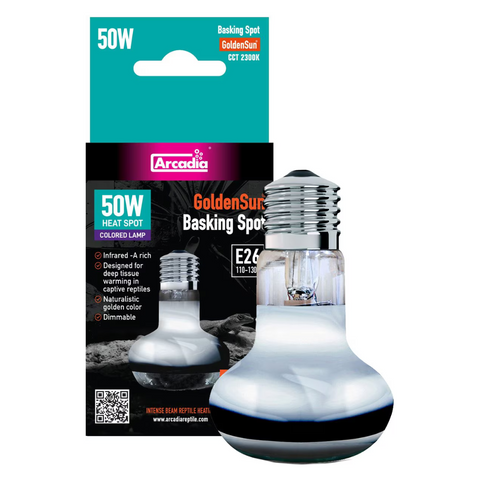
Proper lighting and heating are essential for maintaining this species’ health, particularly in regulating digestion, metabolism, and activity levels. A temperature gradient should be provided, with the basking area set between 84–88°F, while the cooler side of the enclosure should remain around 72–78°F. Nighttime temperatures can safely drop to the mid-60s°F, as this species is adapted to cooler mountain environments. Heat can be provided using an under-tank heating pad or a radiant heat panel, supplemented by a basking light if necessary. Overhead ceramic heat emitters can also be useful, particularly in colder climates or during the winter months.
Though this species does not have the same strict UVB requirements as some crepuscular reptiles, providing a low-level UVB source, such as a 5–7% T5 or T8 UVB bulb, is beneficial for overall health and natural behaviors. The UVB source should be placed at an appropriate distance from the basking area, generally between 10–15 inches for low-output bulbs. A proper photoperiod of 12 hours of light and 12 hours of darkness should be maintained, with seasonal adjustments if necessary. Gradual shifts in light duration can help mimic seasonal changes, which may encourage natural behavior, including proper feeding cycles and breeding preparedness.
Substrate and Enrichment
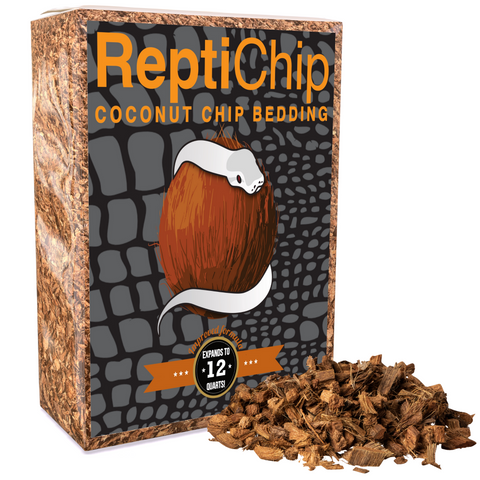
Selecting an appropriate substrate is necessary to ensure that the enclosure maintains proper humidity and promotes natural behavior while avoiding health hazards such as impaction. This species thrives on substrates that allow for burrowing and moisture retention without becoming overly damp. Ideal choices include a mix of ReptiChip, aspen shavings, or a blend of ReptiEarth and sand.
Enrichment is essential for promoting natural behaviors and reducing stress. Large pieces of cork bark, stacked flat rocks, and imitation rock walls can provide climbing opportunities and security. Strategically placed branches encourage natural exploration while maintaining sufficient cover. Moving or rearranging elements in the enclosure periodically can also stimulate curiosity and encourage activity. Hides should be provided in multiple locations throughout the enclosure, allowing for thermoregulation while remaining concealed. Enrichment can come in many forms and is for the stimulation of your animal. The five types of enrichment you can offer are food related, sensory, physical habitat, cognitive, and social. These categories have a vast variety of options to choose from that are appropriate for the species being enriched.
Humidity and Hydration
Humidity and hydration must be carefully managed to replicate this species’ natural conditions. Optimal humidity levels should remain between 30–50%, though periodic increases during shedding cycles can be beneficial. The enclosure can be misted lightly, particularly in the evening, to simulate the natural cooling and moisture cycles experienced in mountainous environments. Using naturalistic substrates that retain some moisture without becoming excessively wet will help maintain stable humidity levels. A large water dish should always be provided, as this species has been known to soak occasionally, especially before shedding.
Monitoring humidity accurately is essential; digital hygrometers provide the most precise readings, and placing sensors at both the warm and cool ends of the enclosure ensures proper distribution. If humidity levels drop too low, partial covering of ventilation areas, the addition of damp moss to hides, or adjusting misting frequency may help. Conversely, if levels are too high, increasing ventilation and ensuring proper substrate drainage will prevent excessive moisture buildup, which could lead to respiratory issues.
By carefully controlling enclosure conditions, lighting, heating, substrate selection, and hydration strategies, keepers can maintain a healthy and behaviorally enriched environment for this species under their managed care. Ensuring that the enclosure closely mimics the natural conditions of its native range will contribute to its long-term health and well-being.
Diet & Supplementation
The Sonoran Mountain Kingsnake is a carnivorous constrictor that primarily preys on vertebrates in its natural environment. In the wild, its diet consists mainly of small mammals, lizards, birds, and amphibians. A significant portion of its prey includes reptiles, particularly lizards and even other snakes, including venomous species. This dietary preference classifies it as an ophiophagous predator, meaning it occasionally preys on other snakes. It also consumes small rodents, bird eggs, and nestlings when available. As an opportunistic feeder, it adjusts its diet based on seasonal prey availability, taking advantage of whatever is most accessible within its mountainous and rocky habitat.
This species primarily employs ambush predation and active foraging techniques. It utilizes a keen sense of smell and an advanced ability to detect chemical cues, particularly through the use of its Jacobson’s organ, which allows it to locate prey by flicking its tongue and analyzing airborne scent particles. Unlike pit vipers, it does not have heat-sensing pits and relies instead on visual and olfactory cues. When hunting, it strikes quickly and subdues its prey using constriction, coiling its body tightly around the animal to cut off circulation and induce unconsciousness. This method ensures efficient and secure prey capture, particularly for small mammals and birds, which may struggle vehemently.
Dietary preferences and feeding frequency change throughout different life stages. Neonates and juveniles primarily consume small lizards, amphibians, and invertebrates due to their more manageable size and availability. As they grow, they transition to larger vertebrate prey, gradually incorporating rodents and birds into their diet. Seasonal changes also influence feeding behavior—during cooler months or periods of brumation, the snake's metabolic rate decreases, leading to reduced feeding frequency or even temporary fasting. In contrast, during warmer months when prey is abundant, feeding activity increases in preparation for energy-intensive seasons.
Under human care, a properly balanced diet consists primarily of appropriately sized rodents, such as mice and small rats. While occasional supplementation with other prey items, such as quail chicks or reptile-based diets, can help mimic natural conditions, rodents remain the most practical and nutritionally complete option. While feeding chicks is a great way to add variety to diets it should be fed sparingly as the yolks from the birds are high in fats and can cause excessive weight gain for the animal.
Common feeding issues in captivity include reluctance to eat, obesity, and improper prey selection. Food refusal can occur for several reasons, including stress, improper temperatures, or seasonal shifts. Encouraging natural feeding responses may involve scenting rodents with reptile-based prey, such as anoles or frogs, to mimic their natural diet. Overfeeding captive individuals can lead to excessive weight gain, so meal size and frequency should match the snake’s age and activity level; adult specimens typically require a meal every 10 to 14 days, while juveniles feed more frequently. Individuals can safely be fed prey items up to one and a half times the widest part of their body. Techniques, such as simulating live prey movement with tongs or hiding prey within the enclosure, can help maintain natural foraging behaviors. By properly managing diet and feeding practices, keepers can ensure the long-term health and well-being of this species in their care.
Reproduction
The reproductive process of this species begins with sexual maturity, which is typically reached between two and four years of age, depending on factors such as diet, genetics, and overall health. Males tend to mature slightly earlier than females, though both sexes must attain sufficient body condition before successful breeding can occur. Sexual dimorphism is subtle but present, with females generally being larger and heavier-bodied than males, particularly in the midsection to accommodate egg development. Males possess longer, more slender tails, which contain the hemipenes, and in some cases, probing or careful palpation may be required for sex determination.
Courtship and mating behaviors in this species are characteristic of many colubrids. Breeding activity is typically initiated in the spring following a winter brumation period. Courtship begins with an increase in male activity and pursuit of the female. Males use chemosensory cues detected through the vomeronasal organ to locate receptive females. When a pair is introduced, the male engages in tongue-flicking and tactile stimulation by aligning his body alongside the female and making contact along the back. He may engage in body constriction to secure the female in position before attempting copulation. Successful mating is often achieved when the male everts one of his hemipenes and inserts it into the female’s cloaca, a process that may last from a few minutes to over an hour.
Environmental factors play a crucial role in triggering reproductive behavior. Seasonal brumation is essential for fostering successful breeding conditions. This species is accustomed to significant temperature fluctuations in its natural habitat, necessitating controlled cooling under human care. A gradual reduction in temperature to approximately 55–60°F for a period of six to ten weeks, while ensuring access to fresh water but withholding food, allows for proper physiological preparation for reproduction. Following this cooling phase, temperatures should be slowly increased over several weeks, simulating the natural onset of warmer spring conditions. Additionally, photoperiod adjustments, transitioning from shorter winter light cycles to longer daylight exposure, support the breeding response. Slight increases in humidity, reflective of seasonal precipitation patterns, may also encourage reproductive readiness in females.
This species is oviparous, meaning it lays eggs rather than giving birth to live young. After successful copulation, females require appropriate conditions for egg development and deposition. A suitable nesting site with a moist substrate, such as a mixture of sphagnum moss and ReptiEarth, should be provided in a secluded area within the enclosure. Proper nesting conditions help prevent issues such as egg binding, a common concern in gravid females that lack an appropriate egg-laying site. Females typically deposit a clutch of three to six eggs, with larger, well-conditioned individuals producing more.
Despite a generally strong reproductive success rate, there are several challenges associated with breeding under human care. Some pairs may display incompatibility, leading to aggression or rejection of mating attempts. To mitigate this, it is advisable to introduce the male to the female’s enclosure under supervision and observe their interactions closely. If either individual shows excessive stress or defensive behaviors, separating them and attempting introduction at a later time may be necessary. Environmental stressors, including inadequate temperature cycling or improper humidity levels can also disrupt the breeding process. Ensuring precise environmental replication of natural seasonal changes is key to maximizing success. Additionally, females that are underweight, lacking sufficient fat reserves, or lacking calcium may fail to produce viable eggs. Providing optimal nutrition, including a well-balanced diet leading up to brumation, is essential.
By carefully managing environmental conditions, pairing compatible individuals, and ensuring optimal health in both sexes, successful breeding of this species in captivity is achievable. Attention to seasonal temperature cycling, nesting site preparation, and stress minimization will significantly enhance reproductive outcomes, ultimately contributing to a sustainable and healthy captive population.
Incubation & Neonate Care
The Sonoran Mountain Kingsnake is an oviparous species, meaning it reproduces by laying eggs rather than giving birth to live young. Females typically lay their clutch in late spring to early summer after a successful mating period in the spring. Clutch sizes can typically range on average from 3 to 6 eggs, but can be upwards of 7 to 10. Before laying, the female will seek out a secure, humid, and secluded environment, such as a burrow, rock crevice, or decaying log, where the eggs can develop safely. Under human care, providing a laying box filled with slightly moist sphagnum moss or a mixture of damp vermiculite and perlite ensures a suitable nesting site for this species.
Once the eggs are laid, they must be incubated under controlled conditions to facilitate proper development. The ideal incubation temperature for Sonoran Mountain Kingsnake eggs is between 78°F and 82°F. Temperatures below this range can significantly slow embryonic development, while excessive heat can cause deformities or developmental failure. Humidity should be maintained at approximately 80%, which can be achieved by incubating the eggs in a sealed container with a substrate of 1:1 water-to-vermiculite by weight. Periodic ventilation is necessary to prevent mold growth and ensure adequate oxygen exchange.
The incubation period generally lasts between 55 and 70 days, with variations based on temperature consistency and environmental factors. As the hatching period approaches, the eggs may begin to collapse slightly, indicating that the neonates are preparing to emerge. Hatchlings use their egg tooth to slice through the eggshell, a process known as "pipping." Some neonates will fully exit their eggs within a few hours, while others may remain inside for an additional day or two before emerging completely. Once hatched, they absorb any remaining yolk reserves, which provide them with sustenance for the first few days of life. In managed care, it is advisable to leave hatchlings undisturbed until they have fully emerged and begun exploring their surroundings.
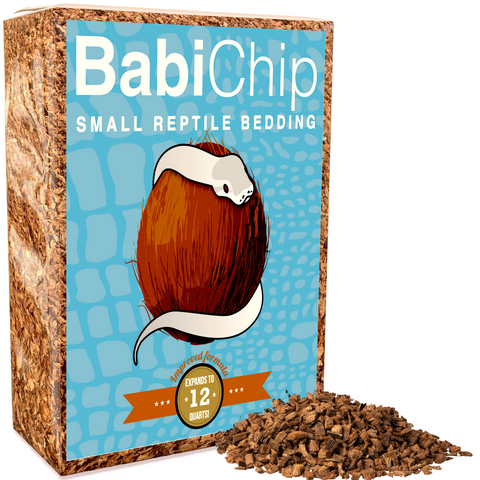
Neonate Sonoran Mountain Kingsnakes should be housed separately or in small groups, as they can be prone to stress when kept together in confined spaces. A simple setup with a secure, well-ventilated container, a paper towel or aspen substrate, a small hide, and a shallow water dish is sufficient at this stage. The ambient temperature should be maintained between 75°F and 80°F, with a thermal gradient allowing the hatchlings access to a warm side of around 85°F. Humidity should remain moderate, ensuring proper hydration without excess moisture that could lead to respiratory infections or scale problems such as scale rot.
The first feeding typically occurs after the hatchlings have shed their skin for the first time, which usually happens within 7 to 10 days. Neonates should be offered appropriately sized prey, such as thawed pinky mice, on a weekly basis. Some individuals may initially refuse food, requiring scenting techniques using lizards or frogs to stimulate feeding response. Providing ample hydration is crucial, so water should always be available in a shallow dish. Handling should be minimized during the first few weeks to reduce stress and encourage proper feeding responses. With appropriate care, neonates grow quickly and can develop into robust juveniles within their first year.
Conclusion
The Sonoran Mountain Kingsnake is a remarkable species that thrives in diverse montane habitats, demonstrating a unique adaptability to its often cool and rugged environment. Its striking coloration, specialized feeding habits, and role in ecological balance make it an important species both in the wild and managed collections. Proper husbandry that closely mimics its natural conditions—including appropriate temperature gradients, humidity control, secure enclosures, and a well-balanced diet—ensures that these snakes remain healthy and active in managed care.
Captive breeding has helped maintain sustainable populations of this species within the reptile-keeping community, reducing the demand for wild-caught individuals while also providing valuable insights into its natural history. While currently not under significant conservation threat overall , habitat preservation and responsible captive care remain essential in safeguarding its long-term stability especially for state local populations. By understanding the intricate environmental and behavioral needs of this species, keepers can foster healthy individuals while supporting broader conservation awareness.
Through careful attention to environmental replication, dietary management, and enrichment, the Sonoran Mountain Kingsnake can thrive in under managed care, displaying many of the natural behaviors observed in the wild. Its fascinating ecological role as both predator and prey, combined with its adaptable nature, makes it a rewarding species for dedicated reptile enthusiasts who are willing to provide the precise care it requires.