Natural History
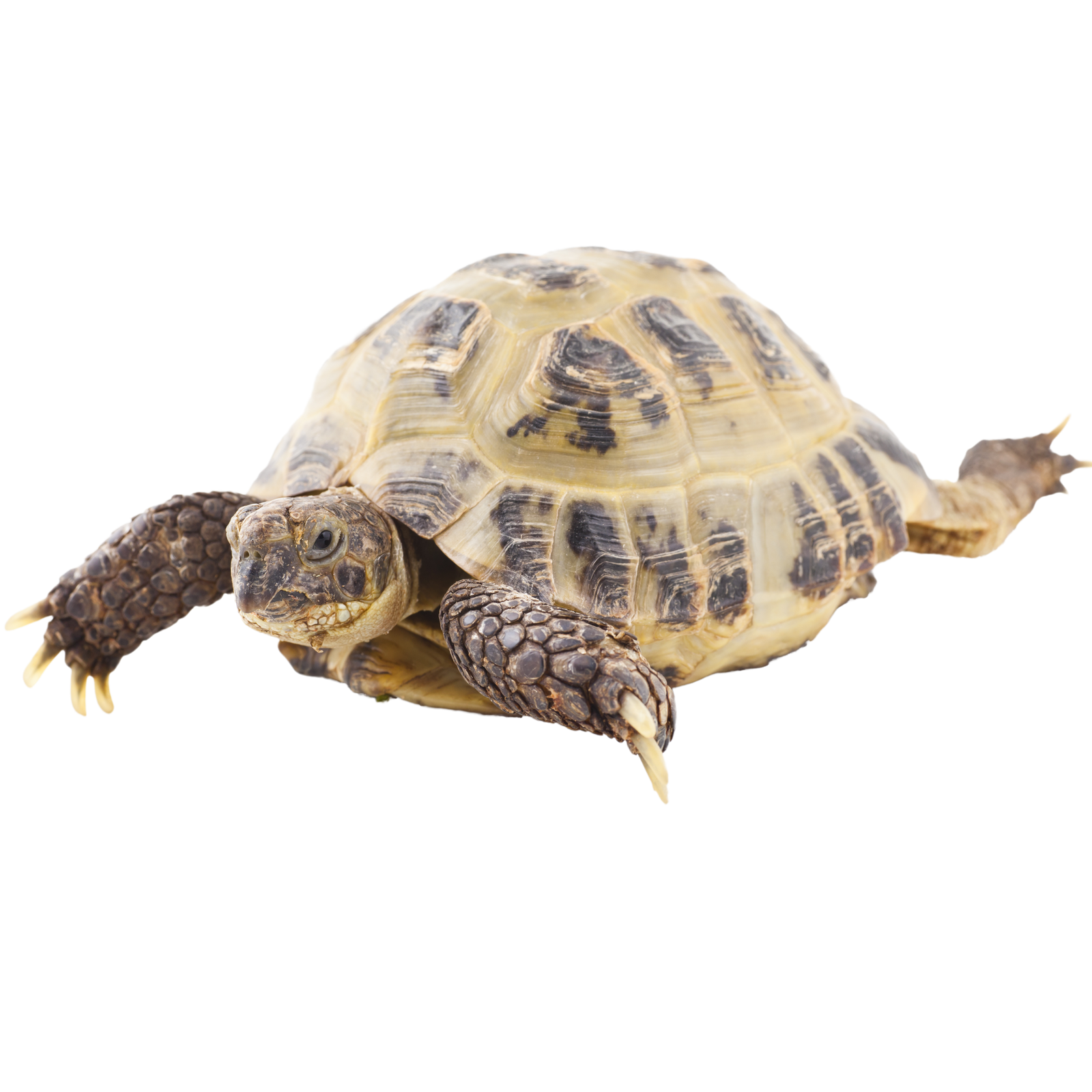
The Russian tortoise is a small, hardy tortoise native to the arid grasslands, steppes, and semi-desert regions of Central Asia. When provided proper nutrition and care, they commonly live 40 years or more, and many individuals are capable of exceeding that lifespan. Throughout their lives, Russian tortoises are strongly shaped by the extreme climates of their native range. These regions experience hot summers and cold winters, sometimes with temperatures dropping well below freezing. To survive, hatchlings and juveniles quickly develop burrowing behavior. From a young age, they dig into loose soil to escape temperature extremes and predators. As adults, they become highly proficient burrowers, constructing tunnels that may extend several feet underground. These burrows provide insulation from both intense daytime heat and nighttime cold, allowing them to maintain stable body temperatures in otherwise harsh conditions.
Ecologically, Russian tortoises play an important role in maintaining the balance of their native habitats. As herbivores, they influence plant community composition by grazing selectively. Their feeding helps control the growth of certain weedy plants and promotes plant diversity in grassland ecosystems. By digging burrows, they aerate the soil and create microhabitats that may later be used by insects, small mammals, or other reptiles. They also serve as prey for larger animals, forming an integral link in the food web. Adaptations such as a highly domed yet lightweight shell, efficient water use, and the ability to tolerate extended periods without food allow them to survive in regions where rainfall is unpredictable and vegetation is seasonal.
Understanding the Russian tortoise’s life cycle, behavioral patterns, and ecological importance helps reptile keepers appreciate that this species is finely adapted to dry, seasonal environments with ample space, natural sunlight, and opportunities to dig. These natural traits strongly influence how they should be housed and managed in captivity.
Conservation Status
The Russian tortoise is classified as "Vulnerable" according to the IUCN Red List, with the assessment completed in 1996. The population trend for this species is listed as "Unspecified." This "Vulnerable" classification indicates that the species faces a high risk of extinction in the wild in the medium-term future due to a combination of factors that are causing its population to decline. A species listed as Vulnerable is typically experiencing rapid population reductions or is suffering from serious threats that could push it higher up the risk categories if effective conservation measures are not implemented.
The primary threats facing the Russian tortoise in its natural habitats include habitat destruction, over-collection for the pet trade, and illegal wildlife trade. The conversion of wildlands to agriculture, urban development, and other forms of land use have significantly reduced the available habitat for this species. Additionally, the collection for the pet trade has historically placed significant pressure on wild populations. While trade is regulated, illegal collection still occurs and can have deleterious effects on local populations. Climate change also poses a long-term threat by altering the habitat characteristics and food availability that tortoises rely upon for survival. Each of these factors contributes to population declines and restricts the species’ natural distribution range.
Conservation efforts to protect the Russian tortoise focus on both in-situ and ex-situ strategies. In-situ conservation includes habitat protection and restoration programs aimed at preserving the natural ecosystems of the tortoise. Establishing wildlife reserves and protected areas has been a crucial action in preventing further habitat loss. Ex-situ efforts include regulatory measures on international trade, implemented under agreements such as CITES (the Convention on International Trade in Endangered Species of Wild Fauna and Flora), which seek to ensure that international trade does not threaten the survival of the species in the wild. Captive breeding programs have also been developed to maintain genetic diversity and provide options for future reintroduction projects. Institutions with these breeding programs have the potential to mitigate the pressures on wild populations by supplying captive-bred individuals to the pet industry, thereby reducing the demand for wild-caught tortoises. Overall, a collaborative approach involving legal protection, habitat management, and responsible breeding initiatives is vital for mitigating the threats faced by the Russian tortoise and ensuring its long-term survival.
Native Range
The Russian tortoise is native to a broad but environmentally consistent range across Central Asia. Its distribution extends from southeastern Russia southward through Kazakhstan and Uzbekistan, and into parts of Turkmenistan, Tajikistan, Kyrgyzstan, northern Iran, northern Afghanistan, and western China. Although its total geographic range covers a large area, the species is highly specialized and occurs in specific habitat types within this region. It is not uniformly distributed and is absent from heavily forested, high mountain, or extremely arid desert interiors. Instead, it inhabits semi-arid continental landscapes characterized by open terrain and seasonal climatic extremes.
At the macrohabitat level, this species occupies dry steppe, semi-desert plains, rocky foothills, and scrubland ecosystems. These areas are typically dominated by low shrubs, sparse grasses, sagebrush, and scattered herbaceous plants. Unlike Mediterranean tortoise species, it does not inhabit coastal regions or humid forests. Its environment is defined by open skies, significant temperature swings, and relatively low annual precipitation. The terrain may consist of sandy soils, compacted loess, clay substrates, gravelly plains, or rocky outcroppings. In many regions, the habitat transitions between open steppe and agricultural land, as the species can persist in moderately altered landscapes provided adequate soil for burrowing is available.
Within these broader ecosystems, the Russian tortoise relies on very specific microhabitats that are critical to its survival. It is a highly fossorial species and spends much of its life inside self-excavated burrows. These burrows may extend three to six feet in length and provide stable thermal and humidity conditions that buffer the tortoise against the harsh extremes of its environment. Burrows are typically dug into well-drained, soft but stable soils on gently sloping ground to prevent flooding. In addition to burrows, individuals may shelter beneath shrubs, inside abandoned rodent tunnels, beneath rock overhangs, or in shallow depressions scraped into the soil. Vegetation cover is important not only for food but also for shade and concealment from predators.
Climatically, the Russian tortoise is adapted to a strongly continental climate with dramatic seasonal variation. Summers in its range can be intensely hot, with daytime surface temperatures frequently exceeding 90℉ and sometimes surpassing 110℉ in exposed areas. However, burrow temperatures remain significantly cooler and more stable. In contrast, winters are cold and prolonged, with air temperatures often dropping below freezing for extended periods. This species undergoes brumation during winter, retreating deep into burrows to avoid freezing conditions. In many parts of its range, it may remain dormant for three to five months each year.
Annual precipitation across its habitat is relatively low, typically ranging from approximately 4 to 12 inches per year, depending on locality. Most rainfall occurs during spring, which coincides with peak plant growth and the tortoise’s primary active and feeding period. Spring conditions are particularly important, as the availability of fresh annual vegetation supports reproductive activity and fat accumulation before the onset of summer heat. As summer progresses and vegetation dries, tortoises may enter a period of aestivation, retreating underground to escape extreme heat and drought. Humidity levels in the open environment are generally low, though burrow interiors maintain slightly higher and more stable humidity, which helps reduce dehydration.
In terms of elevation, the Russian tortoise typically inhabits lowland to mid-elevation environments ranging from near sea level up to approximately 5,000 feet. It is most abundant in foothill regions and rolling uplands rather than steep mountainous terrain. At higher elevations within its range, cooler temperatures shorten the active season, influencing growth rates and reproductive timing.
Several environmental factors are essential for the species’ survival. Foremost is access to suitable burrowing substrate; without diggable soil, long-term survival is not possible. Seasonal herbaceous vegetation is equally critical, as this tortoise feeds primarily on fibrous broadleaf plants, weeds, and grasses that emerge after spring rains. While it does not require permanent standing water, it benefits from seasonal moisture and obtains hydration from succulent plant matter and occasional rainfall. Open sun exposure is necessary for thermoregulation, but this must be balanced with available shade and underground retreats to prevent overheating.
Overall, the Russian tortoise is a species adapted to a harsh, variable environment defined by temperature extremes, low rainfall, open landscapes, and seasonal productivity. Its reliance on burrowing behavior, spring plant growth, and well-drained steppe or semi-desert terrain shapes every aspect of its natural ecology and must be carefully considered when replicating appropriate captive conditions.
Behavior
The Russian tortoise is a primarily diurnal, terrestrial tortoise that inhabits arid steppe, semi-desert, and scrub environments across Central Asia. In the wild, its activity patterns are strongly influenced by temperature and seasonal rainfall. During spring, when daytime temperatures range between approximately 65℉ and 85℉ and vegetation is abundant, activity levels are at their peak. Individuals emerge from winter dormancy and spend much of the day foraging, basking, and engaging in reproductive behaviors. As summer temperatures climb above 90℉ in its native range, activity becomes bimodal. The tortoise is typically active in the early morning and late afternoon, retreating to burrows during the hottest midday hours to avoid overheating and desiccation. In autumn, activity gradually declines as temperatures drop, and the species prepares for brumation. In the wild, brumation may last up to five months, usually beginning when ambient temperatures consistently fall below 50℉.
This species is primarily solitary outside of the breeding season. Individuals maintain loosely defined home ranges rather than defended territories. Overlap between home ranges is common, particularly in areas with favorable forage or burrowing sites. Direct social interaction is minimal except during courtship and mating. Males actively seek out females in spring and may travel considerable distances within their range to locate receptive individuals. During encounters between males, competitive behaviors may occur, including ramming, biting at the limbs, and circling displays. These interactions are generally brief but can be intense. There is no parental care, females deposit clutches of eggs in well-drained, sun-exposed soil and provide no further investment after nesting.
The Russian tortoise relies heavily on environmental cues to regulate its behavior. As an ectotherm, it thermoregulates through shuttle basking, moving between sun and shade to maintain its preferred body temperature, typically between 80℉ and 90℉ during active periods. It constructs or modifies burrows that may extend several feet in length. These burrows serve as refuges against extreme heat, cold, and predators, and provide a stable microclimate with higher humidity than the surrounding environment. The species is highly sensitive to changes in photoperiod and temperature, which trigger seasonal shifts such as increased breeding behavior in spring or the onset of brumation in autumn.
This species of tortoise uses well-developed olfactory and visual cues to locate edible vegetation, favoring broadleaf weeds, grasses, and flowering plants. Visual recognition is especially important during courtship and for detecting movement that may signal a predator.
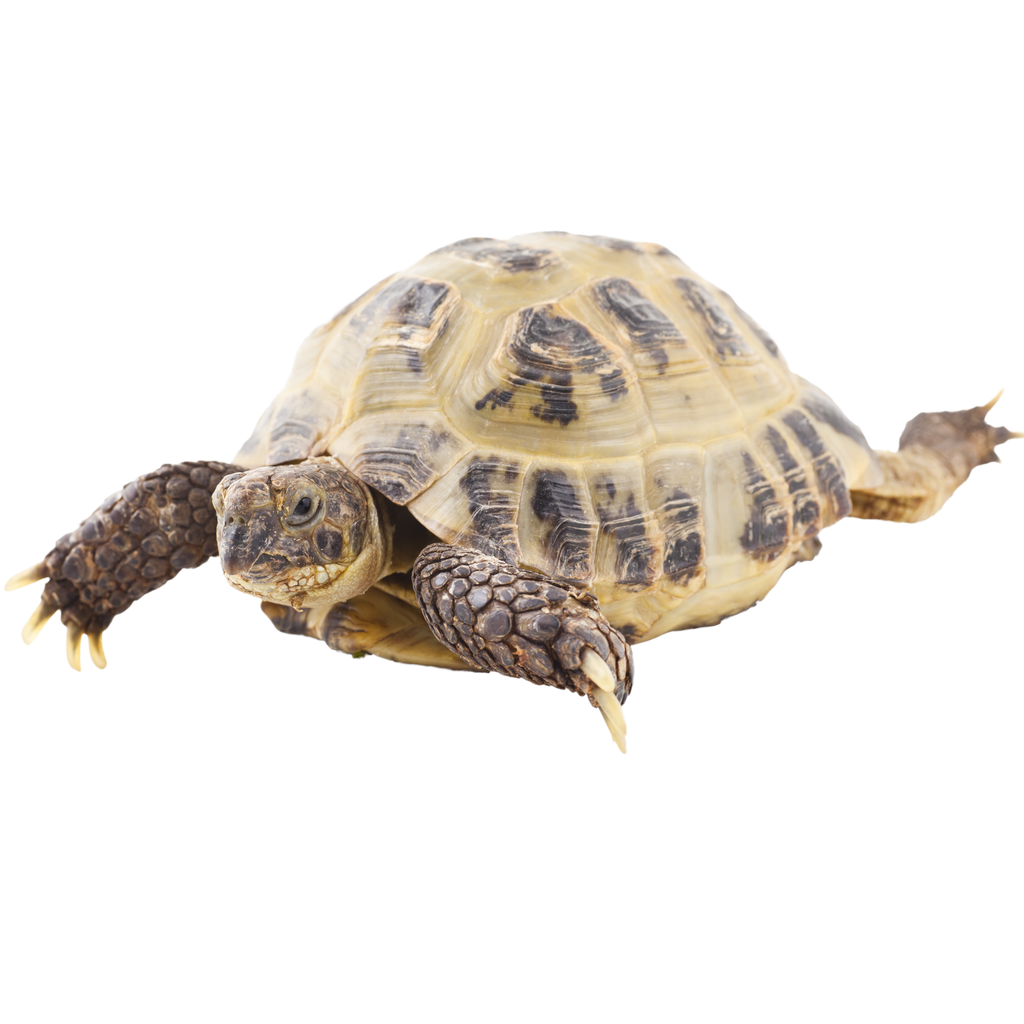
When threatened, the Russian tortoise employs a combination of defensive strategies. It retreats into its shell, using its strong, scaled forelimbs to block the entrance. Its relatively flattened, rounded shell allows it to wedge itself into burrow walls or under rocks, making extraction by predators more difficult. If approached suddenly, it may emit a hiss created by expelling air from its lungs. Camouflage coloration, consisting of tan to olive tones with darker markings, blends with dry grasses and sandy soils of its habitat.
A distinctive behavioral trait of this species is its strong burrowing instinct. Unlike many Mediterranean tortoises, it is an accomplished digger and regularly constructs long, sloping tunnels. This behavior is not only defensive but also central to thermoregulation and seasonal survival. It is also known for persistent exploratory behavior, often walking the perimeter of its enclosure repeatedly, which reflects its natural inclination to roam within a defined home range.
Under human care, behavior is shaped significantly by enclosure design, temperature gradients, and human interaction. When housed in appropriately sized enclosures with adequate substrate depth, Russian tortoises continue to dig extensively, especially when provided with proper substrates. Without sufficient depth or stimulation, they may display repetitive pacing or attempts to climb enclosure walls, behaviors indicative of stress or inadequate environmental complexity.
Activity generally mirrors natural diurnal patterns when proper lighting and heat gradients are provided. Under artificial lighting cycles of approximately 12 to 14 hours of light during active seasons, individuals will bask soon after lights activate, feed during mid-morning, and exhibit exploratory behavior during the afternoon. If temperatures exceed 95℉ in the enclosure, tortoises may reduce activity and seek shelter, similar to their wild behavior.
Social tolerance is often lower than in the wild due to confined space. Males housed together frequently display increased aggression, including repeated ramming and attempts to mount one another. Even male-female pairings can result in persistent harassment outside the breeding season. For this reason, solitary housing is often preferable unless space is extensive and individuals are carefully monitored. Visual barriers and multiple hiding areas help reduce stress when more than one tortoise is kept in a shared space.
Stress responses may include prolonged hiding, reduced appetite, excessive pacing, or attempts to escape. Unlike in the wild, where retreating to a self-dug burrow resolves many environmental challenges, individuals depend entirely on keeper-provided temperature gradients, humidity variation, and shelter. Consistent routines, proper thermal zoning, and opportunities for digging, grazing, and visual exploration are essential to maintain normal behavioral expression.
Overall, the Russian tortoise is a behaviorally robust but environmentally sensitive species whose natural history as a burrowing, seasonally active, solitary grazer must be carefully considered under human management. When its instinctual drives for thermoregulation, excavation, and seasonal cycling are met, it exhibits stable feeding habits, predictable daily rhythms, and reduced stress behaviors comparable to those observed in healthy wild individuals.
Husbandry Requirements
Enclosure Design
Russian tortoises are highly active, terrestrial reptiles that naturally inhabit arid grasslands, steppe regions, and semi-desert environments. They require significantly more floor space than most keepers initially anticipate. Juveniles should be housed in an enclosure no smaller than four feet long by two feet wide, allowing sufficient room for thermoregulation and exploration. Adults require a minimum of eight feet by four feet of uninterrupted floor space. Larger enclosures are strongly recommended, as this species is naturally wide-ranging and benefits substantially from increased mobility.
Glass aquariums are generally not suitable for long-term housing due to limited ventilation and poor space efficiency. Instead, wooden vivariums with a sealed interior, custom-built tortoise tables, or large PVC enclosures are preferred. These materials provide excellent durability and insulation while maintaining proper airflow. Outdoor housing can be highly beneficial in suitable climates, provided the enclosure is predator-proof and escape-proof. Outdoor pens must include buried barriers extending at least 12 inches below ground level to prevent digging escapes.
Proper enclosure layout is essential to replicate the tortoise’s natural habitat. Russian tortoises are avid diggers and burrowers, and the enclosure must accommodate this behavior. Provide multiple hiding areas throughout the thermal gradient, at least one on the cool end and one near the warmer zone. Half logs, cork bark rounds, and low wooden shelters work well. Flat stones placed securely beneath the basking area provide a naturalistic heat-retaining surface and assist with nail wear.
Although Russian tortoises are not climbers in the arboreal sense, they will attempt to scale enclosure edges, decor, and corners. For this reason, enclosure walls should be at least 16 inches high with smooth, unclimbable interior surfaces. Visual barriers around the lower perimeter can reduce pacing and stress caused by seeing beyond the enclosure. All enclosures must have secure tops if other household pets or predators are present.
Lighting and Heating
Russian tortoises require a clearly defined thermal gradient to regulate their body temperature effectively. The basking area should reach a surface temperature of 95℉ to 100℉. Ambient temperatures on the warm side should remain between 85℉ to 90℉ during the day, while the cool side should range from 70℉ to 75℉. Nighttime temperatures can safely drop to 65℉ to 70℉ but should not fall below 60℉ for extended periods.
Basking heat is best provided using a halogen flood bulb, incandescent heat lamp mounted above a flat stone or slate surface, or a radiant heat panel. All heating elements must be controlled by a reliable thermostat to prevent overheating and thermal burns. Heat rocks must never be used, as they present a significant burn risk and do not provide appropriate ambient warmth.
Adequate UVB exposure is critical for calcium metabolism and prevention of metabolic bone disease. A linear fluorescent UVB lamp with an output of 10% to 12% is recommended. The bulb should span at least half the enclosure length and be positioned 12 to 18 inches above the shell, depending on manufacturer guidelines and reflector design. UVB levels should be strongest in the basking zone and diminish gradually across the enclosure to allow behavioral regulation.
The photoperiod should mimic seasonal daylight cycles. During spring and summer, provide 12 to 14 hours of light daily. In fall and winter, reduce to 8 to 10 hours to simulate natural seasonal variation. This seasonal adjustment can help regulate appetite, activity levels, and natural brumation behaviors. Bulbs should be replaced according to manufacturer recommendations, typically every 10 to 12 months, as UVB output declines over time even if visible light remains.
Substrate and Enrichment
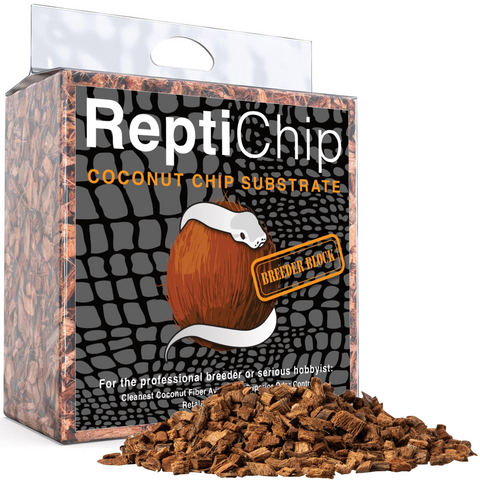
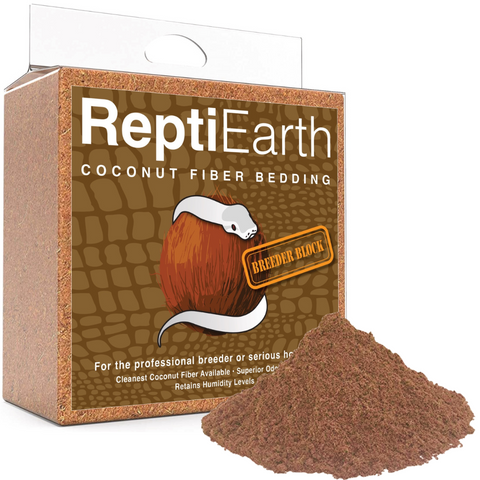
Russian tortoises require a deep, diggable substrate that supports natural burrowing behavior. The substrate layer should be at least six to eight inches deep for juveniles and 8 to 12 inches deep for adults. Suitable substrates include a mixture of topsoil (free of fertilizers and pesticides), play sand, and ReptiEarth to create a naturalistic, well-draining soil blend. ReptiChip can be incorporated in smaller portions to improve aeration and structure when mixed thoroughly. The final mixture should hold form when slightly compressed but not remain wet or muddy.
Pure sand, walnut shell, or other particulate substrates with high impaction risk should be avoided. Reptile carpet is not appropriate, as it prevents natural digging behavior, retains bacteria, and can snag nails. The substrate should remain mostly dry, with only the lower layers holding slight moisture to allow humidity buffering within burrows.
Enrichment should focus on encouraging natural foraging and exploration. Scatter feeding leafy greens across the enclosure promotes movement. Edible weeds and safe grasses can be grown in pots within the enclosure. Slight terrain variations using firmly anchored soil mounds and partially buried rocks create exercise opportunities and reduce boredom. Enrichment can come in many forms and is for the stimulation of your animal. The five types of enrichment you can offer are food related, sensory, physical habitat, cognitive, and social. These categories have a vast variety of options to choose from that are appropriate for the species being enriched.
Multiple hides of varying internal humidity levels allow choice and behavioral regulation. Providing a packed soil burrow area encourages instinctive excavation. Rearranging enrichment items periodically can stimulate curiosity while maintaining core structural elements for security.
Humidity and Hydration
Russian tortoises originate from relatively arid habitats but utilize underground burrows where humidity is higher than surface conditions. In captivity, overall ambient humidity should range between 40% to 60% percent. Localized increases within hides or burrows are beneficial and mimic natural microclimates.
Humidity can be maintained through moderately moisture-retentive substrate layers beneath a drier surface. Light misting of one side of the enclosure two to three times per week is typically sufficient, depending on household conditions. Overly damp environments must be avoided, as constant high humidity without adequate airflow predisposes tortoises to respiratory infections and shell abnormalities.
A shallow, sturdy water dish large enough for the tortoise to enter should be provided at all times. Although Russian tortoises originate from dry habitats, they readily soak and drink when water is accessible. The dish should be sunk flush with the substrate to facilitate easy entry and exit. Water must be changed daily to maintain hygiene.
In addition to voluntary soaking, juveniles benefit from supervised shallow soaks in lukewarm water for 15 to 20 minutes two to three times per week to ensure adequate hydration and proper growth. Adults can be soaked weekly or as needed based on hydration status, particularly during periods of increased activity or egg production.
Accurate measurement of humidity and temperature is essential. Digital hygrometers and thermometer probes should be placed at both the warm and cool ends of the enclosure. Monitoring ensures that environmental parameters remain within appropriate ranges and allows early detection of fluctuations that may impact health.
By carefully replicating the Russian tortoise’s natural terrestrial, burrowing, and seasonal environment, keepers can promote strong skeletal development, proper shell growth, healthy organ function, and natural behavioral expression.
Diet & Supplementation
In its natural habitat, the Russian tortoise primarily adheres to a strict herbivorous diet. Native to arid, rocky environments across southeastern Russia through Central Asia, this tortoise forages for a variety of indigenous vegetation. Its diet consists mainly of high-fiber grasses, leafy weeds, and various broadleaf plants. Given the sparse environment of its homeland, the Russian tortoise has adapted to consume a range of hardy, drought-resistant plants, often tidbits that are high in fiber but low in nutrients and moisture. Specific examples of these wild dietary items include dandelion greens, wild mustard, and clover, which the tortoise actively forages during early morning or late afternoon when temperatures are cooler.
The Russian tortoise's feeding strategy in the wild is guided by its instincts as a selective forager. Unlike carnivorous reptiles that employ ambush tactics or sensory adaptations for hunting, the Russian tortoise relies heavily on its keen sense of smell and sight to identify edible plant matter. Seasonal dietary changes are quite pronounced in their natural setting due to fluctuating plant availability. In spring and early summer, the tortoises exploit the plentiful new growth of vegetation, while during dry periods, they may rely on stored body fat until more food becomes available.
Replicating this herbivorous diet presents certain challenges but also opportunities for more controlled feeding strategies to meet their nutritional needs. Russian tortoises should be provided with a varied blend of leafy greens and vegetables that mimic their natural intake. Suitable food items include collard greens, kale, endive, and escarole. Additionally, edible flowers like hibiscus and nasturtium can be provided. To compensate for the controlled diet, it's essential to sprinkle food with calcium and vitamin D3 supplements, as these are pivotal for maintaining shell health and preventing metabolic bone disease. Do not use calcium with D3 if using UVB lights as it will cause vitamin D toxicity.
Considering the sometimes limited variety of plants available, it’s crucial to introduce variety to prevent monotony and encourage natural foraging behavior. Ensuring a diet that consists mostly of high-fiber, low-protein, and high-calcium options is vital for maintaining the tortoise's health. Diets may not perfectly replicate the nutritional profile of wild plants, therefore, avoiding high-sugar fruits and too many protein-rich foods is recommended to prevent obesity and other health issues.
Feeding issues such as food refusal may occur due to stress or a poorly balanced diet. To encourage natural feeding habits, caregivers should offer food in a way that encourages foraging, such as spreading greens around the enclosure or providing food at various heights. Adjusting feeding schedules in accordance with seasonal behavior, more frequent feedings during breeding seasons and reduced portions when the tortoise shows signs of reduced activity, aligns well with their natural rhythms. A thoughtful mix of diet variety, balanced nutrition, and environmental enrichment goes a long way towards maintaining the health and well-being of Russian tortoises under managed care, ensuring they thrive while remaining true to their wild habits.
Reproduction
Russian Tortoises reach sexual maturity slowly, typically between 8 and 12 years of age in managed care, depending on nutrition, growth rate, and overall husbandry. Females are generally larger and more rounded in body shape than males, often reaching 7 to 10 inches in carapace length, while males are usually five to eight inches. Sexual dimorphism is pronounced. Males possess longer, thicker tails with the vent positioned farther from the base, and they often display a slight concavity to the plastron that facilitates mounting. Females have shorter, blunter tails and a flatter plastron. During the breeding season, males become noticeably more active and may show increased territoriality.
Courtship behavior in this species is direct and often forceful. Males commonly approach females with persistent following, head bobbing, and attempts to block the female’s movement. Ramming and biting at the legs or shell margins are frequent components of courtship. Vocalizations, consisting of short squeaks or grunts, may be heard during copulation. Unlike more socially complex tortoise species, mate selection appears largely opportunistic; males attempt to mate with receptive females rather than engaging in prolonged pair bonding. Pre-mating interactions may last from several minutes to several hours, and repeated copulations over a period of days are common. Females may store viable sperm for extended periods, allowing fertilization to occur months after mating.
Environmental cues play a critical role in triggering reproductive behavior. In their natural range, Russian Tortoises experience harsh winters and hot, dry summers, with breeding typically occurring after emergence from brumation in early spring. A properly managed brumation period of 8 to 12 weeks at temperatures between 38℉ and 50℉ is often necessary to stimulate reliable breeding in healthy adults. Prior to brumation, animals must be in robust health and well-hydrated, with sufficient body mass. Following gradual rewarming in spring, increasing daytime temperatures to 85℉ to 95℉ in the basking area and maintaining a cooler ambient range of 70℉ to 80℉ supports renewed activity and reproductive cycling. Extending the photoperiod to 12 to 14 hours of light daily further simulates spring and early summer conditions. Moderate humidity levels, typically between 40% and 60%, should be maintained, with access to damp soil areas that allow natural digging behavior. Sudden environmental fluctuations or inadequate seasonal cycling frequently result in suppressed reproductive behavior.
Russian Tortoises are oviparous, producing multiple clutches per breeding season under optimal conditions. Successful copulation usually requires that the female be fully receptive, which often coincides with the weeks following brumation and the resumption of feeding. Solitary pairing is generally recommended. Males can harass females excessively if housed together long-term, leading to stress and injury. Introducing a male into a female’s established enclosure under close supervision allows for controlled interactions. In larger outdoor enclosures exceeding four feet by eight feet, temporary group situations with a single male and multiple females may be successful, provided there are visual barriers, multiple basking areas, and ample space for retreat. Males housed together often display aggression and should be separated. Breeding enclosures should offer firm, well-draining substrate at least 8 to 12 inches deep to permit natural digging and nesting behavior. Adequate calcium intake and consistent exposure to high-quality UVB lighting are essential to ensure proper follicular development and reproductive health in females.
Breeding challenges most commonly stem from improper environmental cycling or chronic stress. Failure to provide a true seasonal cool-down period often results in reduced fertility or a complete absence of courtship behavior. Conversely, brumating underweight or unhealthy tortoises can lead to serious health complications and reproductive failure. Nutritional imbalances, particularly insufficient calcium or vitamin D3, can impair egg development and overall reproductive viability. Behavioral incompatibility can also pose issues; some females may be persistently harassed by males, leading to anorexia or immunosuppression. In such cases, visual barriers, increased enclosure size, or rotating the male in for short, supervised breeding introductions can mitigate stress. Regular health assessments, careful weight monitoring before and after brumation, and maintaining stable, species-appropriate environmental parameters are critical for achieving consistent breeding success in captivity.
Incubation & Neonate Care
Russian Tortoises are oviparous, meaning they reproduce by laying eggs that develop and hatch outside the mother’s body. Successful breeding typically follows a period of brumation, which mimics their natural winter dormancy. After emerging from brumation and engaging in courtship and mating, females may produce one to three clutches per year, usually between spring and mid-summer. Each clutch generally consists of two to eight elongated, hard-shelled eggs. Adequate nutrition, especially proper calcium intake and UVB exposure prior to and during the breeding season, is critical to prevent reproductive complications and to ensure viable eggs.
Gravid females require a suitable nesting site within the enclosure. A nesting box should be provided that is at least 12 inches deep and filled with a slightly moist, well-draining substrate such as a 50:50 mixture of topsoil and ReptiEarth. The substrate must hold a burrow without collapsing, as females will dig a flask-shaped chamber to deposit their eggs. If an appropriate nesting area is not available, females are at significant risk of egg binding, a life-threatening condition in which eggs are retained. Signs of egg binding include lethargy, repeated digging without laying, straining, and reduced appetite. Immediate veterinary intervention is required if egg retention is suspected.
Once laid, the eggs should be carefully excavated and marked on the top with a pencil to maintain orientation, as rotating the eggs can damage the developing embryo. Eggs should be partially buried in an incubation medium such as vermiculite or perlite mixed with water by weight at a ratio that produces a slightly damp but not wet consistency. The medium should clump when squeezed but not drip water. Eggs should not be buried completely, leaving the upper third exposed helps prevent excessive moisture accumulation and mold growth.
The optimal incubation temperature range is between 84℉ and 90℉. Consistency is crucial, as temperature fluctuations can reduce hatch rates or cause developmental abnormalities. Relative humidity within the incubation container should be maintained between 60% and 75%. Incubation duration typically ranges from 55 to 85 days, depending on temperature. Warmer incubation temperatures generally shorten development time, while cooler temperatures lengthen it. Russian tortoises exhibit temperature-dependent sex determination, meaning the incubation temperature influences the sex of the hatchlings. Temperatures toward the lower end of the optimal range tend to produce more males, while higher temperatures more often result in females. Maintaining stable, species-appropriate temperatures is essential for balanced sex ratios and robust hatchlings.
As hatching approaches, eggs may dent slightly as the hatchling absorbs the remaining yolk. Neonates use a specialized egg tooth to slit the shell, a process known as pipping. This can take several hours to over a day. Hatchlings should not be assisted unless there are clear signs of prolonged distress, such as failure to progress after more than 48 hours with visible dehydration. Premature intervention can cause severe injury or bleeding. After emerging, hatchlings often remain partially inside the shell while absorbing the remainder of the yolk sac. They should be left in the incubator until fully emerged and the yolk sac is completely absorbed, which usually occurs within 24 to 72 hours.
Newly hatched Russian Tortoises measure approximately one and a half to two inches in shell length and are independent from birth. There is no parental care, and hatchlings should be housed separately from adults to prevent accidental injury, competition for food, and stress. Neonates should be kept in a secure enclosure with a minimum footprint of two feet by one foot for a small group, though larger is always preferable to promote exercise and proper growth. The substrate can consist of a shallow layer of slightly moistened ReptiEarth or organic topsoil to help maintain adequate humidity while allowing natural digging behavior.
Hatchlings require a thermal gradient similar to adults but slightly more controlled. The warm basking area should be maintained between 92℉ and 95℉, while the cooler side of the enclosure should remain between 75℉ and 80℉. Night temperatures can safely drop to 70℉ but should not fall below this point. Relative humidity should be maintained between 50% and 70% during the first several months of life to support healthy shell development and reduce the risk of pyramiding. Adequate UVB exposure is essential for proper calcium metabolism and skeletal growth, and hatchlings should receive 10 to 12 hours of appropriate lighting daily.
Hydration is particularly important for neonates. Shallow water dishes should be provided at all times, with water depth no greater than the height of the lower shell to prevent drowning. In addition, hatchlings benefit from shallow, lukewarm water soaks lasting 10 to 15 minutes, three to four times per week. These soaks stimulate drinking and defecation and help prevent dehydration, which is a common cause of early mortality.
Feeding should begin once the yolk sac is fully absorbed, typically within a few days of hatching. Hatchlings should be offered finely chopped, high-fiber, calcium-rich greens such as dandelion greens, collard greens, mustard greens, and other appropriate leafy plants daily. Food should be presented in small, manageable pieces to facilitate easy consumption. A light dusting of calcium supplement without phosphorus can be applied to food several times per week. Hatchlings generally begin eating readily but may take several days to establish consistent feeding behavior.
Common health concerns in neonates include dehydration, retained yolk sac infection, shell deformities due to improper humidity, and metabolic bone disease from inadequate UVB exposure or calcium deficiency. Handling should be minimal during the first few weeks to reduce stress and allow proper acclimation. When handling is necessary, it should be gentle and brief. With correct incubation parameters, careful monitoring during hatching, and meticulous early husbandry, Russian tortoise hatchlings can grow steadily and develop into robust, long-lived adults.
Conclusion
In conclusion, the Russian tortoise presents a unique challenge and rewarding experience for reptile keepers due to its specialized care needs and intriguing natural history. With its origins in the harsh, arid regions of Central Asia, this species has evolved to thrive under specific environmental conditions, and replicating these in captivity is crucial for their health and well-being. Their adaptations to a life of grazing in open landscapes and seeking refuge from climate extremes through burrowing require that keepers provide spacious enclosures, a well-thought-out thermal gradient, and opportunities for natural behaviors such as digging and foraging.
By adhering to a detailed understanding of the Russian tortoise’s dietary, environmental, and behavioral requirements, keepers can not only support individual health but also contribute to the broader conservation goals for the species. Engaging in best practices, and promoting awareness and education about the species' ecological roles and conservation status, helps ensure that these fascinating reptiles can continue to thrive, both in the wild and in human care. This holistic approach is vital, allowing the Russian tortoise to serve as a small yet significant link in the biodiversity of its native ecosystem while also providing profound educational value and enjoyment in managed settings.