Natural History
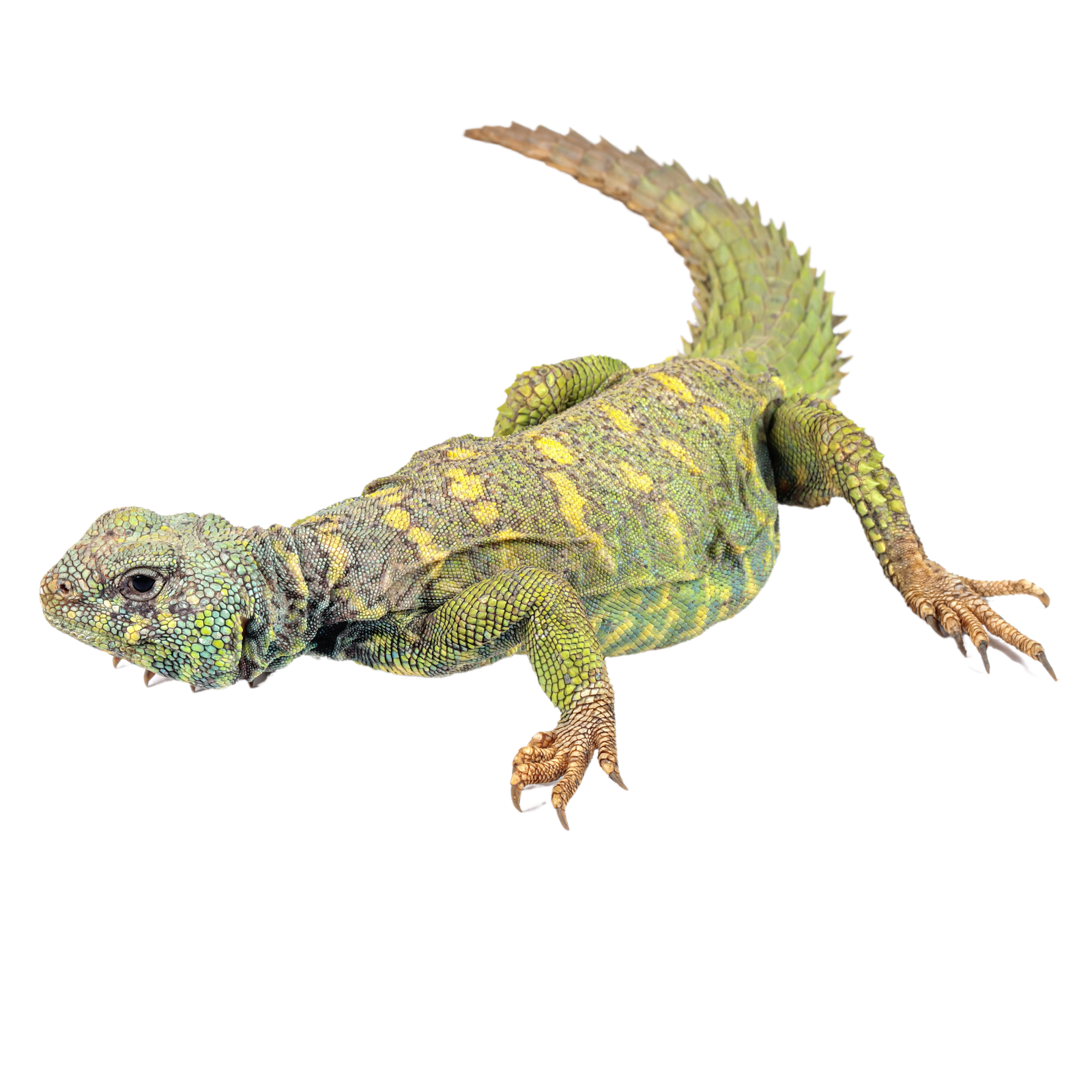
The Ornate Uromastyx is a striking desert-dwelling lizard native to rocky, arid regions of northeastern Africa and parts of the Middle East. Its life begins as a small, vividly patterned hatchling emerging fully independent and instinctively wary of predators. In human care, with proper care, individuals commonly live 15 to 20 years, and some have surpassed that range, reflecting their adaptation to stable, resource-scarce environments where longevity supports survival.
Ecologically, this species occupies a critical role as both a primary consumer and prey item. By feeding heavily on vegetation, it helps regulate plant growth and participates in nutrient cycling within fragile desert systems. At the same time, it serves as prey for raptors, foxes, and large snakes, forming an important link between plant productivity and higher trophic levels. Its burrowing behavior also modifies the microhabitat, creating shelter opportunities for invertebrates and occasionally other small vertebrates.
The Ornate Uromastyx demonstrates remarkable physiological adaptations for desert survival. Its kidneys efficiently conserve water, enabling it to obtain most of its hydration from plant material rather than free-standing water sources. The ability to tolerate and function at very high body temperatures reduces competition with less heat-tolerant species and allows prolonged foraging under intense sun. These evolutionary traits have shaped a reptile uniquely suited to extreme environments, and understanding this natural history is essential for replicating appropriate conditions.
Conservation Status
The conservation status of the Ornate Uromastyx is classified as "Least Concern" according to the International Union for Conservation of Nature (IUCN) Red List, with the population trend of “decreasing”. The most recent assessment was conducted in 2012. This designation indicates that the species is currently not facing a significant risk of extinction in the wild. The "Least Concern" classification suggests that the population is stable or abundant, with a wide geographic distribution. However, it is important to recognize that while this status reflects a relatively optimistic scenario for the moment, it does not mean the species is free from threats or that ongoing monitoring and conservation efforts are unnecessary.
The primary threats affecting the Ornate Uromastyx in the wild include habitat destruction, primarily due to agricultural expansion, urban development, and land degradation. These activities result in the fragmentation and loss of natural habitats that are crucial for the species' well-being. Additionally, the illegal wildlife trade poses a significant threat, as these reptiles are sometimes captured and sold for the pet industry, despite strict regulations in place to control such activities. Climate change further exacerbates these issues by altering the delicate balance of their natural ecosystems, affecting food availability and microclimatic conditions essential for their survival. While predation by introduced species is not a major threat for the Ornate Uromastyx, the presence of domesticated animals can lead to increased mortality rates in some regions.
Conservation efforts for the Ornate Uromastyx are multifaceted and involve both in-situ and ex-situ approaches. Protected areas and wildlife reserves play a crucial role in safeguarding the species' habitat, reducing the risks associated with human encroachment and habitat alteration. Legal protection under national and international laws, such as CITES (the Convention on International Trade in Endangered Species of Wild Fauna and Flora), helps regulate and limit the trade of these reptiles, ensuring that their populations are not unsustainably exploited. While there are currently no large-scale breeding programs specifically dedicated to the Ornate Uromastyx, several initiatives focus on preserving the genetic diversity of related Uromastyx species. These programs aim to provide a safety net for the species' genetic material and serve as potential sources for reintroduction projects should wild populations become threatened.
Overall, the conservation status of the Ornate Uromastyx reflects a decreasing situation, but vigilance is essential to increase this to a favorable standing. Habitat preservation, strict enforcement of trade regulations, and public awareness campaigns are vital components in ensuring the long-term survival of this unique and vibrant reptile. Continued research and international cooperation remain critical in addressing the challenges faced by the Ornate Uromastyx and securing its natural habitat for future generations.
Native Range
The ornate uromastyx is native to the Middle East, with its distribution centered in eastern Egypt, southern Israel, and northwestern Saudi Arabia. Its range is relatively restricted compared to some other spiny-tailed lizards, and populations are often patchily distributed within suitable desert habitats. It is most strongly associated with the rocky deserts and gravel plains bordering the Red Sea and the Sinai Peninsula. Within this geographic area, it occupies arid and hyper-arid regions where environmental conditions are harsh and highly seasonal.
At the macrohabitat level, this species inhabits true desert ecosystems characterized by sparse vegetation, intense solar radiation, and minimal annual rainfall. These environments include rocky plateaus, eroded limestone and sandstone formations, gravel flats, and hard-packed sandy desert. Vegetation is limited and typically consists of drought-resistant shrubs, scattered grasses, and low-growing forbs. Rainfall is infrequent and unpredictable, often falling below 4 inches per year in many parts of its range. When rain does occur, it may fall during short winter events or brief seasonal storms, leading to temporary flushes of plant growth that are critical for feeding and reproduction.
Within these broad desert systems, ornate uromastyx select very specific microhabitats. They are strongly associated with burrow systems dug into compacted sandy soil, loess, or fine gravel substrates, often at the base of shrubs or near rock formations. In areas with suitable geology, they may also utilize natural crevices among limestone outcrops. Their burrows are essential for thermoregulation and protection from predators. A typical burrow may extend several feet underground and terminate in a widened chamber where temperatures and humidity remain more stable than on the surface. Surface activity is concentrated around the burrow entrance, where the lizard can bask under direct sunlight while maintaining immediate access to shelter.
Climatically, ornate uromastyx are adapted to extreme heat and intense solar exposure. Daytime surface temperatures in their habitat frequently exceed 100℉ during the warmer months, and ground-level temperatures in full sun may rise much higher. These lizards are diurnal and rely on high body temperatures for proper digestion and activity, often basking when air temperatures are between approximately 85℉ and 105℉. Nighttime temperatures in desert environments can drop sharply, sometimes falling below 60℉, creating substantial daily thermal fluctuations. Seasonal variation is also significant. Winters, while mild compared to temperate regions, can bring cooler daytime highs and cold nights, during which activity levels decrease markedly. In the coolest months, individuals may remain underground for extended periods.
Humidity levels in their natural habitat are generally very low, often below 40% during the day. Microclimatic humidity within burrows, however, is slightly higher than at the surface due to reduced airflow and temperature moderation. Access to free-standing water is rare. Instead, this species derives nearly all required moisture from its herbivorous diet, which consists of desert-adapted plants, leaves, flowers, and seeds that become seasonally available following rainfall.
In terms of elevation, ornate uromastyx are primarily found in lowland to lower mid-elevation desert regions. Most documented populations occur from near sea level up to roughly 3,000 feet in elevation. Within this range, they favor areas with well-drained substrates suitable for burrowing and open terrain that permits unobstructed basking.
Key environmental factors essential to their survival include loose but stable soil for burrow construction, abundant direct sunlight for thermoregulation, sparse but reliable seasonal vegetation for food, and rocky or compacted terrain that resists collapse of tunnel systems. The combination of intense heat, low humidity, minimal precipitation, and structurally suitable ground defines the ecological niche of the ornate uromastyx. Their physiology, behavior, and morphology are all closely tied to these desert conditions, making them highly specialized inhabitants of arid Middle Eastern landscapes.
Behavior
The Ornate Uromastyx is a strictly diurnal, heliothermic lizard that is highly adapted to the arid desert environments of the Middle East. In its natural habitat, it emerges shortly after sunrise to bask at the entrance of its burrow, raising its body off the substrate to maximize heat absorption. Morning basking is prolonged and deliberate, as these lizards depend on external heat sources to elevate their body temperature to an optimal functional range of approximately 95℉ to 104℉. Once adequately warmed, they begin foraging and other daily activities. Activity typically peaks in the mid-morning and again in the late afternoon, with reduced movement during the most extreme midday heat. In areas where surface temperatures exceed tolerable levels, they retreat underground to avoid overheating and dehydration.
Seasonal changes significantly influence behavior. During cooler winter months, individuals may enter a period of reduced activity similar to brumation. In regions where nighttime temperatures drop substantially, they remain in their burrows for extended periods, sometimes for weeks at a time, minimizing energy expenditure. As spring approaches and temperatures rise, activity increases sharply, coinciding with the breeding season. Males become noticeably more territorial and exhibit heightened displays of dominance and courtship behavior. In human care, a mild winter cooling period often stimulates natural breeding cycles, though it must be carefully managed to prevent health complications.
Ornate Uromastyx are primarily solitary and strongly territorial in the wild. Each individual maintains a burrow system excavated in compacted soil or beneath rocky outcrops. These burrows can extend several feet in length and serve as thermal refuges, maintaining relatively stable temperature and humidity levels compared to surface conditions. Adult males defend territories that encompass access to basking sites and food resources. Territorial disputes involve head bobbing, lateral body compression, push-up displays, and the presentation of their brightly colored flanks. Physical combat, while less common, can occur and may involve biting and tail striking. Females maintain smaller home ranges and interact with males primarily during the breeding season. There is no parental care, females lay eggs in underground chambers and abandon them after oviposition.
This species responds acutely to environmental stimuli. Temperature drives nearly all aspects of daily behavior. If body temperature falls below optimal levels, appetite and digestion slow dramatically, and the lizard becomes lethargic. Prolonged exposure to temperatures below 80℉ can suppress immune function. Conversely, when exposed to excessive heat beyond 115℉ without access to retreat, they will exhibit rapid gaping and frantic attempts to escape. Light intensity and photoperiod regulate hormonal cycles, feeding behavior, and reproduction. Decreasing day lengths means activity gradually diminishes.
Humidity fluctuations are also significant. Although adapted to arid conditions, Ornate Uromastyx utilize the relatively higher humidity within their burrows to maintain hydration and facilitate proper shedding. Excessively high ambient humidity, however, can lead to respiratory stress and skin health issues. In the wild, individuals avoid damp microclimates and are rarely active during or after rainfall.
Predator detection relies heavily on keen vision. They remain vigilant while basking, often positioning themselves with a clear view of their surroundings. At the sight of an approaching predator, such as a bird of prey or other carnivore, they dash quickly into their burrow. If escape is not possible, they inflate their bodies to appear larger, wedge themselves into crevices, and whip their heavily spined tail defensively. Tail strikes are forceful and can deter many small predators. The tail also functions as a fat storage organ, and its condition reflects nutritional status.
Feeding behavior is primarily herbivorous and opportunistic. In the wild, they selectively graze on seasonal desert vegetation, favoring tender leaves, flowers, and seed heads. They use precise visual targeting to locate edible plant material and may stand partially upright to reach higher growth. Unlike many omnivorous desert lizards, this species relies on hindgut fermentation to process fibrous plant matter, and its feeding strategy reflects the need for prolonged basking after meals to support digestion.
In a managed setting, several behavioral differences commonly emerge. Without adequate space or visual barriers, territorial aggression can become exaggerated, particularly between males or similarly sized individuals. Cohabitation is generally discouraged unless in large, carefully structured breeding setups. Individuals often become habituated to regular human presence and may display food-driven behaviors, approaching the enclosure front in anticipation. However, excessive handling can induce stress, evidenced by persistent hiding, darkened coloration, or refusal to eat.
Feeding behavior tends to be more consistent due to predictable food availability, but this can reduce natural foraging stimulation. Providing varied plant textures and elevated feeding platforms encourages more natural movement patterns. Proper thermal gradients are essential, without a basking zone reaching 115℉ to 120℉ and a cooler side around 85℉ to 90℉, natural activity cycles will not be expressed. When environmental parameters are correct, Ornate Uromastyx exhibit regular basking, exploratory behavior, and strong feeding responses comparable to those observed in the wild.
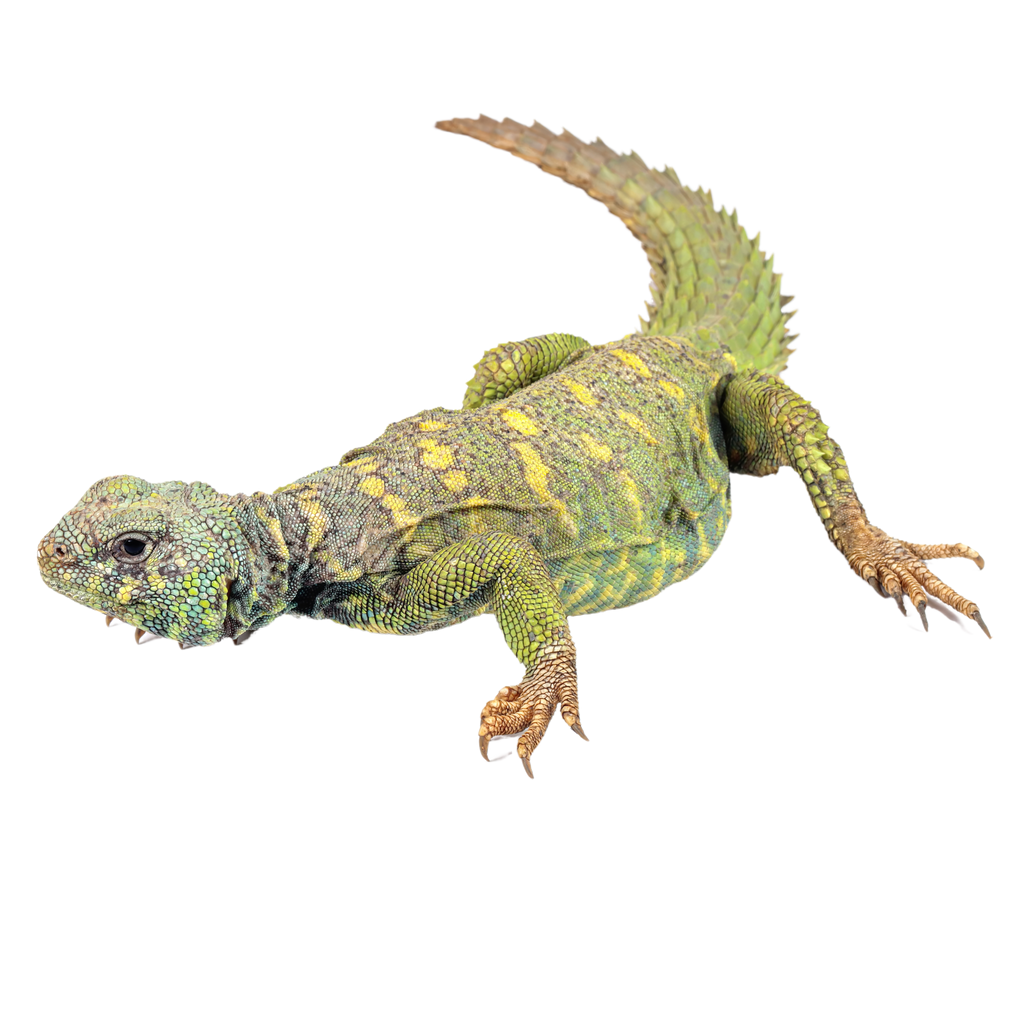
One of the most distinctive traits of this species is its vivid coloration, especially during the breeding season, when males display intensified blues, greens, and yellows. These color changes are associated with social signaling and reproductive readiness. Combined with ritualized body posturing and tail display, this makes them one of the most visually communicative desert lizards. Their reliance on extreme heat, burrow fidelity, and herbivorous specialization further set them apart from many other arid-adapted reptiles.
Overall, the behavior of the Ornate Uromastyx reflects a highly specialized desert survivor whose daily rhythms, defensive tactics, and social interactions are tightly governed by temperature, territory, and seasonal resource availability. Successful care depends on replicating these environmental cues closely enough to allow the expression of natural behaviors.
Husbandry Requirements
Enclosure Design
Ornate uromastyx are terrestrial, diurnal desert lizards native to rocky, arid regions of the Middle East. In the wild, they inhabit dry wadis, rocky outcrops, and compacted sandy soils where they excavate deep burrows to regulate body temperature and avoid predators. Their habitat must replicate this hot, dry, structurally complex environment while providing adequate space for thermoregulation and exercise.
For juveniles, the minimum enclosure size should be 36 inches long by 18 inches wide by 18 inches tall. While young animals can physically fit in smaller enclosures, providing ample space from the outset promotes healthier thermoregulatory behavior and reduces stress. Frequent growth monitoring is important, as ornate uromastyx can reach near-adult size within two to three years under optimal conditions.
Adults require a minimum enclosure measuring 48 inches long by 24 inches wide by 24 inches tall. Larger enclosures, such as 60 inches long by 24 inches wide, are strongly encouraged, particularly for active individuals. Floor space is more important than height, as this is a ground-dwelling species. Horizontal room allows the lizard to establish a defined basking zone and a cooler retreat, which is critical for proper digestion and immune function.
Enclosures constructed from wood sealed with a non-toxic waterproof coating, PVC, or high-quality melamine are preferable because they retain heat efficiently and allow for stable environmental control. Full glass enclosures can be used but often struggle to maintain the high basking temperatures required unless the room itself is warm. Adequate front-facing ventilation should be incorporated to maintain airflow without significantly lowering heat levels. Top-screen enclosures alone are not ideal unless heavily modified to retain heat.
Interior layout should mimic a rocky desert microhabitat. Provide a secure basking platform composed of stacked flat rocks or a large piece of natural stone positioned directly beneath the primary heat source. Rocks absorb and radiate heat effectively, promoting natural basking behavior. At least two hides should be provided, one on the warm side near the basking zone and one on the cooler end. Hides should be tight-fitting to simulate burrow security. Cork bark rounds, stone caves, or carved wooden shelters are appropriate.
Additional structure can include firmly anchored rock piles, ceramic ledges, or thick branches, though this species is not arboreal. All heavy decor must be stabilized to prevent collapse, as ornate uromastyx are powerful diggers. Enclosures must have secure, lockable lids or sliding doors, as these lizards can push with surprising strength and exploit small gaps.
Lighting and Heating
Ornate uromastyx requires intense lighting and high thermal gradients to replicate desert sunlight. Proper lighting and heating are foundational to maintaining digestive efficiency, skeletal health, and natural behavior.
A high-intensity UVB source is mandatory. A T5 high-output fluorescent bulb with a UVB rating of 10% or 12% should span approximately half to two-thirds of the enclosure length. The bulb should be mounted inside the enclosure or directly over a mesh top without obstruction to prevent UVB filtration. The basking zone should be positioned 10 to 14 inches below the UVB source, depending on manufacturer guidelines, to achieve a UV Index comparable to full desert sun exposure. UVB supports vitamin D3 synthesis and calcium metabolism; without it, metabolic bone disease can develop even with proper dietary supplementation.
The basking surface temperature must reach 120℉ to 130℉. Some individuals may utilize basking spots up to 135℉, but exceeding this consistently increases risk of overheating. Ambient temperatures on the warm side should range from 95℉ to 105℉, while the cool side should range from 80℉ to 88℉. Nighttime temperatures can safely drop to 70℉ to 75℉. Supplemental nighttime heat is usually unnecessary unless the enclosure drops below 65℉.
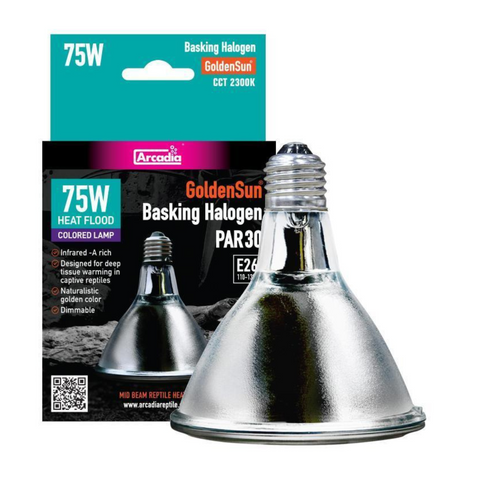
Overhead halogen flood bulbs are ideal for producing concentrated basking heat. Ceramic heat emitters may be used if additional ambient warmth is needed, but they must be regulated. Every heating element must be controlled by a reliable thermostat to prevent dangerous overheating. Heat rocks must never be used, as they cause localized burns and do not create appropriate ambient gradients.
A consistent photoperiod of 12 to 14 hours of light daily is appropriate during most of the year. A slightly shorter daylight cycle of 10 hours during winter months can be provided to mimic seasonal variation. Some keepers choose to implement a mild winter cooling period to stimulate breeding behavior, reducing daytime temperatures modestly and decreasing light duration, though this should only be done with healthy adult animals.
Substrate and Enrichment
In nature, ornate uromastyx occupy compacted sandy soils mixed with gravel and clay. The substrate must support burrowing while maintaining dryness and structural stability.
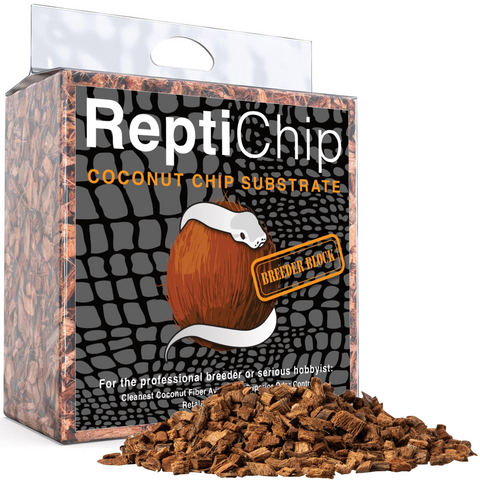
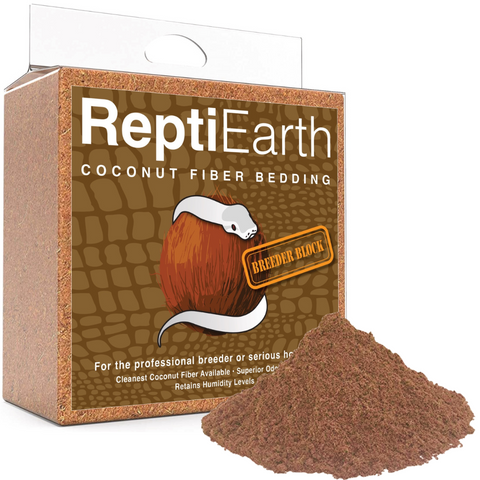
A packed mixture of washed play sand blended with excavator clay is highly effective when properly compacted. For keepers seeking a more controlled moisture profile in localized digging areas, a mix that incorporates a small percentage of ReptiEarth can help maintain structural cohesion without elevating enclosure humidity. ReptiChip can be used in small proportions within a blended substrate to assist with texture and drainage, but it should not form the primary substrate in this arid setup.
Loose, fine, dusty sand alone is not recommended due to respiratory irritation risk and instability. Calcium sand products should be avoided. Substrate depth should be at least four to six inches to permit natural digging behavior. A dig box can be provided with up to about two feet of substrate to encourage burrowing. Spot cleaning should occur weekly, with full substrate replacement performed as needed based on hygiene and stability.
Enrichment can come in many forms and is for the stimulation of your animal. The five types of enrichment you can offer are food related, sensory, physical habitat, cognitive, and social. These categories have a vast variety of options to choose from that are appropriate for the species being enriched.
Environmental enrichment should encourage natural thermoregulation, basking, and excavation. Rearranging rocks periodically, offering elevated basking slabs, and providing variable surface textures stimulate exploration. Flat stones placed under basking lights enhance natural heat absorption. Tight hides that replicate burrow interiors reduce stress and defensive behavior. Feeding enrichment can include placing leafy greens in multiple locations to promote movement. Occasionally offering safe, pesticide-free weeds and fibrous plants encourages natural foraging behavior. Structural complexity increases muscle tone and reduces obesity risk.
Humidity and Hydration
Ornate uromastyx are adapted to very low ambient humidity. Optimal enclosure humidity should remain between 10% and 30%. Prolonged exposure above 40% percent increases the risk of respiratory infections and skin problems.
Humidity should be monitored with a digital hygrometer placed on the cool side of the enclosure. Proper ventilation and dry substrates are essential for maintaining appropriate levels. Foggers and routine misting are not recommended for this species and should be avoided. The enclosure should remain dry at all times except for minimal localized moisture used in substrate mixing during setup.
Hydration primarily comes from plant matter. Fresh leafy greens provided daily supply essential moisture. A shallow water dish may be offered, particularly for juveniles, but many ornate uromastyx rarely drink standing water. If a water dish is provided, it should be small, shallow, and cleaned daily to prevent bacterial buildup and unnecessary humidity increases.
Dehydration signs include wrinkled skin, lethargy, and poor shedding. In cases of concern, offering freshly rinsed greens can increase fluid intake safely without elevating enclosure humidity. Maintaining correct heat gradients ensures proper hydration balance, as digestion and kidney function are temperature dependent.
Accurate monitoring of both temperature and humidity with digital thermometers and hygrometers is essential. Stable environmental control directly correlates with lifespan, which under optimal captive conditions can exceed 15 years.
Diet & Supplementation
In its natural habitat, the Ornate Uromastyx is primarily an herbivore, thriving in dry, arid environments where it consumes a diet rich in vegetation. This species primarily feeds on a variety of leafy greens, flowers, and seeds found in the rocky and sandy terrains of its native range. Among its preferred food sources are the leaves and flowers of acacia, dandelions, and alfalfa, as well as various succulents and desert grasses. In addition to its primarily plant-based diet, it occasionally consumes invertebrates, though these make up a negligible portion of its diet and are not essential to its nutritional health.
The Ornate Uromastyx has evolved several specialized feeding strategies to adapt to its harsh desert environment. It employs active foraging techniques, utilizing its acute sense of sight to locate and identify edible vegetation. It can also rely on the keen scent to detect subtle chemical cues emitted by plants, guiding it to the most nutritious options available. Unlike some reptiles that employ ambush or specialized predation tactics, the Ornate Uromastyx is more opportunistic, capitalizing on the availability of its dietary staples.
Seasonal changes significantly influence the dietary patterns of the Ornate Uromastyx in the wild. During the spring and early summer, it takes advantage of the increased availability of fresh vegetation due to seasonal rains, consuming a broader array of flowers and tender leaves. As the seasons shift towards the drier, harsher conditions of late summer and fall, the reptile may consume more seeds and dried plant material, reflecting the reduced availability of fresh greens. Juvenile uromastyx have higher protein needs for growth and may, as a consequence, ingest slightly more invertebrates than adults, though still sparingly.
Replicating the Ornate Uromastyx's natural diet poses certain challenges, yet it is essential for maintaining health and longevity. Diets should focus primarily on providing a wide variety of leafy greens, such as collard greens, mustard greens, and endive, supplemented occasionally with flowers like hibiscus and dandelion. Offering seeds sparingly can mimic wild seasonal availability and add variety. To ensure adequate nutrition, dietary supplements, especially calcium and a multivitamin mix, are recommended to counteract the absence of diverse wild plant nutrients. Careful attention must be paid to avoid over-supplementation, which can lead to health issues.
Feeding challenges often include food refusal and obesity, the latter primarily due to an improper diet or overfeeding. To mitigate these issues, it's crucial to adhere to a strict feeding schedule, offering food daily or every other day, depending on the individual's needs and activity level. Employing environmental enrichment techniques, such as hiding food in different areas of the enclosure or offering it at various heights, can stimulate natural foraging behaviors and encourage physical activity. Furthermore, it’s important to provide ample UVB lighting to promote vitamin D3 synthesis, which aids calcium absorption, a critical factor in preventing metabolic bone disease. You can dust greens in calcium powder. Calcium powder with vitamin D3 while using UVB bulbs can cause toxicity by excessive calcium absorption causing calcification of organs. Through a combination of varied diet, appropriate supplementation, and healthy feeding practices, keepers can effectively support the dietary needs of the Ornate Uromastyx.
Reproduction
The Ornate Uromastyx reaches reproductive maturity at approximately three to four years of age, though some males may display sexual behaviors slightly earlier under optimal husbandry conditions. Sexual dimorphism is well developed in this species. Mature males typically exhibit more vivid and contrasting coloration, especially during the breeding season, with intensified blues, greens, and yellows along the flanks and head. Males also possess proportionally broader heads, more pronounced femoral pores, and a thicker tail base compared to females. Females generally display more subdued coloration and a slightly narrower head structure. These physical differences become especially apparent during the breeding season, when hormonal changes accentuate male coloration and territorial behavior.
Courtship behavior is strongly seasonal and closely tied to environmental cycling. Males initiate courtship through visual displays that include head bobbing, body compressions, and deliberate tail movements. Increased activity levels accompany these displays, and males often pursue females within the enclosure. Receptive females may respond by remaining still and allowing the male to approach. Non-receptive females typically flee or exhibit defensive tail movements. Copulation involves the male grasping the female along the flanks or neck area before aligning tails for hemipenal insertion. Successful mating often requires multiple copulatory events over a period of days or weeks. While pair bonding does not occur, compatibility between individuals is critical, as overly aggressive males may cause chronic stress in females.
Environmental cues are essential for stimulating reproductive cycling. In their natural habitat, Ornate Uromastyx experience distinct seasonal shifts including cooler winters and hotter summers. To replicate this in captivity, breeders typically provide a controlled cooling period lasting 8 to 12 weeks during the winter months. During this time, daytime basking temperatures are reduced to approximately 85℉ to 95℉, with ambient daytime temperatures ranging from 70℉ to 80℉ and nighttime drops to 60℉ to 65℉. Photoperiod is shortened to approximately 8 to 10 hours of light per day. Feeding is gradually reduced prior to cooling and then minimized, though hydration must remain available.
Following this cooling period, temperatures and photoperiod are gradually increased over several weeks. Basking areas should return to 120℉ to 130℉, with ambient daytime temperatures between 85℉ to 95℉ and a 12 to 14 hour light cycle. The return to higher temperatures and extended daylight mimics spring emergence and stimulates gonadal activity. Humidity should remain low overall, generally between 20% to 40% percent, but a slightly elevated localized humidity within a nesting area may later assist gravid females. Without this seasonal cycling, breeding success is significantly reduced, as continuous warm conditions often suppress normal reproductive hormone fluctuations.
This species is oviparous. Successful breeding is typically best achieved with a single adult pair housed together during the breeding season. Outside of this period, individuals should be separated to reduce stress and prevent aggression. Group breeding is not generally recommended due to territorial disputes among males and competition for basking sites. Introducing the female into the male’s enclosure often yields better results than the reverse, as males are more likely to display and court within a familiar territory. The enclosure must be spacious, providing no less than four feet in length for a breeding pair, with multiple visual barriers and basking platforms to allow avoidance behaviors.
A suitable nesting area is required once breeding has occurred. Females actively seek diggable substrates and may become restless if an appropriate site is unavailable. A nesting box measuring at least 12 inches long, 12 inches wide, and 8 to 12 inches deep should be provided, filled with a compactable sand and soil mixture that retains shape when tunneled. Although this pertains to egg deposition rather than incubation, the availability of proper nesting substrate directly influences whether a gravid female retains or deposits eggs successfully.
Breeding challenges most commonly stem from improper seasonal cycling or chronic stress. If the cooling period is too short or temperatures do not drop sufficiently, males may fail to produce viable sperm or females may not ovulate. Conversely, cooling temperatures that are too low or prolonged can suppress appetite excessively and weaken animals before breeding season begins. Careful monitoring of body weight before and after brumation is essential to ensure animals enter the breeding season in robust condition.
Incompatibility between mates is another frequent issue. Some males exhibit excessive aggression, leading to bite wounds or persistent chasing that prevents females from basking or feeding adequately. Visual barriers, large enclosures, and temporary separation after copulation attempts can mitigate this problem. In severe cases, replacing one member of the pair may be necessary. Additionally, females kept without adequate calcium stores or exposed to insufficient UVB lighting often fail to develop viable follicles, even if mating occurs. Providing high-intensity UVB exposure and a calcium-rich, plant-based diet throughout the year is critical for reproductive success.
Stress from overcrowding, improper enclosure design, or frequent disturbance can also inhibit reproductive behavior. Ornate Uromastyx are highly alert lizards from open desert habitats, and excessive noise, vibration, or handling during the breeding season can suppress courtship and ovulation. Stable, predictable environmental conditions combined with minimal disturbance significantly improve breeding outcomes.
When environmental cycling, nutritional preparation, enclosure design, and compatible pairing are all properly managed, Ornate Uromastyx can reproduce reliably in captivity. However, success requires strict attention to seasonal simulation, behavioral observation, and proactive management of social dynamics to ensure both male vigor and female health throughout the reproductive cycle.
Incubation & Neonate Care
The Ornate Uromastyx is an oviparous lizard, meaning it reproduces by laying eggs. In captivity, successful breeding typically follows a period of seasonal cycling in which temperatures and daylight hours are reduced during winter to stimulate reproductive hormone production. Females generally lay one clutch per year. Clutch sizes commonly range from 4 to 15 eggs, though 6 to 12 eggs is typical for a well-conditioned adult female. Reproductively mature females must be at least two to three years old and in robust body condition before breeding is attempted, as egg production places significant metabolic demands on calcium reserves and overall health.
After successful copulation, the gestation period before oviposition generally lasts three to six weeks. Gravid females often display increased basking behavior to support proper egg development. As oviposition approaches, the female becomes restless and may dig persistently. A proper nesting site is critical. Provide a deep nesting box measuring at least 12 inches long, 12 inches wide, and 8 to 12 inches deep, filled with a slightly moist sand and soil mixture that holds its shape when compressed. The substrate should be damp enough to form a tunnel without collapsing but never wet. Insufficient nesting depth or improper moisture can lead to egg retention, a serious and potentially fatal condition requiring immediate veterinary intervention.
Once laid, the eggs should be carefully excavated and transferred to an incubator without rotating them, as movement can detach the embryo from the inner membrane. Eggs are typically oval, firm-shelled, and measure approximately one to one and a half inches long. Incubation should occur in a well-ventilated container filled with a substrate such as vermiculite or perlite mixed at a 1:1 ratio by weight with water. The substrate must be moist but not saturated, maintaining a relative humidity of approximately 50% to 70% within the incubation chamber. Direct water contact with the eggs should be avoided.
Incubation temperatures should be maintained between 84℉ and 88℉ for optimal development. Temperatures below 82℉ may substantially prolong incubation and reduce hatch rates, while temperatures above 90℉ increase the risk of embryo mortality and deformities. The typical incubation duration ranges from 70 to 90 days, depending on temperature stability. There is no confirmed evidence of temperature-dependent sex determination in this species; sex is believed to be genetically determined. However, maintaining consistent incubation conditions is still essential for uniform development and hatchling viability.
As hatching approaches, eggs may slightly collapse or dimple, which is normal and indicates internal moisture utilization. Hatchlings slit the eggshell using an egg tooth and may remain partially inside the egg for 24 to 48 hours while absorbing residual yolk. They should not be assisted unless there is clear evidence of distress, such as prolonged straining without progress or visible membrane dehydration. Premature manual intervention can cause hemorrhage or infection.
Newly emerged hatchlings typically measure three to four inches in total length and are fully independent from birth. There is no parental care; in fact, adults may view small juveniles as territorial intruders or competitors. Hatchlings must be housed separately from adults and, ideally, from significantly larger juveniles to prevent stress, injury, or resource competition.
Neonate enclosures should provide a secure environment that balances warmth and gradient access. A 20-gallon enclosure is adequate for a small group of similarly sized hatchlings, though individual housing allows better monitoring of food intake and growth. A strong basking site should reach 110℉ to 115℉ at surface level, with an ambient warm side of approximately 95℉ and a cooler retreat around 80℉ to 85℉. Night temperatures may safely drop to 70℉ to 75℉. Intense full-spectrum lighting, including high-output UVB exposure, is essential from the first day to support proper calcium metabolism and skeletal development.
Humidity should remain low, typically between 20%and 40%, reflecting their natural arid habitat. However, hatchlings benefit from access to a shallow hide with slightly elevated humidity to aid in proper shedding. The enclosure should be furnished with flat basking stones and multiple secure hides to reduce stress and encourage natural thermoregulation.
Ornate Uromastyx hatchlings are herbivorous from birth. First meals should be offered within 24 to 48 hours after absorption of the remaining yolk sac. Finely chopped dark leafy greens such as collard greens, mustard greens, turnip greens, and dandelion greens form the dietary foundation. Lentils and small quantities of other appropriate legumes may be introduced once feeding is well established. Food should be dusted lightly with a calcium supplement several times per week. Hatchlings often show strong feeding responses but may be shy initially, minimal disturbance encourages consistent intake.
Fresh water can be offered in a shallow dish, though many juveniles obtain most hydration from plant matter. Lightly misting greens before feeding can help support hydration without elevating enclosure humidity. Standing water dishes must be shallow to prevent accidental drowning.
Common health concerns in neonates include dehydration, failure to thrive, metabolic bone disease due to inadequate UVB or calcium, and gastrointestinal impaction from ingesting loose particulate substrate. For this reason, solid substrates such as slate tile or paper-based liners are recommended during early growth stages. Regular weight monitoring and observation of droppings provide early indicators of health status.
Handling should be minimal during the first several weeks to reduce stress. Hatchlings are naturally alert and may be quick-moving. Gentle, brief interactions can begin once consistent feeding and growth are established. With proper incubation protocols and attentive neonate care, survival rates are typically high, and juveniles grow steadily during their first year of life.
Conclusion
In conclusion, the Ornate Uromastyx presents a remarkable example of desert adaptation, with its behaviors, dietary needs, and physiological traits reflecting a lineage finely attuned to arid environments. For herpetoculturists aiming to maintain this species in captivity, understanding these natural adaptations is crucial. Ensuring an appropriate enclosure that mimics their natural habitat, including precise temperature gradients, UVB lighting, and substrates suitable for burrowing, facilitates healthy behaviors and physiological functioning.
The Ornate Uromastyx stands as a testament to the evolutionary ingenuity that allows life to thrive in some of Earth's most unforgiving landscapes. By replicating those conditions and respecting their natural history, herpetoculturists can ensure these vibrant lizards flourish long-term, offering both an educational glimpse into desert ecology and the satisfaction of contributing to species preservation.