Natural History
The Northern Blue-Tongued Skink is a large, heavy-bodied terrestrial lizard native to Australia and parts of nearby islands. Under human care they frequently live 20 years or longer, and some individuals have surpassed 25 years. In the wild, lifespan is typically shorter due to predation, environmental pressures, and disease.
Unlike many reptiles, Northern Blue-Tongued Skinks exhibit a relatively robust and resilient body structure from an early age. They are born live rather than emerging from externally laid eggs, which provides them with a developmental advantage in variable climates. Parental care beyond birth is absent; the young disperse quickly and must fend for themselves. This early independence shapes much of their behavior, as they rely on instinctive foraging skills and defensive strategies from their first days of life.
In their natural ecosystems, Northern Blue-Tongued Skinks serve as both predator and prey. As mid-level omnivores, they help regulate populations of insects, slugs, and snails, contributing to natural pest control. Their consumption of fallen fruit also plays a minor role in seed dispersal, as some seeds pass through the digestive tract intact. In turn, they are preyed upon by birds of prey, large snakes, monitor lizards, and introduced mammals such as foxes and cats. Juveniles are especially vulnerable due to their smaller size.
Environmental adaptations are central to their survival. Their thick, overlapping scales reduce water loss and provide protection against rough terrain and predator bites. Their stout limbs and elongated bodies allow them to navigate dense ground vegetation with ease. They are also highly adaptable to seasonal variation, capable of entering periods of brumation during cooler months when food availability declines. This seasonal slowing of metabolism conserves energy and aligns their activity with favorable environmental conditions.
Understanding the natural history of the Northern Blue-Tongued Skink reveals a hardy, adaptable reptile shaped by a life on the ground in diverse Australian habitats. Its combination of omnivorous feeding habits, bold defensive displays, and ecological flexibility has allowed it to thrive in both wild landscapes and areas influenced by human development.
Conservation Status
The Northern Blue-Tongued Skink is listed as "Least Concern" on the IUCN Red List with the assessment year noted as 2017. The population trend is described as “Stable.” A status of Least Concern indicates that the species is presently not at immediate risk of population decline or extinction. This classification suggests that the Northern Blue-Tongued Skink displays a stable geographic distribution and currently enjoys healthy population levels, without significant immediate threats that could lead to a rapid deterioration of these conditions.
Primary threats to the Northern Blue-Tongued Skink in the wild include habitat destruction and degradation due to urban expansion, agricultural development, and the effects of climate change. These activities lead to a decrease in suitable environments for the skinks to thrive, potentially fragmenting populations and limiting access to essential resources such as food and shelter. While the species is not heavily targeted by poachers, illegal wildlife trade does pose a potential risk, as pet trade demands can increase collection pressures. Moreover, invasive species and predation by non-native animals, such as domestic cats, can further threaten the survival of these skinks in certain areas by increasing competition for resources or direct predation.
Conservation efforts for the Northern Blue-Tongued Skink focus on habitat preservation, legal protection, and population control of invasive species. Wildlife reserves play a crucial role in maintaining natural habitats that are crucial for the skinks’ survival, limiting the impact of human activities. Habitat restoration projects help to repair previously degraded environments, providing safe havens for existing populations to expand and thrive. Furthermore, legal protections in the regions they are found can mitigate the effects of illegal trade, although these protections must be continually enforced to be effective. Laws are in effect to help contain invasive species such as domestic cats that can prey upon not only skinks but other native wildlife. The population control of invasives such as this can make sure native species thrive safely.
Breeding programs, while not currently a high-priority strategy for the Northern Blue-Tongued Skink due to its Least Concern status, have been utilized successfully in other skink species to preserve genetic diversity and ensure species resilience against unforeseen future threats. These programs can potentially serve as a genetic reservoir, helping maintain a healthy population should natural numbers begin to decline. By protecting habitat and reducing illegal trade pressure, the existing conservation measures aim to ensure that the Northern Blue-Tongued Skink remains a thriving part of its ecosystem for generations to come.
Native Range
The Northern Blue-Tongued Skink is native to the northern, eastern, and southern regions of Australia, where it occupies a broad but well-defined range across multiple states, including New South Wales, Victoria, South Australia, parts of Queensland, with localities found in Tasmania and New Guinea. Its distribution is considered wide within temperate and subtropical Australia, and it is one of the most geographically widespread blue-tongued skinks on the continent. Within this range, populations are often dense in suitable habitats and may also extend into peri-urban and agricultural landscapes where adequate shelter and forage remain available.
At the macrohabitat level, this species inhabits open woodlands, dry sclerophyll forests, temperate shrublands, coastal heath, grasslands, and lightly wooded savannas. It frequently occupies transitionals areas between forests and open grasslands, where structural plant diversity provides abundant cover and feeding opportunities. It is especially common in areas dominated by eucalyptus woodland with a grassy understory, as well as in semi-arid shrublands with scattered trees and dense ground-level vegetation. The species has demonstrated considerable adaptability and can persist in modified environments such as rural farmland, suburban gardens, and roadside corridors, provided basic habitat requirements are met.
Within these broader ecosystems, the Northern Blue-Tongued Skink utilizes specific microhabitats that provide protection from predators and environmental extremes. As a terrestrial and diurnal reptile, it spends its time at ground level. It seeks shelter beneath leaf litter, fallen logs, dense grasses, rock slabs, and debris piles. It readily adopts abandoned mammal burrows and natural crevices for thermoregulation and protection. During periods of extreme heat or cold, individuals retreat underground or beneath insulating cover to buffer against outside temperature fluctuations. Access to multiple refuge sites within a small home range is critical for survival, as these shelters help regulate body temperature and reduce predation risk.
The climatic conditions across its range are generally temperate to warm-temperate, with moderate seasonal variation. Summer daytime temperatures commonly range between 75℉ and 95℉, though localized heat waves may exceed these values. Winter daytime temperatures often range between 50℉ and 65℉, with nighttime temperatures sometimes dropping near or below 40℉ in southern portions of its range. These cooler winter conditions induce a period of brumation, during which the skinks reduce activity and remain sheltered for extended intervals. Precipitation patterns vary across its distribution but are generally moderate, with annual rainfall typically ranging from approximately 15 to 40 inches depending on region. Rainfall may be seasonally concentrated in winter or spring in southern areas, while northern populations may experience more summer-dominant rainfall patterns. Moderate humidity levels prevail in coastal and forested regions, while inland populations may experience drier conditions with lower relative humidity.
This species is primarily found in lowland to mid-elevation environments. Most populations occur from near sea level up to elevations of approximately 3,000 feet. It is uncommon in high-altitude alpine zones, as prolonged cold and shorter active seasons limit its ability to thermoregulate effectively. Elevation influences local microclimates, with higher populations experiencing cooler average temperatures and shorter basking windows during the warmer months.
Several environmental factors are essential for the Northern Blue-Tongued Skink’s survival. Reliable basking sites with direct sun exposure are crucial for maintaining appropriate body temperature, as this species is an active heliotherm that depends on external heat sources. Simultaneously, immediate access to shaded retreats or insulated shelters is necessary to prevent overheating and dehydration. The presence of structurally diverse ground cover vegetation supports both predator avoidance and foraging needs. As an omnivore with a diet consisting of invertebrates, plant matter, flowers, fruits, and occasional carrion, it thrives where seasonal plant growth and insect activity are abundant. Although it does not require permanent standing water, access to dew, rainfall, and moist microhabitats contributes to hydration, especially during warmer months.
Overall, the Northern Blue-Tongued Skink is a habitat generalist within temperate Australian ecosystems, but it consistently depends on a mosaic of sun-exposed basking surfaces, concealed retreat sites, moderate seasonal climates, and structurally complex ground vegetation. These environmental parameters directly inform best practices for replicating its natural habitat under human care.
Behavior
The Northern Blue-Tongued Skink is a diurnal lizard, exhibiting peak activity during daylight hours, especially in the morning and late afternoon. In its natural habitat of grasslands, open woodlands, and scrublands, it emerges shortly after sunrise to bask and raise its body temperature to an optimal active range between approximately 85℉ to 95℉. Activity typically decreases during the hottest part of the day if ambient temperatures exceed 95℉, at which point they seek shelter under logs, dense vegetation, or burrows to avoid overheating. During cooler months, especially in regions with significant seasonal temperature variation, this species may enter a period of brumation. In brumation, activity is greatly reduced, feeding ceases, and individuals remain in sheltered retreats for extended periods, sometimes several weeks or months, depending on local climate conditions. Reproductive behaviors intensify in spring, when rising temperatures and increasing daylight stimulate courtship and mating.
Northern Blue-Tongued Skinks are largely solitary outside of the breeding season. In the wild, individuals maintain loosely defined home ranges and typically avoid direct interaction with conspecifics. While not aggressively territorial in the strict sense, adults may display defensive or antagonistic behaviors when encountering one another, particularly males during the breeding season. Males may engage in physical combat, which can involve biting and pushing contests, to compete for access to females.
This species is highly responsive to environmental stimuli, using a combination of visual, chemical, and tactile cues to interpret its surroundings. Like many lizards, it relies heavily on chemoreception. The tongue is frequently flicked to collect scent particles from surfaces and the air, which are analyzed through the vomeronasal organ. This sensory adaptation aids in locating food, identifying conspecifics, and detecting predators. Vision is well developed and plays an important role in detecting movement, including both prey and threats.
Thermoregulation is entirely behavioral. Individuals adjust their body temperature by shuttling between sun and shade, flattening the body to increase surface area exposure while basking, or elevating the body off the substrate to reduce conductive heat gain. In cooler conditions, they may orient the body perpendicular to the sun to maximize exposure. In hot conditions, they reduce activity, seek insulated retreats, or burrow into loose soil or leaf litter.
When confronted by predators such as birds of prey, snakes, or introduced species such as cats, the Northern Blue-Tongued Skink employs a distinctive defensive display. It inflates its body, flattens itself dorsoventrally to appear larger, opens its mouth widely, and prominently displays its large, vividly blue tongue. This sudden flash of color, combined with loud hissing and occasional lunging, serves as a display intended to startle predators. If the threat persists, the skink may bite, and its jaws are capable of delivering a strong defensive bite. Unlike many smaller lizards, tail dropping is limited and not as readily employed; the tail is comparatively short and stout and is not relied upon as a primary escape mechanism. Instead, camouflage, bluffing, and retreat into cover are the main strategies.
Locomotion is deliberate and heavy-bodied compared to more slender lizards. Movement consists of lateral undulation combined with limb propulsion. Although not built for sustained speed, individuals can produce short bursts of surprising quickness when startled. They are terrestrial and do not climb extensively, though they may navigate low obstacles or uneven terrain.
Under human care, several behavioral differences become evident due to the controlled environment. Without predators and with consistent food availability, individuals often become bolder and display reduced fear responses toward humans. Many captive Northern Blue-Tongued Skinks habituate to regular handling, showing little more than mild defensive posturing when approached. However, individual temperament varies significantly. Some remain defensive, particularly if husbandry conditions are suboptimal or if handling is inconsistent. Feeding behavior is typically less variable than in the wild. In nature, foraging involves exploratory movement and dietary diversity. Food is presented in a dish, which reduces the need for active searching.
Aggression toward conspecifics is more problematic in managed care than in the wild because space is restricted. Cohabitation frequently results in chronic stress, suppressed feeding in subordinate animals, biting injuries, and dominance-related behaviors. For this reason, solitary housing is recommended outside of carefully supervised breeding introductions. Visual barriers within enclosures can reduce stress responses by limiting constant exposure to external movement.
Stress responses include persistent hiding, refusal to eat, excessive defensive displays, or attempts to escape enclosures. These behaviors are often triggered by incorrect temperature gradients, inadequate hiding opportunities, excessive handling, or improper light cycles. A consistent photoperiod of approximately 12 to 14 hours of light during the active season supports natural circadian rhythms. Failure to provide appropriate basking temperatures may lead to lethargy and decreased feeding, mirroring the species’ natural reduction in activity under suboptimal thermal conditions.
Overall, the Northern Blue-Tongued Skink is a behaviorally robust and adaptable reptile whose natural history is characterized by diurnal foraging, solitary living, strong defensive displays, and precise behavioral thermoregulation. In managed care, many natural behaviors persist, but they must be supported through environmental enrichment, proper thermal gradients, and housing practices that respect the species’ solitary tendencies and reliance on environmental cues.
Husbandry Requirements
Enclosure Design
Northern Blue-Tongued Skinks are large, terrestrial lizards that require substantial floor space rather than vertical height. Juveniles can be housed temporarily in an enclosure measuring at least 36 inches long, 18 inches wide, and 18 inches tall. However, because they grow rapidly and can exceed 18 to 22 inches in total length as adults, a full-grown individual requires a minimum enclosure measuring 48 inches long, 24 inches wide, and 24 inches tall. Larger enclosures, such as 60 inches long by 24 inches wide, are strongly recommended to allow for improved thermoregulation and enrichment opportunities. Larger enclosures are always better for a species such as the Northern Blue-Tongue Skink.
Enclosures constructed from PVC or sealed wood with front-opening glass doors are preferred due to their superior heat retention and ease of access for maintenance. Glass aquariums can be used but often struggle to retain heat and humidity, especially in cooler climates. Adequate cross-ventilation is necessary to prevent stagnant air while still maintaining stable humidity levels. All enclosures must have secure, locking lids or front latches, as these skinks are surprisingly strong and capable of pushing open unsecured tops.
The internal layout should reflect their natural environment of open woodland, scrubland, and grassland with access to shelter. As a terrestrial species, they require more horizontal space than vertical climbing structures. Provide at least two secure hides, one on the warm side and one on the cool side. Hides should be snug to reduce stress and large enough to accommodate the skink’s full body. Cork bark rounds, half logs, and sturdy resin caves are appropriate.
A clearly defined basking area must be positioned beneath the heat source, with a flat stone or slate tile to absorb and radiate warmth. While not avid climbers, Northern Blue-Tongued Skinks benefit from low, stable climbing structures such as thick branches or gently sloped rock platforms that encourage mild exercise. All décor must be securely anchored to prevent collapse, as these lizards are heavy-bodied and prone to digging beneath unsecured objects.
Lighting and Heating
Northern Blue-Tongued Skinks require a well-defined temperature gradient. The basking surface temperature should reach 100℉ to 105℉, measured with a digital probe thermometer placed directly on the basking surface. The ambient temperature on the warm side should remain between 85℉ to 90℉, while the cool side should range from 75℉ to 80℉. Nighttime temperatures can safely drop to 70℉ to 75℉ but should not fall below 65℉.
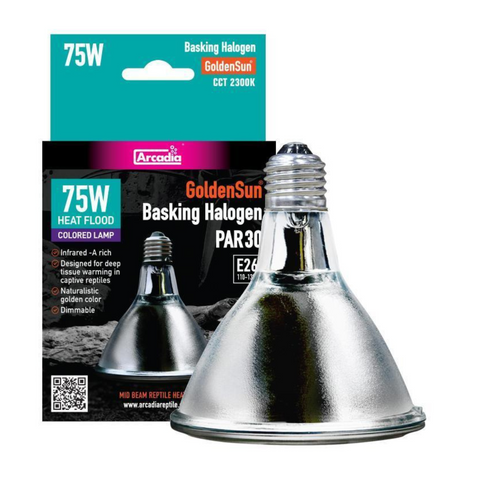
Primary heat sources may include halogen basking bulbs or overhead ceramic heat emitters. All heating elements must be connected to a reliable thermostat to prevent overheating and thermal burns. Under-tank heating elements can be used to supplement ambient warmth in colder environments but should never replace overhead basking heat. Heat rocks must never be used, as they frequently cause severe burns due to uneven heating.
Although this species is often described as moderately UVB-dependent, consistent UVB exposure significantly improves bone health, immune function, and overall vitality. A linear T5 high-output UVB fixture spanning at least half the enclosure length is recommended. A 10% to 12% percent UVB bulb is appropriate when mounted 12 to 18 inches above the basking zone without obstruction from glass or plastic. If mounted over screen mesh, ensure the mesh does not excessively block UVB output and adjust placement accordingly.
A daily photoperiod of 12 to 14 hours of light should be maintained during spring and summer, with a slight reduction to 10 to 12 hours during winter months to mimic seasonal variation. While full brumation is not always necessary in captivity, slight seasonal adjustments in light and temperature can support hormonal balance and long-term health. Consistency in the light cycle is essential, and all lighting should be controlled by automatic timers.
Substrate and Enrichment
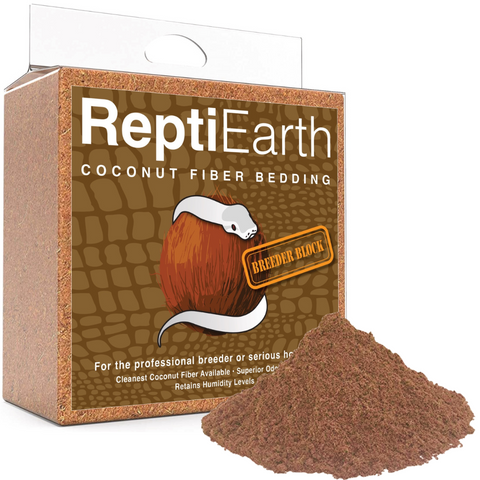
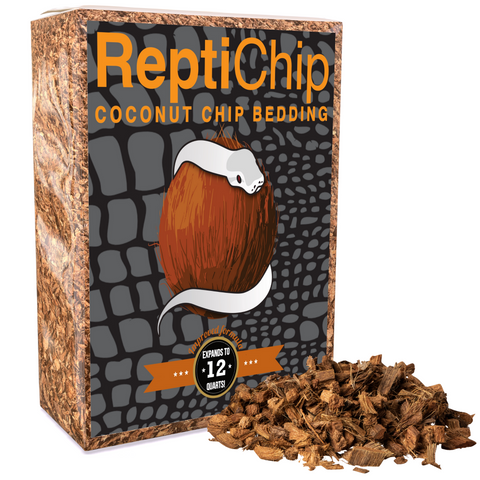
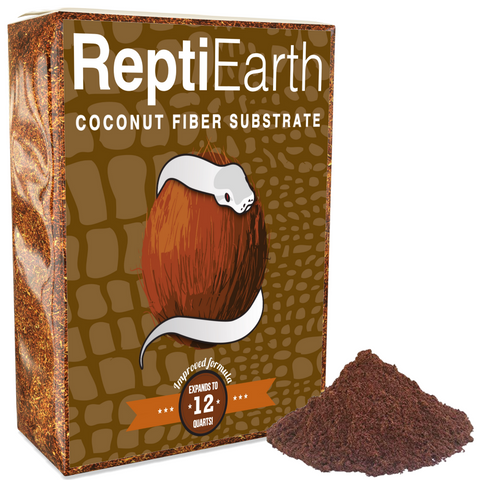
In the wild, Northern Blue-Tongued Skinks inhabit areas with loose soil, leaf litter, and sandy loam, often burrowing to regulate temperature and humidity. An appropriate substrate must allow for digging while minimizing impaction risk. A blend of ReptiEarth, and ReptiChip coconut chip substrate creates a moisture-retentive yet structurally stable medium. A depth of four to six inches is recommended to permit natural burrowing behavior.
ReptiChip coarse grade is especially useful in maintaining moderate humidity while resisting mold growth. For keepers preferring a more naturalistic approach, mixing ReptiChip with soil and leaf litter enhances enrichment and microbial balance. Spot-clean daily and replace substrate entirely every four to six weeks, depending on enclosure size and cleanliness. Avoid reptile carpet, as it harbors bacteria and can snag claws. Avoid fine sand or calcium sand, which increases the risk of ingestion and impaction.
Environmental enrichment is critical for this intelligent species. Rearranging enclosure décor periodically stimulates exploration. Scatter feeding insects or placing food in different areas encourages natural foraging behavior. Leaf litter layers can be added to encourage scent-based investigation. Offering textured surfaces such as cork bark, slate, and rough wood promotes natural nail wear and varied sensory stimulation. Enrichment can come in many forms and is for the stimulation of your animal. The five types of enrichment you can offer are food related, sensory, physical habitat, cognitive, and social. These categories have a vast variety of options to choose from that are appropriate for the species being enriched.
Humidity and Hydration
Northern Blue-Tongued Skinks generally require moderate humidity levels between 40% to 60%. Indonesian localities may require 60% to 80%, but the Northern variety thrives in the lower range. Humidity should be monitored continuously with a calibrated digital hygrometer placed at mid-level within the enclosure.
Humidity can be maintained by lightly misting the enclosure several times per week, depending on ambient climate conditions. Over-misting should be avoided, as constantly damp conditions can lead to respiratory issues. The substrate mix containing ReptiChip and ReptiEarth helps retain moisture without becoming waterlogged. Pouring small amounts of water directly into one corner of the substrate occasionally can create a humid microclimate while leaving the rest of the enclosure drier.
A large, shallow water dish must be provided at all times. It should be heavy enough to prevent tipping and large enough for the skink to soak in if desired. Water should be changed daily to prevent bacterial growth. While these skinks obtain significant hydration from their diet, access to fresh water is essential for kidney health and proper shedding.
During shedding cycles, slightly increasing humidity to the upper end of the acceptable range can assist in complete sheds. Providing a humid hide filled with damp sphagnum moss or moist ReptiEarth can offer a localized humidity boost without elevating overall enclosure moisture excessively.
Consistent monitoring of both temperature and humidity using digital probe thermometers and hygrometers is essential for maintaining a stable, healthy environment. Proper environmental regulation directly impacts immune function, digestion, and longevity in Northern Blue-Tongued Skinks.
Diet & Supplementation
The Northern Blue-Tongued Skink is an omnivorous reptile that exhibits a diverse and opportunistic feeding behavior in its natural habitat. In the wild, this species consumes a variety of food sources, including insects, snails, and other invertebrates, as well as plant material such as fruits, flowers, and leaves. Occasional consumption of small vertebrates, such as amphibians and small rodents, is not uncommon. This dietary flexibility is a hallmark of its adaptability to different environments and availability of resources.
When actively foraging, the Northern Blue-Tongued Skink relies predominantly on chemical cues to locate its food. Utilizing its keen sense of smell and sensitive tongue, it tastes the air to detect prey and identify potential food items. Visual tracking also plays a role, but this species does not exhibit the advanced predation strategies seen in some other reptiles, such as heat-sensing pits or venom. Instead, it employs a straightforward approach, often rooting through vegetation and debris to uncover and capture its food.
Dietary preferences and needs can vary with age and season. Juvenile skinks require a higher protein intake to support rapid growth, primarily obtained through insects and small vertebrates. Adult skinks, on the other hand, tend to consume more plant material, although they still require adequate protein sources to maintain health. Seasonal changes may influence food availability and diet composition, with skinks potentially consuming more insects during their abundance in warmer months and shifting to more vegetation in periods of scarcity.
In managed care, the diet of the Northern Blue-Tongued Skink must be carefully balanced to reflect its omnivorous nature while addressing any gaps that may arise from limited food availability. A typical diet includes a variety of insects such as crickets, mealworms, and dubia roaches, complemented by a selection of fruits and vegetables. Leafy greens like kale and collard greens, as well as fruits like berries and apples, are suitable additions. Regular supplementation with calcium and vitamins, particularly Vitamin D3, is vital to prevent metabolic bone disease and other nutritional deficiencies. Using Vitamin D3 while using UVB bulbs can cause toxicity by excessive calcium absorption causing calcification of organs.
Despite careful planning, feeding challenges may arise. Some skinks may exhibit food refusal, often related to stress or unsuitable environmental conditions. Obesity can also be a concern if the diet is excessively rich in fatty foods or inadequately balanced. Introducing a wide range of prey types and maintaining an appropriate feeding schedule can stimulate natural foraging behaviors and ensure dietary variety. Regularly rotating food items and incorporating environmental enrichment, such as foraging boxes or hidden food treats, can encourage the skink's natural instincts and promote healthy eating habits.
Overall, understanding the complex dietary requirements and feeding behaviors of the Northern Blue-Tongued Skink is essential for keeping these reptiles healthy and thriving. By simulating their natural diet as closely as possible and attending to their nutritional needs, reptile keepers can provide a well-rounded and enriching care experience for these fascinating animals.
Reproduction
Northern Blue-Tongued Skinks reach sexual maturity at approximately 18 to 24 months of age, although some individuals, particularly females, may require closer to three years to achieve full reproductive condition and optimal body mass for successful breeding. Sexual dimorphism is present but subtle. Males typically have broader heads, thicker tails at the base due to the presence of hemipenes, and slightly larger overall size. During the breeding season, males often display increased activity and may exhibit noticeably more assertive or territorial behavior. Females generally develop a broader mid-body when gravid, but outside of reproductive cycling, distinguishing the sexes visually can be challenging without experience.
Mating behavior is seasonal and strongly influenced by environmental cues. In their natural range, reproduction follows a period of winter brumation. As temperatures rise and daylight hours increase in late winter to early spring, males enter reproductive condition. Elevated testosterone levels trigger increased roaming behavior and active courtship. Courtship is direct and often vigorous. A male will approach the female with tongue flicking and close body contact. If receptive, the female will permit mounting; if not, she may attempt to flee or display avoidance behavior. The male typically bites the female along the neck or shoulder region to secure position prior to copulation. This neck-grasping behavior is normal but can appear rough. Copulation may last from several minutes to over half an hour. Because interactions can be aggressive, close supervision is essential during pairing to prevent injury.
Successful breeding depends heavily on replicating natural seasonal cycling. A cooling period of approximately 8 to 12 weeks during winter is strongly recommended to stimulate reproductive hormone production. During this brumation period, daytime temperatures should gradually be reduced to around 70℉ to 75℉, with nighttime temperatures dropping to approximately 60℉ to 65℉. Lighting duration should also be shortened to 8 to 10 hours per day. Feeding should be reduced and eventually stopped once the animal’s digestive tract is cleared, as digestion slows significantly during brumation. Access to fresh water must always be maintained. After this cooling phase, temperatures should be gradually increased to standard active-season levels, with a basking spot of 100℉ to 105℉, an ambient warm side around 85℉ to 90℉, and a cooler side around 75℉ to 80℉. Photoperiod should be extended to 12 to 14 hours daily. This gradual warming and increased light exposure stimulate reproductive readiness in both sexes.
Humidity should remain moderate, typically between 40% and 60%, reflecting the species’ natural preference for semi-arid to temperate environments. Excessive humidity may contribute to stress or health issues, while extremely low humidity can impair overall condition. Stable environmental parameters are crucial; fluctuations outside of natural seasonal cycling can delay or suppress breeding behavior.
Northern Blue-Tongued Skinks are viviparous, meaning females give birth to fully formed live young rather than laying eggs. Successful copulation generally requires introducing the male into the female’s enclosure, as females tend to be more territorial over established space. Cohabitation outside the breeding season is not recommended, as this species is naturally solitary and prolonged housing together may lead to stress or fighting. Introductions should occur after both animals have completed brumation and resumed normal feeding and basking behavior. Observing from a distance is important; if the female persistently flees, engages in defensive behavior, or if the male becomes excessively aggressive, they should be separated and reintroduced after several days.
Body condition plays a critical role in reproductive success. Females must have sufficient fat reserves prior to breeding, as gestation demands significant energy. Underweight females are at higher risk for reproductive failure or complications. Providing a nutritionally balanced diet with appropriate protein, leafy greens, and calcium supplementation during the active season prior to brumation supports reproductive health. Males also benefit from optimal body condition, but obesity should be avoided in both sexes, as it can impair fertility.
Common breeding challenges include failure to cycle due to insufficient cooling, refusal to mate due to incompatibility, and stress-induced reproductive suppression. Inadequate temperature differentials or failure to reduce daylight hours during winter often prevent proper hormonal shifts. Carefully documenting seasonal parameters and adjusting them gradually each year greatly improves success rates. Mate incompatibility can occur even when both individuals are reproductively mature. In such cases, introducing a different partner may resolve the issue. Stress from excessive handling, enclosure relocation, or visual presence of other skinks can also inhibit courtship. Providing multiple hides, visual barriers, and minimal disturbance during introduction reduces stress levels.
Another challenge involves overly aggressive males. While neck-biting is normal, prolonged chasing or biting that results in persistent wounding indicates incompatibility or excessive male aggression. Immediate separation is required to prevent injury. Occasionally, females may exhibit delayed receptivity even after environmental cycling, continued proper husbandry and patient reintroduction over several weeks may be necessary.
When environmental cues, body condition, and timing are appropriately managed, Northern Blue-Tongued Skinks breed reliably in captivity. The key to consistent success is the replication of natural seasonal rhythms, careful monitoring of behavioral interactions, and maintaining excellent overall health and nutritional status in both animals.
Incubation & Neonate Care
Northern blue-tongued skinks are viviparous, meaning they give birth to fully formed live young rather than laying externally incubated eggs. They are not simply retained inside shelled eggs (as in ovoviviparous species); instead, there is significant placental development that facilitates nutrient and gas exchange between the mother and developing embryos. This placentotrophic viviparity results in large, robust neonates at birth and eliminates the need for external egg incubation.
The reproductive cycle typically begins with courtship and copulation in early spring following a winter cooling period. After successful mating, the gestation period generally ranges from 90 to 120 days, with most births occurring in mid to late summer. During gestation, females exhibit noticeable weight gain and abdominal enlargement beginning around the second month. Appetite may initially increase but often decreases during the final two to three weeks before parturition as abdominal space becomes limited. A gravid female should be maintained at a daytime basking temperature of approximately 95℉ to 100℉, with a warm ambient gradient of 85℉ to 90℉ and a cooler retreat of 75℉ to 80℉. Nighttime temperatures can drop to 70℉ to 75℉. Consistent access to proper heat and full-spectrum UVB lighting remains critical throughout pregnancy to support fetal skeletal development and maternal calcium metabolism.
Environmental stability is essential for a stress-free gestation. The enclosure should provide multiple hides and deep substrate, at least four to six inches of a soil-based, moisture-retentive mix, to allow the female to thermoregulate and feel secure. Humidity should be maintained between 40% and 60%, with a slightly more humid microclimate available in one hide to assist with hydration and shedding. Chronic stress, overheating above 105℉, dehydration, or poor nutrition during gestation can contribute to embryonic loss or birthing complications.
Labor typically occurs over several hours. Shortly before giving birth, the female often becomes restless and may refuse food. She may dig or rearrange substrate and remain in a secluded area. The young are born individually, each enclosed in a thin, transparent membrane. Neonates usually rupture this membrane within seconds to a few minutes. In some cases, the mother may assist by tearing membranes or may consume placental tissues and stillborn offspring, which is normal behavior and helps reduce scent cues to predators in the wild. Litter sizes vary significantly but most commonly range from 8 to 20 offspring, with exceptionally large females occasionally producing more than 20. The neonates are proportionally large, typically measuring six to eight inches in total length at birth.
Complications such as dystocia, though uncommon in well-maintained females, can occur. Signs include prolonged straining without producing young, visible but retained neonates, lethargy, or more than 24 hours between births. Risk factors include obesity, poor muscle tone from inadequate basking temperatures, hypocalcemia, dehydration, and oversized litters. Suspected slow labor is a medical emergency requiring veterinary intervention, often involving radiography and possible oxytocin or surgical management.
Northern blue-tongued skinks do not exhibit prolonged parental care. In managed care, neonates should be separated from the mother within 24 hours to prevent accidental injury, food competition, or stress. Although overt cannibalism is rare in this species, separation ensures controlled feeding and monitoring. Each neonate should be housed individually or in very small, well-supervised groups of similar size to prevent bullying.
Neonate enclosures should provide a secure terrestrial setup measuring at least 18 inches long and 12 inches wide per individual, with two to three inches of fine, slightly moist substrate that supports burrowing without causing impaction. Paper-based substrates can be used initially for ease of monitoring. Provide a basking site of 95℉ to 100℉, a warm side of 85℉ to 88℉, and a cool side of 75℉ to 80℉. Night temperatures should remain between 70℉ and 75℉. Relative humidity should be maintained between 50% and 60%, with access to a humid hide to support proper shedding. Full-spectrum UVB exposure is essential from birth to ensure appropriate calcium metabolism and bone development.
Neonates typically absorb residual yolk internally and may not feed for the first three to five days. After this period, they should be offered finely chopped, high-quality omnivorous diets consisting of approximately 60% animal protein and 40% plant matter. Suitable protein sources include small gut-loaded insects, softened Mazuri insectivore diet, or appropriately balanced commercial omnivore formulas such as repashy bluey buffet. Plant matter can include finely shredded dark leafy greens and small amounts of grated vegetables. Food should be offered daily for the first several months, with portions sized to prevent leftover spoilage. Calcium supplementation without vitamin D3 may be used several times per week if high-output UVB is provided, if UVB exposure is suboptimal, a supplement containing vitamin D3 should be used cautiously under guidance.
Hydration is critical. A shallow water dish large enough for soaking but shallow enough to prevent drowning must be provided at all times. Light misting of one area of the enclosure can encourage drinking behavior in the first week. Dehydration is a common risk in neonates and may present as wrinkled skin, lethargy, or incomplete sheds.
Common health concerns during the neonatal period include failure to thrive, retained shed, metabolic bone disease from inadequate UVB or calcium, parasitic burdens if the parents were not screened, and trauma from cohabitation. Careful monitoring of weight gain, feeding response, and shedding quality during the first two months is essential. Handling should be minimal during the first week to allow acclimation, then gradually introduced in short, calm sessions to reduce stress and encourage habituation.
When properly managed, neonates are hardy and fast-growing. With optimal husbandry, they will double their birth weight within several weeks and continue rapid growth throughout their first year. Careful environmental control, precise thermal gradients, and attentive nutritional management are the foundations of successful reproduction and neonatal rearing in this species.
Conclusion
In summary, the Northern Blue-Tongued Skink is a highly adaptable and resilient lizard species that can thrive both in its natural habitats and in managed care when provided with appropriate care. These skinks exhibit a remarkable degree of hardiness, attributable to their robust body structure, diverse diet, and behavioral adaptability. Understanding their natural history is crucial for replicating optimal living conditions in captivity, including providing adequate space for terrestrial exploration, maintaining appropriate thermal and humidity gradients, and ensuring a varied diet that balances animal proteins and plant matter.
Habitats should mimic the natural diurnal cycle with proper lighting, heating, and UVB exposure, along with secure hiding spaces and opportunities for enrichment to promote natural foraging behaviors. The solitary nature of the Northern Blue-Tongued Skink necessitates individual housing to prevent stress and aggressive behavior, particularly outside of the breeding season. By adhering to best practices in enclosure design, dietary management, and environmental regulation, herpetologists and reptile enthusiasts can contribute to the well-being of these fascinating lizards in both wild and managed settings.