Natural History
The Nile monitor is one of the largest lizard species in Africa and undergoes a dramatic transformation from a small, vulnerable hatchling into a powerful, highly intelligent apex reptile. Hatchlings emerge at roughly 8 to 12 inches in length, brightly marked with bold yellow banding that provides camouflage among grasses and riverbanks. In the wild, life expectancy is often limited by predation and environmental pressures, but under human care they can live 15 to 20 years, and occasionally longer.
Nile monitors are diurnal, meaning they are active during the day, especially in the morning and late afternoon when environmental temperatures allow peak performance. They are highly intelligent, alert, and curious, with well-developed problem-solving abilities. In the wild, they occupy a wide range of habitats, including riverbanks, marshes, lakeshores, savannas, and even agricultural land. Water plays a central role in their lives. They are powerful swimmers and frequently escape danger by diving into rivers or lakes, remaining submerged for extended periods. They are known for raiding nests and will use their muscular bodies and sharp claws to dig out buried eggs or trapped animals. Their teeth are sharply curved and continually replaced, allowing them to grip slippery prey such as fish or tear flesh from carcasses. Rather than relying on venom, they depend on strength, speed, and powerful jaws to subdue prey.
Ecologically, the Nile monitor is both predator and scavenger, occupying a mid-to-upper trophic position in many African ecosystems. As a predator, it helps regulate populations of rodents, fish, insects, and other small vertebrates. By consuming carrion and unhatched eggs, it contributes to nutrient cycling and reduces the spread of disease. Juveniles serve as prey for birds of prey, large snakes, crocodiles, and mammalian carnivores, while adults face fewer natural enemies aside from large crocodilians and humans.
Economically, the Nile monitor is highly exploited across Africa, often being used for food and leather. In some areas these animals hunted to obtain fat from reproductive organs, with the belief that when melted down can be a cure for earaches and protect from lighting. Unfortunately these intelligent animals adapt to urban living conditions which get them in trouble by taking local livestock or small domestic pets.
Understanding the Nile monitor’s life cycle, behavioral complexity, and ecological importance is essential for any keeper. This species is not simply a large lizard; it is an intelligent, highly active predator shaped by dynamic aquatic and terrestrial environments. Appreciating these natural traits is fundamental before attempting to replicate appropriate conditions in captivity.
Conservation Status
The Nile Monitor is currently classified by the International Union for Conservation of Nature (IUCN) Red List as "Least Concern," based on the assessment conducted in the year 2019. The population trend for this species is considered to be "stable." The designation of "Least Concern" indicates that the Nile Monitor is not at immediate risk of extinction across its wide geographic distribution, which spans much of sub-Saharan Africa. However, it underscores the importance of monitoring the species to ensure that future pressures do not encroach further upon their numbers.
Several key factors have contributed to the classification of the Nile Monitor. Primarily, habitat destruction poses a significant threat. The loss of wetlands, riverbanks, and other crucial habitats due to agricultural expansion, urban development, and industrial activities has significantly reduced the areas where these reptiles can thrive. Additionally, pollution of waterways through pesticides and other industrial pollutants also undermines the health of ecosystems upon which these monitors depend.
Furthermore, Nile Monitors face persecution due to their hunting of poultry and small domestic animals, leading to human-wildlife conflict. The illegal wildlife trade also presents a significant threat, with individuals being captured for their skin, meat, and the exotic pet trade. This exploitation reduces wild populations and disrupts local ecosystems by removing key predators that help maintain ecological balance.
Conservation efforts for the Nile Monitor include various strategies aimed at mitigating the pressures they face. Protective legislation, such as restrictions on hunting and trade, is in place in some regions to guard against overexploitation. Wildlife reserves and national parks play a crucial role in preserving natural habitats that are vital for the survival of this species. Protected areas may serve as refugee sites where Nile Monitors can thrive without the immediate threat of human encroachment.
In certain locales, conservation programs focus on habitat restoration, working to rehabilitate ecosystems that have been damaged or degraded. These projects might involve the replanting of native vegetation, wetland management, and the establishment of ecological corridors to facilitate movement and genetic exchange between monitor populations. Breeding programs have been established in some areas, contributing to the preservation of genetic diversity. While reintroductions are not common for this species, such programs serve as a genetic reservoir that could be tapped in the event of devastating population declines.
Through the combined efforts of conservationists, governments, and local communities, the outlook for the Nile Monitor can be improved. Active participation and awareness are critical in ensuring that these remarkable reptiles continue to inhabit their rightful places in the wild, maintaining the biodiversity and functionality of their ecosystems.
Native Range
The Nile monitor is native to sub-Saharan Africa and has one of the widest geographic distributions of any African lizard. Its range extends from Egypt along the Nile River valley southward through Sudan and into much of eastern, central, and parts of southern Africa. It is also found in West African countries such as Senegal and Ghana, across the Sahel belt where suitable water sources exist, and throughout regions of Kenya, Tanzania, Uganda, Ethiopia, Mozambique, Zambia, and northern South Africa. Although absent from true desert interiors and dense equatorial rainforest cores, it occupies a broad belt of habitats wherever permanent or seasonal freshwater systems are present. This species’ expansive distribution reflects its ecological adaptability, but its presence is consistently tied to aquatic environments.
At the macrohabitat level, the Nile monitor occupies riverine systems, freshwater wetlands, floodplains, lakeshores, marshes, swamps, and adjacent savanna woodlands. It thrives in tropical and subtropical climates, especially in areas with pronounced wet and dry seasons. While it may range into semi-arid savannas, it is rarely found far from reliable water sources. In some regions, it also inhabits agricultural landscapes, irrigation canals, and reservoirs, demonstrating flexibility in modified environments. Forest edges, gallery forests along rivers, and mangrove margins in coastal West Africa may also support populations, provided freshwater access is available nearby.
Within these broader ecosystems, the Nile monitor selects specific microhabitats that provide shelter, thermoregulation opportunities, and access to prey. Individuals frequently retreat into self-dug burrows or abandoned burrows created by other animals, including mammals. These burrows are typically constructed in earthen banks along rivers, lakes, or floodplain margins and may extend several feet into the soil, providing stable humidity and protection from predators and temperature extremes. They also utilize hollow logs, dense thickets, rock crevices, and termite mounds. Termite mounds serve a particularly important role in some regions, offering elevated basking sites and, during the breeding season, egg deposition sites where the internal temperature and humidity support incubation. Basking typically occurs on exposed riverbanks, fallen logs, rocks, or open ground with direct sun exposure, usually within quick retreat distance to water or cover.
Climatically, this species experiences a wide range of temperatures across its distribution, but it is generally active in environments where daytime ambient temperatures commonly range between 75℉ and 95℉. Basking site temperatures in the wild frequently exceed 110℉, which is essential for digestion and metabolic function. In equatorial regions, seasonal temperature fluctuations are minimal, while in more northern or southern extremes of its range, cooler seasonal periods may reduce activity. In regions such as northern Africa and parts of southern Africa, seasonal nighttime temperatures can fall below 60℉, leading to reduced feeding and basking activity. Humidity levels vary depending on proximity to water and regional climate. In riverine and wetland habitats, local humidity is typically moderate to high year-round, often exceeding 60% near water bodies. In savanna regions, humidity fluctuates significantly between wet and dry seasons.
Precipitation patterns strongly influence movement, feeding behavior, and reproduction. In tropical regions with distinct wet and dry seasons, rainfall triggers increased prey availability and may coincide with breeding activity. Wet season flooding expands accessible habitat and foraging areas, while the dry season may concentrate individuals around shrinking water sources. In arid-edge populations, survival depends heavily on permanent rivers and wetlands that persist through seasonal drought. Extended drought conditions can restrict activity and reduce prey availability, but this species’ opportunistic feeding strategy helps buffer against seasonal fluctuations.
In terms of elevation, the Nile monitor is primarily a lowland species. Most populations occur from sea level up to approximately 4,000 feet in elevation, especially in river valleys and low-lying floodplains. It is uncommon at high altitudes, as cooler temperatures and reduced prey diversity limit its distribution. However, it may occur at moderate elevations where sufficient warmth and permanent water sources exist.
Several key environmental factors are critical to the species’ survival. Reliable access to freshwater is the most important determinant of habitat suitability, as the Nile monitor depends on aquatic systems for hunting, escape from predators, hydration, and thermoregulation. Dense riparian vegetation provides cover and ambush sites, while open basking areas are essential for maintaining optimal body temperature. Soft, diggable substrates along riverbanks support burrow construction and nesting. In some regions, the presence of termite mounds significantly enhances reproductive success by offering stable incubation environments. The combination of permanent water, diverse prey populations, basking sites, and secure retreat areas defines high-quality habitat for this highly adaptable but water-dependent lizard.
Behavior
The Nile monitor is a highly intelligent, diurnal lizard that exhibits complex behavioral patterns shaped by seasonal rainfall, temperature gradients, food availability, and reproductive cycles across sub-Saharan Africa. In the wild, it is most active during daylight hours, with peak activity occurring in the morning after sunrise and again in the late afternoon. During the hottest part of the day, particularly in arid regions or during the dry season, individuals often retreat to burrows, dense vegetation, or water margins to avoid overheating. Seasonal fluctuations strongly influence activity. In regions with distinct wet and dry seasons, activity levels increase significantly during the wet season when prey becomes more abundant. In cooler or drought-prone areas, individuals may substantially reduce activity and shelter in burrows for extended periods, displaying a brumation-like reduction in movement and feeding until environmental conditions improve.
Nile monitors are primarily solitary and highly territorial, particularly as adults. Juveniles may be observed in higher densities in suitable habitats such as riverbanks and wetlands, but this reflects localized resource availability rather than social grouping. Adult males maintain defined ranges and may actively defend high-value territories that include basking sites, nesting grounds, and feeding areas. Territorial disputes between males can involve posturing, lateral body compression to appear larger, tail whipping, wrestling, and biting. Dominance hierarchies are situational and typically determined through physical contests rather than stable social ranking systems.
During the breeding season, which generally coincides with the onset of the rainy period, males become more mobile and actively search for receptive females. Courtship involves tongue-flicking, close-following behavior, tactile stimulation, and sometimes forceful copulation attempts. Females exhibit selective receptivity and may resist unwanted advances. After mating, females seek out secure nesting sites, often utilizing termite mounds. The female excavates a chamber within the mound where she deposits a clutch of eggs. The decomposition and metabolic activity within termite mounds provide stable warmth and humidity for incubation. Beyond site selection, there is no documented parental care after oviposition, and hatchlings are fully independent.
In terms of environmental responsiveness, the Nile monitor relies heavily on its well-developed vomeronasal system. Constant tongue-flicking gathers chemical cues from the environment, allowing it to detect prey, predators, and conspecifics. Visual acuity is also strong, and movement readily draws attention. These lizards are highly sensitive to temperature gradients and engage in precise thermoregulation. Basking behavior involves flattening the body and orienting perpendicular to the sun to maximize heat absorption. If overheated, they retreat into water, shade, or burrows. Humidity plays a role in skin health and shedding; individuals in overly dry conditions may spend more time in water to compensate.
When threatened, Nile monitors display a spectrum of defensive behaviors. Juveniles are more prone to rapid flight and concealment, relying on speed and access to water. Adults may stand their ground. Defensive postures include lateral flattening of the body, inflation of the torso, hissing, and gaping to expose the inside of their mouths to appear more intimidating. The tail is used as a powerful whip, capable of delivering significant force. If captured or restrained, individuals will bite vigorously and may twist their bodies to inflict deeper wounds. In aquatic environments, they are strong swimmers and may escape by diving and remaining submerged for extended periods.
Hunting behavior is opportunistic and highly versatile. Nile monitors are active foragers rather than ambush predators. They patrol riverbanks, savannas, grasslands, and human-altered environments while using chemical and visual cues to locate prey. The diet in the wild is broad and includes invertebrates, fish, amphibians, reptiles (including eggs), birds, small mammals, and carrion. Juveniles consume proportionally more insects and small prey, while adults shift toward larger vertebrate prey. They are adept diggers and may excavate nests of crocodiles or ground-nesting birds. In aquatic settings, they move stealthily and can lunge with rapid lateral strikes. Their cognitive flexibility allows them to exploit anthropogenic food sources near settlements.
Unique behavioral traits include their frequent association with water and their ability to utilize aquatic and terrestrial habitats with equal competence. Their semi-aquatic nature leads to behavioral thermoregulation that incorporates both basking on riverbanks and cooling in water. The use of termite mounds for nesting is a notable ecological specialization, offering a stable incubation environment unmatched by simple soil burrows. Their intelligence is also distinguishing; they demonstrate problem-solving ability, strong spatial memory, and food-motivated learning in both wild and captive contexts.
In human care, behavioral patterns shift in response to spatial limitations, artificial lighting, and human presence. While they remain diurnal, activity cycles become strongly synchronized with enclosure lighting schedules. Without adequate space and environmental complexity, individuals may display pacing, nose-rubbing, or food-driven aggression. Monitors often become highly conditioned to feeding routines and may associate the presence of caretakers with food, which can increase defensive behavior if not properly managed.
Nile monitors housed in large, enriched enclosures with access to water features, climbing structures, burrowing substrates, and complex visual barriers tend to exhibit more natural exploratory and thermoregulatory behavior. They will establish preferred basking sites, swimming areas, and resting retreats similar to wild habits. However, territorial aggression can be amplified in managed care due to confined space, making cohabitation of adults particularly hazardous. Unlike certain more social reptiles, they do not benefit from group housing and are best maintained individually.
Stress responses are pronounced if environmental parameters are inadequate. Insufficient heat gradients may result in lethargy and poor feeding response. Overly dry conditions frequently lead to incomplete sheds and increased water-seeking behavior. Chronic stress is reflected by sustained defensive displays, refusal to bask openly, reduced feeding, and heightened reactivity. Conversely, well-acclimated individuals may display investigative behavior, targeted movement toward heat or feeding zones, and reduced defensive posturing during routine maintenance.
Overall, the Nile monitor is a behaviorally complex, environmentally responsive, and cognitively advanced lizard. Successful captive management depends on replicating its need for heat variation, spatial exploration, aquatic access, and environmental choice, while respecting its inherently solitary and often defensive temperament.
Husbandry Requirements
Enclosure Design
Nile monitors are large, highly active, semi-aquatic lizards that require substantial space and structural complexity to thrive in captivity. Juveniles under two feet in total length can be housed temporarily in an enclosure measuring at least four feet long, two feet wide, and two feet tall. However, this is a short-term solution. Rapid growth during the first two to three years makes frequent enclosure upgrades unavoidable.
Adult Nile monitors require a custom-built enclosure that allows for full extension of the body and tail, as well as room for climbing, swimming, and thermoregulating. A realistic minimum for a single adult is eight feet long, four feet wide, and six feet tall. Larger is strongly encouraged, especially for individuals exceeding five feet in total length. Many experienced keepers dedicate entire rooms or build walk-in enclosures measuring 10 to 12 feet in length to appropriately house mature animals.
Enclosures should be constructed from sealed plywood, high-grade PVC panels, or similar materials that tolerate high humidity and water exposure. Interior surfaces must be waterproofed with pond sealant or epoxy to prevent rot and bacterial buildup. Glass-fronted viewing panels can be used, but glass alone is insufficient due to poor insulation and limited structural strength for large adults. Ventilation should be balanced to prevent stagnant air while maintaining humidity; low front vents and higher rear vents create passive airflow.
The interior layout must replicate the species’ riverbank and savanna-edge habitat. A large terrestrial basking platform positioned beneath the primary heat source is essential. Multiple sturdy climbing structures made from hardwood branches or anchored driftwood should be secured to support the monitor’s weight. A deep substrate area should be provided for digging. At least two tight-fitting hides are necessary: one on the warm side and one on the cooler side. Hides should be large enough for the animal to turn around but snug enough to provide security.
Because Nile monitors are powerful, intelligent, and capable of forceful pushing or prying, security is critical. All doors must have locking mechanisms. Sliding glass must be thick and secured with keyed locks. Screen tops are not appropriate for large individuals, as they can tear through them or push them open. Any aquatic section must be structurally reinforced to prevent escape or collapse.
Lighting and Heating
As diurnal basking reptiles from equatorial Africa, Nile monitors require high-intensity lighting and strong thermal gradients. Proper lighting is essential for calcium metabolism, immune function, and overall health.
A high-output T5 fluorescent UVB bulb with a strength of 10 to 12 percent should span at least half the enclosure length. For large enclosures, multiple UVB fixtures may be required. The bulb should be positioned 12 to 18 inches above the primary basking platform, with no glass or plastic obstructing the output. UVB output declines over time and bulbs should be replaced every 12 months unless manufacturer guidelines state otherwise.
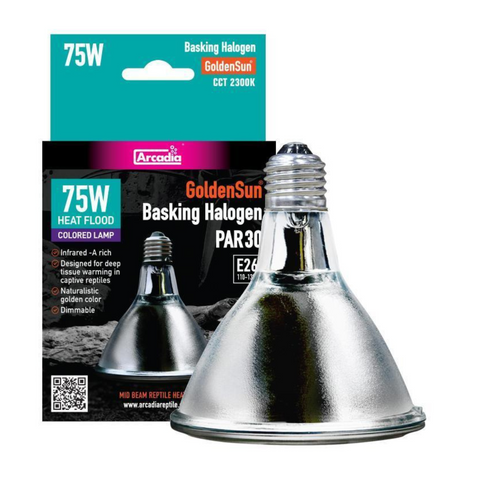
The basking surface temperature should reach 110℉ to 130℉ and some may thrive even up to 150℉. This high basking temperature is critical for proper digestion and metabolic function. Ambient air temperatures on the warm side should remain between 90℉ and 95℉, while the cooler side should range from 80℉ to 85℉ during the day.
Nighttime temperatures can drop to 75℉ to 80℉ but should not fall below 72℉. If additional nighttime heating is required, ceramic heat emitters or radiant heat panels may be used. All heating elements must be connected to a reliable thermostat to prevent overheating. Heat rocks must never be used, as they present a severe burn risk and do not provide appropriate ambient warming.
A 12 to 13 hour photoperiod is appropriate year-round. Minor seasonal adjustments, such as reducing daylight to 11 hours during winter months, may stimulate natural behavioral rhythms but are not strictly required for non-breeding animals. Consistency in the light cycle supports feeding behavior, activity levels, and hormonal health.
Substrate and Enrichment
Nile monitors are strong diggers and benefit from deep, moisture-retentive substrates. A minimum substrate depth of 12 inches is recommended for juveniles, while adults should have 18 to 24 inches in at least one portion of the enclosure to allow for burrowing behavior.
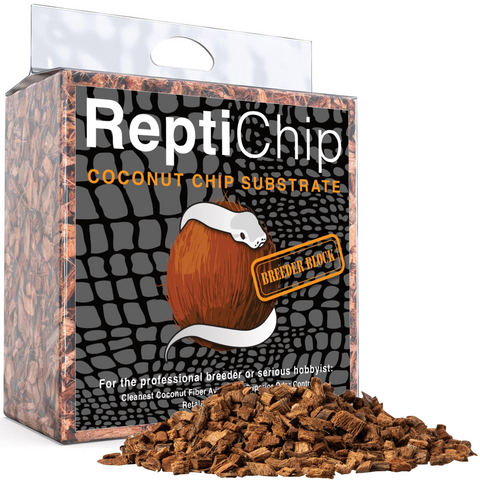
A mixture of ReptiEarth, sand, and ReptiChip coconut chip substrate creates a stable, naturalistic base that retains humidity while maintaining structural integrity. When a finer moisture-retentive component is desired. The addition of ReptiEarth increases humidity retention. The substrate should be kept slightly damp but not waterlogged to prevent mold and bacterial growth.
Reptile carpet is not appropriate, as it prevents natural digging behaviors, retains bacteria, and can damage claws. Fine particulate substrates alone are not recommended due to compaction or ingestion risks.
Environmental enrichment is essential for this intelligent and behaviorally complex species. Rearranging climbing structures periodically stimulates exploration. Whole prey feeding encourages natural foraging behaviors. Logs, elevated ledges, and partially buried tunnels allow for hiding and ambush positions. Large water features encourage aquatic activity and muscle development. Enrichment strategies reduce stress and mitigate pacing or defensive aggression associated with understimulation. Enrichment can come in many forms and is for the stimulation of your animal. The five types of enrichment you can offer are food related, sensory, physical habitat, cognitive, and social. These categories have a vast variety of options to choose from that are appropriate for the species being enriched.
Humidity and Hydration
Nile monitors originate from riparian zones and wetlands and require moderate to high humidity levels. Ambient humidity should be maintained between 60% and 80%, with localized microclimates exceeding 85% within burrows or humid hides.
Humidity can be maintained through deep, moisture-retentive substrate, a large water basin, and routine misting of the enclosure. In most setups, misting once or twice daily is sufficient, though automated misting systems or humidifiers may be used in large enclosures. Humidifiers are particularly useful during nighttime hours when humidity naturally rises, but they should not saturate the enclosure excessively.
A large water basin deep enough for full-body soaking is mandatory. For juveniles, this may be a heavy-duty plastic tub. Adults require a reinforced pond-style pool that allows the animal to submerge completely and turn around comfortably. Water must be changed frequently, as Nile monitors commonly defecate in their soaking area.
Although many individuals will drink standing water, others prefer to lap droplets from surfaces after misting. Regular access to clean water and proper humidity supports healthy shedding, kidney function, and overall hydration. Inadequate humidity often results in retained shed, particularly on toes and tail tips.
Accurate monitoring of environmental conditions is essential. Digital hygrometers with probes should be placed in both the warm and cool sections of the enclosure. Analog dial gauges are frequently inaccurate and should be avoided. Maintaining precise humidity and temperature levels is critical to preventing respiratory illness, dehydration, and metabolic disorders in this demanding species.
Diet & Supplementation
The Nile Monitor is a carnivorous reptile that exhibits a diverse and varied diet in its natural habitat, primarily consisting of small mammals, birds, amphibians, fish, insects, and other invertebrates. Additionally, these formidable hunters have been known to consume eggs, carrion, and occasionally even other reptiles. In the wild, Nile Monitors employ a mix of active foraging and opportunistic predation, often relying on their keen sense of smell and acute visual acuity to locate prey. Heat-sensing abilities are not a primary tool for this species, unlike some of their reptilian counterparts. Instead, they depend on a chemical analysis conducted by their Jacobson's organ, which allows them to detect scent particles in the air, aiding them in tracking down meals.
Seasonal variations can influence the dietary patterns of the Nile Monitor. During wetter months, when amphibians and fish are more abundant, these animals might adjust their preferences to exploit these readily available resources. Younger monitors tend to focus on smaller and more easily caught prey items, such as insects and small vertebrates, aligning with their growing metabolic needs and the practicalities of their size and hunting capabilities. As they mature, their prey range broadens to include larger species due to increased size and hunting experience. This dietary shift not only supports their growth but also accommodates their expanding energy requirements.
In managed care, the dietary management of Nile Monitors must strive to mimic their natural consumption patterns as closely as possible while paying heed to different nutritional needs that can arise. While the variety and abundance of their wild prey can be challenging to replicate exactly, a balanced diet typically includes a mix of rodents, birds, eggs, fish, and insects. Offering whole prey items helps to ensure an appropriate balance of nutrients. Supplemental calcium and vitamins are often necessary, especially for juveniles and breeding females, to prevent nutritional deficiencies like metabolic bone disease. Variability in the diet is crucial to prevent boredom and encourage natural foraging behaviors, which can be replicated through environmental enrichment and hiding food to stimulate natural hunting activity.
Managed Nile Monitors can face certain feeding issues. One common challenge is obesity, often resulting from overly calorific diets combined with insufficient exercise. Feeding eggs and chicks often can be a result of monitors becoming overweight due to the high fat content in the yolks. Monitoring portion sizes and feeding frequency, along with encouraging activity through vivarium design and enrichment, is essential to maintain health. Some monitors may also exhibit food refusal, which could be due to stress, improper environmental conditions, or monotony in their diet. By varying their diet and mimicking their natural feeding times, keepers can stimulate appetite and encourage natural behaviors. Environmental enrichment, such as puzzle feeders or scent trails, can be introduced to replicate natural hunting and foraging behaviors, ensuring the monitor receives both mental and physical stimulation necessary for a healthy captive life.
Reproduction
Nile monitors reach sexual maturity between three and five years of age, depending on growth rate, diet, and environmental conditions. Individuals raised with optimal nutrition and space may mature closer to three years, while slower-growing animals may take longer. The species displays clear sexual dimorphism. Males are generally larger, often exceeding six feet in total length, with more robust heads, thicker necks, and broader tail bases due to the presence of hemipenes. Females are typically smaller and more slender, with narrower heads and less pronounced jowls. During the breeding season, males may exhibit heightened activity, increased roaming within the enclosure, and intensified feeding prior to courtship.
Courtship involves a combination of visual displays, tongue-flicking for chemical assessment, tactile stimulation, and physical alignment. Males actively pursue females, often following closely while tongue-flicking to detect pheromonal cues. Head bobbing, tail positioning, and nudging along the female’s sides are common pre-mating behaviors. If receptive, the female will tolerate prolonged contact and allow the male to align his body alongside hers. Copulation can be prolonged and may appear forceful, as males use their limbs and body weight to restrain females. Incompatible pairings may result in aggressive encounters, so careful monitoring is critical. Outside of the breeding season, adult Nile monitors are generally solitary and may exhibit territorial aggression, especially between males.
Environmental cues play a critical role in stimulating reproductive cycling. In the wild, reproduction is closely linked to seasonal rainfall patterns and corresponding changes in temperature and prey availability. Breeders replicate these seasonal shifts to induce reproductive readiness. A slight reduction in daytime ambient temperatures to approximately 80℉ to 85℉, with basking areas around 100℉, can simulate a “cooler” season when maintained for several weeks. Nighttime temperatures may safely drop to 75℉ to 78℉ during this conditioning phase. Photoperiod reduction to 10 to 11 hours of daylight helps reinforce seasonal change. Humidity should remain moderate, around 50% to 60% percent, during this preparatory period.
After this cooling and photoperiod reduction phase, gradually increasing daytime basking temperatures back to 110℉ to 120℉, with ambient temperatures rising to 85℉ to 90℉ and daylight extended to 12 to 13 hours, helps trigger breeding behavior. Increasing enclosure humidity to 70% to 80℉ percent and providing frequent misting simulates the onset of a rainy season. The introduction of abundant food during this warming phase further supports reproductive conditioning, as increased caloric intake is strongly associated with vitellogenesis in females and sperm production in males.
Nile monitors are oviparous and require mating through direct copulation. Due to their size and strength, breeding should occur in extremely spacious enclosures, ideally custom-built habitats measuring at least eight feet long, four feet wide, and four feet tall for a single pair, though larger spaces exceeding 10 feet in length are strongly recommended. Visual barriers, multiple basking sites, and escape opportunities reduce stress during introduction. Breeders often introduce the female into the male’s enclosure during peak conditioning, though some find success introducing the male into a neutral space. Continuous supervision during initial encounters is essential to prevent injury.
A deep, diggable substrate is essential even before egg deposition, as females often begin exploratory digging behaviors during courtship or shortly after mating. Substrate depth should be at least 18 to 24 inches and composed of a soil-sand mixture capable of holding structural integrity when tunneled. While actual egg deposition is beyond the scope here, the presence of appropriate nesting substrate is strongly correlated with successful mating and reduced female stress.
Breeding challenges in human care are common. One of the most significant obstacles is aggression between incompatible individuals. Large males may injure smaller females if introductions are rushed or if environmental space is inadequate. To mitigate this risk, animals should be raised separately, introduced only after proper seasonal cycling, and closely observed during all interactions. Providing multiple basking zones and hiding spaces allows subordinate individuals to withdraw. If persistent aggression occurs, separation is necessary.
Another common issue is reproductive failure due to improper environmental conditioning. Without seasonal temperature shifts and humidity changes, monitors may not enter a reproductive state. Chronic exposure to excessively high basking temperatures year-round can suppress natural cycling. Conversely, insufficient heat or inadequate ultraviolet lighting can impair hormone production and overall reproductive health. Correcting these issues requires strict environmental monitoring with calibrated thermometers, hygrometers, and high-output UVB lighting replaced at manufacturer-recommended intervals.
Nutritional status also directly affects fertility. Females with inadequate calcium intake or insufficient caloric reserves may not develop follicles properly. Males maintained on low-protein or imbalanced diets may exhibit reduced sperm viability. A varied diet consisting of appropriately sized whole prey items supports optimal reproductive health. Obesity, however, can also impede breeding success, so body condition should be carefully managed.
Stress is another major barrier. Nile monitors are intelligent and highly reactive to disturbances. Excessive handling, enclosure traffic, or cohabitation outside the breeding window can elevate stress hormones and suppress reproductive cycling. Maintaining visual barriers, minimizing unnecessary interaction, and providing stable environmental parameters greatly improves breeding outcomes.
Successful breeding of Nile monitors depends on replicating natural seasonal transitions, maintaining precise environmental control, ensuring excellent nutrition, and carefully managing pair compatibility. When these factors are properly addressed, the species can reproduce reliably in captivity, though the process requires experience, space, and close behavioral observation.
Incubation & Neonate Care
Nile monitors are oviparous reptiles, meaning they reproduce by laying eggs externally rather than giving live birth. In the wild after successful mating, females develop and lay a clutch of eggs, often selecting secure nesting sites such as termite mounds, earthen burrows, or deeply excavated chambers in moist soil. In human care, careful planning and environmental management are essential to support proper follicle development, oviposition, and successful incubation.
Following copulation, the gestation period prior to egg laying generally ranges from 30 to 60 days, depending on temperature, nutrition, and the individual female’s physiology. Gravid females display notable changes in behavior, including increased basking to support embryonic development, decreased appetite as the clutch enlarges, and persistent exploratory digging behavior as they search for an appropriate nesting site. It is critical to provide a deep nesting area within the enclosure, ideally a laying box measuring at least two feet long and one to two feet deep, filled with a moist but not waterlogged mixture of organic topsoil and sand. The substrate must hold its shape when squeezed but should not drip water. Inadequate nesting options frequently result in egg retention, a potentially fatal condition requiring immediate veterinary intervention.
Clutch size in this species can range from 20 to over 50 eggs in well-conditioned females. The eggs are elongated, leathery, and prone to desiccation if not maintained in proper humidity. Once laid, eggs should be carefully excavated without rotation, as turning the egg can detach the developing embryo from the inner membrane during early stages. The eggs should then be transferred to an incubator.
Optimal incubation temperatures range between 86℉ and 90℉. Temperatures below 84℉ may significantly prolong incubation and increase the risk of developmental failure, while temperatures above 92℉ may lead to embryo mortality or malformations. Incubation humidity should be maintained between 80% and 90%. A suitable incubation medium includes vermiculite or perlite mixed with water at a ratio that produces a slightly damp but not saturated substrate. Eggs are typically half-buried in the medium to allow adequate gas exchange.
The incubation period for Nile monitor eggs generally ranges from 140 to 180 days, depending on temperature stability. Higher stable temperatures within the safe range tend to shorten incubation time. While temperature-dependent sex determination has not been strongly characterized in this species as in some other reptiles, incubation temperature may influence sex ratios to some degree. Maintaining consistent temperatures without significant fluctuation is critical to maximizing hatch rates and neonate viability.
As hatching approaches, eggs may visibly dent or collapse slightly, which is normal as the embryo absorbs the remaining yolk. Neonates use an egg tooth to slit the shell, a process referred to as pipping. This may take several hours to over a day. Hatchlings commonly remain partially inside the egg while absorbing residual yolk material before fully emerging. Intervention should be avoided unless a hatchling is clearly in distress, as premature removal can result in unabsorbed yolk sacs and life-threatening infection.
Adult Nile monitors provide no parental care. In the wild, hatchlings disperse immediately after emergence to avoid predation, including from adult monitors. In captivity, neonates must be removed from the incubation container and housed separately from adults and even from larger juveniles. Cannibalism is a genuine risk if size disparities exist.
Newly hatched Nile monitors typically measure between 10 and 12 inches in total length. They are alert, highly defensive, and fast-moving from birth. Neonate enclosures should provide secure containment with ample hiding spots, climbing branches, and a shallow water dish large enough for soaking but shallow enough to prevent drowning. For the first several months, a properly ventilated enclosure measuring at least 3 feet long, 18 inches wide, and 18 inches tall is appropriate for small groups or individual housing, though individual housing is preferred to prevent competition and stress.
Ambient daytime temperatures should range from 85 to 88 degrees Fahrenheit, with a basking area of 110℉ to 120℉ to support digestion and immune development. Nighttime temperatures may safely drop to 75℉ to 80℉. Humidity should be maintained between 60% and 80%, with regular misting to prevent dehydration and dysecdysis. Adequate ventilation is equally important, as stagnant air can predispose neonates to respiratory infections.
Hatchlings usually shed for the first time within 7 to 14 days. Feeding can begin once the yolk sac is fully absorbed and the first shed has occurred, although some individuals will accept food earlier. Initial prey items should be appropriately sized insects such as crickets, roaches, black soldier fly larvae, and silkworms. Food items must be no wider than the space between the hatchling’s eyes. As they grow, pinky mice and finely chopped whole-prey items can be gradually introduced to ensure balanced calcium and phosphorus intake. All insect prey should be gut-loaded and lightly dusted with calcium supplements several times per week.
Hydration is critical for neonates. In addition to access to clean water for soaking, daily light misting supports proper hydration and shedding. Signs of dehydration include wrinkled skin, lethargy, and sunken eyes. Frequent monitoring during the first three months is essential, as neonates are particularly sensitive to husbandry errors.
Handling of neonates should be minimal and deliberate. Early experiences strongly influence defensive behavior later in life. Gentle, brief interactions focused on calm restraint rather than forced contact help reduce chronic stress. However, repeated excessive handling during the first weeks can suppress immune function and reduce feeding response.
Common neonatal health concerns include retained shed, metabolic bone disease from improper lighting or diet, dehydration, and internal parasitism if wild-caught feeders are used. High-output UVB lighting must be provided from the start to support proper calcium metabolism and skeletal development.
With precise incubation parameters, careful monitoring of gravid females, and attentive neonate husbandry, captive breeding of Nile monitors can be successful. However, the species’ large adult size, rapid growth, and complex environmental needs demand long-term planning well before reproduction is attempted.
Conclusion
In conclusion, the Nile monitor is an extraordinary reptile that exemplifies adaptability, intelligence, and ecological significance within its native habitats across sub-Saharan Africa. As one of the largest lizards in Africa, it undergoes a remarkable transformation from its vulnerable juvenile stage to a formidable apex predator. Its successful survival in diverse environments is due to its behavioral flexibility, physical prowess, and ecological adaptability, particularly its reliance on aquatic systems.
Ultimately, keeping Nile monitors is a significant commitment that demands thorough preparation, detailed attention to their complex husbandry and behavior, and a willingness to adapt and learn continuously. Despite their challenges, when maintained under optimal conditions, Nile monitors can thrive and exhibit their natural behaviors, providing a rewarding experience for dedicated keepers.