Natural History
The Chahoua gecko, native to the humid forests of New Caledonia, follows a life cycle that reflects its tropical environment and arboreal lifestyle. This species can live for 15 to 20 years, with some individuals exceeding two decades when husbandry is optimal.
Behaviorally, Chahoua geckos are crepuscular, becoming active at dusk and remaining so throughout the night. They are adapted to a fully arboreal lifestyle, spending the majority of their time in the mid to upper canopy, where they navigate with strong limbs, prehensile tails, and specialized toe pads that allow for vertical climbing and jumping between branches. While not highly aggressive, these geckos are territorial, especially males.
Ecologically, the Chahoua gecko plays a multifaceted role in the forest systems of New Caledonia. As mid-level predators, they help control populations of insects and other small invertebrates, thus contributing to natural pest regulation. Their frugivorous tendencies make them likely agents of seed dispersal, as undigested seeds may be expelled elsewhere in the forest, promoting plant diversity and regeneration. Predators of Chahoua geckos include tree-dwelling snakes, birds of prey, and introduced mammalian species, such as rats and feral cats, which pose a significant threat to native reptile species on the islands.
Adaptations that support their survival include highly cryptic coloration, ranging from mossy greens and browns to more reddish hues, which helps them blend seamlessly with tree bark and lichen-covered surfaces. This camouflage is complemented by their ability to remain still for extended periods, making them nearly invisible to predators. Their semi-prehensile tails serve both as a stabilizing third limb while moving and as an emergency defense through tail autotomy. Though they lose a portion of balance and grip strength when the tail is shed, regeneration is possible, albeit typically resulting in a shorter, blunter appendage.
Understanding these biological and ecological characteristics is essential for appreciating the Chahoua gecko's needs. Their behaviors and physiological traits directly influence how they should be housed, fed, and handled, underscoring the importance of replicating their natural environment as closely as possible for long-term health and well-being.
Conservation Status
The Chahoua gecko is currently classified as "Vulnerable" on the IUCN Red List, based on the most recent assessment conducted in 2017. A classification that indicates this species faces a higher risk of extinction in the wild in the intermediate future. The population trend for this species is listed as "Decreasing." This status reflects a combination of factors including restricted geographic distribution, observed population declines, and the continuing degradation of its habitat. Though the species persists in parts of New Caledonia, its widespread and steady contraction underscores serious conservation concerns. The designation serves as a warning that without adequate conservation actions, this gecko may shift into a higher risk category, potentially becoming "Endangered."
The primary threat to the Chahoua gecko in the wild is ongoing habitat loss and fragmentation, particularly due to human activity such as logging, mining, and agricultural expansion. Much of its native habitat in southern and central New Caledonia consists of humid montane forest, which has been degraded over the years by deforestation and soil erosion. These disruptions reduce available tree canopy cover, which is essential to the gecko's survival.
In addition to habitat disturbances, invasive species such as rodents and feral cats pose significant predation risks, especially to juveniles and eggs. Introduced ants have also been reported to negatively impact forest ecosystems in New Caledonia, which indirectly affects the gecko’s insect prey base and breeding success. Climate change, through shifts in temperature and rainfall patterns, further compounds these threats by altering the delicate microclimates this species depends on for thermoregulation and reproduction.
Illegal wildlife collection is another contributing factor. Though the Chahoua gecko has been successfully bred in human care and is relatively established in the pet trade, wild populations remain vulnerable to overcollection, especially when demand increases due to color morph fluctuations or market trends favoring wild-caught individuals perceived as genetically superior.
Conservation programs focused on the Chahoua gecko involve a multipronged approach. Much of its habitat lies within legally protected reserves in New Caledonia, such as the Rivière Bleue and Mont Humboldt areas, which serve as critical refuges for the species. These protected zones play a vital role in maintaining stable population clusters and safeguarding biodiversity.
Efforts to manage and reduce habitat destruction in New Caledonia are ongoing, with local and international conservation organizations collaborating to develop sustainable land-use practices and enforce stricter logging regulations. Habitat restoration projects, including reforestation with native plant species, aim to rehabilitate previously degraded areas that could support gecko populations in the future.
Breeding programs have proven vital in preserving the Chahoua gecko's genetic diversity. Breeding initiatives managed by accredited zoological institutions and experienced reptile keepers have successfully maintained self-sustaining populations, which act as a safeguard against total loss in the wild. Although there are no large-scale documented reintroduction programs for this species at present, the stable managed population could serve as a foundation for future reinforcement efforts if wild populations continue to decline.
Legal protections under New Caledonian and international law further support the species’ long-term prospects. Export of wild-caught individuals is generally restricted or prohibited, and regulations under global wildlife trade agreements such as CITES help deter illicit trade. Effective conservation of the Chahoua gecko will ultimately depend on continued habitat preservation, community engagement in sustainable development, and cooperation between local governments and global conservation bodies to ensure that this unique arboreal gecko remains a part of New Caledonia’s natural heritage.
Native Range
The Chahoua gecko is native to the island nation of New Caledonia in the southwestern Pacific Ocean. Its distribution is relatively restricted compared to other gecko species, limited exclusively to this archipelago. Within New Caledonia, the Chahoua gecko is found primarily on the main island of Grande Terre and the Isle of Pines, as well as in some smaller surrounding islands. This species has a patchwork distribution, often confined to specific regions with suitable vegetation and geology. Because of this limited range and island endemism, its populations are considered fragile and vulnerable to environmental changes and introduced species.
The macrohabitat of the Chahoua gecko consists mainly of humid, subtropical forests, particularly those that are relatively undisturbed and contain mature canopy cover. These forests are typically composed of dense, evergreen vegetation, with a rich and complex understory. The geckos are arboreal, favoring the vertical complexity offered by multilayered forest systems. Within these forests, their microhabitats include lichen and moss covered tree trunks, hollows in dead or decaying trees, and forks between branches where leaf litter and humidity collect. They are often found clinging to bark or hiding among dense foliage, utilizing their cryptic coloration to blend into the surrounding vegetation. The species is especially associated with trees that provide softwood or cavities, which are important for shelter and egg laying.
Climatically, the Chahoua gecko thrives in warm, humid environments characterized by relatively stable annual temperatures and high rainfall. Daytime temperatures in their native habitat generally range from 72°F to 84°F throughout the year, with nighttime lows rarely dropping below 65°F, even during cooler months. Humidity levels are consistently high, typically ranging between 70% and 90%, especially during the wet season. Annual precipitation is abundant, often exceeding 100 inches per year, with a pronounced wet season from November to April, coinciding with warmer temperatures and higher activity levels. The dry season, from May to October, brings slightly cooler and drier conditions but is still moist and temperate by global standards. Seasonal shifts influence the gecko's behavior, with increased feeding, breeding, and activity occurring during the wetter months.
In terms of elevation, the Chahoua gecko inhabits primarily lowland to mid-elevation forests, generally from sea level up to around 3,000 feet above sea level. It tends to favor areas where elevation allows for consistently high humidity and minimal temperature fluctuation. These elevations also support the unique vegetation types and microclimates on which this species depends.
Key environmental factors essential to the Chahoua gecko’s survival include the presence of continuous canopy cover, which maintains humidity and provides shelter and foraging opportunities. Proximity to water sources such as seasonal streams or areas of frequent rainfall is important for hydration and maintaining the ambient moisture levels required for skin health and shedding. The gecko shows a preference for trees with rough bark and abundant epiphytes, which offer concealment as well as support a rich community of invertebrate prey. Forests growing on karst limestone substrates are sometimes part of their habitat, though the species is not exclusively restricted to this terrain. Overall, undisturbed forest environments with structurally diverse vegetation, steady moisture, and vertical surfaces for climbing and hiding are critical to the Chahoua gecko’s natural ecology.
Behavior
The Chahoua gecko is a crepuscular species, showing peak activity during dawn and dusk hours. In the wild, it occupies montane and tropical forests on the islands of New Caledonia, where dense vegetation and high humidity provide cover and foraging opportunities. Its activity is driven largely by changes in temperature and light availability. During the cooler dry season, activity may decrease slightly, but unlike some temperate reptiles, the Chahoua gecko does not undergo true brumation. However, a mild seasonal slowdown is observable, even in managed care, especially if photoperiod and ambient temperatures are adjusted to mimic natural fluctuations. During the breeding season, which typically corresponds with the warmer, wetter months, behavior becomes more pronounced, with increased locomotion, vocalization, and social interaction.
This gecko is primarily solitary, though it can tolerate the presence of conspecifics in overlapping territories in the wild. In human care, housing them communally, particularly adults, should be done with caution. Males tend to be territorial, especially during the breeding season, and will display aggressive behaviors such as tail waving, vocalizations, and biting to establish dominance or defend access to a receptive female. While not a species that forms hierarchical groups, males may develop temporary dominance structures within confined environments. Courtship involves a series of tactile and auditory signals, with males often vocalizing softly and gently nudging or licking the female to initiate mating.
Environmental stimuli play a significant role in the Chahoua gecko’s behavior. It is highly responsive to light cycles, and irregular photoperiods can result in erratic activity or stress-related behaviors. Sudden drops in temperature, below 68°F, can result in lethargy and reduced appetite, while overly high temperatures, above 84°F, can trigger heat avoidance such as hiding, decreased movement, and gaping behavior as a means of evaporative cooling. Humidity levels influence not only hydration and shedding but also feeding behavior; optimal foraging occurs when ambient humidity is maintained between 60% and 80%. Chahoua geckos possess keen vision adapted for low-light conditions and detect prey primarily through movement. They exhibit a sit-and-wait hunting strategy, snapping at insects when they pass within range. They also possess a strong sense of smell and chemical detection, which helps them identify prey, mates, and rivals. When faced with predators or perceived threats, they may employ several defensive tactics including dropping the tail, sudden fleeing locomotion using strong prehensile limbs, or coloration-based camouflage, blending into lichens and bark surfaces. Some individuals also vocalize a series of barking or clicking sounds when stressed or threatened.
One of the most distinctive behavioral features of the Chahoua gecko is its semi-prehensile tail, which it uses for balance and grip while navigating vertical or arboreal surfaces. Unlike many geckos, which lose their tail and regenerate only a small stub, the Chahoua gecko’s tail regrowth is more complete and functional, though the original tail is rarely matched aesthetically. They also show a unique behavior called “barking”, a vocalization believed to serve both as a territorial signal and a response to stress. Additionally, these geckos exhibit notable climbing ability due to lamellae pads on their toes and tail tip, allowing them to maneuver across smooth vertical and overhanging surfaces with precision.
In managed care, the behavioral repertoire of the Chahoua gecko closely mirrors that of its wild counterparts, but certain differences are notable due to environmental constraints. Feeding behavior may shift with some individuals becoming more sedentary and reliant on scheduled feeding rather than active hunting. This can lead to reduced stimulation unless enrichment is provided through live prey or variable food presentation. Aggression between males may be more frequent or severe in confined enclosures, and stress behaviors, such as glass surfing, vocalizations, or tail dropping can be more readily triggered by poor husbandry, lack of hiding areas, or inconsistent temperature and humidity levels. However, well-managed environments that simulate natural conditions with appropriate microhabitats, lighting schedules, and stimulation tend to support natural behavior patterns, including climbing, basking, courtship, and calling.
Overall, the Chahoua gecko is an intelligent and engaging species, capable of forming routines and exhibiting a broader behavioral diversity under human care than many gecko species when provided with optimal care and environmental enrichment.
Husbandry Requirements
Enclosure Design
Chahoua geckos, native to the humid forests of New Caledonia, are arboreal reptiles that require vertical space and a structurally complex environment to thrive. For juvenile Chahoua geckos, a minimum enclosure size of 18 inches wide by 18 inches deep by 24 inches tall is appropriate. As they reach adulthood, the enclosure should be upgraded to a size no smaller than 24 inches wide, 24 inches deep, and 36 inches tall. However, larger enclosures are always beneficial, especially for displaying normal climbing, jumping, and territorial behaviors.
Given their humidity needs and climbing lifestyle, an enclosure made of glass or sturdy PVC is preferable. Glass enclosures allow for high humidity retention and adequate visibility, while PVC enclosures are lightweight, highly durable, and great at maintaining ambient conditions. Whichever material is chosen, the enclosure must include sufficient ventilation to allow for airflow and prevent mold buildup. This is best achieved through front and top cross-ventilation panels or a well-vented mesh top.
The layout should replicate the Chahoua gecko’s natural forest environment. Vertical climbing structures made from cork bark, natural branches resistant to mold, and textured backgrounds should be provided throughout the vertical and horizontal planes. Multiple hides, placed at varying heights and orientations, are essential for giving the gecko options to escape view and regulate body temperature. At least one elevated hide and one low-level hide should be included. A basking platform close to the heat source must be secure and non-abrasive. Additional features such as hollow logs, bamboo tunnels, and horizontal perches will increase environmental complexity and reduce stress.
All enclosure access points should be securely latched, as Chahoua geckos are strong climbers and capable of subtle escapes. Use locks or sliding door mechanisms that animals cannot dislodge. Ensure all screen tops, if used, fit tightly to prevent gaps where a gecko could push through or injure itself.
Lighting and Heating
Chahoua geckos benefit from UVB exposure, even though they are crepuscular and spend much of the day hidden. A 5% UVB linear fluorescent tube, such as a T5 HO bulb, mounted outside the enclosure and not more than 12 inches from basking areas, is ideal. The bulb should be housed in a reflective fixture and positioned above or near climbing structures where the gecko may bask. Mesh covers between the UVB bulb and gecko should be avoided or minimized, as they reduce UVB output.
Temperature gradients are critical for thermoregulation. The basking area should be maintained between 82°F and 86°F, using a low-wattage heat emitter or overhead ceramic heat lamp. These should always be connected to a reliable thermostat to prevent overheating. Ambient enclosure temperatures should rest between 72°F and 78°F during the day, with a nighttime drop between 65°F and 72°F. Avoid temperatures above 88°F, as Chahoua geckos are sensitive to overheating and may become stressed or ill in excessively warm conditions.
Maintain a consistent photoperiod of 12 hours of light and 12 hours of darkness. During winter months, this may be adjusted slightly to mimic natural seasonal shifts, for example reducing light exposure to 10 hours in winter and increasing to 14 hours in summer. Subtle seasonal changes in lighting and temperature can encourage natural biological rhythms, including breeding behaviors in mature adults.
Substrate and Enrichment
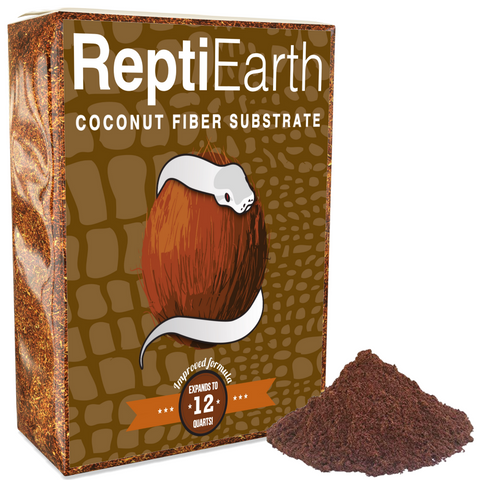
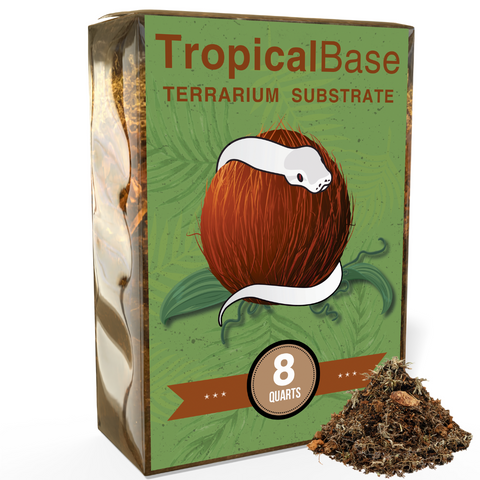
A suitable substrate has to balance moisture retention, natural feel, and safety. The best options for Chahoua geckos include naturalistic bioactive substrates or premixed products designed to hold humidity while being resistant to compaction. A premium option includes products like ReptiChip’s ReptiEarth or TropicalBase and leaf litter. These substrates provide a naturalistic environment, promote healthy humidity levels, and are easy to maintain when spot-cleaned regularly.
Avoid substrates like sand or loose coconut husk alone, which can lead to impaction if ingested. Reptile carpet should also be avoided due to hygiene issues and the lack of tactile enrichment it provides. For keepers who prefer minimalistic enclosures, paper towels can be used temporarily, such as during quarantine, but they are not recommended for long-term housing due to the lack of enrichment.
Enrichment is essential to the overall health and well-being of a Chahoua gecko. These geckos are slow-moving but incredibly agile, relying on rough surfaces and branches to climb and explore. Arborial enrichment such as horizontal and vertical branches, cork bark tubes, vines, and magnetic or suction-cup ledges should be used to promote climbing and exploration. Provide natural or artificial foliage for visual barriers and hiding places. Hides made from cork flats, hollow logs, or foam walls allow climbing while offering security. Enrichment can come in many forms and is for the stimulation of your animal. The five types of enrichment you can offer are food related, sensory, physical habitat, cognitive, and social. These categories have a vast variety of options to choose from that are appropriate for the species being enriched.
Chahoua geckos enjoy exploring their environment, and regularly rotating or repositioning enclosure décor can stimulate natural curiosity. While they do not dig extensively, adding leaf litter atop the substrate provides opportunities for foraging and encourages natural movement patterns.
Humidity and Hydration
Chahoua geckos require moderate to high humidity levels, ideally maintained between 60% and 80%. Humidity can drop slightly at times to allow for a natural ebb and flow, but levels should not consistently stay below 55%. Maintaining appropriate humidity is vital for healthy skin, successful shedding, and respiratory well-being.
Daily misting is the most direct method for maintaining humidity. Mist the enclosure at least once to twice per day using dechlorinated water, focusing on evening hours when the gecko becomes most active. Use a fine mist, and allow the enclosure to dry slightly before misting again to prevent microbial growth. Automated misting systems or humidifiers may be used but require programmable timers and must be carefully calibrated to avoid over-saturation.
Substrates like ReptiEarth or TropicalBlend retain humidity well and should be kept damp but not wet. Adding sphagnum moss to hides or creating small humidity chambers with sealed containers lined with damp moss and a secure entry hole can help geckos self-regulate moisture exposure during sheds. These moist retreats are particularly beneficial during dry winter months or in climates with low ambient humidity.
Proper hydration must be provided through multiple avenues. Always provide a clean, shallow water dish on the enclosure floor, ideally checked and refilled daily. These geckos frequently drink water droplets from leaves, enclosure walls, and decorations following misting. Observing this behavior is a good indicator of hydration status. In regions with hard tap water, consider using filtered or bottled spring water to reduce mineral buildup and exposure to chlorine or heavy metals.
Humidity levels should be closely monitored using a reliable digital hygrometer placed at mid to upper enclosure levels where humidity fluctuates most. Analog gauges are generally less accurate and not recommended. By controlling misting frequency, ensuring adequate airflow, and using humidity-retentive substrates, keepers can create a stable and healthy microclimate within the enclosure for this sensitive species.
Diet & Supplementation
In its native range of New Caledonia, the Chahoua gecko is primarily an omnivore, feeding on a varied diet that includes a mix of live animal prey and plant-based food. In the wild, their carnivorous intake consists mainly of a variety of invertebrates such as moths, crickets, beetles, grasshoppers, and caterpillars. They may also opportunistically consume smaller vertebrates, such as hatchling lizards or small frogs, especially when insect prey is less abundant. On the herbivorous side, these geckos frequently feed on soft fruits, nectar, and pollen, particularly from native flowering plants and fruit-bearing trees. Their ability to derive nutrients from both plant and animal sources is a key trait that reflects their omnivorous feeding strategy and ecological adaptability in New Caledonia’s moist forests.
The Chahoua gecko primarily uses visual and chemical cues to locate food. As nocturnal hunters, they rely heavily on vision facilitated by their large eyes, which are well-adapted for low-light conditions. Their tongues assist in chemoreception by collecting scent particles and transferring them to the vomeronasal organ in the roof of the mouth, helping to detect prey and ripened fruit. Unlike some predatory reptiles, Chahoua geckos are not ambush predators nor do they use constriction or venom. Instead, they are slow-moving active foragers. They explore their environment carefully and often stalk prey before making a sudden pounce. This behavior is especially efficient for capturing mobile insects that may be hiding among foliage or beneath bark.
Seasonal and age-related dietary shifts are well-documented in this species. Juveniles have higher protein requirements due to their rapid growth rates and will typically consume more insect prey relative to plant matter. As they mature into adulthood, the proportion of fruit and nectar in the diet increases, though animal prey remains an important source of protein and fats. Seasonal variability in the wild can also influence their feeding behavior; during cooler or drier months when insect populations may be lower, they may rely more heavily on fruit and floral resources.
Replicating the wild dietary diversity of the Chahoua gecko can be challenging but is critical for maintaining long-term health. A well-balanced diet should consist of a commercially formulated fruit-based gecko diet, which includes blended fruits, proteins, vitamins, minerals, and sometimes protein. These formulations are specifically designed to meet the nutritional needs of New Caledonian geckos and should be a dietary staple. However, supplementation with live insect prey such as gut-loaded crickets, dubia roaches, silkworms, and black soldier fly larvae is essential, especially for juveniles, breeding females, or individuals recovering from illness. All insect prey should be dusted with calcium powder and multivitamin supplements on a weekly or biweekly basis, as inadequate calcium intake can lead to metabolic bone disease. Using calcium powder with vitamin D3 while using UVB bulbs can cause toxicity by excessive calcium absorption causing calcification of organs.
One of the most common feeding problems is food refusal, particularly in new acquisitions or during seasonal changes that mimic the gecko’s natural environmental rhythms. Offering a variety of insects, providing fruit puree mixtures as enrichment, and maintaining proper enclosure temperatures can help stimulate appetite. Obesity is another issue, usually the result of overfeeding calorie-dense commercial diets without sufficient exercise or adequate insect prey rotation. Conversely, malnutrition can occur if keepers rely solely on fruit blends without supplementing with live prey or fail to provide appropriately balanced supplementation.
To encourage natural feeding behaviors, environmental enrichment is highly beneficial. This may include allowing geckos to hunt live prey in the enclosure, hiding food in foliage or among branches, and offering fruit or nectar in varied textures and locations to simulate foraging. Offering different types of feeder insects on a rotating basis, along with occasional treats like mashed banana or mango, supports nutritional diversity and mirrors the varied foraging behavior seen in the wild. Establishing a consistent feeding schedule, every other day for adults and daily for juveniles, helps regulate metabolism and supports healthy growth and reproduction.
Understanding the diet and feeding behavior of the Chahoua gecko, both in nature and human care, is essential for successful husbandry. By closely mimicking their natural dietary patterns and providing a diverse, nutritionally complete menu, keepers can ensure optimal health, longevity, and natural behavior expression in this unique and captivating gecko species.
Reproduction
Chahoua geckos reach reproductive maturity between 18 and 24 months of age, though size and body condition are more reliable indicators of breeding readiness than age alone. Mature males typically develop noticeable hemipenal bulges and a broader tail base, while females maintain a more slender caudal profile. Sexual dimorphism is subtle but present, with females often being slightly larger in overall body mass. Mating behaviors include a brief courtship period where the male exhibits investigative behaviors such as nudging, licking, and following the female. Gentle biting on the neck and flanks is common during courtship, and successful copulation usually takes place shortly afterward if the female is receptive. Rejection behaviors, such as tail whipping, vocalizations, or fleeing, typically occur if the female is not receptive, which can lead to stress or injury if pairing is not carefully managed.
Chahoua geckos are highly responsive to seasonal environmental cues, and successful breeding depends on replicating these cycles in captivity. A brumation-like period during the winter months is often beneficial to stimulate reproductive readiness. This involves gradually reducing the ambient temperature to around 68°F to 70°F for a period of six to eight weeks while decreasing the photoperiod to 10 hours of daytime light and 14 hours of darkness. Relative humidity should also be lowered slightly during this period to mimic natural seasonal dryness. Following this simulated winter period, temperatures are gradually increased to the standard daytime range of 74°F to 80°F with a nighttime drop to approximately 68°F to 70°F. The photoperiod is extended to 12 to 14 hours of daylight, and ambient humidity is raised to approximately 70% to 80% through more frequent mistings. These environmental changes align with their native habitat's breeding season and act as signals for the geckos to begin reproductive behaviors.
Chahoua geckos are oviparous, meaning they lay eggs rather than give live birth. Females usually deposit a clutch of two eggs every 30 to 45 days during the breeding season, which typically lasts from early spring through late summer. Successful copulation requires the animals to be in proper physical condition and housed in a stress-free environment. Although they can sometimes be kept in social pairs, males can exhibit aggression if housed with unreceptive females or under improper environmental conditions, so supervised introductions are crucial. Short-term pairing during the breeding season, followed by separation, tends to produce the best results and minimizes stress-related complications. Breeding occurs best when animals are housed in enclosures no smaller than 18 inches tall and 24 inches long, with plenty of vertical climbing surfaces and secluded areas to promote naturalistic behaviors and reduce territorial disputes. Secure nesting sites are essential for egg laying. Females will seek secluded areas with adequate substrate depth and moisture. Providing a laying box filled with a moist mix of organic soil and sphagnum moss encourages proper deposition and reduces egg retention risks.
One of the main challenges in breeding Chahoua geckos is selecting compatible pairs. Incompatible geckos may fail to breed or display aggression. In such cases, it is advisable to try different pairings. Another common obstacle is environmental insufficiency, failure to mimic seasonal changes can disrupt reproductive cycles. Females that are not provided adequate calcium and nutrient supplementation may also suffer from egg-binding, a life-threatening condition. To prevent this, ensure a calcium-rich diet is provided, especially during the breeding season. Chronic stress due to handling, overcrowded conditions, or lack of environmental enrichment can also lead to reproductive failure. Creating a spacious, richly vegetated enclosure that mimics their native New Caledonian environment, complete with cork bark, live plants, and vertical climbing opportunities, can significantly reduce stress and promote breeding behavior. Regular observation combined with environmental fine-tuning and proper pairing strategies will maximize the likelihood of successful captive reproduction in this species.
Incubation & Neonate Care
The Chahoua gecko is an oviparous species, meaning it reproduces by laying eggs rather than giving live birth. Females typically produce clutches of two eggs approximately every four to six weeks during the breeding season, which may extend over several months in captivity under the appropriate photoperiod and temperature conditions. These geckos exhibit communal nesting in the wild, often laying in moist, protected locations. Suitable nesting areas must be provided, such as containers filled with a damp substrate like sphagnum moss, coconut coir, or a soil-vermiculite mix. The substrate should be kept evenly moist, not wet, to encourage successful egg deposition and prevent desiccation or mold growth.
Once laid, eggs should be carefully removed from the enclosure and placed into an incubator with a stable environment. The optimal incubation temperature for Chahoua gecko eggs is between 72°F and 78°F. Lower incubation temperatures generally result in longer developmental periods, often approaching 120 to 150 days. While there is limited evidence of temperature-dependent sex determination in this species, maintaining consistent temperatures within the optimal range is vital to maximizing hatch rates and preventing developmental abnormalities. Relative humidity within the incubation container should be maintained between 70% and 90%, which can be achieved by using a damp substrate and ensuring a good seal on the incubation container. Ventilation should be minimized but not eliminated to reduce the risk of fungal growth while still allowing gas exchange.
The hatching process begins as the fully developed neonate uses an egg tooth, a temporary structure, to slice through the eggshell. This process can take several hours and may appear intermittent, as the hatchling may rest between efforts to emerge. Hatchlings typically exit the egg unaided, and it is important not to interfere unless complications arise, such as evident weakness or prolonged unresponsiveness. Egg binding, a condition in which the female is unable to pass her eggs, can occur under stressful conditions or with poor husbandry. To prevent egg binding, ensure that adult females have access to adequate calcium supplementation and a proper laying site, and reduce handling during gravidity.
Once neonates have hatched, they should be removed from the incubation container within 24 hours and placed into a separate, appropriately sized enclosure. Keeping neonates separate from adult geckos is critical to avoid accidental injury or cannibalism. A simple enclosure of about 12 inches long, 12 inches wide, and 18 inches tall is suitable for a hatchling or a small group of clutch-mates, assuming they are evenly sized. The enclosure should include vertical climbing structures, small hiding spots, and foliage to create a secure environment. Humidity should be maintained between 60% and 80%, mimicking their native humid forest environment, and daily misting is recommended to promote healthy shedding and hydration. Daytime temperatures should be maintained around 75°F to 78°F, with a nighttime drop to 68°F to 72°F.
Neonates may not accept food immediately after hatching, most will begin feeding within three to seven days once their yolk sac is fully absorbed and their first shed is complete. Their first meals should consist of appropriately sized feeder insects such as pinhead crickets or fruit fly larvae, dusted with calcium and vitamin D3. Commercially available gecko diets can also be offered, preferably in a shallow dish easily accessible to the hatchlings. Feeding should occur every other day, with close monitoring to ensure each neonate is eating and developing normally. Hydration is essential, as hatchlings may prefer to drink droplets from misted leaves and surfaces rather than from standing water. Common health concerns during this stage include dehydration, nutritional deficiencies, and impaction from substrate ingestion. A bioactive or bare-bottom environment is often safer for early life stages.
Handling of neonates should be minimized during the first few weeks to reduce stress and prevent injury. Their skin is delicate, and their stress threshold is low, so any necessary handling should be quick, gentle, and limited to essential health checks. Monitoring growth rates, shedding frequency, and appetite is critical to catching potential issues early. With proper care, Chahoua gecko hatchlings can be robust, resilient animals that thrive through their gradual development to adulthood.
Conclusion
Caring for the Chahoua gecko requires a deep understanding of its natural behaviors, physiological needs, and ecological background. As an endemic species of New Caledonia’s humid forest systems, this gecko has evolved to thrive in warm, moisture-rich environments with abundant vertical habitat. Its complex behaviors, omnivorous diet, and sensitivity to environmental conditions must be carefully replicated in a captive setting to ensure long-term health and well-being.
Successful husbandry of this species hinges on the careful design of an enclosure that prioritizes vertical space, humidity control, and thermal gradients. A bioactive setup with layered climbing structures, natural hides, and ample ventilation not only meets the gecko’s biological needs but also fosters natural behaviors such as nocturnal foraging, territorial exploration, and seasonal breeding responses. Providing consistent UVB lighting, appropriate basking temperatures, and a seasonally-adjusted photoperiod supports both metabolic function and reproductive cycling.
Ultimately, the Chahoua gecko is a rewarding and fascinating species for experienced keepers who are prepared to meet its complex needs with precision and consistency. Through informed husbandry that honors the species’ natural history, keepers contribute not only to the health and longevity of individual geckos but also to the broader appreciation and preservation of one of New Caledonia’s most remarkable reptiles.