Natural History
The leopard gecko begins life as a small, fully formed hatchling measuring roughly three to four inches in length. At this stage, it possesses bold banded patterns that gradually shift into the spotted markings that give the species its common name. This species can be found in the wild in the semi-arid regions of India, Pakistan, and Afghanistan. With proper care, they commonly live 15 to 20 years under human care, and some individuals surpass 25 years, reflecting their hardy physiology and slow aging process compared to many small reptiles.
Ecologically, Leopard Geckos occupy an important mid-level position in the food web of their native habitats, which include rocky grasslands, desert fringes, and scrublands. As insectivores, they contribute to natural pest control by regulating populations of arthropods. In turn, they serve as prey for snakes, birds of prey, and small carnivorous mammals. Their burrowing behavior also benefits the ecosystem by aerating soil and occasionally modifying existing burrow systems, which may later be used by other small animals.
Several adaptations enable this species to thrive in harsh environments. Their skin is covered in small, bead-like tubercles that offer physical protection against abrasive terrain and minor predator attacks. Vertical pupils allow precise control of light intake, enhancing nighttime vision while protecting the eyes during daylight retreat. They also lick their eyes to keep them clean and moist, as they lack movable eyelids typical of many geckos. Efficient kidneys and behavioral thermoregulation help conserve water in arid climates, reducing dehydration risk.
Understanding these aspects of the Leopard Gecko’s life cycle, natural behavior, and ecological significance provides essential context for responsible care. Their longevity, solitary disposition, nocturnal habits, and adaptations to dry, rocky terrain all shape their needs in managed care and should guide husbandry decisions.
Conservation Status
The Leopard Gecko is classified as Least Concern on the IUCN Red List, according to the latest assessment performed in 2019. This classification indicates that the species is currently not facing a significant risk of extinction in the wild. The population trend for the Leopard Gecko is listed as Stable, suggesting that the species' numbers are not currently in decline and that it is relatively widespread within its geographic range. This favorable status reflects the adaptability of the species to a range of environments and its resilience in the face of various ecological challenges.
Primary threats to Leopard Geckos in the wild primarily revolve around habitat destruction and degradation. As their native habitats are often subjected to agricultural expansion and urban development, the natural environments of the Leopard Gecko are increasingly fragmented. This habitat loss can reduce the available space for the geckos to hunt, hide, and reproduce, thus potentially impacting population numbers. Additionally, the illegal pet trade poses a threat, as wild-caught individuals are sometimes captured to meet demand despite the availability of captive-bred geckos. Though the impact of this trade is less severe due to the success of captive breeding programs, it cannot be entirely discounted as a threat to wild populations.
Conservation efforts for the Leopard Gecko include various initiatives aimed at preserving their natural habitats and maintaining healthy population levels. Wildlife reserves in regions where Leopard Geckos are native play a pivotal role in offering protected areas where the lizards can thrive without the threat of human encroachment. Legal protections are also in place in several jurisdictions to mitigate the illegal capture and trade of wild individuals. Moreover, breeding programs have proven highly successful, producing geckos in large numbers that satisfy the pet trade's demand without the need to deplete natural populations. These breeding programs have not only helped in preserving the genetic diversity of the species but also in raising awareness about its conservation needs.
Efforts to restore degraded habitats also contribute to the long-term survival of the Leopard Gecko. While current conservation measures appear sufficient to maintain stable populations, ongoing monitoring and habitat protection remain crucial. Continuous research into the species' ecology and adaptations is essential to respond effectively to any future threats, such as climate change or emerging diseases, that could alter the geckos' status on the IUCN Red List. Through a combination of protected areas, legal frameworks, and responsible pet trade practices, there is optimism for the Leopard Gecko's continued stability in the wild.
Native Range
The Leopard Gecko is native to a relatively broad but ecologically consistent region of south-central Asia. Its natural distribution includes parts of eastern Afghanistan, Pakistan, northwestern India, and northeastern Iran. Within this range, it occupies primarily arid and semi-arid landscapes rather than dense tropical forests or true shifting sand deserts. Although locally abundant in suitable areas, it is not uniformly distributed across these countries, as it depends on specific terrain and shelter features that limit its presence to appropriate habitats.
At the macrohabitat level, this species inhabits dry grasslands, rocky deserts, scrublands, and sparsely vegetated plains. These ecosystems are typically characterized by compact or clay-based soils, scattered shrubs, seasonal grasses, and exposed rocky outcrops. Unlike strictly dune-dwelling desert reptiles, the Leopard Gecko generally avoids open expanses of loose, shifting sand. Instead, it is most often found in hard-packed, stony substrates where stable shelter sites are available. Agricultural margins and lightly disturbed rural areas may also be used, provided adequate refuge and prey density exist.
Within these broader ecosystems, the Leopard Gecko relies heavily on specific microhabitats. It is primarily terrestrial and crepuscular to nocturnal, spending daylight hours hidden in secure retreats. Common refuges include self-dug burrows in compact soil, abandoned rodent burrows, crevices beneath flat stones, gaps among rock piles, and spaces under dried vegetation or debris. These shelters provide thermal buffering from extreme daytime heat and reduce water loss in the arid climate. The microclimate inside burrows is typically cooler and more humid than surface conditions, often maintaining moderate humidity levels relative to the surrounding air. Access to such retreats is essential for thermoregulation, hydration balance, and protection from predators.
Climatically, the Leopard Gecko’s range is defined by hot summers, mild to cool winters, and low to moderate annual precipitation. Summer daytime surface temperatures frequently exceed 95℉ and may surpass 110℉ in exposed areas, while nighttime temperatures drop substantially, often into the 70s or lower. In winter, nighttime temperatures can fall into the 40s in parts of its range. The species responds to seasonal cooling with reduced activity and, in some areas, a period of partial winter dormancy. Annual rainfall varies by region but is generally limited and often seasonal, with monsoon-influenced summer rains in portions of Pakistan and India. Humidity levels in the open environment are typically low; however, localized humidity within burrows and shaded crevices is significantly higher and plays a critical role in maintaining proper hydration and facilitating shedding.
This species is found primarily in lowland to mid-elevation environments, commonly from near sea level up to approximately 5,000 feet. Within this elevational range, it selects habitats that provide a balance of warmth, shelter, and prey availability. Rocky foothills and gently sloping plains with fractured ground are particularly suitable. Steep, barren mountain slopes or heavily forested highlands are generally avoided, as they do not provide the open, semi-arid structure preferred by the species.
Several environmental factors are essential to the Leopard Gecko’s survival. First, the presence of stable burrowing opportunities or rock crevices is critical for shelter from thermal extremes. Second, firm substrates that allow construction or maintenance of burrows are favored over loose sand. Third, seasonal insect abundance strongly influences activity patterns, as this species feeds primarily on arthropods that flourish after rainfall events. Finally, even in arid regions, access to microhabitats with slightly elevated humidity is vital for hydration and successful ecdysis. The combination of semi-arid climate, rocky or compact terrain, scattered vegetation, and secure underground retreats defines the core ecological niche occupied by this resilient terrestrial gecko.
Behavior
Leopard Geckos are primarily crepuscular to nocturnal lizards, showing peak activity at dusk and during the night. They emerge from burrows and rock crevices shortly after sunset to forage. Daytime temperatures in these habitats frequently exceed their preferred body temperature, so they remain hidden in self-excavated burrows or abandoned mammal burrows during the heat of the day. Activity levels increase during warm seasons when insects are abundant. In cooler months, particularly in regions with pronounced winter temperature drops, they undergo a period of reduced activity similar to brumation. During this time, feeding decreases or ceases entirely, and individuals remain in deeper burrows where temperatures are more stable. Breeding activity typically follows this cooler period, with increased movement and mate-seeking behaviors observed as temperatures and daylight hours rise.
This species is fundamentally solitary. Adults do not form stable social groups in the wild, and individuals maintain home ranges centered around suitable shelter sites. Overlap may occur in areas with abundant resources, but direct interaction outside of breeding is limited. Males are territorial and may engage in aggressive displays toward one another, especially during the breeding season. These displays include tail waving, vocalizations, and biting. Physical combat can occur if neither male retreats. Females are generally more tolerant of other females when adequate resources are available, though subtle dominance interactions may still be observed. Courtship involves a male approaching a female with tail vibrations and tongue-flicking to assess pheromonal cues. If receptive, the female allows copulation after brief grasping behavior by the male. There is no parental care; females deposit clutches of one to two eggs in moist, concealed locations and leave them unattended.
Leopard Geckos rely heavily on chemical and visual cues to interpret their environment. Tongue-flicking behavior transfers chemical particles to the vomeronasal organ, allowing them to detect prey, predators, and reproductive status of conspecifics. They are highly sensitive to substrate vibrations, which helps them locate moving invertebrate prey in low light conditions. Vision is well adapted for dim environments, with vertically slit pupils that allow for precise light regulation. As ectotherms, they respond strongly to temperature gradients. When body temperature falls below optimal levels, they seek out sun-warmed rocks at dusk or surfaces that retain residual heat. In excessive heat, they retreat underground. Humidity levels also influence behavior; individuals seek slightly more humid microhabitats during shedding cycles to facilitate proper ecdysis.
In the presence of predators such as snakes, birds, or small mammals, Leopard Geckos display a combination of crypsis and active defense. Their spotted pattern provides camouflage among gravel and rocky terrain. When threatened, they may arch their backs, vocalize, and lash their tails. If seized, they are capable of tail autotomy. The detached tail writhes vigorously, distracting the predator while the gecko escapes. The regenerated tail differs in structure and coloration, often appearing smoother and more bulbous. Unlike many other gecko species, they lack adhesive toe pads and instead possess clawed digits adapted for terrestrial locomotion. Their movement is deliberate and ground-oriented, characterized by careful stepping and occasional short bursts of speed when pursuing prey.
Hunting behavior is active and deliberate. They stalk insects such as beetles, crickets, grasshoppers, and arachnids, using slow forward movements punctuated by freezing when prey shifts position. A rapid forward lunge and precise jaw closure follow. They often shake captured prey to subdue it. Fat storage in the tail is a distinctive physiological and behavioral adaptation. During times of food abundance, individuals accumulate lipid reserves in the tail, which are metabolized during periods of scarcity or brumation. A thick, well-formed tail is a sign of adequate nutrition and energy balance.
In managed care, natural behaviors remain evident but are influenced by enclosure size, environmental complexity, and human presence. Activity remains primarily nocturnal or crepuscular, though some individuals adjust to feeding schedules and may emerge during daylight hours if the environment feels secure. Brumation behavior may still occur if seasonal cues such as reduced temperature and photoperiod are provided, though many captive-kept individuals remain active year-round under stable conditions.
Social intolerance is often more pronounced under human care due to confined space. Males should not be housed together, as territorial aggression can escalate quickly without the opportunity for retreat. Even females may exhibit stress behaviors, such as persistent hiding, reduced feeding, or tail wagging if overcrowded. Solitary housing best reflects their natural ecology and reduces stress-related health issues.
Leopard Geckos respond strongly to environmental quality. Inadequate temperature gradients may result in lethargy, poor digestion, and chronic stress. Insufficient hiding spaces can cause persistent defensive behavior and refusal to feed. Conversely, well-designed enclosures that include multiple hides, textured substrates, and environmental enrichment encourage natural exploration and hunting behaviors. Some individuals demonstrate anticipatory behavior, emerging from hides when they sense vibrations associated with feeding.
Stress responses may include tail waving, vocalizations, refusal to eat, or attempts to flee. Gentle, consistent handling can lead to habituation, though they do not seek social interaction in the manner of some mammals. Compared to the wild, individuals often display reduced wariness over time but retain instinctual defensive behaviors, particularly sudden tail movements when startled.
Overall, Leopard Geckos exhibit a combination of specialized desert adaptations, solitary territoriality, and crepuscular hunting strategies that remain evident in managed care. Successful husbandry depends on recognizing and accommodating these inherent behavioral traits, ensuring environmental conditions that allow natural activity cycles, secure sheltering, and species-appropriate feeding responses.
Husbandry Requirements
Enclosure Design
Leopard geckos are terrestrial, crepuscular lizards native to arid and semi-arid regions characterized by rocky outcrops, compacted soils, and sparse vegetation. Their enclosure should replicate these environmental features while providing appropriate thermal gradients and secure shelter. For a single juvenile, a minimum enclosure size typically measuring 24 inches long by 18 inches wide by 18 inches tall, is appropriate. However, juveniles grow quickly, and upgrading to an adult-sized enclosure early is ideal. An adult requires a minimum enclosure measuring 36 inches long by 18 inches wide by 18 inches tall. Extra floor space is significantly more important than height, as this species is ground-dwelling and does not require vertical climbing space like arboreal species.
Glass terrariums with front-opening doors are highly recommended due to their ease of access, excellent visibility, and secure locking mechanisms. PVC enclosures are also excellent because they offer superior heat retention and durability while maintaining lightweight construction. Screen-top enclosures may be used, but in dry climates they can allow excessive heat and humidity loss; partial covering of the screen top may be necessary to maintain proper environmental conditions. All enclosures must have secure, escape-proof closures, as Leopard Geckos are stronger and more persistent than many keepers expect.
The enclosure interior should be structured to provide at least three primary hides: a warm hide positioned directly over the primary heat source, a cool hide on the opposite end, and a humid hide placed toward the mid-to-warm region. Additional clutter such as cork bark flats, stacked slate, rock ledges secured with aquarium-safe silicone, and low branches helps replicate natural rocky terrain. Basking areas should consist of flat stones positioned above the heat source to create conductive belly heat, which is critical for digestion. All heavy décor must be stabilized to prevent collapse and injury. Visual barriers and environmental complexity reduce stress and encourage natural exploratory behavior.
Lighting and Heating
Leopard Geckos require a well-defined thermal gradient to regulate digestion, metabolism, immune function, and overall health. The warm side of the enclosure should provide a basking surface temperature between 90℉ and 95℉. The ambient warm side air temperature should range between 85℉ and 88℉. The cool side should maintain an ambient temperature between 75℉ and 80℉ during the day. Nighttime temperatures may safely drop to between 68℉ and 75℉, but should not fall below 65℉ for extended periods.
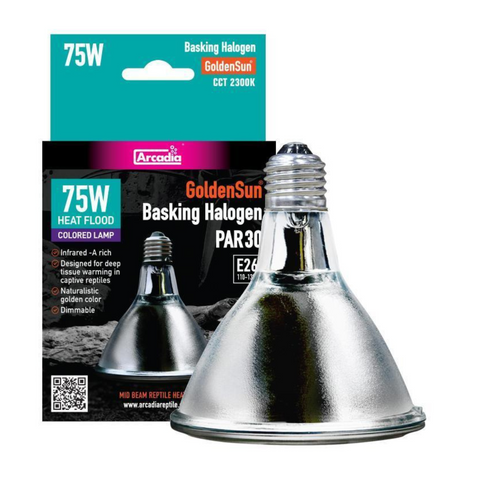
Primary heating should be provided through an under-tank heating pad or overhead radiant heat source controlled by a reliable thermostat. A thermostat is mandatory to prevent overheating and thermal burns. Overhead halogen heat lamps or deep heat projectors can provide additional infrared-A and infrared-B wavelengths that more closely replicate natural solar radiation. Heat rocks must never be used due to the high risk of burns and uneven heating.
Although historically considered optional, UVB lighting is now strongly recommended based on advances in herpetological research. A low-output UVB bulb in the range of 5% to 7% is appropriate. The bulb should be mounted overhead, positioned 10 to 14 inches above the basking area, and span approximately half the length of the enclosure to allow self-regulation of exposure. UVB supports vitamin D3 synthesis, calcium metabolism, immune function, and may improve overall vigor and activity levels. A photoperiod of 12 hours of light and 12 hours of darkness is suitable for most of the year. Seasonal cycling, such as reducing daylight to 10 hours during winter months, may stimulate natural behavioral rhythms and is beneficial for breeding animals.
Substrate and Enrichment
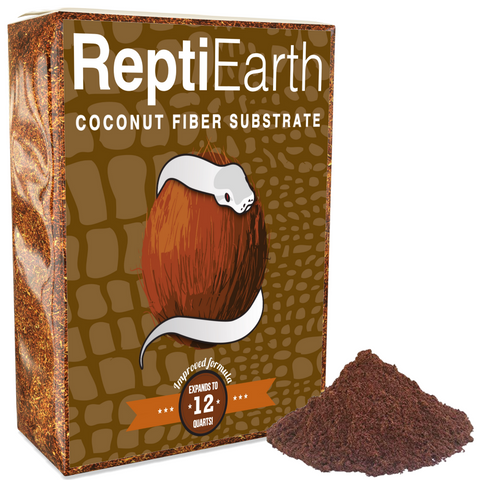
In their natural habitat, Leopard Geckos inhabit compact soils mixed with clay, sand, and rock. Substrates should replicate this firm, slightly excavatable terrain while minimizing impaction risk. A compacted soil mixture composed of organic topsoil blended with washed play sand in a 70:30 ratio is appropriate when properly maintained. For improved moisture control and increased burrowing opportunity, ReptiChip can be blended into the soil mix. In humid hides or bioactive setups, ReptiEarth may be incorporated to retain localized moisture. Loose calcium sand or pure sand substrates should be avoided due to documented impaction risk and unnatural composition. Reptile carpet should never be used, as it harbors bacteria and can snag toes.
Juveniles may be housed temporarily on paper towels for monitoring health and fecal output, but this should not be considered a permanent solution for adults due to lack of environmental enrichment. A naturalistic substrate layer should be at least two to three inches deep to allow shallow digging behaviors. The humid hide should contain moist ReptiEarth or damp sphagnum moss to facilitate proper shedding.
Environmental enrichment is essential. Flat basking stones, cork rounds, textured backgrounds, and low climbing structures encourage muscle development and exploratory behavior. Rearranging décor periodically can stimulate natural investigation. Providing feeder insects in escape-proof feeding dishes or through supervised hunting sessions encourages physical activity. Secure hides reduce stress, while multiple microclimates allow behavioral thermoregulation. Enrichment can come in many forms and is for the stimulation of your animal. The five types of enrichment you can offer are food related, sensory, physical habitat, cognitive, and social. These categories have a vast variety of options to choose from that are appropriate for the species being enriched.
Humidity and Hydration
Leopard Geckos originate from dry environments but still require access to localized humidity for proper hydration and shedding. Ambient humidity should be maintained between 30% and 40%. Short, natural fluctuations outside this range are generally tolerated, but consistently high humidity above 50% percent may predispose the animal to respiratory infections, while excessively low humidity can contribute to dysecdysis.
A digital hygrometer with a probe should be used to monitor humidity accurately. The cool side typically holds slightly higher humidity than the warm side. A humid hide is critical and should maintain internal humidity between 70% and 80% percent. This is achieved by lightly moistening ReptiEarth or sphagnum moss several times per week as needed. The material should remain damp but never saturated.
A shallow water dish with fresh, dechlorinated water should be available at all times, placed on the cool side to reduce evaporation. Although Leopard Geckos come from dry habitats, they regularly drink standing water in captivity. Light misting is generally unnecessary for adults in properly maintained enclosures but can be used sparingly during shedding periods. Persistent dehydration may present as sunken eyes, wrinkled skin, or lethargy, requiring immediate correction of environmental conditions.
Diet & Supplementation
The Leopard Gecko is a fascinating reptile that displays unique dietary habits both in its natural habitat and in managed care. In the wild, these geckos are primarily insectivorous, preying on a range of invertebrates. Their natural diet comprises insects such as crickets, mealworms, and various beetles. Due to the arid environments in which they thrive, they have adapted to efficiently hunt these small invertebrates. Though lacking the more specialized adaptations found in some other reptiles, like heat-sensing pits, Leopard Geckos are adept at visually detecting their prey even in low light conditions, characteristic of their crepuscular activity pattern.
As Leopard Geckos mature, there is a noteworthy shift in their dietary requirements and feeding behaviors. Juvenile geckos have higher metabolic needs and thus require frequent feedings every one to two days, with a focus on smaller prey suited to their size. As they grow, their metabolic rate decreases, and adults thrive on a diet of medium to large insects fed around every two to three days. Seasonal changes can also influence feeding patterns, with cooler temperatures potentially leading to decreased appetite. This is an example of their adaptive metabolic flexibility, allowing them to survive in varying environmental conditions.
The challenge lies in mimicking this natural diet to ensure complete nutrition. While crickets and mealworms remain staples, it's crucial to provide a varied diet to prevent nutritional deficiencies. Dubia roaches, waxworms, and occasional locusts can be offered as dietary supplements. Leopard Geckos require calcium and vitamin D3 supplementation to support healthy bone development and prevent metabolic bone disease, a common ailment in reptiles that lack adequate calcium intake or exposure to ultraviolet light. Dusting insects with a balanced supplement before feeding is a simple yet essential practice. If UVB is provided then calcium with no D3 should be used to not cause hypercalcemia.
Common feeding issues include food refusal, which may result from stress, illness, or inappropriate environmental conditions. Adjusting temperatures, ensuring the gecko has adequate hiding spots to feel secure, and minimizing disturbances can help alleviate such issues. Furthermore, obesity can arise from overfeeding or an imbalanced diet rich in fatty prey like waxworms. Regular monitoring of body condition and maintaining a consistent feeding schedule can mitigate this risk. To encourage natural foraging behaviors, providing varied prey types and implementing feeding techniques such as using tweezers to mimic live movement can be beneficial.
Proper care and attention to dietary needs are paramount to the health and well-being of captive Leopard Geckos. Understanding the nuances of their diet and feeding strategies helps keepers provide a suitable environment that closely aligns with their natural lifestyle, promoting longevity and vitality.
Reproduction
Leopard Geckos reach sexual maturity at different ages depending on sex and body condition. Females typically become reproductively viable between 10 and 12 months of age, provided they have reached a minimum weight of approximately 45 to 50 grams and maintain a robust body condition with adequate fat storage in the tail. Males often mature slightly earlier, around 8 to 10 months of age, and may begin exhibiting breeding behaviors once they develop enlarged hemipenal bulges and visible pre-anal pores. Sexual dimorphism is pronounced in this species. Males possess a distinct row of pre-anal pores arranged in a V-shape, well-developed hemipenal swellings at the base of the tail, and generally broader heads. Females lack prominent pores and have slimmer tail bases.
Courtship and mating behaviors are well documented and stereotypical. When introduced to a receptive female, a male will engage in investigative tongue-flicking to assess chemical cues. If the female is receptive, she will remain relatively still and may slowly wave her tail in a deliberate motion. The male frequently performs rapid tail vibrations, a behavior that produces a faint rattling sound. He will then approach and grasp the female by the nape of the neck with his jaws, aligning his tail beneath hers to achieve copulation. Copulation is brief, often lasting only a few minutes. If the female is unreceptive, she may raise her body, vocalize, flee, or bite the male. Incompatible pairings may result in persistent aggression, and animals should be closely supervised during introductions.
Successful breeding requires environmental cues that simulate the species’ natural seasonal cycle. In the wild, reproductive activity coincides with increasing day length and warming temperatures in late winter and early spring. In captivity, breeders typically implement a cooling period lasting 6 to 10 weeks to stimulate reproductive cycling. During this period, daytime ambient temperatures are gradually reduced to approximately 70℉ to 75℉, with nighttime drops to 60℉ to 65℉. Photoperiod is shortened to approximately 8 to 10 hours of light daily. Feeding is reduced but not eliminated, ensuring that animals maintain healthy body weight. After this cooling phase, temperatures are gradually raised to standard maintenance levels, with a warm basking site of 88℉ to 92℉ and ambient temperatures of 75℉ to 82℉. Photoperiod is increased to 12 to 14 hours of light daily. This transition typically stimulates follicular development in females and heightened sexual behavior in males. Humidity does not require dramatic seasonal alteration, but maintaining moderate ambient humidity between 30% and 40%, along with access to a humid hide, supports overall reproductive health.
Leopard Geckos are oviparous and typically produce multiple clutches during a breeding season. Breeding is most successful when conducted in controlled pairings rather than group settings. Males are territorial and may stress or injure one another if housed together. A common strategy involves housing males separately and introducing them into the female’s enclosure for brief, supervised breeding sessions. Alternatively, a single male may be housed with one or two females in a spacious enclosure of at least 3 feet by 18 inches, provided there are multiple hiding areas to reduce stress. Visual barriers, adequate floor space, and ample calcium supplementation for females are critical. Females require a suitable nesting site, typically provided as a lay box filled with slightly moist substrate such as vermiculite or ReptiEarth, to encourage proper egg deposition.
Breeding can present several challenges. One common issue is insufficient body condition in females. Underweight females are prone to follicular stasis, egg retention, or failure to cycle. Ensuring optimal nutrition prior to and during the breeding season is critical, with particular attention to calcium and vitamin D3 balance. Another challenge is stress-induced reproductive suppression. Excessive handling, improper temperatures, overcrowding, or incompatible pairings can inhibit normal breeding behavior. Gradual introductions and environmental stability significantly improve outcomes. Some females may refuse specific males due to behavioral incompatibility, necessitating alternative pairings. Additionally, breeding females too young or too frequently can lead to long-term health complications, including metabolic depletion and reduced lifespan. Responsible husbandry includes allowing adequate recovery time between breeding seasons and closely monitoring body weight and behavior throughout the reproductive cycle.
Incubation & Neonate Care
The Leopard Gecko is an oviparous species, meaning it reproduces by laying eggs rather than giving live birth. Females typically become reproductively active after reaching a healthy adult weight, generally at or above 45 to 50 grams, and after experiencing a seasonal cycling period that mimics natural environmental changes. During the breeding season, a female may lay multiple clutches, typically consisting of two eggs per clutch, at intervals of approximately two to four weeks. Over the course of a single season, a healthy female may produce 6 to 10 clutches, depending on her body condition and environmental stability.
Following successful copulation and ovulation, the female develops shelled eggs internally over a period of roughly two to three weeks. As oviposition approaches, she will exhibit restlessness and actively search for a suitable nesting location. Providing a proper lay box is critical to prevent egg retention. The lay box should be a secure, enclosed container measuring approximately six to eight inches in length and width, filled with a moisture-retentive substrate such as damp sphagnum moss, ReptiEarth, or a mixture of organic topsoil and sand. The substrate should be lightly moist but not saturated, holding its shape when compressed without dripping water. Ambient enclosure temperatures should remain within the normal adult gradient, with a warm side surface temperature of 88℉ to 92℉ and an ambient range of 75℉ to 82℉.
Egg deposition typically occurs during the evening or night. The female will partially bury the eggs within the moist substrate. Leopard Gecko eggs are soft-shelled and leathery at the time of laying but will gradually firm up as they absorb moisture. Eggs must be carefully removed for artificial incubation unless a highly controlled naturalistic system is in place. Each egg should be handled gently, avoiding rotation, as embryos can detach if turned during early development. Marking the top of each egg with a pencil immediately after collection helps maintain proper orientation.
For incubation, eggs are best housed individually or spaced apart in a sealed plastic incubation container with small air exchange holes. A suitable incubation medium includes vermiculite or perlite mixed with water by weight at a 1:1 ratio. The substrate should be moist but not dripping. Ideal incubation temperatures range from 80℉ to 90℉. Temperature regulation is critical not only for development rate but also for sex determination. This species exhibits temperature-dependent sex determination. Generally, incubation at 80℉ to 83℉ tends to produce predominantly females, 84℉ to 87℉ may yield mixed sexes, and 88℉ to 90℉ commonly results in a higher proportion of males. Sustained temperatures above 92℉ significantly increase the risk of deformities and embryo mortality.
Incubation duration varies according to temperature. At 80℉ to 82℉, incubation may last 55 to 70 days. At 88℉ to 90℉, hatching may occur in as little as 35 to 45 days. Stable temperatures are more important than slight fluctuations in humidity, although excessively dry conditions can lead to egg dehydration and collapse, while oversaturation encourages mold growth and embryo suffocation. Eggs should appear turgid and white throughout development; slight dents may indicate insufficient moisture.
As hatching approaches, neonates use a specialized egg tooth to slit the shell. This process, known as pipping, may take several hours. Hatchlings often remain partially inside the egg for a prolonged period while absorbing the remainder of their yolk sac. They should not be assisted unless clearly in distress, as premature removal can cause yolk sac rupture or fatal hemorrhage. Fully emerged hatchlings typically weigh between two and four grams and measure approximately three to four inches in total length.
Parental care is absent in this species. Adults do not guard or protect their eggs and may cannibalize hatchlings. For this reason, neonates must be housed separately from adults and from one another if size disparities are present. Individual housing in small, secure enclosures measuring approximately 6 to 12 inches in length is ideal during early development to monitor feeding and growth. Paper towel substrate is recommended for hygiene and ease of waste monitoring. Hides should be provided on both the warm and cool ends, including a humid hide containing lightly damp moss to assist with shedding.
Temperature requirements for neonates mirror those of adults but must be precisely maintained. A warm hide surface temperature of 88℉ to 92℉ is essential for digestion, with a cooler side around 75℉ to 80℉. Nighttime temperatures should not drop below 70℉. Proper belly heat provided by an under-tank heating element regulated by a thermostat is strongly recommended.
Newly hatched Leopard Geckos do not require immediate feeding, as they absorb residual yolk reserves. The first shed typically occurs within three to five days post-hatch, and feeding should begin afterward. Initial prey items should be appropriately sized, no longer than the space between the hatchling’s eyes. Suitable options include small crickets or small mealworms. Feeding should occur daily during the first several months of life. All feeder insects must be gut-loaded with nutritious foods and lightly dusted with a balanced calcium supplement. Because young geckos grow rapidly, consistent calcium and vitamin supplementation is critical to prevent metabolic bone disease.
Hydration should be supported through a shallow water dish refreshed daily and proper humidity within the humid hide. Hatchlings are particularly susceptible to incomplete sheds, especially around the toes and tail tip, so humidity must be monitored closely. Common neonatal health concerns include failure to thrive, retained shed, dehydration, and prolapse due to inappropriate substrate or oversized prey.
Handling should be minimal during the first two weeks to reduce stress. When necessary, handling must be gentle and low to the ground, as hatchlings are quick and fragile. Careful record-keeping of weight gain, feeding response, and shedding frequency helps ensure healthy development. With proper incubation protocols and attentive neonatal husbandry, hatchling Leopard Geckos typically demonstrate strong growth and resilience.
Conclusion
In conclusion, successful husbandry of Leopard Geckos relies on a comprehensive understanding of their natural behaviors, ecological adaptations, and specific captive requirements. This species, with its remarkable adaptations to arid environments, such as fat storage in the tail and crepuscular activity patterns, demands an environment that mirrors its natural habitat both in physical structure and environmental conditions.
To promote their health and longevity in captivity, enclosures must be thoughtfully designed with ample floor space, a variety of hides, and a gradient of thermal zones to support their thermoregulatory needs. The provision of appropriate substrates that mimic their natural terrain is crucial for stimulating natural behaviors while minimizing risks of injury or impaction. Furthermore, the significance of proper heating, supplemented UVB lighting, and controlled humidity levels cannot be overstated, as these conditions directly influence their physiological well-being. By addressing each of these dimensions in husbandry practice, keepers not only fulfill the Leopard Gecko’s physical needs but also contribute to their mental well-being and overall quality of life, reinforcing the species' popularity and success in the exotic pet trade.