Natural History
The keeled rat snake is a nonvenomous, semi-arboreal colubrid native to parts of Southeast and East Asia, found in a variety of habitats ranging from subtropical forest edges and bamboo thickets to rural and agricultural zones. In the wild, their lifespan ranges from 12 to 15 years, although individuals kept in optimal captive conditions can live beyond 20 years. They are adept climbers, using their keeled scales to gain traction on rough surfaces, which allows them to exploit both arboreal and terrestrial niches. This semi-arboreal behavior is often used to escape terrestrial predators or access avian prey and eggs.
Ecologically, keeled rat snakes play a crucial role as both predator and prey. As predators, they help regulate populations of small mammals and birds, especially rodents, which contributes significantly to pest control in both natural and agricultural systems. This predator-prey relationship makes them valuable allies in maintaining a balanced ecosystem and reducing the spread of rodent-borne diseases. Conversely, they are prey for larger predators such as raptors, mammals like civets and mongooses, and large carnivorous snakes. Their cryptic coloration and quick retreat behaviors offer effective protection against such threats.
A notable environmental adaptation of the keeled rat snake is its tolerance for a range of habitats, from hill forest underbrush to the outskirts of human settlements. This adaptability allows it to exploit a wide range of prey and environmental conditions. Its climbing proficiency further increases its ecological range, permitting access to vertical food sources and refuge that may be inaccessible to more terrestrial reptiles. By fulfilling its niche role across vertical and horizontal layers of its environment, the keeled rat snake contributes meaningfully to the structural complexity and health of the ecosystems it inhabits. Understanding these aspects of their biology and behavior is crucial for keepers to replicate a functional and stimulating captive environment.
Conservation Status
The Keeled Rat snake is currently classified as "Least Concerned" on the IUCN Red List. This classification indicates that the species maintains a relatively stable population throughout much of its natural range and is not facing imminent danger of extinction. The designation suggests that, while local populations may experience declines in certain areas, the global population is sufficiently robust and widespread to avoid a more critical conservation status. The last assessment completed in 2011 described the population trend as “Decreasing” citing a continuing decline of mature adults.
keeled rat snakes have a broad geographic distribution across parts of South and Southeast Asia. They inhabit a variety of forested and agricultural landscapes, which contributes to their resilience in the face of moderate environmental changes. However, the "Least Concern" status should not suggest that the species is immune to threats; instead, it reflects that current data do not show steep enough declines to warrant heightened concern.
Despite their current status, keeled rat snakes face several significant threats in the wild. Habitat loss is among the most pressing issues confronting the species. Deforestation for agriculture, urban development, and logging has led to fragmentation of natural forest habitats, diminishing the availability of crucial resources such as shelter, prey, and safe breeding grounds. In many regions, especially those undergoing rapid industrialization, the destruction of lowland and secondary forests reduces the carrying capacity for these snakes, which can result in local population declines.
Another notable threat is road mortality, stemming from expanding infrastructure and increasing vehicle traffic. As keeled rat snakes are semi-arboreal and often cross open ground to move between habitat patches, they are frequently killed on roads, particularly during the wet season when they are more active. Additionally, although not as targeted as some other snake species, the keeled rat snake does face pressures from the illegal wildlife trade. In certain local markets, these snakes are captured and sold as pets or for traditional uses, despite not being a major commercial species. The removal of individuals from the wild can disrupt local population dynamics, especially in areas already fragmented by human development.
In terms of conservation efforts, there are currently no species-specific international programs targeting the keeled rat snake due to its "Least Concern" status. Nonetheless, the species benefits from broader conservation measures aimed at protecting Southeast Asian forest ecosystems. Several wildlife reserves and protected national parks within its native range provide refuge from habitat destruction and human interference. These protected areas not only safeguard the reptiles directly, but also preserve their prey base and ecological interactions. Forest conservation and anti-logging initiatives, especially in Thailand, Malaysia, and parts of India, have a positive indirect effect on the species' long-term survival.
Legal protections vary by country, with some national laws limiting collection and trade. In regions where the keeled rat snake overlaps with other protected flora and fauna, environmental regulations inadvertently guard against rapid declines. Though there are no widespread, coordinated captive breeding efforts for this species, a number of institutions and private herpetoculturists maintain keeled rat snakes in captivity. These captive populations may eventually serve as reservoirs of genetic diversity or models for future breeding and reintroduction programs, should wild populations become more threatened.
Overall, while the keeled rat snake is not in immediate danger, ongoing environmental pressures mean that continuous monitoring and habitat protection remain essential. For reptile keepers and conservation supporters, understanding the species' vulnerability to habitat loss and human activity helps reinforce the importance of sustainable practices and proactive conservation in preserving regional biodiversity.
Native Range
The keeled rat snake is native to a broad range across southeastern Asia, extending from northeastern India and Nepal eastward through Bangladesh, Bhutan, northern Myanmar, and into southern China. Its distribution continues through northern and central Thailand, Laos, Vietnam, and reaches parts of Peninsular Malaysia. Although it has a wide regional range, the species demonstrates patchy local distribution related to specific habitat preferences within this broader area. The species is most commonly documented in forested and montane environments, and while it is not confined to a single ecosystem, its occurrence is typically associated with areas offering a mix of dense vegetation and structural complexity for shelter.
In terms of macrohabitat, the keeled rat snake primarily inhabits subtropical and tropical broadleaf forests, often favoring hill and mountain forest biomes that offer cooler temperatures and higher moisture levels. These forests range from evergreen to semi-deciduous in composition. The species is also found in mixed pine-oak forests at the upper limits of its elevation range, indicating a tolerance for more temperate conditions in higher elevations. While this species does occasionally venture into modified landscapes like rural gardens or secondary growth forests, it typically avoids fully degraded habitats and cleared agricultural land.
Within these broader environments, the keeled rat snake demonstrates preferences for specific microhabitats that provide cover and opportunities for foraging. It is often found under leaf litter, beneath fallen logs, and within rocky crevices. This species is also semi-arboreal, regularly climbing low vegetation or trees to hunt or thermoregulate, and may rest in tree hollows or dense shrubs. High structural diversity within the habitat, such as the presence of downed woody debris, vine tangles, and treefall gaps, appears crucial for its ecological needs.
Climatically, regions inhabited by the keeled rat snake typically experience warm, humid conditions with significant seasonal variability. Average daily temperatures in its native range generally fall between 68°F and 86°F. Humidity levels are high year-round, often exceeding 70% particularly during the monsoon season. Rainfall is usually concentrated in a distinct wet season, typically from May to September, contributing to lush vegetation and abundant prey availability. During the drier winter months, the species may become less active, retreating into moist refugia to avoid desiccation. Seasonal behavioral changes, such as increased basking in transitional months, are common.
The species occupies elevations ranging from lowland areas around 660 feet above sea level up to about 6,600 feet, with the highest populations often found in mid-elevation forests between 3,300 and 5,000 feet. At these elevations, ambient temperatures are cooler, and mist or cloud cover frequently maintains high humidity levels even when rainfall is lower. Their presence at these altitudes suggests a strong physiological tolerance for moderate temperature fluctuations and an ecological dependence on moist, sheltered conditions.
Essential environmental factors for the keeled rat snake's survival include reliable access to fresh water sources such as forest streams, seeps, or moist ravines. It favors areas with dense undergrowth and leaf litter, which support its primary prey, as well as offering concealment from predators. Geological features such as limestone outcrops or rocky slopes also provide important hiding places and egg-laying sites. The presence of a varied vertical structure such as low shrubs, climbing vines, and mid-level canopy branches, further enhances habitat suitability by supporting the snake's semi-arboreal activities. Collectively, these features enable the keeled rat snake to thrive in a wide yet ecologically specific set of forested environments across its range.
Behavior
The keeled rat snake is primarily a diurnal species, showing peak activity during the morning and late afternoon hours. In its natural range, this species is most active in the warmer months of the wet season, when both prey availability and ambient humidity are at their highest. During the cooler, drier months, its activity markedly decreases. In regions that experience substantial seasonal shifts, keeled rat snakes may enter a brumation period, during which metabolic activity slows, feeding behavior ceases, and individuals remain in sheltered locations such as hollow logs or underground burrows. While typically active year-round in tropical regions, subtropical populations are more influenced by temperature fluctuations and daylight length, altering their activity patterns accordingly.
Socially, the keeled rat snake is a solitary and primarily territorial species. Interactions between adult individuals outside of the breeding season are rare and often antagonistic, especially between males. During mating season, which usually coincides with the onset of the rainy season, males may engage in ritualized combat behaviors that involve wrestling and posturing to establish access to receptive females. Courtship involves tongue-flicking and body alignment behaviors. Females do not exhibit parental care after oviposition, eggs are laid in moist, hidden locations, and hatchlings are fully independent upon emergence.
The keeled rat snake exhibits acute sensitivity to environmental cues. It relies heavily on chemosensory input via the tongue and vomeronasal organ to detect prey, predators, and conspecifics. Visual stimuli also play a key role in prey detection during daylight hours. In terms of feeding, the keeled rat snake is an active forager that hunts both on the ground and in low vegetation. It preys mainly on rodents, birds, and lizards, using a combination of visual and chemical cues to locate its food. Upon contact, it may seize prey with a rapid strike and subdue it through constriction. Temperature preference is strongly tied to its ecological niche as it demonstrates active thermoregulation by moving among sunlit and shaded areas to maintain optimal body temperature, typically preferring basking temperatures between 84°F and 90°F. In response to low humidity, individuals may retreat into microhabitats such as rotting logs or leaf litter to conserve moisture.
When confronted with environmental threats, the keeled rat snake showcases a range of defensive strategies. Its most notable and unique behaviors include a bluffing display in which the snake flattens the anterior body and raises its head in a striking pose while producing loud body vibrations to mimic the sound of a venomous species. This species is non-venomous but benefits from mimicry of more dangerous local snakes. Additionally, it may discharge a foul-smelling musk from the cloaca when handled. Camouflage also plays a central role in both predator evasion and ambush hunting. Its keeled dorsal scales help break up its silhouette among forest leaf litter and underbrush, aiding in both concealment and traction on rough surfaces.
Under human care, many of these behaviors persist but may be modified by the controlled environment. Diurnal activity remains consistent, especially when appropriate light-dark photoperiods are maintained. However, lack of environmental complexity can result in reduced exploratory behavior and feeding drive. Managed specimens are often more tolerant of human presence over time but may still engage in defensive posturing if startled. Aggression between individuals remains a risk. This species should be housed solo to prevent stress or intraspecific conflict. Feeding is often more predictable, but individuals may show reduced interest if environmental enrichment is lacking. Providing varied terrain, climbing structures, and regular changes in enclosure setup can stimulate natural foraging behaviors.
When temperature or humidity levels deviate from appropriate parameters, keeled rat snakes may respond with increased hiding, reduced appetite, incomplete sheds, or elevated aggression. These responses mimic their wild counterparts' behaviors when exposed to unfavorable conditions. By closely replicating natural environmental parameters and offering enrichment opportunities, keeled rat snakes can exhibit a full range of species-typical behaviors, maintaining both physical health and psychological well-being.
Husbandry Requirements
Enclosure Design
Keeled rat snakes are semi-arboreal, moderately active colubrid snakes found across various forested regions in Southeast Asia. Their enclosure should reflect their native habitat, which is typically a mixture of dense underbrush and elevated surfaces for climbing. Juvenile keeled rat snakes can be housed temporarily in enclosures measuring at least 36 inches long, 18 inches deep, and 18 inches high. However, adult keeled rat snakes frequently reach lengths of five to six feet, with some individuals exceeding six and half feet. For this reason, adult enclosures should provide a minimum floor space of six feet in length by four feet in depth, with at least six feet of vertical height to accommodate climbing and perching behaviors. Larger enclosures are strongly encouraged when possible to promote well-being and natural movement.
Enclosure materials should be able to withstand moderate humidity without warping or deteriorating. High-quality PVC enclosures are recommended due to their durability and ability to retain heat while allowing for controlled ventilation. Glass enclosures can also be used, provided that heat and humidity can be effectively maintained. Cross-ventilation is ideal, utilizing screened side vents in combination with partial screen tops. All ventilation screens should be fine enough to prevent escape, as keeled rat snakes are strong, exploratory, and known escape artists. Enclosures should have a secure, locking front-opening door to allow easy access for maintenance and handling while minimizing escape risk.
In terms of layout, keeled rat snakes require a mixed terrain that replicates their semi-arboreal tendencies. A horizontal layout with strong vertical elements is critical. Install multiple climbing branches, horizontal perches, and attached cork bark tubes at varying angles and elevations. These should be securely anchored to prevent collapse under the snake’s weight. Two or more hides should be placed at different elevations and thermal zones, one in the warmer basking area and another in the cooler end of the enclosure to allow for thermoregulation while minimizing stress. Flat basking platforms mounted near heat sources at the top of the enclosure allow for proper heat absorption. A securely fastened, escape-proof lid and consistent visual barriers along the rear and sides of the enclosure will help the snake feel secure, reducing stress-induced behaviors.
Lighting and Heating
Proper lighting and temperature regulation are essential to keeled rat snake health. Being diurnal and found in forest edge habitats, this species benefits from UVB exposure. A T5 high-output UVB bulb with a 5% to 7% output should be provided across approximately two-thirds of the enclosure’s length, mounted 10 to 12 inches above the highest perch if there is no screen between the bulb and the individual, or six to eight inches above if installed above a fine-mesh screen. This allows for safe and effective UVB uptake, facilitating calcium metabolism and supporting overall immune function.
Temperature gradients within the enclosure should range from a basking area of 86°F to 92°F to an ambient environment between 75°F to 82°F. Nighttime temperatures can drop as low as 70°F, though they should not fall below 68°F. The basking area can be heated using an overhead heat source, such as a ceramic heat emitter or radiant heat panel, which must always be regulated by a high-quality thermostat to prevent thermal burns. Consider pairing this with an infrared heat gun to spot-check surface temperatures and a digital thermometer with probes to continuously monitor ambient and basking zones.
A 12 hour on, 12 hour off photoperiod should be maintained year-round unless simulating seasonal cycles for breeding. A slight winter drop in ambient temperatures and day length to around 10 hours of light may be employed in healthy adults to mimic seasonal change, though this is not strictly necessary in non-breeding setups. Circadian rhythm regulation via a naturalistic light cycle supports appetite, activity, and hormonal regulation.
Substrate and Enrichment
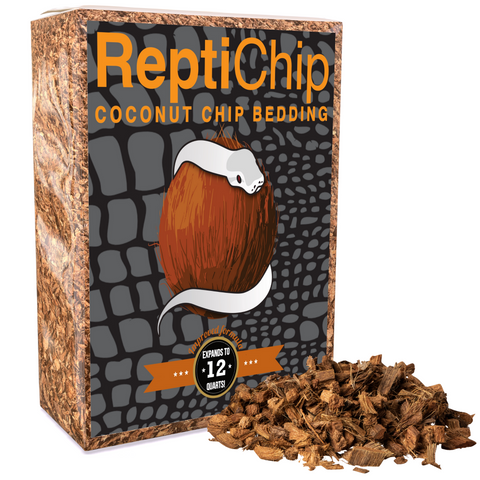
In the wild, keeled rat snakes are found in humid forest environments with leaf litter, soil, and loose substrate that supports both ground movement and low-lying refuge. ReptiChip’s ReptiEarth substrate is highly recommended as a loose, soil-like medium that offers excellent moisture retention, is free of harmful additives, and safe for burrowing. ReptiEarth’s texture and composition allow for the creation of microclimates within the enclosure while minimizing the risk of impaction when spot-cleaned properly. Other suitable options include a mix of ReptiChip and ReptiEarth, or premade mixes such as TropicalBase. Substrate should be laid at a minimum depth of three inches to allow for digging and moisture buffering.
Enrichment is critical for keeled rat snakes, which are observant and exploratory by nature. Climbing opportunities should include a variety of branch diameters and textures ranging from smooth wood to textured cork. These should be anchored firmly to avoid toppling or injury. Hanging foliage, either artificial or sterilized natural branches, provides cover and encourages natural investigative behavior. Burrowing and exploring leaf litter and varying ground textures should be supported on the substrate level. Incorporating multiple basking and hiding zones allows the snake to choose comfort zones based on temperature, humidity, and light exposure. Enrichment can be enhanced through rotating enclosure items, providing seasonal food variety, and introducing new branches or hiding configurations periodically. Enrichment can come in many forms and is for the stimulation of your animal. The five types of enrichment you can offer are food related, sensory, physical habitat, cognitive, and social. These categories have a vast variety of options to choose from that are appropriate for the species being enriched.
Humidity and Hydration
Keeled rat snakes thrive in environments where relative humidity levels are maintained between 60% and 80%. These values mimic the damp forest conditions they inhabit and are crucial for proper respiratory health, skin integrity, and shedding. Humidity should not drop below 55% for extended periods, and during the lead-up to shedding cycles, increasing local humidity to 80% helps facilitate complete and healthy sheds.
To maintain these levels, daily spot misting with dechlorinated water is often sufficient in moderate climates. In drier conditions or during cold seasons, supplemental humidity via misters or humidifiers can be employed. These devices should be scheduled to run periodically using a timer or humidity controller rather than constantly operating, as overly humid conditions with poor ventilation can lead to mold and respiratory concerns. Substrate choice also plays a role. ReptiEarth and other moisture-retaining substrates retain water efficiently when misted, producing a more stable humidity profile. Incorporating live or sterilized moss such as sphagnum, in high-shedding areas or hides will also increase localized humidity.
Hydration should be supported through a large water bowl, stable enough to prevent tipping, and refilled with fresh water daily. The bowl should be large enough for the snake to soak its full body when desired, especially during pre-shed periods when hydration demands increase. Mist the enclosure lightly in the early morning or evening to simulate natural dew and rainfall patterns. In some cases, individuals may drink directly from misted surfaces or droplets on foliage or cage décor, particularly after misting sessions. Observing drinking behavior can help assess hydration status, though ensuring constant access to clean water is the primary safeguard.
Humidity must be monitored with precision. Digital hygrometers with remote probes placed at both the warm and cool ends of the enclosure provide the most accurate readings. Avoid analog dial-style hygrometers, which are often inaccurate or slow to respond. Monitoring humidity daily ensures that necessary adjustments can be made in response to seasonal or ambient environmental changes.
By replicating these key environmental parameters and enriching their surroundings, keepers can ensure the physical and psychological health of keeled rat snakes in managed care.
Diet & Supplementation
In its natural habitat, the keeled rat snake is a carnivorous predator that primarily consumes a variety of warm- and cold-blooded prey. The diet frequently includes rodents such as young rats and mice, small passerine birds, nestlings, and eggs raided from nests. In some instances, especially in juvenile and subadult individuals, the species may also consume amphibians such as frogs and toads, as well as lizards. Opportunistic in nature, it may also prey upon small snakes or large insects, though this represents a minor portion of its wild diet. Due to its role in controlling rodent populations, this species is often ecologically beneficial in agricultural or semi-rural settings where human activity overlaps with its natural range.
The keeled rat snake is an active forager rather than an ambush predator. It locates prey through a combination of chemical and visual cues, using its tongue to collect scent particles and transfer them to the Jacobson’s organ for detection. Its large, well-developed eyes also provide strong visual acuity, aiding in daytime hunting. This diurnal foraging behavior makes the species particularly adept at locating bird nests and chasing small terrestrial vertebrates. While it is non-venomous, the Keeled Rat snake subdues prey using constriction. It coils quickly around the animal and tightens until the prey succumbs, then swallows it whole. This efficient method allows it to handle larger or more active prey with minimal struggle.
Seasonal changes influence this species’ dietary behavior, especially in temperate regions at the edges of its range. During warmer months when prey is plentiful, the keeled rat snake exhibits higher feeding frequency and more diverse prey selection. In contrast, cooler months or periods preceding brumation trigger reduced feeding activity and a preference for high-calorie prey to build fat reserves. Younger individuals typically consume smaller and more frequent meals, often insects, amphibians, or pinky mice, while adults require less frequent feedings but larger prey items such as juvenile rats or adult mice. As individuals mature, its diet becomes more focused on endothermic prey due to increased nutritional demands and jaw development.
Replicating the natural diet of the keeled rat snake presents certain challenges. While wild specimens may consume a wide range of prey, individuals in managed care should be fed a diet primarily composed of appropriately sized rodents. Mice and rats are the most accessible and nutritionally balanced prey items available in the pet trade. Hatchlings and juveniles should be offered pinky or fuzzy mice, while adults can consume adult mice or young rats. While avian prey may be part of the wild diet, it is not essential but can be offered on rotation as enrichment. If offering an avian diet such as chicks caution must be taken as the fat contents of the yolk can cause obesity in long term feedings.
One potential feeding challenge is food refusal, especially during periods associated with breeding behavior or seasonal hormonal shifts. Stress from improper housing, handling, or environmental instability may also lead to anorexia. Offering prey that mimics natural behaviors, such as moving warmed rodents or scented prey can encourage reluctant feeders. Another concern is overfeeding, leading to obesity, particularly if feeding is too frequent or prey size too large relative to the snake’s girth. Adult keeled rat snakes typically require feeding every 10 to 14 days, while juveniles may feed every five to seven days. Feeding schedules should be adjusted according to growth rate, season, and activity level.
To promote mental stimulation and replicate natural foraging behaviors, keepers should consider environmental enrichment such as hiding prey under substrate, using feeding tongs to simulate movement, or placing food in branches or elevated areas to simulate nest-raiding. Maintaining a varied diet within acceptable nutritional parameters may also prevent dietary monotony. A balance between ensuring proper nutrition, encouraging natural behaviors, and monitoring body condition will provide long-term health benefits for the captive keeled rat snake.
Reproduction
Breeding of the keeled rat snake requires an in-depth understanding of the species’ reproductive biology, environmental triggering factors, and social dynamics. This medium to large, semi-arboreal colubrid reaches reproductive maturity when males attain lengths of approximately five feet and females reach around seven feet, typically between three to four years of age under optimal conditions. Sexual dimorphism is moderately evident, mature females are generally stockier and longer than males, while males may possess slightly more elongated tails. During breeding season, behavioral observations can help distinguish sexes, as males display increased activity and tendencies to search persistently for receptive females.
Courtship in keeled rat snakes is marked by specific pre-mating interactions, including tongue-flicking and body alignment. Males may follow the females closely and engage in chin rubbing along the flanks, often checking for pheromonal cues that indicate receptivity. If the female is receptive, she will remain still or elevate the tail slightly to allow cloacal alignment. Rejection behaviors include tail thrashing, biting, or fleeing. Avoiding pairing individuals too frequently or forcefully at inappropriate times is crucial, as aggression between males or from unreceptive females can occur. Prior to introducing a pair, ensure both individuals are well-fed and not under stress, which could inhibit reproductive behavior.
This species is oviparous, meaning females lay eggs rather than giving live birth. Environmental cues play an essential role in stimulating breeding readiness, as keeled rat snakes evolved in regions with marked seasonal variation. To simulate natural conditions, breeders should provide a seasonal brumation period. During the cooler months, typically from late fall through early winter, reduce ambient temperatures to a range of 58°F to 64°F while maintaining reduced photoperiods approximating 8 to 10 hours of light per day. Humidity can remain moderate during this time. After six to eight weeks, gradually return temperatures to daytime highs of 82°F to 86°F with nighttime drops to the mid-70s and extend daylight exposure to 12 to 14 hours. This warming period, combined with increased feeding frequency, helps signal the onset of the breeding season.
A dedicated breeding enclosure is not strictly necessary, but controlled environments improve success. Males can be introduced to the females’ enclosure during peak receptivity after environmental cycling. Some breeders choose to house the pair together for several days and observe interactions, while others use short, monitored introductions. Overcrowding should be avoided, and this species does not exhibit group breeding tendencies, solitary pairing is more effective and less stressful.
Breeding challenges often arise from environmental mismanagement, stress, or incompatibility between individuals. Failure to initiate brumation or improper timing can result in unresponsive reproductive behaviors or even resorption of follicles in females. Ensuring enclosure temperatures do not exceed optimal levels during repose periods is essential, as prolonged high temperatures suppress hormonal cycling. Pair incompatibility is another common issue, not all individuals are receptive to one another. Introducing alternative mates or using rotation strategies may increase success. If females remain unreceptive despite proper environmental preparation, supplementing vitamin and mineral intake, particularly calcium and vitamin D3, can help resolve underlying physiological deficits that may be impeding reproductive readiness.
Stress-induced reproductive failure is another concern. Frequent handling, improper enclosure size, lack of adequate hiding spaces, or inappropriate humidity can inhibit reproductive behaviors. To reduce stress during breeding, provide ample foliage or hides, ensure cage maintenance is minimized during the critical courtship period, and avoid introducing multiple males simultaneously. Monitoring weight, behavior, and food intake during this period can also help preempt potential reproductive complications, such as follicular stasis or egg binding. By carefully managing environmental and social conditions, breeding success in keeled rat snakes can be achieved with consistency.
Incubation & Neonate Care
Females typically lay their clutches during the warmer months, following a brief ovulation and copulation period in early spring. Clutch sizes generally range from 5 to 15 eggs, though variation exists based on the female’s age, size, and health status. The laying process usually occurs in secluded, moist microhabitats such as within leaf litter, rotting logs, or in artificially provided laying boxes in managed setups. Once laid, the mother does not provide further parental care, and the eggs must be incubated under carefully controlled environmental conditions to ensure successful development and hatching.
Incubation of keeled rat snake eggs requires a steady temperature range of 78°F to 84°F. Eggs incubated consistently near 81°F to 82°F tend to develop optimally, with incubation durations averaging between 55 and 75 days depending on temperature. Humidity must be maintained between 80% and 90%, which can be achieved by using a moist substrate such as vermiculite or perlite mixed in a 1:1 ratio by weight with water. The substrate should hold moisture but not be overly saturated, as waterlogged conditions can lead to egg suffocation or mold growth. It is critical to prevent temperature spikes or drops, as well as excessive handling during incubation, as embryos in this species are sensitive to environmental disturbances.
The hatching process begins with the neonate using an egg tooth, a small temporary structure on the snout, to slit open the leathery eggshell. This process usually occurs over several hours and may take up to a day for the neonate to fully emerge. Once emerged, hatchlings typically remain in the egg chamber for 24 to 48 hours to absorb residual yolk tissue. During this time, they rest and begin to adjust to ambient environmental conditions. It is essential to maintain high humidity during this period to prevent desiccation. Human intervention should be minimal but watchful, as prolonged retention in the egg or failure to hatch may signify developmental issues or improper incubation conditions.
Neonates should be housed separately from adult snakes to reduce the risk of cannibalism, stress, or injury. Individual enclosures also make monitoring feeding and shedding more manageable. A suitable neonate enclosure should be no smaller than 12 x 6 x 6 inches. An ambient temperature of 78°F to 80°F should be provided, with a basking spot reaching no more than 86°F. Humidity should be maintained between 70% and 80%, which is critical during the first shed cycle, usually occurring within 7 to 10 days post-emergence. Humid hides or lightly misted enclosures can help facilitate proper skin hydration and reduce instances of incomplete sheds.
The first meal should be offered 7 to 10 days post-hatching, ideally after the initial shed has completed. Keeled rat snake neonates generally accept pre-killed pinky mice, and feeding should occur every five to seven days after successful initial ingestion. If hatchlings refuse meals, live pinkies can be introduced under supervised conditions, but persistent refusal may necessitate assist-feeding. Fresh water should be available at all times in a shallow, sturdy dish to ensure proper hydration. Enclosure hygiene is paramount to prevent common neonate health issues such as respiratory infections or skin blisters, both of which can result from poor ventilation or overly damp conditions.
Handling should be minimized during the first few weeks, as neonates are often fragile and more prone to stress-related health issues. When handling is necessary, it should be gentle, brief, and preceded by hand-washing to avoid transmitting harmful pathogens. Over time, keeled rat snake hatchlings generally adjust well, provided that their environmental and dietary needs are consistently met. With proper care, neonates reach sexual maturity in three to four years, and early life husbandry significantly influences their long-term health and behavior.
Conclusion
In summary, the successful care of the keeled rat snake requires a comprehensive understanding of its ecological background, physiological needs, and behavioral tendencies. Native to humid, forested regions across Southeast and East Asia, this semi-arboreal species thrives in environments that provide both vertical climbing opportunities and ground-level refuge. Keeping this species demands a balance between replicating natural conditions and providing routine care elements like secure housing, appropriate lighting, and a nutritionally complete diet.
Keepers have both the opportunity and the responsibility to model conscientious husbandry practices that can inform broader conservation awareness. When cared for with diligence and ecological insight, the keeled rat snake can thrive under human care, offering a rewarding experience for keepers and contributing to the broader goal of species stewardship through education and responsible management.