Natural History
The gargoyle gecko is a medium-sized arboreal lizard endemic to the humid forests and scrublands of New Caledonia. As juveniles mature, their body mass increases and the cranial “horn” or ridge structures on the head become more pronounced. Most individuals reach adult size within eighteen to twenty-four months. With proper nutrition and environmental management, they commonly live 15 to 20 years, though some individuals may exceed this range under human care.
In the wild, gargoyle geckos are nocturnal and arboreal. They spend daylight hours concealed in tree hollows, dense foliage, or beneath loose bark to avoid desiccation and predation. As evening temperatures stabilize and humidity rises, they emerge to forage. Their hunting strategy is opportunistic. They consume a mix of invertebrates, soft fruits, nectar, and occasionally small vertebrates. Rather than actively chasing prey over long distances, they rely on stealth and short bursts of movement, lunging with precision when an insect comes within range. Their large eyes, equipped with vertical pupils, are adapted for low-light conditions and allow effective depth perception in complex forest canopies.
Behaviorally, gargoyle geckos are generally solitary. While multiple individuals may occupy overlapping territories in resource-rich environments, direct interaction outside of breeding contexts is minimal and can involve displays of dominance. They may gape, vocalize soft chirping sounds, or posture to deter perceived threats. When threatened by predators such as birds, larger reptiles, or small mammals, they may flatten their bodies against a surface to reduce visibility, leap to another branch, or drop their tail. Unlike some related species, the tail can regenerate, though the regenerated tail is typically smoother and lacks the prominent spines or ridges of the original. Their strong semi-prehensile tail serves as both a stabilizer and an anchor when navigating branches, allowing them to maneuver confidently in vertical and inverted positions.
Ecologically, the gargoyle gecko plays a meaningful role in maintaining balance within its native habitat. As an insectivore, it helps regulate populations of arthropods, including moths, crickets, and other nocturnal insects. Its consumption of fruit pulp and nectar may also contribute modestly to seed dispersal and pollination, particularly among low-growing shrubs and forest-edge plants. In turn, gargoyle geckos serve as prey for a variety of native and introduced predators, placing them at an intermediate level within the food web. Their adaptations, such as adhesive toe pads for climbing smooth bark and leaves, a semi-prehensile tail for stability, and the ability to tolerate moderate seasonal fluctuations in humidity, allow them to exploit arboreal niches that reduce direct competition with strictly terrestrial lizards.
Understanding these natural patterns of growth, independence, nocturnal activity, and ecological interactions is essential for reptile keepers. The gargoyle gecko is not only a visually striking species but also a highly specialized forest dweller whose behaviors and survival strategies reflect the dynamic environment of its island home.
Conservation Status
The conservation status of the Gargoyle Gecko, according to the IUCN Red List, is classified as "Least Concern." This status indicates that the species is currently stable and not at immediate risk of widespread decline. The assessment year for this classification was 2017, and the population trend is considered stable. Being listed as Least Concern means that the Gargoyle Gecko is relatively widespread, and the number of individuals in the wild does not currently present any major concerns for conservationists. This classification suggests that the species benefits from a fairly broad geographic distribution and maintains a healthy overall population.
The primary threats to the Gargoyle Gecko in the wild include habitat destruction and alteration primarily due to human activities such as agricultural expansion, logging, and urban development. These activities lead to fragmentation of the habitat, which can isolate populations and reduce genetic diversity over time. Additionally, climate change poses a significant threat by altering the habitats in which the geckos thrive, potentially leading to unsuitable living conditions or reduced availability of food and resources. In areas where the species is more localized, any environmental disruption can have a more pronounced impact on its survival.
Conservation efforts for the Gargoyle Gecko are ongoing and focus on preserving their natural habitats through legal protections and habitat management initiatives. Wildlife reserves and national parks play a crucial role in safeguarding the areas where these geckos are found, providing a sanctuary away from the encroachment of human activities. Effective land management practices are being implemented to mitigate the impact of agricultural and urban development.
Breeding programs offer another layer of protection for the Gargoyle Gecko. These initiatives not only ensure the species' genetic diversity but also serve as a potential reservoir for reintroducing individuals into their natural habitats if the need arises. While the species is not currently threatened, such programs are essential for maintaining healthy population numbers and preparing for any unforeseen ecological changes. Efforts to educate the public about the species and its habitat requirements also contribute to its conservation, as informed communities can play a vital role in supporting preservation measures.
In conclusion, while the Gargoyle Gecko is currently categorized as Least Concern, continuous monitoring and proactive management are vital to ensure that this status is maintained. Protecting their natural habitats, managing the effects of climate change, and fostering responsible breeding programs will aid in the long-term survival and health of the species.
Native Range
The Gargoyle Gecko is endemic to the southern portion of New Caledonia, a group of islands located in the southwestern Pacific Ocean. Its distribution is restricted primarily to the southern mainland of Grande Terre and several smaller offshore islands, including the Isle of Pines. This species does not have a broad global range; instead, it occupies a relatively limited geographic region characterized by unique ecological conditions. Within this confined distribution, it can be locally common where suitable habitat remains intact.
At the macrohabitat level, the Gargoyle Gecko inhabits humid tropical and subtropical forests. These include both lowland rainforest and transitional shrub forest habitats that developed on mineral-rich and volcanic soils. Much of its range lies within regions influenced by oceanic trade winds, which contribute to consistent humidity and moderate seasonal temperature variation. The forests in southern New Caledonia are often characterized by dense vegetation, mixed hardwood trees, tree ferns, climbing vines, and a relatively closed canopy that moderates ground-level temperatures and retains humidity.
Within these broader forest ecosystems, the species occupies specific microhabitats that provide shelter, security, and feeding opportunities. Gargoyle Geckos are primarily arboreal but frequently utilize both vertical and horizontal structures. They are commonly found several feet above the ground in shrubs, small trees, and low canopy layers, often between 3 and 15 feet off the forest floor. During daylight hours, they shelter in tree hollows, beneath loose bark, within dense foliage, or among intertwined branches and vines. They may also retreat into rock crevices or under loose vegetation near the forest edge. At night, they become active and move through the understory and lower canopy in search of insects and soft fruits.
Southern New Caledonia experiences a warm, humid tropical climate with relatively stable temperatures throughout the year. Average daytime temperatures in Gargoyle Gecko habitat typically range between 75℉ and 85℉, with nighttime temperatures often dropping into the upper 60s to low 70s. Seasonal variation exists but is moderate compared to continental climates. The warmer, wetter season generally occurs from late spring through early fall, when temperatures are more consistently in the low to mid-80s and rainfall is more frequent. The cooler, relatively drier season occurs during the southern hemisphere winter, when nighttime lows may dip into the mid-60s. Annual precipitation is substantial, and humidity levels commonly range from 60% to above 80%, especially in forested areas with limited airflow beneath the canopy.
In terms of elevation, the Gargoyle Gecko is most often found at low to mid-elevations, from near sea level up to roughly 3,000 feet above sea level. Southern New Caledonia features rolling terrain and low mountain ranges rather than extreme high-altitude environments. The species tends to prefer areas where forest structure provides layered vegetation and complex vertical surfaces. Steeper forested slopes, forest edges adjacent to shrubland, and regenerating secondary forests can all serve as viable habitat if sufficient cover and humidity are present.
Several environmental factors are critical to the survival of this species. Consistent ambient humidity supports proper skin health and successful shedding, while access to foliage and bark provides cover from diurnal predators and protection from desiccation. Vegetation that produces flowers and soft fruits indirectly supports food availability by attracting insects and offering supplemental plant-based nutrition. The presence of sturdy vertical structures such as tree trunks, branches, and dense shrubs is essential for climbing and resting. Additionally, the relatively stable thermal environment provided by forest canopy cover prevents extreme heat exposure and reduces rapid temperature fluctuations.
Overall, the Gargoyle Gecko is a forest-dependent species adapted to warm, humid, structurally complex environments with moderate seasonal change. Its specialized island distribution and reliance on intact forest ecosystems make it particularly tied to the environmental stability of southern New Caledonia.
Behavior
Gargoyle geckos are nocturnal, arboreal lizards native to humid forest environments. In the wild, they remain concealed during daylight hours, sheltering in tree hollows, beneath loose bark, in dense vegetation, or among leaf litter at the base of trees. As dusk approaches, they emerge to forage, explore, and engage in social interactions. Peak activity typically occurs several hours after sunset and again in the early pre-dawn hours. Their nocturnal activity pattern is closely tied to ambient temperature and humidity; they are most active when nighttime temperatures remain between 70℉ and 78℉ with high humidity. During cooler periods, particularly when nighttime temperatures consistently drop below 65℉, their activity level decreases significantly. In their native habitat, seasonal shifts between warmer, more humid months and slightly cooler, drier periods can result in a mild reduction in feeding and reproductive behavior, although they do not undergo true brumation.
This species is generally solitary in the wild. Individuals occupy loosely defined home ranges within forested areas, often centered around reliable shelter sites and food sources. Direct social interaction is typically limited to breeding encounters and short-term territorial disputes. Mature males are territorial toward other males and may engage in visual displays, vocalizations, and physical combat when competing for access to females. These confrontations can include lateral body compression, tail waving, and biting. Females are more tolerant of one another but may still display aggression if confined to limited space.
Gargoyle geckos rely heavily on environmental cues to regulate their behavior. Thermoregulation is primarily behavioral; they move vertically within the forest layers to select appropriate temperatures. During cooler nights, they may remain closer to the ground where heat is retained in the substrate, while in warmer conditions they climb higher to benefit from increased airflow. They are highly responsive to light cycles. A consistent photoperiod influences feeding response, reproductive cycling, and general activity. Prolonged light exposure or disruption of the day-night cycle in managed care can cause stress and reduced feeding.
Humidity plays a critical role in their daily activity. Elevated nighttime humidity stimulates foraging and exploratory behavior, while prolonged dry conditions may lead to lethargy and incomplete shedding. These geckos detect prey primarily through visual and chemical cues. They possess sensitive vision adapted for low-light conditions and can detect subtle movement. Chemical sensing through tongue-flicking assists in identifying prey items and conspecific scent markings. When confronted with predators, they may rely on crypsis, flattening their bodies against bark or remaining motionless to blend into their surroundings. If threatened more directly, they may gape, vocalize softly, or attempt to bite. Like many arboreal geckos, they can shed their tail as a defensive strategy. Unlike some gecko species, the tail regenerates but often in a simplified form.
One of the most distinctive behavioral traits of this species is its semi-prehensile tail, which functions as a stabilizing anchor while climbing and maneuvering among branches. They exhibit careful, deliberate locomotion, using adhesive toe pads combined with tail support to navigate vertical and inverted surfaces. When hunting insects, they may employ a slow stalk followed by a rapid lunge. Their diet in the wild is omnivorous, consisting of insects, soft fruits, nectar, and other plant matter. This opportunistic feeding strategy influences their exploratory behavior, as they actively investigate new scents and textures within their environment.
Under human care, behavioral patterns remain largely nocturnal, but the intensity and range of natural behaviors may be reduced due to spatial limitations. Individuals often adapt to predictable feeding schedules and may become anticipatory, emerging at the front of the enclosure when they detect vibrations or see movement associated with feeding. While generally tolerant of human presence, repeated handling can cause stress, evidenced by tail dropping, attempts to flee, or defensive biting. Properly acclimated individuals may become relatively calm during brief handling sessions, but they retain an instinctive preference for concealment and vertical security.
Aggression most commonly occurs when multiple adults, particularly males, are housed together in confined spaces. Even visual contact between rival males can provoke stress responses, including persistent pacing, refusal to feed, or physical confrontation. Females housed together may coexist if ample vertical space, visual barriers, and feeding stations are provided, but close monitoring is required.
Environmental enrichment is essential to promote natural behaviors. Enclosures should provide a complex arrangement of vertical branches, cork bark, foliage, and sheltered retreats to encourage climbing, hiding, and thermoregulation. In sterile or sparsely furnished enclosures, individuals may become sedentary, display repetitive pacing, or show reduced feeding drive. Captive humidity cycles that mimic natural nightly increases stimulate normal activity patterns and successful shedding.
Overall, the species’ behavioral profile is characterized by nocturnal arboreal activity, solitary territorial tendencies in males, strong environmental sensitivity, and specialized climbing adaptations. In captivity, replicating natural vertical structure, humidity fluctuations, and stable light cycles is essential to preserving normal feeding behavior, reducing stress, and supporting overall welfare.
Husbandry Requierments
Enclosure Design
Gargoyle Geckos are arboreal, forest-dwelling reptiles native to New Caledonia. Their enclosure must prioritize vertical space, security, and environmental complexity. Juveniles can be housed in a vertically oriented enclosure measuring at least 12 inches long, 12 inches wide, and 18 inches tall. However, because this species grows quickly and benefits from space to climb, it is often preferable to begin with an 18 inch long, 18 inch wide, and 24 inch tall enclosure if feeding response and weight are well established. Adult Gargoyle Geckos require a minimum enclosure size of 18 inches long, 18 inches wide, and 24 inches tall, though a 24 inch long, 18 inch wide, and 36 inch tall enclosure is strongly recommended for optimal welfare. Larger enclosures encourage natural climbing, exploration, and thermoregulation behaviors.
PVC and glass enclosures are both suitable. Glass terrariums allow for excellent visibility and are widely used, but adequate ventilation must be ensured to prevent excess humidity buildup and stagnant air. PVC enclosures are lighter, retain heat more efficiently, and maintain humidity more consistently. Whichever material is selected, cross-ventilation is important to support respiratory health while still allowing for moderate humidity retention.
The internal layout must replicate a humid, forested habitat. Multiple vertical climbing structures such as cork bark rounds, grapevine wood, and artificial or live plant-covered branches should extend throughout the enclosure. Provide at least two secure hides: one positioned higher in the enclosure and another lower down. Elevated cork tubes and dense foliage serve as favored resting spots. A defined basking or warm zone should be accessible via branches positioned beneath the heat source, but this species does not require intense basking platforms like desert reptiles.
Security is critical. Gargoyle Geckos are strong jumpers and capable climbers that exploit small gaps. All screen tops, doors, and cable ports must close securely. Sliding glass doors should have locking mechanisms, and screen tops should be clipped or latched to prevent lifting. Any openings for wiring must be sealed to prevent escape.
Lighting and Heating
Gargoyle Geckos thrive at moderate temperatures. The ambient daytime temperature should range between 72℉ and 78℉. A gentle basking area of 80℉ to 82℉ may be provided near the top of the enclosure. Nighttime temperatures can safely drop to 68℉ to 72℉. Prolonged exposure above 85℉ can cause heat stress, dehydration, and potentially fatal complications. All heating elements must be regulated by a reliable thermostat to prevent dangerous overheating. Overhead ceramic heat emitters or low-wattage radiant heat panels are appropriate when supplemental heat is necessary. Heat rocks must never be used due to their risk of causing thermal burns.
Although this is a crepuscular species, low-level UVB exposure has been shown to support calcium metabolism and overall health. A linear UVB bulb in the 5% to 7% range is appropriate. The fixture should span roughly half the enclosure’s width and be mounted above a screen top or internally according to manufacturer safety guidelines. The distance from the lamp to the gecko’s basking zone should generally be 8 to 12 inches, providing gentle but consistent exposure. UVB bulbs must be replaced according to manufacturer recommendations, typically every 6 to 12 months, even if visible light output continues.
A consistent photoperiod of 12 hours of light and 12 hours of darkness is appropriate year-round. Some keepers choose to provide subtle seasonal variations, reducing daylight to 10 hours during winter months to reflect natural cycles. Stable light cycles regulate feeding, activity, and breeding behaviors.
Substrate and Enrichment
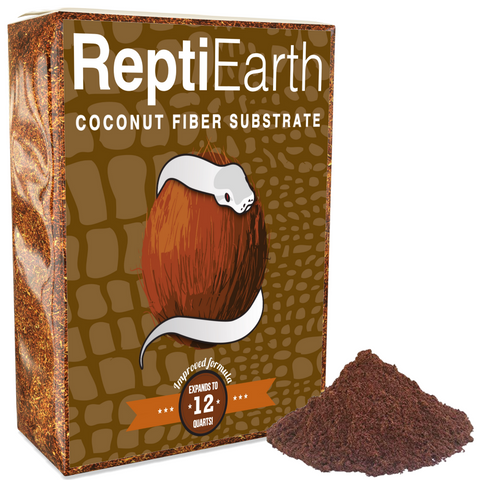
The substrate must support moderate humidity while remaining hygienic and safe. A bioactive substrate mix consisting of ReptiEarth blended with Tropical Base provides moisture retention and structural support for plant growth. For non-bioactive setups, a two to three inch layer of ReptiChip alone or mixed with ReptiEarth works well. These substrates retain moisture without becoming waterlogged and reduce the risk of impaction compared to particulate sands or gravel. Spot cleaning should occur regularly, with full substrate replacement as needed.
Avoid reptile carpet, as it harbors bacteria and can snag delicate toe pads. Paper towels may be used temporarily for quarantine or juvenile monitoring but are not suitable for long-term housing.
Environmental enrichment is essential. Dense artificial or live plants such as pothos, philodendron, or bromeliads provide visual security and climbing surfaces. Horizontal and diagonal branches of varying diameters promote muscle development and gripping strength. Cork bark slabs and tubes create naturalistic retreats. Leaf litter scattered across the substrate encourages exploratory behavior. Periodically rearranging climbing elements can stimulate curiosity and reduce stress. Enrichment can come in many forms and is for the stimulation of your animal. The five types of enrichment you can offer are food related, sensory, physical habitat, cognitive, and social. These categories have a vast variety of options to choose from that are appropriate for the species being enriched.
Humidity and Hydration
Gargoyle Geckos require moderate humidity levels between 50% and 70%, with nightly increases to 70% to 80% to simulate natural moisture cycles. Humidity should fluctuate rather than remain constantly saturated. A digital hygrometer with a probe should be placed mid-level within the enclosure to accurately monitor conditions.
Light misting in the evening is recommended to raise humidity and stimulate natural drinking behavior. The enclosure should be allowed to partially dry during the day before the next misting cycle. Overly wet conditions without ventilation can predispose the animal to respiratory infections.
A shallow water dish with fresh, dechlorinated water must always be available, even though many individuals prefer to drink droplets from leaves and enclosure surfaces after misting. Automated misting systems can be used for consistency, but care should be taken to avoid oversaturation of the substrate. In drier climates, partially covering screen tops with acrylic panels can help retain humidity while still allowing ventilation.
Proper hydration is reflected in skin elasticity, consistent shedding, and firm fecal consistency. Inadequate humidity may lead to retained shed, particularly on toes and tail tips, which must be addressed promptly to prevent constriction injuries. Accurate environmental monitoring and a balanced misting routine are the foundation of long-term respiratory and integumentary health in this species.
Diet & Supplementation
The Gargoyle Gecko is primarily an omnivore, with its diet in the wild consisting mainly of a combination of invertebrates, fruits, and nectar. In their natural habitat, these geckos are skilled hunters that predominantly rely on their agile tongues to capture small insects, such as crickets and various types of beetles. They are also known to consume softer fruits like figs and ripe bananas, which provide them with essential nutrients, carbohydrates, and moisture. The occasional consumption of nectar offers them a sugar boost necessary for energy metabolism. This diverse diet aids in fulfilling their nutritional requirements for both protein from insects and essential vitamins and minerals from fruit.
In the wild, Gargoyle Geckos utilize a combination of active foraging and ambush techniques to capture their prey. They often employ visual cues to locate insects and may use a sit-and-wait approach to capture unsuspecting prey. Their keen night vision allows them to identify and pursue insects in low-light conditions, which is particularly beneficial as they are primarily nocturnal. While they do not use heat-sensing pits or venom, their sharp teeth and quick reflexes prove effective in subduing prey. They are adapted for climbing and can often be found foraging in the lower canopy of rainforests, where they can easily access both insect prey and fruit.
Dietary shifts are noted throughout their life stages. Juvenile Gargoyle Geckos show a higher preference for protein-rich insects, which are vital for their growth and development. As they mature, their diet becomes more varied, incorporating greater amounts of fruit to maintain energy levels. Seasonal changes further influence their diet; during wetter months, when vegetation and insect populations are abundant, they may feed more frequently and increase fruit intake due to ease of access. In drier conditions, their feeding schedule may become more irregular as they depend on periodic insect and fruit availability.
In managed care, the diet of a Gargoyle Gecko needs careful consideration to replicate their natural intake while ensuring balanced nutrition. A combination of commercially available gecko diets designed specifically for fruit and insect consumption can effectively meet their dietary needs. These commercial diets are often fortified with necessary vitamins and minerals. It is crucial to supplement their food with calcium and vitamin D3 to prevent metabolic bone disease, especially when natural UVB exposure is limited. Fresh, gut-loaded insects such as crickets and mealworms should be offered regularly to meet their protein needs, while safe fruits like bananas or papayas can be provided as occasional treats.
Common feeding issues may include food refusal, which is often stress-related or due to unsuitable environmental conditions. Obesity is another concern, generally resulting from overfeeding or lack of physical activity. Conversely, malnutrition can occur if the diet lacks diversity or essential nutrients. Offering a variety of prey items and fruits can stimulate natural feeding behaviors and prevent dietary boredom. Mimicking natural foraging through environmental enrichment, such as placing food items on branches or within foliage, encourages physical activity and engagement. Establishing a regular feeding schedule that aligns with the gecko’s nocturnal nature ensures consistency and promotes healthy eating habits.
Reproduction
Gargoyle geckos reach sexual maturity gradually, with most females becoming reproductively viable between 18 and 24 months of age, provided they have achieved a robust body condition and a weight typically exceeding 45 grams. Males often mature slightly earlier, sometimes as early as 15 to 18 months, and may begin displaying reproductive behaviors once they develop enlarged hemipenal bulges at the base of the tail. Sexual dimorphism in this species is subtle but reliable: males possess visible hemipenal bulges and a row of preanal pores, while females lack both traits. Males may also develop slightly broader heads, though this characteristic is less consistent. Accurate sexing is essential prior to pairing, as same-sex cohabitation, particularly male-to-male, can result in severe aggression.
Courtship behavior is typically initiated by the male and includes persistent visual tracking, tongue-flicking, and tactile investigation of the female. The male will often approach cautiously before attempting to grasp the female by the neck or shoulder region with his jaws. This neck-biting behavior is a normal component of copulation and serves to secure positioning. Receptive females typically remain still, though they may initially attempt to flee if not fully receptive. If the female is not physiologically ready, she may resist vigorously, vocalize, or attempt to dislodge the male. Copulation usually occurs at night and may last anywhere from several minutes to over half an hour. Observers should monitor closely during introductions to ensure interactions do not escalate into aggression. Forced or prolonged harassment indicates incompatibility and necessitates separation.
Seasonal environmental cues play a critical role in stimulating reproductive cycling. In their native island habitat, breeding coincides with warmer, more humid months and increasing day length. In captivity, successful breeders replicate these conditions by implementing a mild cooling period during late fall or winter. This cooling phase typically involves reducing nighttime temperatures to approximately 65℉ to 68℉ and shortening the photoperiod to 10 hours of light daily for six to eight weeks. Daytime temperatures during this period may remain between 72℉ and 75℉. Following this simulated winter, gradual increases in light exposure to 12 to 14 hours daily and raising ambient temperatures to 75℉ to 80℉ help stimulate reproductive hormone production. Nighttime temperatures should return to 70℉ to 72℉. Consistent humidity levels between 60% and 80%, with regular misting that mimics seasonal rainfall, further enhance breeding responsiveness.
This species is oviparous, meaning females lay eggs rather than giving birth to live young. Successful copulation generally requires direct pairing rather than colony-style breeding. The most reliable strategy is to introduce one male to one female in a neutral or female-established enclosure during the early evening hours. Continuous cohabitation can be practiced during the breeding season if the female tolerates the male and maintains body condition, but many keepers prefer temporary introductions every few weeks to minimize stress. Enclosures used for breeding should provide ample vertical climbing space, foliage for visual barriers, and stable environmental conditions. A minimum enclosure size of 18 inches wide by 18 inches deep by 24 inches tall is necessary for a pair, though larger spaces improve behavioral comfort and reduce territorial stress.
Adequate nutrition prior to and during the breeding season is fundamental to reproductive success. Females must possess sufficient fat reserves and receive a calcium-rich diet before pairing, as follicle development is nutritionally demanding. Underweight females or those recovering from recent reproductive efforts should not be bred. Males likewise require strong body condition but are less physiologically taxed than females. Hydration is equally vital; dehydration can impede follicular development and mating receptivity.
Several challenges commonly arise during breeding. Mate incompatibility is one of the most frequent issues. Some females consistently reject certain males, resulting in repeated aggression or stress. Rotating males or allowing extended separation before reintroduction can improve receptivity. Stress from excessive handling, enclosure disturbances, or cohabitation with incompatible individuals may suppress reproductive behaviors. Maintaining stable environmental parameters and minimizing disruptions during the breeding season greatly increases success rates.
Another significant challenge is overbreeding of females. Because this species is capable of producing multiple clutches within a season, continuous male presence can lead to excessive reproductive cycling, resulting in weight loss and long-term health decline. Strategic separation after confirmed copulation helps prevent this problem. Additionally, improper seasonal cycling, such as skipping the cooling period or failing to adjust photoperiod, may result in reduced fertility or complete lack of breeding interest. Careful simulation of natural seasonal patterns remains one of the most reliable predictors of reproductive success. Complications in breeding females include egg binding, where the female is unable to pass fully developed eggs. Symptoms include prolonged lethargy, visible retained eggs, straining, or refusal to eat. Egg binding is often associated with inadequate calcium, dehydration, low temperatures, or absence of a suitable nesting site. This condition requires prompt veterinary intervention.
By combining careful sex identification, controlled seasonal cycling, strategic pairing, nutritional management, and close behavioral monitoring, breeders can reliably stimulate natural courtship and copulation behaviors in this species while minimizing stress and health risks.
Incubation & Neonate Care
The Gargoyle Gecko is an oviparous species, meaning females lay eggs rather than giving birth to live young. After a successful mating, the female undergoes a process of internal fertilization followed by egg development. Gravid females typically ovulate and lay clutches every four to six weeks during the breeding season, which generally occurs in warmer months when daylight duration and ambient temperatures are elevated. A mature, well-conditioned female usually lays two eggs per clutch, though first-time breeders occasionally lay a single egg. Females are capable of storing sperm for several months, allowing them to produce multiple fertile clutches from a single pairing.
Prior to laying, the female will search for a suitable nesting site. In captivity, a lay box should be provided to prevent egg dehydration and reduce stress. This can be a small enclosed container filled with three to four inches of moist, but not wet, substrate such as TropicalBase, sphagnum moss, coconut fiber, or a soil and sand mixture that holds humidity without becoming saturated. The laying medium should clump lightly when squeezed but should not drip water. Enclosure humidity should remain between 60% and 80% while gravid to support proper egg formation and prevent dehydration. Females require adequate calcium supplementation before and during the breeding season to prevent metabolic depletion and reduce the risk of egg binding.
Once laid, the eggs should be carefully removed for artificial incubation unless the enclosure is specifically designed for safe in situ incubation. Eggs are typically adhered lightly together and should not be forcibly separated if stuck. They must be placed in an incubator on a moisture-retentive substrate such as vermiculite or perlite, mixed by weight at approximately a 1:1 ratio with water, or on a commercial reptile incubation medium. Eggs should be half-buried or placed in shallow indentations to maintain stability while allowing gas exchange.
The optimal incubation temperature range is 72℉ to 78℉. At 75℉, the average incubation period is approximately 70 to 90 days. Incubation duration is temperature-dependent; slightly warmer temperatures accelerate development, while cooler temperatures prolong it. However, temperatures persistently above 80℉ may increase embryo mortality and the likelihood of developmental abnormalities. This species does not exhibit well-documented temperature-dependent sex determination in the same way many reptiles do; hatchling sex is not reliably manipulated through incubation temperature in typical captive ranges.
Incubation humidity within the egg container should remain high, generally between 80% and 100% relative humidity inside the box, though the surrounding incubator air may be lower. The egg substrate must remain moist but not saturated. Excessive moisture may cause fungal growth or embryo drowning, while insufficient moisture causes egg denting and desiccation. Slight denting late in incubation can be normal prior to hatching.
As hatching approaches, eggs often collapse slightly and may show increased translucency. Hatchlings use an egg tooth to slit the leathery shell and may rest partially emerged for several hours while absorbing residual yolk. This pause is normal and intervention is rarely warranted. Prematurely cutting eggs carries a substantial risk of hemorrhage or yolk sac damage and should not be performed unless an experienced breeder identifies a clear emergency.
Newly hatched Gargoyle Geckos typically measure around 2.5 to 3 inches in total length. Hatchlings may remain relatively inactive for the first 24 to 48 hours as they absorb residual yolk reserves. They should be housed individually in small, well-ventilated enclosures to prevent stress, competition, or accidental tail loss. Suitable enclosures may measure approximately 6 to 12 inches in length and height, outfitted with climbing branches, foliage, and hiding areas. Paper towel substrate is recommended initially for hygiene and ease of monitoring.
Neonate temperatures should mirror adult nighttime gradients but with particular stability. Ambient temperatures should range from 72℉ to 78℉, with a mild daytime increase not exceeding 80℉. Nighttime drops to 68℉ to 72℉ are acceptable. Humidity should be maintained between 70% and 80%, with light misting once or twice daily to provide hydration and stimulate drinking. Proper ventilation is essential to prevent stagnant, overly saturated conditions that predispose hatchlings to respiratory infections.
First feeding usually occurs after the first shed, which typically happens within 3 to 5 days of hatching. Hatchlings readily accept appropriately prepared fruit-based gecko diet formulas offered in small quantities. Food should be replaced every 24 hours. After one to two weeks, small live insects such as pinhead crickets or small roaches may be introduced once or twice weekly. All insects must be appropriately sized, no longer than the width of the hatchling’s head, and lightly dusted with calcium.
Fresh water should always be available in shallow containers, though most hydration comes from licking droplets after misting. Dehydration is a common risk in neonates and presents as wrinkled skin, lethargy, or poor shedding. Incomplete sheds, particularly around the toes and tail tip, must be addressed promptly with controlled humidity adjustments to prevent constriction injuries.
Handling should be minimized during the first several weeks to reduce stress and prevent tail autotomy. Hatchlings are quick, delicate, and prone to sudden jumping behavior. Regular but limited visual health checks are preferable to frequent physical interaction.
With stable temperatures, appropriate humidity, proper nutrition, and individualized housing, neonate Gargoyle Geckos typically grow steadily and transition to juvenile care protocols within a few months. Careful attention to early hydration, calcium intake, and environmental stability is critical to ensuring strong skeletal development and long-term health.
Conclusion
In summary, the successful care and breeding of Gargoyle Geckos require a comprehensive understanding of their natural history, environmental needs, and behavioral characteristics. This species, while resilient, thrives in managed care only when provided with conditions that closely mimic their native habitat in New Caledonia. Vertical spaces, high humidity, and moderate temperatures are essential for replicating their arboreal lifestyle and promoting natural behaviors.
Attention to their omnivorous diet is critical; offering a balanced combination of commercial gecko diets, fresh gut-loaded insects, and suitable fruits ensures adequate nutrition. Environmental enrichment through diverse climbing structures and foliage stimulates activity and promotes physical and mental well-being. Conditions should prevent stressors such as inadequate space, improper substrate, and fluctuating temperatures to maintain gecko health and encourage normal feeding and breeding behaviors.
Effective reproductive management in this species necessitates precise environmental control and careful pairing. Breeding success hinges on replicating seasonal climatic changes, providing suitable nesting materials, and monitoring for common issues such as egg binding or mate incompatibility. Ultimately, the key to thriving geckos lies in meticulous care and a deep understanding of their ecological and behavioral adaptations, allowing keepers to foster both individual health and sustainable managed populations.