Natural History
The False Water Cobra is a large, semi-aquatic, South American colubrid primarily found in the tropical and subtropical, humid, wetland habitats of Brazil, Bolivia, Paraguay, and northern Argentina. This species undergoes a gradual yet dramatic transformation from a slender, alert hatchling to a powerful, thick-bodied adult. Hatchlings typically measure between 10 and 15 inches in length and are already independent at birth, equipped with functional fangs positioned toward the rear of the mouth. This is considered rear-fang venomous, and while their venom is generally not fatal to humans it can cause localized, long-lasting discomfort. Symptoms include intense local pain, significant swelling (edema), itching, and bruising. Venom is delivered by chewing their prey, so quick removal if bitten can minimize symptoms.
Hatchlings typically measure between 10 and 15 inches in length and are already independent at birth, while juveniles display rapid growth during their first two years, often reaching 4 to 5 feet in length when provided with consistent access to prey. Adults commonly reach lengths between 5 and 7 feet, with some exceptional individuals exceeding 8 feet. Growth rates are influenced by food availability, temperature stability, and overall environmental quality. In captivity, individuals commonly live 15 to 20 years when maintained under optimal conditions, and some may exceed this with exemplary husbandry.
Behaviorally, this species is notable for its intelligence, responsiveness, and high activity levels. In the wild it is associated with the Upper Paraná Atlantic Forest, the Cerrado biome, riverine grasslands, and swamps. Unlike many snakes, the False Water Cobra frequently engages in active foraging, using a combination of visual acuity and chemical cues gathered through tongue-flicking to locate prey. It is primarily diurnal, meaning it is most active during daylight hours, though individuals may shift activity patterns in response to temperature, prey movement, or human disturbance. Strong swimming ability allows it to exploit aquatic environments effectively, and it will readily enter water to hunt or evade threats.
This species displays a broad and opportunistic feeding strategy. In the wild, it consumes amphibians, fish, small mammals, birds, bird eggs, and other reptiles. Juveniles rely heavily on amphibians and small aquatic prey, while adults expand their diet to include larger vertebrates. Its rear-fanged venom system is well suited for subduing slippery or struggling prey, particularly amphibians. It uses a combination of mild venom and strong constriction to secure food. The species’ feeding behavior is deliberate and often investigative, demonstrating problem-solving capability that reptile keepers frequently observe in managed individuals.
When threatened, the False Water Cobra exhibits one of its most distinctive defensive displays. It flattens its neck to create a hood-like appearance reminiscent of true cobras, although it is not closely related to them. This dramatic posture is accompanied by body flattening, hissing, and mock strikes. The display serves to make the snake appear larger and more intimidating to potential predators. If the bluff fails, it may strike defensively or attempt rapid escape, often heading toward water. This combination of visual intimidation and swift retreat reflects its reliance on both deterrence and environmental familiarity for survival.
Socially, this species is solitary outside of breeding contexts and does not display social bonding or group behavior. Individuals may occupy overlapping territories in productive habitats but generally avoid prolonged interaction. They are highly exploratory, covering considerable distances in search of food and suitable shelter sites. Preferred refuges include burrows, dense vegetation, and debris piles near water sources. Their comfort in both terrestrial and semi-aquatic microhabitats makes them particularly adaptable within their native range.
Ecologically, the False Water Cobra occupies the role of a mid- to upper-level predator. By consuming amphibians and small vertebrates, it helps regulate populations that might otherwise grow unchecked, contributing to overall ecological balance within wetland and riparian systems. In turn, juveniles may fall prey to birds of prey, larger snakes, and mammalian carnivores, while adults face fewer natural predators due to their size and defensive capabilities. Their reliance on wetland ecosystems also makes them indicators of environmental health; declines in water quality or amphibian populations can directly impact local numbers.
A series of environmental adaptations support the species’ success. Strong swimming ability, resistance to the toxins of certain amphibian prey, an expandable hood display for defense, and a flexible, opportunistic diet all allow it to thrive in seasonal floodplains where prey availability changes throughout the year. Its active daytime behavior enables efficient thermoregulation under tropical sunlight, while access to water moderates body temperature during heat extremes.
Understanding the life cycle, active nature, and ecological function of the False Water Cobra reveals a highly dynamic predator adapted to complex wetland environments. For reptile keepers, recognizing these natural patterns is essential. This is not a sedentary, reclusive snake but an alert, exploratory species shaped by movement, environmental diversity, and opportunistic feeding within one of South America’s most productive ecosystems.
Conservation Status
The false water cobra is classified as Least Concern on the IUCN Red List, with the last assessment completed in 2014. The population trend is currently stable. A classification of Least Concern indicates that the species is widespread and abundant in its natural habitat. These animals do not face an immediate threat of extinction, and their overall population health is considered to be stable, supporting a diverse and healthy ecosystem. The species’ distribution spans a vast geographic range, which contributes to this favorable conservation status.
Despite this classification, there are significant factors that could potentially threaten the false water cobra if not monitored and managed. Habitat destruction is one of the primary threats to this species, often driven by agricultural expansion and urban development that leads to deforestation and alteration of their natural habitat. While currently stable, their environment is susceptible to degradation from these changes, diminishing available resources and altering critical living conditions.
Climate change presents another substantial threat to the false water cobra. Changes in weather patterns can impact the availability of prey and suitable living environments, leading to potential population shifts and increased mortality rates. Additionally, while the false water cobra is not currently targeted significantly by the illegal wildlife trade, any increase in poaching due to demand for exotic pets or their skin could have detrimental effects on their wild populations.
Various conservation efforts are underway to mitigate these threats and ensure the continued survival of the false water cobra. Protective laws that restrict habitat destruction and hunting are crucial components in conserving their populations. Wildlife reserves in their native habitat zones play a pivotal role by offering safe environments where the species can thrive without human disturbance. Although the false water cobra is not currently the focus of large-scale captive breeding programs due to its Least Concern status, existing initiatives facilitate breeding and study of the species, ensuring a safety net against unforeseen declines in wild populations.
Habitat restoration projects are instrumental in preserving the environments that the false water cobra calls home, promoting biodiversity and ecological health. Educating the public, especially within local communities, about the importance of this species and its role in their ecosystem is equally critical to conservation success. By fostering an understanding and respect for these animals, these efforts aim to maintain the stability of their population and contribute to broader ecological balance.
Native Range
Within their distribution it is associated with major river systems and seasonally flooded lowlands, including expansive wetlands such as the Pantanal and adjacent floodplains. Although the species has a relatively wide geographic range, its presence is closely tied to suitable freshwater habitats, making its distribution patchy and dependent on wetland availability rather than uniformly continuous across all regions.
At the macrohabitat level, this species occupies tropical and subtropical savannas, marshlands, gallery forests, wet grasslands, and seasonally inundated plains. It is commonly found in mosaics of open Cerrado savanna interspersed with wetlands, as well as in the edges of semi-deciduous forests bordering rivers and streams. In the southern parts of its range, it may also inhabit humid subtropical grasslands and riparian woodland. While not strictly aquatic, it is strongly associated with freshwater environments and is considered semi-aquatic in both behavior and habitat use.
Within these broader ecosystems, the false water cobra selects specific microhabitats that provide moisture, cover, and prey availability. It is frequently encountered along the margins of slow-moving rivers, oxbow lakes, ponds, irrigation canals, and marshes. Individuals often shelter in dense grasses, under leaf litter, inside abandoned mammal burrows, beneath fallen logs, or within thick shrubbery close to water. During periods of extreme heat or dryness, they may retreat to burrows or shaded vegetative cover to maintain hydration and thermoregulation. In flooded conditions, they readily move through shallow water and are strong swimmers, hunting amphibians and fish along vegetated shorelines. The combination of terrestrial shelter and close proximity to water is a defining characteristic of their preferred microhabitat.
Climatically, the species inhabits regions characterized by warm temperatures year-round, with distinct wet and dry seasons in much of its range. Average daytime temperatures in the active season commonly range from 80℉ to 95℉, with nighttime temperatures often remaining in the 70s. During cooler months, especially in the southernmost portions of its range, nighttime temperatures may drop into the low 60s, and activity levels decrease accordingly. Annual precipitation varies by region but frequently ranges between 40 and 60 inches per year, much of it concentrated in a pronounced rainy season. During this wet period, large areas of habitat may flood extensively, dramatically expanding available aquatic foraging grounds. In contrast, the dry season leads to shrinking water sources, concentrating both prey and predators around remaining wetlands. Relative humidity is generally moderate to high, commonly ranging from 60 to over 90 percent in wetland environments, particularly during the rainy season.
Elevation across the species’ range is primarily lowland, with most populations occurring from near sea level up to approximately 3,000 feet above sea level. It is most abundant in flat or gently undulating floodplains and savannas rather than in steep or mountainous terrain. The predominance of low-elevation wetlands and grassland ecosystems strongly influences its ecology and behavior.
Several environmental factors are critical for the survival of this species. Reliable access to freshwater is paramount, both for hydration and foraging. Dense ground-level vegetation provides necessary cover from predators and environmental extremes. Soft, penetrable substrates such as moist soil or sandy loam facilitate burrow use and refuge-seeking behavior. Seasonal flooding cycles are also ecologically significant, as they influence breeding activity, prey abundance, and spatial distribution. The integration of aquatic and terrestrial elements within a warm, humid climate defines the ecological niche of the false water cobra and shapes its behavior, physiology, and life history in the wild.
Behavior
The False Water Cobra is a primarily diurnal colubrid that displays peak activity during daylight hours, especially in the morning and late afternoon when environmental temperatures are moderate. Activity levels are closely tied to temperature, rainfall, and seasonal prey availability. During the wet season, individuals are significantly more active, taking advantage of increased amphibian populations and expanded aquatic habitat. In cooler or drier periods, activity may decrease, and individuals may spend extended periods sheltered in burrows, under dense vegetation, or within debris piles. In regions that experience a noticeable drop in temperature, they may enter a state of reduced metabolic activity similar to mild brumation, though this is not as prolonged or pronounced as in temperate species.
This species is generally solitary outside of the breeding season. Adults maintain loosely defined home ranges and do not form social groups. However, they are not as rigidly territorial as many other large colubrids. When two individuals encounter one another outside of breeding context, conflict is usually avoided through display rather than physical combat. Males may engage in ritualized combat during the breeding season, which involves body elevation, pushing, and attempts to overpower the opponent without biting. Breeding typically coincides with seasonal changes that signal increased prey abundance. Courtship involves tactile stimulation, tongue-flicking, and alignment of the bodies. Females are oviparous and deposit clutches in moist, concealed locations. There is no parental care after oviposition, though gravid females may become more defensive prior to laying.
The False Water Cobra is highly responsive to environmental stimuli. In the wild, individuals are often observed basking at the edges of water bodies during the morning. If ambient temperatures exceed their optimal range, they readily retreat to water or burrows. They are sensitive to photoperiod changes, which influence seasonal cycles of feeding and reproduction. Humidity plays a significant role in their comfort and shedding; in dry conditions, they will actively seek wetter microhabitats.
Prey detection relies heavily on chemosensory input via tongue-flicking and the Jacobson’s organ. Visual acuity is also well developed, particularly for detecting movement. This species consumes a broad diet that includes amphibians, fish, small mammals, birds, and other reptiles. In aquatic settings, it may forage actively in shallow water, using lateral body movements to corner fish or amphibians. On land, it employs active search predation rather than ambush tactics, investigating cover objects and burrows. Juveniles consume proportionally more amphibians, while adults expand their diet as size increases.
When confronted with predators, the False Water Cobra exhibits one of its most distinctive behaviors: dramatic defensive hooding. Unlike true cobras, its hood is formed by elongating and flattening the cervical ribs and spreading the neck. This display is accompanied by body inflation, loud hissing, striking motions, and vertical elevation of the body. The species is opisthoglyphous, possessing enlarged rear fangs and producing venom that is primarily adapted for subduing prey. In defensive situations, it may also deliver rapid, repeated strikes. If intimidation fails, it may flee quickly toward water or dense cover. Juveniles sometimes display tail vibration to simulate rattlesnake behavior in leaf litter.
Locomotion is both terrestrial and aquatic. This species is a strong swimmer and frequently utilizes water for hunting and evasion. It can remain submerged for extended periods when threatened. On land, it moves with smooth, deliberate serpentine motion and is capable of surprising speed. While not arboreal by specialization, it can climb low vegetation when necessary.
In managed care, behavior often differs due to environmental predictability and absence of predators. Individuals frequently become more confident and display reduced flight responses when provided with consistent husbandry and minimal stress. However, they retain strong feeding responses and can become highly food-motivated. Some individuals exhibit defensive hooding more readily in confined enclosures, particularly if they feel cornered. Proper enclosure size, visual barriers, and multiple hiding areas significantly reduce stress displays.
Feeding behavior may shift toward stronger prey fixation, and individuals can develop overly aggressive feeding responses if not managed carefully. Target training or hook training is often beneficial to distinguish feeding from handling interactions. Without adequate environmental complexity, specimens in human care may show signs of restlessness, nose rubbing, or persistent pacing along enclosure boundaries. Environmental enrichment, such as varied substrate depth, water areas large enough for full-body soaking, climbing branches, and rearranged furnishings, helps encourage natural exploration behaviors.
Humidity and access to water play a particularly important role in captive welfare. Individuals deprived of adequate moisture may exhibit incomplete shedding and increased irritability. When provided with stable temperature gradients, appropriate humidity, and security, the False Water Cobra typically demonstrates inquisitive and exploratory behavior, spending daylight hours actively investigating its environment.
Overall, the False Water Cobra is an alert, highly adaptive, and behaviorally complex species. Its combination of active foraging, strong defensive displays, and semi-aquatic tendencies distinguishes it from many other large colubrids. In captivity, understanding and accommodating its natural behavioral repertoire is essential for minimizing stress and promoting long-term health.
Husbandry Requierments
Enclosure Design
False Water Cobras are large, highly active, semi-aquatic colubrids that require spacious enclosures designed to accommodate both terrestrial and aquatic behaviors. Adult females can exceed 6 feet in length, with some individuals approaching 8 feet, while males are typically smaller. Due to their size, intelligence, and constant movement, minimum enclosure dimensions for an adult should be no less than 6 feet long, 3 feet wide, and 3 feet tall. Larger enclosures, such as 7 to 8 feet long, are strongly encouraged, especially for large females. Juveniles can begin in enclosures measuring approximately 36 inches long, 18 inches wide, and 18 inches tall, but they grow rapidly and should be upgraded within their first year.
Front-opening enclosures constructed from sealed PVC, high-quality reptile-grade plastic, or marine-grade plywood with waterproof sealing are strongly recommended. These materials retain heat efficiently while resisting water damage from high humidity and large water features. Glass enclosures may be used for juveniles but are often inadequate for adults due to heat retention issues and size limitations. Adequate cross-ventilation is critical; ventilation panels should be positioned to allow airflow without drastically reducing humidity.
Interior layout must provide both land and water zones. In the wild, this species inhabits marshes, flooded grasslands, and forest edges, frequently hunting in shallow water. A large, sturdy water basin that allows full body submersion is essential. For adults, this should measure at least 24 to 36 inches long and deep enough for soaking, with easy entry and exit points. Many keepers install custom-built aquatic sections or modified litter pans secured to prevent tipping.
On the terrestrial side, provide multiple secure hides, at least one on the warm side and one on the cooler side. Hides should be snug-fitting to reduce stress. Branches, driftwood, and elevated platforms are essential, as this species will climb and perch despite being heavy-bodied. Basking platforms should be securely anchored to support their weight. Visual barriers created with cork bark rounds, live or artificial plants, and background panels reduce stress and promote natural exploratory behavior.
Given their strength and intelligence, enclosures must have locking doors. This species is highly adept at pushing through unsecured lids or sliding doors. All seams should be sealed, and cable ports must be tightly fitted to prevent escape.
Lighting and Heating
False Water Cobras require a well-defined thermal gradient to support digestion, immune function, and normal metabolic activity. A basking surface temperature of 88℉ to 92℉ should be provided. The warm side ambient temperature should range from 82℉ to 85℉, while the cool side should remain between 75℉ and 78℉. At night, temperatures may safely drop around 72℉ to 75℉, but should not fall below 70℉ for extended periods.
Overhead radiant heat panels, ceramic heat emitters, or halogen basking bulbs are appropriate heating elements. Every heating device must be controlled by a reliable thermostat to prevent overheating. Heat rocks must never be used, as they pose a serious burn risk and do not provide naturalistic heat distribution.
Although this is a diurnal species and frequently active during daylight hours, moderate UVB exposure significantly benefits long-term skeletal health, neuromuscular function, and overall vitality. A linear UVB fixture spanning at least half the enclosure length is recommended. A 5%
to 7% percent UVB output is appropriate when mounted 12 to 18 inches above the basking area, depending on manufacturer specifications. The snake must be able to move in and out of UVB exposure at will. UVB bulbs should be replaced according to manufacturer guidelines, typically every 10 to 12 months.
A photoperiod of 12 hours of light and 12 hours of darkness is suitable for most of the year. Seasonal cycling, with a reduction to 10 hours of daylight during winter months, may stimulate natural cycling behaviors in mature individuals. Consistent lighting schedules regulated by timers help reduce stress and maintain circadian rhythms.
Substrate and Enrichment
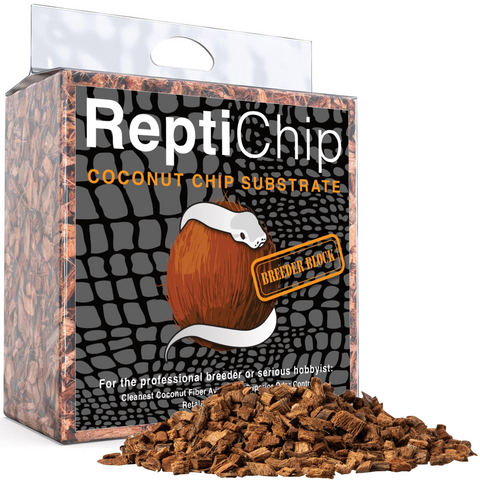
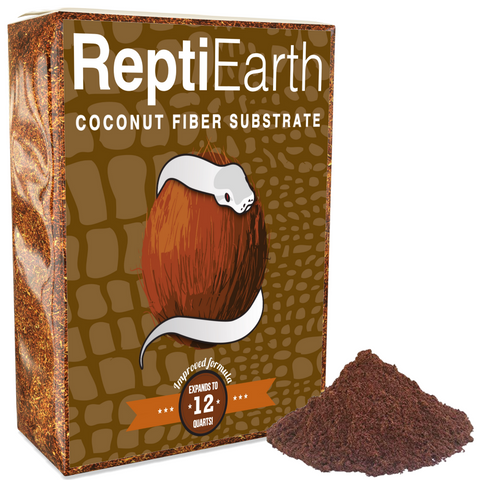
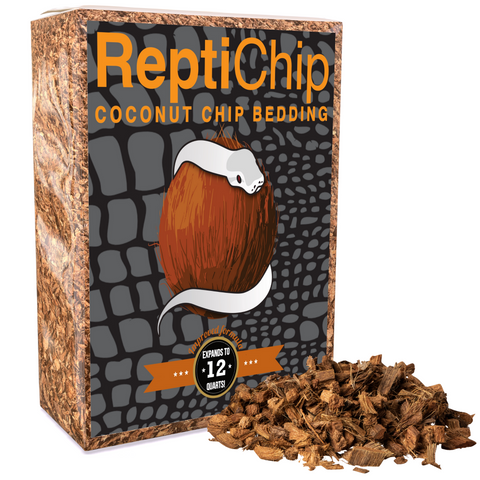
In the wild, False Water Cobras inhabit moist soils, leaf litter, and marshy terrain. Captive substrate must retain moisture without becoming waterlogged and must allow limited burrowing behavior. A mixture of ReptiChip and ReptiEarth creates an ideal base, combining moisture retention with structural stability. This mixture should be maintained at a depth of 3 to 5 inches to support natural foraging and rooting behaviors. TropicalBase may also be incorporated to enhance humidity.
Substrates should never consist of fine sand, walnut shell, or dry particulate matter that increases the risk of ingestion or impaction. Reptile carpet is inappropriate due to its inability to support humidity and its tendency to harbor bacteria. Spot cleaning should be performed daily, with full substrate replacement occurring regularly depending on enclosure size and sanitation needs.
Environmental enrichment is essential for this intelligent and food-motivated species. Rearranging branches and introducing new climbing opportunities encourages exploration. Puzzle feeders, scent trails using prey items, and varied feeding presentations stimulate natural hunting behaviors. Elevated basking shelves, partially submerged branches, and dense plant cover promote both terrestrial and semi-aquatic activity. Enrichment can come in many forms and is for the stimulation of your animal. The five types of enrichment you can offer are food related, sensory, physical habitat, cognitive, and social. These categories have a vast variety of options to choose from that are appropriate for the species being enriched.
Multiple hides of varying sizes should be rotated occasionally to maintain novelty. Providing tactile diversity through cork bark, smooth driftwood, and textured climbing surfaces enhances environmental complexity and reduces stereotypic pacing.
Humidity and Hydration
False Water Cobras originate from humid, tropical environments and require moderate to high humidity levels. Ideal ambient humidity ranges between 60% and 80%. Short-term fluctuations are tolerated, but chronic dryness can result in incomplete shedding and respiratory compromise.
Humidity can be maintained by using a moisture-retentive substrate mixture such as ReptiChip combined with ReptiEarth, lightly misting the enclosure once or twice daily as needed, and incorporating a large water basin. Adding TropicalBase can also add to retaining humidity in enclosures. Partial enclosure coverage may help retain moisture, but adequate ventilation must be preserved to prevent stagnant air.
Manual misting with dechlorinated water is typically sufficient. Automated misting systems may be used in large enclosures, particularly those with live plants. Humidifiers can supplement humidity but should not fully saturate the enclosure or create persistently damp surfaces. Overly wet conditions without airflow increase the risk of skin infections and respiratory illness.
A large, clean water basin must always be available. This species frequently soaks and may defecate in water, necessitating frequent cleaning and disinfection. Many individuals drink directly from standing water; some may also drink from droplets following misting. Water should be changed at least once daily or immediately if soiled.
Accurate digital hygrometers should be used to monitor humidity on both the warm and cool sides of the enclosure. Placement at mid-level height improves reliability. Consistent monitoring ensures that environmental conditions remain stable and within the appropriate range for long-term health.
Diet & Supplementation
The False Water Cobra is a fascinating reptile with diverse dietary habits, adapted to its semi-aquatic lifestyle in the wild. In their natural habitat, these snakes are carnivorous, with a diet consisting predominantly of amphibians, fish, small mammals, and birds. They are also known to eat reptiles such as other snakes and lizards occasionally. Interestingly, the False Water Cobra has demonstrated dietary flexibility, allowing it to thrive in various environments by utilizing available prey. This adaptability contributes to its success as a species.
In terms of feeding strategy, the False Water Cobra employs a combination of active foraging and ambush predation, often relying on its ability to swim efficiently to capture prey in aquatic settings. While not possessing true venom like some snake species, it does have slightly enlarged rear fangs linked to a salivary secretion capable of subduing prey. However, this mild venom is not considered dangerous to humans. These snakes are skilled hunters, using acute olfaction to detect chemical cues and, to some extent, visual tracking to locate and capture prey.
The diet of the False Water Cobra can vary with age and season. Juvenile snakes generally consume smaller prey items more frequently, reflecting their rapid growth and higher metabolic demands. As they mature, their dietary preference shifts towards larger prey, with less frequent meals but greater nutritional intake. In the wild, feeding frequency and prey availability may also vary with seasonal changes, prompting snakes to adapt their hunting strategies and food intake accordingly.
When maintaining a False Water Cobra in captivity, care should be taken to replicate its natural diet as closely as possible while accommodating its nutritional needs. In managed care, these snakes are often fed a diet primarily consisting of rodents, such as mice and rats, owing to the availability and nutritional content of these food sources. Although fish and amphibians can be offered occasionally to diversify the diet, their regular consumption may require careful consideration of potential nutrient deficiencies or imbalances. If feeding chicks as part of a diet consideration should be taken to feed sparingly as the yolk from the chicks can cause issues such as obesity if overfed. Supplementing their diet with calcium and vitamins is advisable, particularly when feeding prey with lower inherent nutritional value.
Captive care can sometimes present challenges, such as food refusal or malnutrition due to improper prey size or selection. To promote healthy feeding behavior, it's essential to offer prey items that approximate the natural diet in terms of size and variety. Environments that simulate natural hunting conditions, such as providing enrichment through water features for a more dynamic feeding routine, may encourage natural feeding behaviors. Individuals can safely be fed prey items up to one and a half times the widest part of their body.
Common issues like obesity or underfeeding in human care can be mitigated by establishing a regular, but varied, feeding schedule. Monitoring the snake's weight and adjusting the frequency and size of meals is crucial to prevent health problems. Additionally, offering pre-killed prey can reduce the risks associated with live feeding, such as injury to the snake, while still fulfilling its dietary needs. By understanding and addressing these dietary requirements, keepers can ensure the health and longevity of the False Water Cobra.
Reproduction
False Water Cobras reach sexual maturity relatively quickly compared to many large colubrids. Males are typically capable of reproduction between 18 and 24 months of age, often at lengths of 4 to 5 feet, while females generally mature later, at approximately 30 to 36 months, and should be no less than 5 to 6 feet in length and in robust body condition before breeding is attempted. Sexual dimorphism is subtle but present. Males tend to be longer and more slender, with proportionally longer tails and slightly more pronounced hemipenal bulges. Females are usually heavier-bodied with shorter, more tapered tails.
During the breeding season, males display increased activity levels and exploratory behavior. Courtship often begins with persistent tongue-flicking and tactile stimulation, with the male aligning his body alongside the female. He may rub his chin along her back and attempt cloacal alignment while engaging in gentle body motions mimicking waves. Combat between males has been documented when more than one male is introduced to a receptive female, involving intertwining and pushing rather than overt biting. Females may exhibit avoidance behaviors if unreceptive, including rapid movement away or defensive posturing. Successful courtship culminates in copulation, which can last from 30 minutes to several hours. Multiple copulations over several days are common and may increase the likelihood of successful fertilization.
Environmental cycling is a key component in stimulating reproductive behavior. Although this species originates from subtropical and tropical regions of South America, it does experience seasonal variations in rainfall and temperature. In captivity, breeders commonly simulate a mild cooling and drying period to trigger reproductive readiness. Daytime ambient temperatures that are normally maintained around 78℉ to 82℉ can be gradually reduced to 72℉ to 75℉ over a four- to six-week period, with nighttime temperatures dropping to 70℉ to 72℉. Simultaneously, the photoperiod may be reduced to 8–10 hours of light per day. Humidity can be allowed to fluctuate slightly lower than typical maintenance levels, though it should not fall below 50% for extended periods. After this conditioning phase, gradual increases in temperature back to 80℉ to 84℉ during the day and an extension of light to 12–14 hours per day, along with increased misting to simulate seasonal rains, frequently stimulate courtship and follicular development. Introducing the male shortly after this warming and humidification phase often results in rapid breeding behavior.
False Water Cobras are oviparous and do not require communal breeding groups. In human care, they are best managed as solitary animals outside of controlled breeding introductions. Pairing should take place in a spacious, neutral enclosure, ideally at least 4 feet long and 2 feet wide to allow adequate movement and courtship behavior. The enclosure should contain ample cover, visual barriers, and a large water basin, as hydration and access to water play important roles in overall reproductive health. Because this species is semi-aquatic, elevated humidity levels between 60% and 80% during the active breeding phase support proper shedding and physiological readiness. While long-term cohabitation is not recommended due to the potential for stress or aggression, short-term supervised introductions lasting several days to a week are typically sufficient to achieve copulation.
Body condition plays a critical role in reproductive success. Females should be well-muscled and neither obese nor underweight prior to breeding. Heavy feedings should be offered at least three weeks before brumation. Excessive fat deposition can impair fertility, while insufficient caloric reserves may result in follicular stasis or reabsorption. A varied diet of appropriately sized rodents, supplemented occasionally with birds or fish to mimic natural diversity, helps maintain optimal reproductive health. Calcium balance is particularly important for females entering vitellogenesis, and nutritional deficiencies may contribute to reproductive complications. Tracking female follicular development using palpation or ultrasound can also help time introductions more precisely, improving the likelihood of successful copulation.
Breeding challenges most often stem from improper environmental cycling, incompatible pairings, or stress. If seasonal cues are insufficient or inconsistent, females may not develop follicles, and males may show little interest in courtship. Extending the cooling period slightly or refining temperature gradients often resolves this issue. Incompatibility between individuals may manifest as persistent avoidance or defensive behavior from the female, or excessive forcefulness from the male. In such cases, separating the pair and attempting reintroduction after several weeks can improve outcomes. Rotating males between females, when available, may also enhance breeding success.
Stress is another significant barrier to reproduction. This species is intelligent and reactive, and excessive handling, high enclosure traffic, or inadequate hiding areas can suppress reproductive behaviors. Providing multiple secure retreats, minimizing disturbances during the breeding cycle, and ensuring proper enclosure size are essential. Additionally, breeders must monitor closely for signs of aggression or exhaustion during extended pairings. Timely separation after confirmed copulation prevents unnecessary stress and reduces the risk of injury. Egg binding is an uncommon but serious reproductive complication in adult females and usually results from inadequate nesting conditions, dehydration, poor calcium balance, or insufficient thermal support. Signs include prolonged straining, lethargy, and visible retained eggs. Immediate veterinary intervention is required in suspected cases.
When environmental conditions, nutrition, and social management are carefully optimized, False Water Cobras breed reliably in managed care. Their adaptability and robust reproductive response make them a productive species for experienced keepers who can provide the space, environmental precision, and behavioral observation required for consistent success.
Incubation & Neonate Care
The False Water Cobra is an oviparous species, meaning it reproduces by laying eggs rather than giving live birth. Breeding generally follows a seasonal cooling period, which simulates natural environmental changes and stimulates reproductive cycling. After successful mating, females undergo a gestation period of approximately 60 to 90 days before laying eggs. During this time, increased caloric intake and appropriate thermal gradients are critical to support follicular development and shell formation.
Gravid females often exhibit behavioral changes in the weeks leading up to egg deposition. Appetite may decrease or cease entirely, and restless exploratory behavior commonly increases as the female seeks a suitable nesting site. In captivity, a nesting box should be provided once mid-body swelling and palpably developed eggs are evident. A properly designed nesting box can be a secure container measuring approximately 12 to 18 inches in length and width, filled with 4 to 6 inches of slightly moist substrate such as sphagnum moss, coconut fiber such as ReptiEarth, or a 80:20 mixture of organic topsoil and sand. The substrate should be damp enough to hold shape when squeezed but not wet enough to drip water. Ambient enclosure temperatures should remain between 78℉ and 82℉, with a basking area of 86℉ to 88℉ to support normal metabolism.
Clutch size typically ranges from 10 to 25 eggs, depending on the size and condition of the female. Eggs are elongated and leathery, adhering lightly to one another. They should be removed carefully within 12 to 24 hours of laying and transferred to a controlled incubator. Eggs must not be rotated, as embryo orientation is established shortly after deposition. Incubation is best achieved using vermiculite or perlite as a substrate at a water-to-substrate weight ratio of approximately 1:1 to maintain consistent moisture. Eggs should be partially embedded to allow for adequate gas exchange.
Optimal incubation temperatures range from 80℉ to 84℉. At this range, the typical incubation period lasts between 60 and 75 days. Higher temperatures within safe limits may shorten incubation duration but can increase the risk of developmental abnormalities if excessive. Lower temperatures may lengthen incubation but should not fall below 78℉ for sustained periods. Humidity inside the incubation container should remain high, approximately 90% to 100% relative humidity within the microenvironment of the egg box. However, condensation should not drip directly onto the eggs, as excess surface moisture may promote mold or bacterial growth.
There is currently no strong evidence that this species exhibits temperature-dependent sex determination. Sex is believed to be genetically determined, and moderate fluctuations within the recommended incubation range have not been shown to skew sex ratios. Nevertheless, stable incubation temperatures are critical for consistent hatch rates and normal embryonic development. Poor ventilation, excessive moisture, or severe dehydration of eggs may cause embryonic mortality.
As the hatching period approaches, the eggs may begin to collapse slightly, indicating that the neonates are preparing to emerge. Hatchlings use their egg tooth to slice through the eggshell, a process known as "pipping." Some neonates will fully exit their eggs within a few hours, while others may remain inside for an additional day or two before emerging completely. Once hatched, they absorb any remaining yolk reserves, which provide them with sustenance for the first few days of life. In managed care, it is advisable to leave hatchlings undisturbed until they have fully emerged and begun exploring their surroundings as long as they are not left with adults. Once the hatchlings are fully emerged and active, they should be transferred to individual rearing enclosures to prevent stress, competition, or accidental injury.
Neonates should be housed individually in secure enclosures such as ventilated plastic tubs measuring approximately 12 inches long by 8 inches wide by 6 inches high. Due to their semi-aquatic nature, a shallow water dish large enough for soaking but shallow enough to prevent drowning is essential. Paper towel substrate is recommended initially to allow easy monitoring of fecal output and hydration. Ambient temperatures should range from 78℉ to 82℉, with a localized warm area of 84℉ to 86℉. Nighttime temperatures may safely drop to 75 to 77 degrees Fahrenheit. Humidity should be maintained around 60% to 70%, with regular light misting to support proper shedding.
Neonates may refuse food until their first shed, which typically occurs within 7 to 10 days post-hatching. Once shed, most juveniles will accept appropriately sized prey, such as newborn pinkie mice. Because this species consumes amphibians and fish in the wild, stubborn feeders may respond to frog-scented rodents or small fish pieces used temporarily as enticement. Feeding should occur every 5 to 7 days, with prey offered via tongs to monitor consumption. If a neonate refuses to feed for several weeks, environmental factors should be assessed, and alternative strategies such as scenting prey or using live pinkies may be employed cautiously. Dehydration and stress are the most pressing health concerns at this stage, underscoring the need for consistent husbandry. Handling should be minimized in the first few weeks of life to reduce stress and allow for proper acclimation to the enclosure.
Feeding should begin after the initial shed.
Hydration is especially important in juveniles due to their active metabolism. Fresh water must be available at all times, and many neonates will soak frequently. Care should be taken to maintain clean water, as this species often defecates in water dishes. Regular sanitation prevents bacterial buildup that could lead to skin infections.
Common neonatal health concerns include dehydration, failure to thrive due to refusal to feed, retained shed, and respiratory infections resulting from improper temperature or excessive moisture without ventilation. As rear-fanged snakes with mild venom, even neonates should be handled cautiously. Minimal handling is recommended until feeding is established and the animal is well acclimated.
With appropriate environmental management, adequate nutrition, and careful incubation protocols, captive reproduction of this species is highly achievable, and hatchling survival rates are typically high when proper neonate husbandry practices are followed.
Conclusion
In conclusion, the False Water Cobra represents a unique and dynamic species within the herpetocultural community, requiring a dedicated approach to its husbandry that reflects its complex life history and ecological adaptations. These highly active colubrids thrive in environments that mimic their native habitats, emphasizing the integration of both terrestrial and aquatic spaces to accommodate their natural behaviors. Consistent access to both basking zones and aquatic areas within the enclosure is crucial for meeting their thermoregulatory and behavioral needs.
Reptile keepers who take on the responsibility of caring for False Water Cobras must also be prepared to meet their demanding nutritional requirements through a varied and nutritionally balanced diet. This includes not only a staple of appropriately sized rodents but also occasional inclusion of fish or amphibians to mimic their natural opportunistic feeding strategy. The dietary flexibility witnessed in their natural environment should inspire keepers to provide nutritionally diverse meals that ensure optimal health.
Effective breeding and reproduction in human care demand careful attention to environmental cues and conditions, particularly seasonal temperature and humidity changes that prompt courtship and successful egg-laying. The False Water Cobra’s reproductive cycle further underscores the importance of strategic husbandry practices, which involve monitoring and adjusting environmental conditions to support both breeding readiness and hatchling development.
With their keen senses, intelligence, and distinct defensive behaviors, False Water Cobras offer an engaging experience for experienced reptile enthusiasts. These attributes, alongside potential handling and behavioral challenges, emphasize the necessity for a deep understanding of their ethological and ecological needs to maintain their welfare in managed care. Meeting these needs through informed care and environmental enrichment, keepers can ensure the False Water Cobra not only survives but thrives, providing rewarding insights into the behavior of this remarkable species.