Natural History
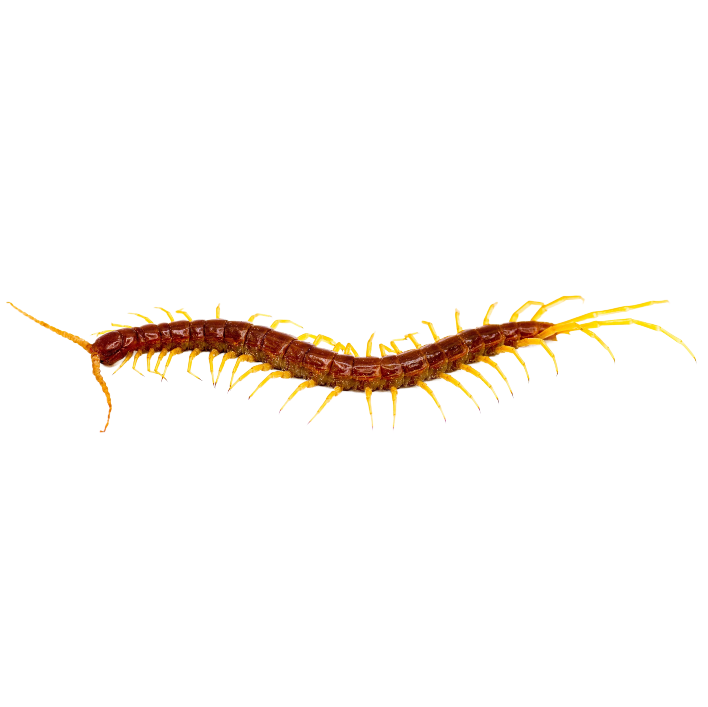
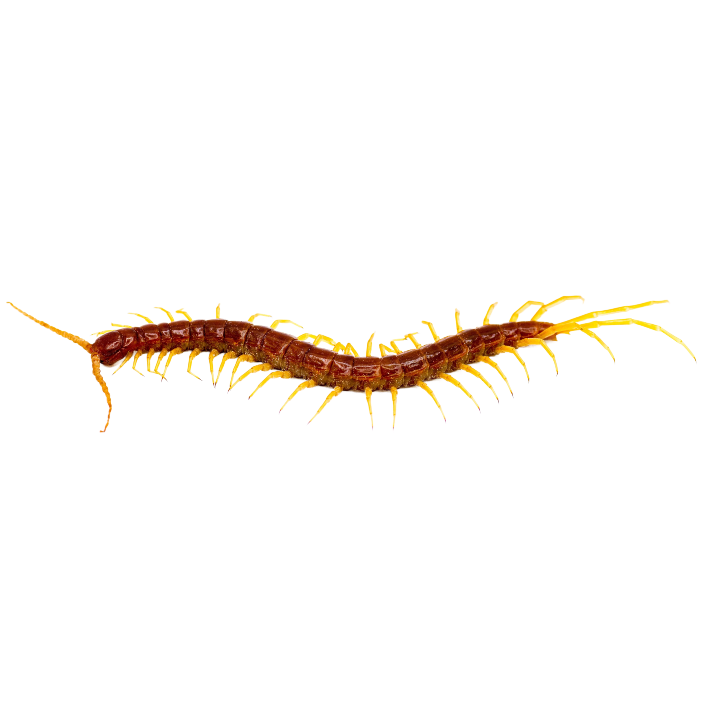
The Eastern bark centipede is a long-lived, predatory arthropod native to the southeastern United States. It is most often found beneath loose tree bark, inside rotting logs, under stones, and within leaf litter in humid woodlands. Like other large centipedes, it undergoes gradual development. With proper environmental stability they can live for three to five years, sometimes longer.
The Eastern bark centipede is nocturnal. During daylight hours it remains concealed in tight, humid retreats that protect it from dehydration and predators. After sunset, it becomes an active hunter, using highly sensitive antennae to detect vibrations and chemical cues in its surroundings. It relies on speed, stealth, and potent venom delivered through modified forelegs called forcipules. Their bites to humans are not lethal, compared to a bee sting, it can cause localized pain and swelling.
Ecologically, the Eastern bark centipede plays an important role as a mid-level predator in forest ecosystems. By feeding heavily on insects and other invertebrates, it helps regulate populations of species that might otherwise reach pest levels. This contributes to the balance of decomposer communities within leaf litter and decaying wood habitats. In turn, the centipede serves as prey for larger animals such as birds, mammals, reptiles, and amphibians that are resistant to or capable of overcoming its venom. Its ability to thrive in microhabitats with high humidity reflects important physiological adaptations; although protected by a hardened exoskeleton, it remains vulnerable to desiccation and therefore selects environments that maintain stable moisture levels. This dependence on humid refuges makes it both a predator and an indicator of healthy woodland microclimates.
Understanding the Eastern bark centipede’s gradual development, solitary predatory behavior, and ecological role as both hunter and prey provides essential context for appreciating its needs in captivity. Replicating aspects of its natural microhabitat and respecting its defensive capabilities are fundamental considerations for responsible care.
Conservation Status
The Eastern bark centipede currently has a conservation status that is classified as "Not Evaluated" by the IUCN Red List. This classification indicates that the species has not yet been formally assessed for its risk of extinction. As a result, there is limited data on the population trends, geographic distribution, and overall health of this species. The fact that it has not been evaluated underscores the need for more extensive research and monitoring to understand the ecological niche it occupies and its interaction with the environment.
The primary threats to the Eastern bark centipede in the wild include habitat destruction and climate change. As their natural habitats, often characterized by forested and temperate regions, become increasingly threatened by deforestation and land conversion for agricultural or urban development, the natural ecosystems supporting these centipedes face substantial disruption. The removal of trees and natural debris can significantly reduce shelter and breeding grounds, leading to population declines. Climate change may also alter temperature and moisture patterns, further affecting the species' ability to thrive in its native range.
Currently, there are no specific conservation efforts targeting the Eastern bark centipede. However, general conservation programs aimed at preserving forest habitats indirectly benefit this species. Protected areas such as national parks and wildlife reserves offer safe havens where the centipedes can live with reduced threats from human activities. Habitat restoration projects that focus on re-establishing native plant species and ecological conditions are crucial in supporting the needs of terrestrial invertebrates like the Eastern bark centipede. Moreover, legal protections that prevent the destruction of certain habitats can provide a buffer against further environmental degradation.
Despite the lack of targeted breeding programs specific to Eastern bark centipedes, maintaining their natural habitats and safeguarding against environmental changes are key strategies in preserving their populations. Efforts to monitor and research the species more actively are essential for understanding its ecological role and adapting conservation methods that are most beneficial. In the absence of direct conservation programs, the role of herpetology enthusiasts and researchers becomes paramount in advocating for and supporting broader ecological initiatives that protect the habitats these centipedes and their ecosystems rely on.
Native Range
The Eastern bark centipede is native to the southeastern United States and has a moderately wide regional distribution within this portion of North America. Its range extends from southern Virginia and eastern Tennessee southward through the Carolinas and Georgia, across Florida, and west into Texas and Oklahoma. It is most commonly encountered in coastal plain regions but also occurs in parts of the Piedmont and lower Appalachian foothills. Although it is not considered a wide-ranging continental species, it is locally abundant throughout suitable habitats within this southeastern range.
At the macrohabitat level, this species inhabits humid temperate and subtropical forest ecosystems. It is strongly associated with deciduous and mixed hardwood forests, particularly those with well-developed understory vegetation and abundant woody debris. It is also found in forested swamps, riparian woodlands, and occasionally pine flatwoods where sufficient moisture and cover are present. Areas with high annual rainfall and moderate to high humidity support the most stable populations. While it may occur in suburban woodlots and undisturbed rural properties, it remains closely tied to natural forest structure and intact ground cover.
Within these larger ecosystems, the Eastern bark centipede selects specific microhabitats that provide moisture, shelter, and access to prey. It is primarily found beneath decaying logs, under loose bark, inside rotting stumps, and within accumulations of leaf litter. It frequently occupies the space between bark and wood on fallen trees, which provides tightly confined, humid shelter during daylight hours. This species may also shelter beneath flat stones or within natural ground crevices. The microhabitats it selects are consistently characterized by stable humidity, protection from desiccation, and moderate temperatures. Direct exposure to sunlight is avoided, as the species is highly susceptible to moisture loss.
Climatically, the Eastern bark centipede inhabits regions where annual precipitation typically ranges from approximately 45 to over 60 inches per year. Rainfall is generally distributed throughout the year, though late spring and summer thunderstorms contribute significantly to moisture availability. Relative humidity in its preferred habitats often remains above 60% and frequently rises much higher in microhabitats beneath wood and leaf litter. Average summer temperatures in its native range commonly reach daytime highs between 85℉ and 95℉, while nighttime temperatures remain warm and humid. Winter conditions are comparatively mild, with winter daytime temperatures often ranging from 45℉ to 65℉, though occasional cold snaps may bring short-term drops below freezing. During colder periods, the centipede retreats deeper into insulated microhabitats beneath logs or within soil cavities to avoid freezing exposure.
Seasonal variation plays an important role in its activity patterns. The species is most active during warm, humid months from late spring through early fall. Activity often increases following rainfall events, when surface humidity rises and prey becomes more active. During periods of drought or extreme heat, individuals seek deeper refuges within rotting wood or soil to maintain hydration. Winter activity may continue in southern portions of its range during mild spells, but overall movement is reduced compared to peak summer months.
In terms of elevation, the Eastern bark centipede is primarily a lowland to mid-elevation species. Most populations occur from near sea level up to elevations of roughly 1,500 to 2,000 feet. It is less common at higher elevations in the Appalachian Mountains, where cooler temperatures and different forest compositions may limit its distribution. Within its preferred elevation range, it occupies areas with rich, organic soils and abundant decomposing plant matter.
Several environmental factors are essential for its survival. High ambient humidity and consistent access to sheltered, moisture-retentive microhabitats are critical, as the species lacks effective adaptations for preventing water loss. Decaying hardwood logs and thick leaf litter provide both protection and hunting grounds. The presence of small invertebrate prey, such as insects, spiders, and other arthropods, is closely tied to forest floor health and organic decomposition processes. Proximity to natural water sources such as creeks, seasonal streams, or wetlands often enhances habitat quality by stabilizing humidity, though the species does not require standing water for reproduction.
Overall, the Eastern bark centipede is a forest-floor predator intricately adapted to warm, humid southeastern woodlands. Its survival depends on shaded environments, abundant decomposing wood, consistent moisture, and structurally complex ground cover that provides both refuge and access to prey.
Behavior
The Eastern bark centipede is a nocturnal, highly mobile, and primarily solitary arthropod that exhibits complex predatory and defensive behaviors. In both wild and captive settings, its activity is strongly influenced by light levels, temperature, moisture, and prey availability.
In its natural habitat, this species is strictly nocturnal. It remains concealed during daylight hours beneath tree bark, inside decaying logs, within leaf litter, or under stones. As a moisture-dependent invertebrate with a permeable exoskeleton, it avoids direct sunlight and exposure, which rapidly increase the risk of desiccation. Activity typically begins shortly after dusk, when humidity rises and temperatures stabilize. Individuals emerge from their retreats to forage, often traveling considerable distances relative to their body length in search of prey. Peak activity generally coincides with warm, humid nights in spring and summer. During colder months, particularly in regions where winter temperatures drop significantly, individuals enter a state of reduced metabolic activity. They retreat deep into rotting wood or underground refuges where environmental temperatures remain more stable. While not true brumation in the reptilian sense, this seasonal slowdown markedly reduces feeding and movement until warmer conditions return.
The Eastern bark centipede is solitary and highly territorial. Individuals do not tolerate conspecifics within close proximity outside of mating. In natural conditions, encounters between adults often result in threat displays or combat, particularly between similarly sized individuals. Cannibalism is well documented and serves as both a population control mechanism and an opportunistic feeding strategy. There is no evidence of social hierarchy or cooperative behavior. Interactions are brief and typically limited to mating events.
During courtship, males deposit a spermatophore on the substrate and guide the female over it using tactile stimulation with their antennae and ultimate legs. Fertilization is indirect. After oviposition, females exhibit a rare degree of maternal care compared to many other arthropods. The female coils her body around the clutch of eggs, guarding them from predators and fungal infection. She remains with the eggs until they hatch and may continue guarding early instar young for a short period. During this brooding phase, females often do not feed and become defensive if disturbed.
Environmental stimuli play a central role in shaping behavior. Temperature strongly influences metabolic rate and hunting intensity. When ambient temperatures fall below approximately 60℉, movement becomes sluggish, and feeding decreases. Optimal activity occurs between roughly 70℉ and 85℉, particularly when humidity is high. If humidity drops significantly, individuals will immediately seek sheltered microhabitats. Prolonged exposure to dry air leads to dehydration and rapid decline.
Light is a primary behavioral trigger. Even low levels of illumination can cause immediate retreat behavior. The centipede detects light intensity through simple ocelli and possibly through dermal light sensitivity, prompting quick withdrawal into cover. Mechanical vibrations and substrate disturbances are detected through mechanoreceptors along the body and legs. This allows rapid detection of approaching predators or prey. Chemical cues are sensed using the antennae, which continuously probe the environment. Prey detection relies heavily on vibration and tactile cues rather than vision.
As an active predator, the Eastern bark centipede employs a rapid ambush strategy. It can move with remarkable speed, using coordinated lateral leg waves to propel itself across uneven surfaces. Upon contact with prey, it grasps the victim with its modified front appendages, known as forcipules, which inject venom. The venom contains neurotoxic components that quickly immobilize insects, spiders, and small vertebrates. Unlike constricting predators, immobilization is chemical and mechanical rather than sustained physical restraint. The centipede may continue to hold struggling prey until venom takes effect, after which it feeds by macerating tissues with its mandibles.
Defensive behavior is equally well developed. When threatened, the centipede may attempt rapid escape as its primary defense. If cornered, it raises its posterior legs in a defensive display, sometimes waving them to confuse or deter predators. It can also deliver a venomous bite in self-defense. The ultimate legs at the rear of the body resemble the antennae in some respects, possibly serving as a diversion mechanism that confuses predators about which end is the head. Autotomy is not typical, but individuals may sustain and survive limb loss, regenerating legs during subsequent molts.
In human care, behavioral patterns remain largely consistent but with notable differences due to environmental stability. Because temperature and humidity are controlled, seasonal slowdowns are less pronounced unless deliberately simulated. Without natural fluctuations, individuals may remain active year-round. However, improper humidity is the most common cause of stress. Signs of stress include persistent restlessness, refusal to feed, excessive climbing in search of escape, and prolonged exposure outside hiding areas.
Feeding behavior tends to be more direct and less exploratory. In a confined enclosure, prey encounters occur more frequently and within shorter distances. This can reduce the expression of natural roaming behaviors. Providing a complex environment with bark slabs, cork rounds, and deep substrate encourages more natural hunting and concealment patterns. Without adequate hiding spots, individuals may remain in a defensive posture and exhibit heightened reactivity.
Aggression in managed care is pronounced if multiple individuals are housed together. Cohabitation almost invariably results in injury or cannibalism, especially under confined conditions. For this reason, solitary housing is considered best practice.
Compared to the wild, managed individuals may display heightened defensive responses toward humans due to repeated enclosure disturbances. While they do not seek interaction, some individuals become less reactive to routine maintenance over time if disturbances are predictable and non-threatening. Nonetheless, handling is not recommended due to the risk of envenomation and the animal’s delicate exoskeleton, which makes it vulnerable to injury.
One of the most distinctive behavioral traits of the Eastern bark centipede is its combination of speed, venom efficiency, and maternal care. Few terrestrial arthropods of comparable size exhibit such advanced predatory coordination alongside deliberate egg guarding. Its strict nocturnality, strong territorial instincts, moisture-driven habitat selection, and rapid defensive responses distinguish it as a highly specialized forest floor predator adapted to humid woodland ecosystems.
Husbandry Requirements
Enclosure Design
The Eastern bark centipede is a large, fast-moving, nocturnal species native to the southeastern United States. In the wild, it inhabits humid forested areas, sheltering beneath loose bark, fallen logs, and debris. Its enclosure must replicate these shaded, moisture-stable microhabitats while prioritizing security, as this species is exceptionally agile and capable of climbing smooth surfaces.
Juveniles can be housed in a well-ventilated enclosure measuring at least 12 inches long by 8 inches wide by 8 inches tall. As they grow, enclosure size must increase to accommodate both their length and exploratory behavior. Adults require a minimum enclosure measuring 24 inches long by 12 inches wide by 12 inches tall. Providing more horizontal space is preferable, as this species is primarily terrestrial but will climb if vertical surfaces are available. Height should allow for substrate depth and climbing enrichment while maintaining a secure lid system.
Glass terrariums or rigid plastic enclosures with secure, tightly fitted lids are recommended. The lid must lock or fasten firmly, as Eastern bark centipedes can exploit even small gaps. Fine mesh ventilation is essential to allow airflow while preventing escape. Cross-ventilation holes should be small enough to prevent passage of slender body segments. Avoid sliding glass tops without locking mechanisms. Any cable openings must be sealed with escape-proof fittings.
Internally, the enclosure should be arranged to simulate a forest floor microhabitat. Provide multiple cork bark slabs laid flat and angled to create tight, dark retreats. Cork bark rounds and large pieces of hardwood bark allow the centipede to wedge itself securely during daylight hours. Although primarily ground-dwelling, this species will climb textured wood or background panels at night, so secure climbing features can be included. All décor must be stable and positioned directly on the enclosure floor before substrate is added to prevent collapse during burrowing.
At least two secure hide areas should be offered in different microclimates, one slightly more humid, one more ventilated. Flat stones resting firmly on the enclosure base can create additional crevices, but they must not shift under substrate movement. Escape prevention remains paramount: never leave the enclosure open unattended, and always confirm lid security after maintenance.
Lighting and Heating
Eastern bark centipedes are nocturnal and negatively phototactic, meaning they avoid direct light. They do not require UVB lighting for calcium metabolism in the way diurnal reptiles do. However, maintaining a consistent, naturalistic photoperiod helps regulate circadian rhythms and supports overall health. A simple ambient room light cycle of 12 hours on and 12 hours off is sufficient. Avoid intense overhead lighting directly into the enclosure; indirect ambient lighting is preferred.
Temperature gradients are critical. Provide a gentle gradient ranging from 72℉ to 75℉ on the cool side and 78℉ to 82℉ on the warm side. A localized warm area reaching 83℉ may be provided but should not exceed 85℉. Temperatures above this range can cause thermal stress and dehydration. Nighttime temperatures can safely drop to 70℉ to 72℉ but should not fall below 65℉ for extended periods.
Undertank heating pads or heat tape mounted beneath one side of the enclosure are appropriate methods for establishing a gradient. All heating elements must be connected to a reliable thermostat to prevent overheating. Heat rocks must never be used, as they create dangerous localized hot spots that can injure invertebrates and do not produce a natural thermal gradient. Position heat sources externally and never inside the enclosure where direct contact could dry substrate excessively.
Monitor temperatures with digital probe thermometers placed at substrate level on both the warm and cool sides. Because these centipedes thermoregulate behaviorally within substrate and under bark, surface-level readings are more important than air temperature alone.
Substrate and Enrichment
In nature, Eastern bark centipedes occupy moist leaf litter and decomposed wood layers. Substrates must support burrowing while retaining moderate humidity without becoming waterlogged. A depth of three to five inches is recommended for adults to allow natural digging and moisture gradients.
A substrate blend consisting primarily of ReptiChip coconut husk substrate mixed with ReptiEarth provides an ideal structure. This combination retains moisture while remaining well-aerated. Adding shredded leaf litter and small pieces of decayed hardwood bark further mimics forest floor conditions and promotes exploratory behavior. The top layer should remain slightly drier than the lower layers to allow self-regulation of moisture exposure.
Avoid sandy or gravel substrates, which can desiccate the exoskeleton and increase stress. Reptile carpet must never be used, as it prevents natural burrowing and can harbor bacteria. The substrate should be spot-cleaned regularly and fully replaced every 8 to 12 weeks, depending on feeding frequency and cleanliness.
Enrichment focuses on providing structural complexity. Include overlapping cork bark slabs, leaf litter layers, and textured wood that create navigable pathways. Rearranging bark pieces occasionally stimulates natural investigative behavior. Bioactive setups with springtails and isopods can assist in waste breakdown, but ensure the enclosure remains escape-proof and moisture-balanced if pursuing this option. Enrichment can come in many forms and is for the stimulation of your animal. The five types of enrichment you can offer are food related, sensory, physical habitat, cognitive, and social. These categories have a vast variety of options to choose from that are appropriate for the species being enriched.
Humidity and Hydration
Eastern bark centipedes require moderate to high humidity levels, ideally between 60% and 80%. This range supports proper respiration through spiracles and prevents desiccation. However, constant saturation must be avoided, as stagnant, overly wet substrate encourages mold and bacterial growth.
Maintain humidity by lightly misting one half of the enclosure two to three times per week, adjusting frequency based on ambient conditions. The goal is to create a moisture gradient, leaving part of the enclosure slightly drier. The lower substrate layers should remain moist but never saturated. Pouring small amounts of water into one corner of the substrate can help maintain deeper moisture without soaking surface layers.
A shallow water dish should always be provided. It must be stable, shallow enough to prevent drowning of feeder insects, and cleaned regularly. Although centipedes primarily obtain hydration from prey and substrate moisture, they will drink directly from standing water when available.
Digital hygrometers with probe sensors are recommended to accurately monitor humidity at substrate level. Avoid analog dial gauges, which are often inaccurate. Proper ventilation must balance humidity retention, excessive airflow will dry the enclosure, while insufficient ventilation can create stagnant conditions.
Careful observation is essential. Signs of insufficient humidity include excessive surface roaming and a shriveled appearance of the exoskeleton. Overly wet conditions may lead to lethargy and fungal growth in the enclosure. Maintaining a stable gradient allows the centipede to select optimal conditions, promoting long-term health and natural behavior.
Diet & Supplementation
The Eastern bark centipede is an intriguing predator that inhabits a variety of environments, predominantly in wooded and forested areas where it takes advantage of the rich biodiversity to sustain its dietary needs. In the wild, this centipede is a carnivorous hunter with a diet primarily composed of insects, arachnids, and other small arthropods. It is specifically known for preying on ants, beetles, termites, and occasionally small spiders. Its role as a predator helps maintain insect populations, playing a crucial part in the ecosystem's balance.
As an active forager, the Eastern bark centipede employs a unique hunting strategy characterized by speed and stealth. It relies heavily on chemical cues and its acute sense of touch to locate prey, rather than visual tracking, given its poor eyesight. The centipede uses its venomous forcipules, modified legs located near its head, to immobilize and subdue its prey, injecting venom that paralyzes and begins the digestive process. This method allows it to tackle prey larger than itself, effectively expanding its dietary range.
Seasonal changes and the centipede’s growth stages influence its feeding habits. Juveniles tend to consume smaller prey items that they can easily overpower, while adults may shift to larger prey as they grow and require increased energy. During colder winter months, their activity decreases, resulting in reduced feeding frequency and dietary needs. Conversely, in warmer months, they demonstrate heightened activity and an increased appetite, necessitating more frequent feeding.
Replicating the natural diet of the Eastern bark centipede involves offering a variety of appropriately sized live prey to ensure optimal health and nutrition. While its diet in the wild is varied, feeding in human care often relies on consistent offerings such as crickets, small roaches, and mealworms. It is important to gut-load these feeder insects with nutritious diets because the centipede derives much of its own nutrition from the gut contents of its prey. Additionally, dusting prey with calcium and vitamin supplements is not needed as these animals have exoskeletons and do not need calcium.
Some challenges include food refusal, which can stem from stress, incorrect habitat conditions, or health issues. Obesity may arise if prey is offered too frequently or in excessive amounts, while malnutrition could result from an imbalanced diet lacking essential nutrients. It is crucial to monitor the centipede’s weight and adjust feeding schedules accordingly. Providing a variety of prey and using feeding tongs to simulate movement can encourage natural predatory behaviors and prevent feeding aversion. Environmental enrichment, such as varied substrate and hiding spots, can also stimulate natural foraging instincts.
Overall, ensuring the dietary health of the Eastern bark centipede requires a deep understanding of its natural behaviors and needs. Careful attention to prey variety, supplementation, and environmental conditions can help replicate the complexity of its diet in the wild, promoting a healthy and active life in captivity.
Reproduction
Eastern bark centipedes reach sexual maturity at approximately one and a half to two years of age, depending on growth rate, feeding frequency, and environmental stability. Adults typically measure between three and five inches in length. Sexual dimorphism is subtle but observable upon close inspection. Males are often slightly slimmer, with proportionally longer antennae and more elongated terminal legs. Females tend to have broader bodies, particularly in the posterior segments, to accommodate egg development. Because external differences are not dramatic, sexing requires experience and careful morphological examination.
Fertilization occurs through indirect sperm transfer rather than direct copulation. The male deposits a spermatophore, a small, stalked packet of sperm, onto the substrate. Courtship behavior includes deliberate tactile communication using the antennae and anterior legs. The male approaches cautiously, tapping and stroking the female in a rhythmic pattern. If receptive, the female remains relatively still and aligns her posterior segments over the spermatophore, collecting the sperm into her reproductive tract. Incompatible or unreceptive females may display defensive postures, rapid movement, or aggression. Because of this, introductions must be carefully supervised.
Environmental cues are critical in triggering reproductive behavior. In the wild, breeding typically follows seasonal warming in early to mid-spring. This can be simulated by first providing a mild cooling period lasting six to eight weeks, during which temperatures are gradually reduced to 55℉ to 60℉ Fahrenheit and daylight is limited to approximately 8 to 10 hours. This cooling period should not involve complete drying of the enclosure; substrate humidity must remain moderately high to prevent desiccation. After this simulated winter, temperatures should be gradually raised to a daytime range of 72℉ to 78℉ Fahrenheit, with nighttime drops no lower than 65℉. Photoperiod should be increased to 12 to 14 hours of light per day. Relative humidity should be maintained between 70% and 85%, with portions of the enclosure slightly more humid than others to allow behavioral thermoregulation and moisture selection.
The species is oviparous and requires a secure, moisture-retentive nesting site. For breeding attempts, specimens should be placed in a spacious enclosure measuring no less than two feet long and one foot wide, with at least four to six inches of a substrate mixture composed of organic topsoil, decomposed hardwood leaf litter, and fine coconut fiber. The substrate must be slightly compacted but still friable, allowing the female to construct a subterranean chamber. Cork bark slabs, partially buried hardwood pieces, and thick leaf litter provide surface cover and help reduce stress during courtship.
Eastern bark centipedes are solitary by nature and should not be housed communally outside of intentional breeding introductions. The recommended strategy is temporary pairing. The male should be introduced into the female’s established enclosure rather than vice versa, as females tend to be more territorial and are better acclimated to their own environment. The enclosure must contain multiple hiding sites so the male can retreat if necessary. Observations should remain discreet, excessive disturbance can interrupt courtship and increase aggression.
Several challenges commonly arise under human care. Cannibalism is the most significant risk. If environmental conditions are suboptimal, particularly inadequate humidity or cramped space, either individual may attack the other. Ensuring a well-structured enclosure with visual barriers and adequate substrate depth greatly reduces aggression. Incompatibility between individuals may also occur, especially if either specimen is not fully mature. Males that are too young may deposit spermatophores prematurely or fail to initiate sustained courtship. Females that are overconditioned or underconditioned nutritionally may not become receptive. Providing a varied prey diet that includes appropriately sized roaches, crickets, and occasional soft-bodied invertebrates supports proper reproductive conditioning.
Improper environmental cycling is another frequent cause of breeding failure. Without a distinct seasonal shift featuring a controlled cooling period followed by gradual warming and increased photoperiod, reproductive behaviors are often absent. Steady, unchanging room temperatures tend to suppress seasonal hormonal cues. Additionally, substrate that is too dry may cause spermatophores to desiccate rapidly, reducing the likelihood of successful sperm transfer.
Stress-induced reproductive failure can occur if the enclosure is placed in a high-traffic area or if frequent handling occurs. This species is highly sensitive to vibration and disturbance. Once courtship begins, visual inspections should be brief and infrequent. Poor ventilation combined with excessive moisture may also promote mold growth, which can affect both adults and deposited spermatophores. Proper airflow without reducing humidity below safe levels is essential.
Finally, successful breeding requires precise timing and patience. Some individuals may not breed during their first simulated season and may require repeated environmental cycling in subsequent years. By carefully managing seasonal cues, enclosure design, and controlled introductions, captive reproduction of this species can be achieved with consistency while minimizing stress and aggression between mates.
Incubation & Neonate Care
The Eastern bark centipede is oviparous, meaning it reproduces by laying eggs. Fertilization is indirect and occurs through the deposition of a spermatophore, which the female collects and stores internally before developing eggs. Unlike reptiles and many other egg-laying animals, this species demonstrates a notable degree of maternal care. The female deposits her eggs in a secluded, humid microhabitat and coils her body around the clutch, physically guarding and maintaining them until hatching. This maternal brooding behavior is critical for successful development.
Breeding typically occurs after a period of stable feeding, appropriate humidity, and consistent temperatures between 75℉ and 82℉. Females deposit their eggs in hidden areas such as beneath cork bark slabs or within moist substrate. A shallow layer of substrate at least two to three inches deep is essential to allow the female to construct a suitable nesting chamber. The substrate should consist of moisture-retentive materials such as organic topsoil blended with leaf litter or coconut fiber. Humidity should be maintained between 70℉ and 85℉, as insufficient moisture can lead to egg desiccation. Overly saturated substrate, however, increases the risk of mold proliferation and egg failure.
A typical clutch consists of approximately 15 to 60 eggs, depending on the size and condition of the female. The eggs are small, pale, and soft-shelled. Incubation duration ranges from approximately 30 to 50 days, depending primarily on temperature and humidity. Higher temperatures within the safe range tend to accelerate development, while cooler conditions slow embryonic growth. There is no evidence of temperature-dependent sex determination in centipedes, sex is genetically determined. Stable environmental conditions are critical, as sudden drops in humidity or temperature may cause the female to abandon or consume the clutch.
Throughout incubation, the female remains tightly coiled around the eggs, grooming them regularly to prevent fungal growth and desiccation. Disturbance during this period should be minimized. Excessive handling or enclosure disruption can trigger stress responses, including clutch abandonment or cannibalism. Proper enclosure design should therefore allow observation without intrusive interference.
Hatching occurs when fully developed juveniles emerge from the egg membranes. The hatchlings are pale white and relatively immobile during their earliest stage. They remain clustered beneath the protection of the female for a short period after hatching. In many cases, the young undergo their first molt while still under maternal care. After this molt, they begin to disperse and develop pigmentation similar to adults, though still lighter in coloration.
Once the juveniles disperse and begin moving independently, it is strongly recommended to separate them from the adult female and from one another if space allows. While maternal tolerance exists during early development, cannibalism becomes a significant risk as juveniles gain mobility. Individual housing in small ventilated enclosures with moist substrate and pieces of bark for cover greatly increases survival rates.
Neonate enclosures should maintain temperatures between 72℉ and 80℉ with humidity levels between 75% and 85%. Due to their small size and susceptibility to dehydration, consistent moisture is essential. The substrate should remain lightly moist but never waterlogged. A shallow water dish is not recommended for very small juveniles due to drowning risk; instead, hydration is provided through ambient humidity and occasional light misting.
Juveniles typically begin feeding after their first molt. Initial food items should consist of appropriately sized prey such as flightless fruit flies, pinhead crickets, or very small soft-bodied insects. Prey should be no larger than half the length of the centipede. Feeding should occur two to three times per week, with uneaten prey removed promptly to prevent stress or injury. As they grow and molt repeatedly, prey size can gradually increase.
Common health concerns during the neonatal period include desiccation, molting complications, and cannibalism. Insufficient humidity can cause incomplete molts, which may result in deformities or mortality. Excess disturbance during molting should be avoided, as centipedes are highly vulnerable while shedding their exoskeleton. Enclosures must provide secure hiding areas to reduce stress, which supports proper molting and feeding behaviors.
Handling of neonates should be avoided. Even at a small size, they possess functional venom claws capable of delivering a defensive bite. Additionally, their delicate exoskeleton makes them vulnerable to injury. Observation rather than direct contact is the appropriate husbandry approach.
Successful incubation and neonate rearing of the Eastern bark centipede depends on maintaining stable warmth, high humidity, minimal disturbance of brooding females, and early separation of juveniles once maternal care naturally concludes. With careful environmental control and attentive feeding practices, survival rates can be high.
Conclusion
In conclusion, the Eastern bark centipede represents a fascinating yet challenging subject for captive care and study, necessitating a keen understanding of its natural history and ecological role. Environments should meticulously replicate the humid, shaded environments these arthropods prefer in the wild to ensure their health and natural behaviors. Attention to enclosure security is paramount to contain these agile and fast-moving animals, as they exhibit significant territorial behavior and solitary tendencies.
Ultimately, maintaining captive Eastern bark centipedes offers valuable insight into the care of a species that plays a crucial part in forest ecosystems as a mid-level predator. With responsible management, herpetology enthusiasts and researchers can ensure these invertebrates thrive outside their natural habitats while contributing to broader conservation efforts by highlighting the importance of preserving their native woodland environments.