Natural History
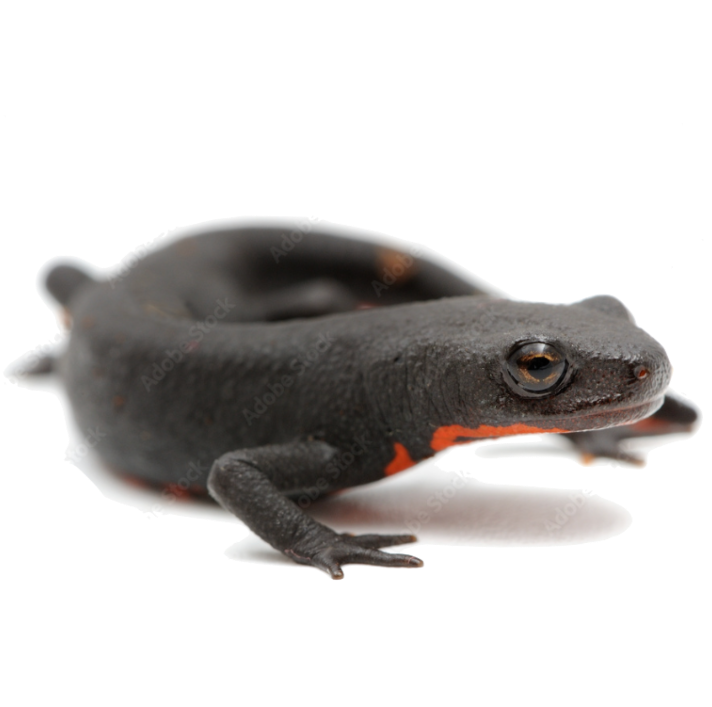
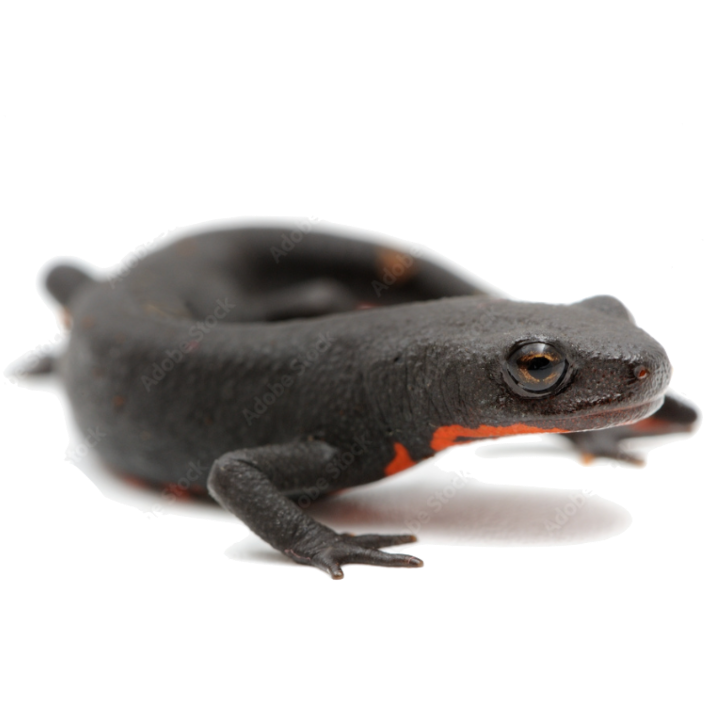
The Chinese Fire Bellied Newt is a small newt that can be found in eastern-central China, inhabiting several provinces. Juvenile newts often spend a variable period on land in moist, shaded environments, though in managed care they may remain more aquatic if conditions are favorable. As they mature, they gradually return to a predominantly aquatic lifestyle, developing the smooth, slightly granular skin texture and the distinctive dark dorsal coloration contrasted by a vivid orange or red ventral surface. Growth is relatively slow, and individuals typically reach adult size within one to three years. Adults average 3 to 4 inches in total length. With proper care and stable environmental conditions, they commonly live 10 to 15 years, though some individuals exceed this range.
Chinese Fire Bellied Newts are generally solitary but tolerant of conspecifics outside of breeding contexts. They are not strongly territorial, though limited space or resources can lead to mild aggression, such as nudging or brief chasing. Defensive behavior is more pronounced. When threatened, they may arch their bodies in a posture known as the “unken reflex,” displaying their brightly colored underside as a warning signal. This aposematic coloration advertises the presence of toxic skin secretions, which contain compounds that deter many predators. If seized, they can release these toxins through their skin as a secondary defense. This chemical protection allows them to move deliberately through their habitat without relying heavily on speed or physical combat.
Ecologically, this species occupies a mid-level position in the food web. As larvae and small juveniles, they are vulnerable to predatory fish, larger amphibians, aquatic insects, and wading birds. As adults, their toxicity reduces predation pressure, though certain snakes and birds may still prey upon them. In turn, they play an important role in regulating populations of aquatic invertebrates, contributing to the balance of pond and wetland ecosystems. By consuming large numbers of insect larvae, they help control populations of mosquitoes and other insects in their native range.
Their survival is closely tied to clean, well-oxygenated water and structurally complex habitats. They are highly sensitive to pollutants, habitat destruction, and rapid environmental changes. Adaptations such as cutaneous respiration, toxin production, and a flexible life cycle that includes both aquatic and semi-terrestrial phases allow them to exploit a variety of microhabitats within wetlands. Understanding these natural behaviors and ecological relationships is essential for reptile keepers, as successful care in captivity depends on replicating the environmental stability, water quality, and structural diversity that define their life in the wild.
Conservation Status
The Chinese Fire Bellied Newt is listed on the IUCN Red List as "Near Threatened." This classification implies that the species is close to qualifying for a more at-risk category in the near future if the circumstances threatening its survival and reproduction do not improve. A "Near Threatened" status indicates that while the species is not currently endangered or vulnerable, it faces certain risks that could lead to a decline in population if ongoing threats are not mitigated. According to the IUCN assessment conducted in 2004, the population trend for this species is decreasing. This suggests a need for heightened conservation efforts to safeguard its long-term survival and ensure the population does not decline further.
One of the main threats facing the Chinese Fire Bellied Newt is habitat destruction, primarily due to urbanization and agricultural expansion in its native regions. As human populations grow and develop more land for farming and cities, the natural habitats of these newts, such as ponds, marshes, and slow-moving streams, are being degraded or completely destroyed. This loss of habitat fragments populations, making it difficult for newts to find mates and reducing genetic diversity. Additionally, water pollution from agricultural runoff and industrial waste poses a significant threat, contaminating the aquatic environments necessary for their survival. Another critical concern is the illegal wildlife trade, where these striking newts are captured and sold as pets, which further depletes wild populations and disrupts local ecosystems.
Despite these challenges, there are several conservation efforts underway to protect this remarkable species. Protected natural reserves in the regions where these newts are native play a crucial role in sustaining their populations by preserving habitat quality and preventing further destruction. Effective enforcement of laws against illegal trade is another important measure, although this requires ongoing monitoring and international cooperation. In terms of captive breeding, several programs have been initiated to help maintain genetic diversity and increase population numbers. These programs aim not only to breed newts successfully in institutions but also to potentially reintroduce them into secure, restored habitats in the wild. Conservationists are also working with local communities to promote sustainable land use practices that accommodate both human needs and the survival of native species such as the Chinese Fire Bellied Newt.
Ultimately, the survival of the Chinese Fire Bellied Newt depends on comprehensive conservation strategies that address threats from multiple angles. By focusing on habitat preservation, pollution control, anti-poaching measures, and public education, it is possible to stabilize and even increase wild populations. Yet, as with any conservation effort, success depends upon the continued collaboration between governments, conservation organizations, and local communities to ensure this species remains a vibrant part of its ecosystem.
Native Range
The Chinese Fire Bellied Newt is native to eastern and central China, where it occupies a moderately broad but regionally concentrated range. Its distribution extends primarily through the lower and middle reaches of the Yangtze River basin, including provinces such as Jiangsu, Zhejiang, Anhui, Jiangxi, and parts of Hubei and Hunan. Within this range, populations are often patchily distributed, occurring where suitable freshwater habitats remain intact. Although it is locally common in appropriate environments, agricultural expansion, urbanization, and habitat alteration have reduced and fragmented many wild populations.
At the macrohabitat level, this species inhabits temperate and subtropical freshwater ecosystems, particularly lowland wetlands, slow-moving streams, irrigation ponds, marshes, flooded rice paddies, and small lakes. These environments are typically embedded within mixed deciduous and evergreen forest landscapes or agricultural mosaics. The species favors still or gently flowing bodies of water with abundant aquatic vegetation, which provide both shelter and breeding sites. Terrestrial environments surrounding these wetlands are equally important, especially during non-breeding periods when individuals may disperse onto land.
On a microhabitat scale, Chinese Fire Bellied Newts spend much of their time submerged in shallow water zones rich in submerged plants, leaf litter, and organic debris. They frequently shelter beneath aquatic vegetation, fallen leaves, stones, and submerged branches. In terrestrial phases, they utilize moist microhabitats such as under rotting logs, within mossy ground cover, beneath stones, or in soft soil burrows. Moisture retention is critical; they avoid exposed, dry surfaces and rely on areas that maintain consistent humidity. During colder months, they may overwinter underwater in mud at the bottom of ponds or in damp terrestrial refuges protected from freezing.
Climatically, this species is adapted to a temperate monsoon-influenced environment with distinct seasonal variation. Summers are warm and humid, with daytime temperatures commonly ranging from 75℉ to 85℉. Winters are cool to cold, with air temperatures often dropping into the upper 30s to mid 40s in many parts of their range. In aquatic habitats, water temperatures generally remain more stable than air temperatures, typically ranging from the low 40s to the upper 70s throughout the year. Annual precipitation is moderate to high, often exceeding 40 inches, with the majority falling during spring and summer monsoon periods. This rainfall supports the shallow wetlands and vegetated margins required for breeding and larval development.
Elevation across the species’ range is generally low to moderate. Most populations occur in lowland plains and gently rolling foothills below approximately 3,000 feet above sea level. They are rarely found in high-altitude mountainous terrain. Within these elevations, stable freshwater bodies with minimal pollution and abundant plant growth are essential for survival. Clean, well-oxygenated water that is not subject to rapid drying or extreme fluctuations is particularly important for egg deposition and larval growth.
Key environmental factors influencing this species include reliable access to shallow freshwater, dense aquatic vegetation for egg attachment, soft muddy or detritus-rich substrates for foraging, and shaded or semi-shaded conditions that prevent overheating. They are highly dependent on stable hydrology; prolonged drought, severe pollution, or excessive water flow can render habitats unsuitable. The presence of leaf litter, fallen wood, and complex shoreline structure enhances microhabitat diversity and provides essential refuge from predators and environmental stress. Together, these interconnected aquatic and semi-terrestrial features define the ecological conditions under which the Chinese Fire Bellied Newt has evolved and persists in the wild.
Behavior
The Chinese Fire Bellied Newt is a semi-aquatic amphibian with behavioral patterns closely tied to temperature, seasonal rainfall, and photoperiod. In its native habitat of ponds, marshes, rice paddies, and slow-moving streams, it displays primarily crepuscular tendencies, being most active during early morning and evening hours. However, in cooler or overcast conditions it may remain active throughout the day. In managed care, individuals often adjust to human activity schedules and may be seen moving about at various times, particularly in response to feeding cues.
Seasonal fluctuations significantly influence activity levels. During warmer months, when water temperatures range between 60℉ and 72℉, these newts are highly active and spend prolonged periods swimming, foraging, and exploring submerged structures. As temperatures decline below approximately 55℉, activity decreases considerably. In regions with defined winters, wild populations enter a period of brumation, retreating beneath submerged debris, mud, or terrestrial cover to conserve energy. Brumation is not strictly required for survival but often enhances breeding success under human care. Reduced temperatures and shortened light cycles in winter can stimulate natural physiological rhythms and reproductive conditioning.
This species is generally considered loosely social but not truly social in the sense of forming structured groups. In the wild, multiple individuals may occupy the same body of water during favorable conditions, particularly in breeding season. They do not form stable hierarchies, but mild dominance interactions can occur, particularly among males competing for access to females. Such interactions typically involve posturing, blocking, or gentle nudging rather than overt aggression. Biting or injurious combat is uncommon but may arise in overcrowded conditions.
During courtship, males exhibit a distinctive tail-fanning display. The male positions himself in front of the female and undulates his tail in a controlled, rhythmic manner, directing pheromones toward her snout using water currents. This chemical communication is critical for stimulating receptivity. If the female responds, the male deposits a spermatophore on the substrate and guides her over it for internal fertilization. There is no parental care; females deposit eggs individually on aquatic vegetation, carefully folding plant leaves around each egg using their hind limbs. This precise manipulation of plant material is a notable fine-motor behavior among aquatic salamandrids.
The species’ response to environmental stimuli is highly refined. As ectotherms, they rely on behavioral thermoregulation. They seek cooler, shaded aquatic zones when temperatures climb above 72℉ and become sluggish or stressed if exposed to prolonged warmth above 75℉. Conversely, at the low end of their tolerance range, they reduce movement and seek insulated hiding spaces. Light intensity also shapes their behavior. In bright, exposed conditions they prefer dense vegetation or submerged cover, reflecting a natural avoidance of avian and terrestrial predators.
Humidity primarily affects them during terrestrial phases. Although predominantly aquatic as adults, they can transition to land if water quality deteriorates or during certain life stages. When on land, they require humid conditions to prevent desiccation. Dry air results in rapid stress behaviors such as excessive hiding and decreased feeding.
Prey detection relies on both visual and chemosensory cues. They are opportunistic micro-predators, feeding on aquatic invertebrates, insect larvae, worms, and small crustaceans. Movement is a key trigger for feeding response, and they often orient visually before executing a rapid suction-feeding strike. The strike involves a quick forward lunge combined with buccal expansion to draw prey into the mouth. In captivity, they quickly learn to associate disturbances at the water surface with food and may swim toward keepers in anticipation.
In response to predators, the Chinese Fire Bellied Newt employs aposematic signaling. Its vivid ventral coloration, consisting of bright orange to red markings against a dark background, serves as a warning of toxic skin secretions. When threatened, it may display the “unken reflex,” arching its back and contorting its body to expose its warning coloration prominently. This defensive display is often accompanied by the secretion of mild tetrodotoxin compounds from the skin. While not dangerous to human skin in casual contact, these toxins are effective deterrents against many vertebrate predators. The species rarely attempts to flee rapidly; instead, it relies on toxin production and warning signals.
Locomotion varies between aquatic and terrestrial contexts. In water, it swims using lateral tail undulations combined with limb steering. On land, movement is deliberate and somewhat slow, characterized by coordinated limb stepping rather than bounding. This relatively slow terrestrial mobility reinforces its preference for aquatic habitats where escape responses are more efficient.
In managed care, certain behavioral differences become apparent. Individuals may become more diurnal due to consistent lighting cycles and feeding schedules. Specimens sometimes show bolder feeding responses, approaching the front of the enclosure when conditioned to expect food. However, they are also highly sensitive to poor water quality and may exhibit stress behaviors such as persistent floating, lethargy, refusal to feed, or repeated attempts to exit the enclosure if parameters are unsuitable.
Aggression is generally minimal in well-maintained captive groups with adequate space, typically at least 10 gallons of water volume for a pair and additional space for each extra individual. Overcrowding significantly increases stress and may lead to nipping, especially during feeding. Providing visual barriers, aquatic plants, driftwood, and hiding structures reduces competition and allows for natural spatial distribution.
Environmental enrichment is important for maintaining natural behaviors. Dense aquatic vegetation, leaf litter, and gently varied water flow promote exploratory activity and natural foraging behavior. Without structural complexity, captive individuals may become sedentary and display reduced muscle tone.
Overall, the Chinese Fire Bellied Newt exhibits a combination of chemical defense, visual warning signals, specialized reproductive behavior, and flexible activity patterns shaped by seasonal and environmental conditions. In captivity, replicating cool temperatures, structured aquatic habitats, and stable photoperiods best supports the expression of natural behaviors and minimizes chronic stress.
Husbandry Requirements
Enclosure Design
Chinese Fire Bellied Newts are semi-aquatic amphibians that spend the majority of their adult lives in water but still require accessible land areas. Their enclosure must replicate the shallow ponds, marshes, and slow-moving waters they inhabit in the wild. A horizontally oriented aquarium or paludarium is ideal.
For a group of two to three adults, the minimum enclosure size should be 20 gallons (approximately 30 inches long). Larger groups require proportionally more space, as overcrowding leads to water fouling and stress. Juveniles that have recently morphed and are still more terrestrial can begin in a 10-gallon setup with increased land area, but they should be transitioned to larger, aquatic-focused enclosures as they mature. Height is less important than floor space because these newts utilize horizontal swimming areas rather than climbing vertically.
Glass aquariums are preferred due to their durability, ease of cleaning, and ability to maintain consistent humidity. Acrylic enclosures may scratch easily and retain odors. Proper ventilation is critical, but excessive airflow that dries the land portion should be avoided. A tight-fitting mesh or ventilated lid is essential because these newts are surprisingly adept climbers and can exploit small gaps. All openings for filtration equipment or airline tubing must be securely sealed.
The internal layout should provide approximately 70% to 80% water area and 20% to 30%cland. Water depth should range from 6 to 10 inches, allowing comfortable swimming while still providing resting points near the surface. Gentle filtration using a sponge filter or low-flow internal filter is recommended to maintain water quality without creating strong currents. The land area can be constructed using cork bark, slate platforms, or foam backgrounds covered with safe sealant and substrate. Gradual slopes rather than steep ledges prevent exhaustion and drowning.
Aquatic plants, whether live or high-quality artificial varieties, provide visual barriers and reduce stress. Smooth rocks and driftwood can create basking and resting platforms just below the surface. Although they do not bask in intense heat like reptiles, they will rest in slightly warmer shallow areas. Multiple hides should be placed in both aquatic and terrestrial zones to allow retreat and reduce aggression.
Lighting and Heating
Chinese Fire Bellied Newts are temperate amphibians and do not require high heat. In fact, excessive warmth is one of the most common causes of illness. The ideal water temperature range is 64℉ to 72℉. Short periods up to 74℉ are generally tolerated, but prolonged exposure above this range can cause stress, suppressed immunity, and increased susceptibility to infections. Nighttime temperatures may drop to 60℉ to 65℉ without issue.
Most homes maintain suitable ambient temperatures for this species without additional heating. If supplemental heating is required due to a cool room, it should be provided indirectly using an overhead heating element or by warming the room itself. Any heating device must be connected to a reliable thermostat to prevent overheating. Heat rocks must never be used, as they can cause burns and create dangerous temperature spikes.
Although some keepers historically maintained this species without UVB lighting, current best practice supports providing low-level UVB exposure to promote natural behaviors and assist with vitamin D3 synthesis. A linear 2% to 5% UVB bulb designed for shade-dwelling amphibians and reptiles is appropriate. The bulb should span a portion of the enclosure, positioned 8 to 12 inches above the land area with no glass or plastic between the bulb and the animal, as these materials block UVB rays. Providing shaded areas ensures the newts can self-regulate their exposure.
A photoperiod of 10 to 12 hours of light per day replicates natural seasonal cycles. During winter months, reducing daylight to 8 to 10 hours and allowing slight temperature decreases can encourage natural seasonal rhythms and may stimulate breeding behavior in mature individuals. Lighting should be controlled with an automatic timer to maintain consistency, as irregular cycles can disrupt feeding and activity patterns.
Substrate and Enrichment
The aquatic portion of the enclosure can have a bare bottom for ease of cleaning, or it can include a thin layer of fine sand. Gravel should be avoided, as it poses an impaction risk if accidentally ingested while feeding. Fine sand allows natural foraging behavior and is generally safe if accidentally consumed in small amounts.
For the terrestrial section, a moisture-retentive substrate is essential. A combination of ReptiEarth, TropicalBase, and fine orchid bark or sphagnum moss creates a naturalistic, humidity-stable land area. The substrate layer should be deep enough, at least 2 to 3 inches, to support moisture retention and beneficial microfauna if a bioactive approach is used.
Leaf litter, cork bark flats, and sections of curved bark provide essential hiding spaces. Chinese Fire Bellied Newts are secretive and experience stress if constantly exposed. At least two hides per individual should be available, split between aquatic and terrestrial zones. Smooth driftwood branches and rooted aquatic plants promote natural exploration and resting behaviors.
Environmental enrichment should focus on stimulating natural hunting responses. Offering live prey in shallow feeding dishes or among aquatic plants encourages stalking and foraging. Rearranging décor periodically, while preserving established hiding spots, can provide mild stimulation without causing undue stress. Enrichment can come in many forms and is for the stimulation of your animal. The five types of enrichment you can offer are food related, sensory, physical habitat, cognitive, and social. These categories have a vast variety of options to choose from that are appropriate for the species being enriched.
Humidity and Hydration
Because this species is semi-aquatic, hydration is primarily achieved through constant access to clean water. The aquatic portion must be properly cycled if filtered, with ammonia and nitrite levels at zero and nitrates kept low through regular partial water changes. Dechlorinated water is mandatory, as chlorine and chloramines damage amphibian skin.
The terrestrial zone should maintain relative humidity between 60% and 80%. This can be achieved through the use of moisture-retaining substrates like ReptiEarth, partial enclosure covers to reduce evaporation, and light misting as needed. Misting once daily or every other day is typically sufficient, depending on ambient room humidity. The goal is to keep the land area damp but not waterlogged.
Although humidifiers can be used sparingly, they are usually unnecessary if the enclosure design properly balances water surface area and substrate moisture. Excessive fogging may promote mold growth and bacterial issues. Manual misting allows better control.
A shallow water dish on the land portion is not strictly necessary if easy access to the aquatic area is provided, but some keepers include one as an additional hydration source. Water depth in any dish should be shallow to prevent accidental drowning of weaker individuals.
Monitoring equipment is essential for maintaining proper conditions. A reliable digital thermometer should measure both water and air temperatures, and a hygrometer should monitor humidity levels on the land side. Regular observation of skin condition, activity level, and feeding response provides additional indicators of appropriate hydration. Healthy individuals display smooth, supple skin and active feeding behavior, while dehydration may present as dull skin or lethargy.
By maintaining stable temperatures, clean water, moderate humidity, and complex environmental structure, keepers can successfully replicate the ecological conditions necessary for long-term health and natural behavior in Chinese Fire Bellied Newts.
Diet & Supplementation
The Chinese Fire Bellied Newt, native to the cool, forested regions of China, is an amphibian that primarily adheres to an insectivorous and carnivorous diet in its natural habitat. In the wild, this species predominantly consumes a variety of small invertebrates, including worms, insects, larvae, and crustaceans. They are opportunistic feeders and employ an active foraging strategy, utilizing their keen eyesight to detect movement and differentiate prey against the rocky, aquatic environments they inhabit. These newts also use chemical cues in the water to locate prey, a trait common among amphibians. Given the diversity of their natural diet, they play an essential role in controlling insect populations within their ecosystem.
Hunting behavior for the Chinese Fire Bellied Newt involves a combination of stealth and rapid movement. When hunting, these newts often position themselves subtly in the water, waiting for the right moment to snatch prey with a swift gulping motion. These feeding habits are facilitated by their adaptive morphology, including a wide mouth that allows for effective suction feeding, a technique that forms a vacuum to pull in soft-bodied prey. This mechanism, although common among aquatic salamanders, is particularly efficient in their often dense and visually obstructive environments.
The dietary requirements of the Chinese Fire Bellied Newt can vary slightly depending on age, season, and environmental conditions. Juvenile newts, for example, may consume smaller prey items and require more frequent feedings compared to adults, due to their higher growth rates and metabolic needs. Seasonal changes can also affect prey availability, leading to natural shifts in diet, replicating these seasonal variabilities can be challenging in managed care. During colder months in the wild, these newts may reduce feeding activity, mirroring reduced metabolic rates. Many keepers simulate cooler periods through environmental controls to mimic these natural conditions.
In contrast to their natural diet, maintaining the nutritional balance of Chinese Fire Bellied Newts in human care presents its challenges. Commercially available options that mimic their natural diet include frozen and live food such as bloodworms, blackworms, and small crustaceans. It is crucial to provide a varied diet to ensure all necessary nutrients are available. Supplementation with vitamins and calcium is often recommended to prevent deficiencies, particularly when newts are fed primarily on readily available but nutritionally limited options like bloodworms. The provision of gut-loaded insects, where prey is fed a nutritious diet before being offered to the newts, can significantly enhance vitamin and mineral intake.
One of the most common feeding issues observed in captivity is food refusal, which can sometimes occur due to stress, environmental changes, or illness. Ensuring that the enclosure is adequately set up to replicate their natural habitat, with appropriate temperature, humidity, and shelter, can help alleviate these problems. Obesity and malnutrition are also concerns if the diet is not balanced; setting feeding schedules and maintaining portion control can mitigate obesity. Introducing environmental enrichment like live plant vegetation and varied feeding locations within the habitat can encourage natural foraging behaviors and stimulate appetite.
In summary, understanding the dietary habits and requirements of the Chinese Fire Bellied Newt is critical for their health and vitality. By providing a balanced, varied diet along with thoughtful environmental stimuli, keepers can successfully replicate the essential aspects of their natural diet and encourage healthy feeding behaviors. Emphasizing these practices ensures that these vibrant and ecologically significant amphibians thrive outside their native environments.
Reproduction
Chinese Fire Bellied Newts reach sexual maturity between 2 and 3 years of age under optimal captive conditions. Sexual dimorphism is visible in mature individuals, particularly during the breeding season. Males typically exhibit a slimmer body profile, slightly rougher skin texture, and a more laterally compressed tail that develops a subtle filament or fin-like appearance when in breeding condition. Females are generally larger and more robust, especially when gravid, with a noticeably rounder abdominal region. Cloacal swelling is more pronounced in males during the reproductive season, which is a reliable visual indicator of readiness.
Fertilization is internal but indirect. Males deposit a spermatophore on a submerged surface, which the female then picks up with her cloaca. Courtship is deliberate and highly ritualized. The male initiates interaction by approaching the female and nudging her flanks or head. If receptive, the female will remain stationary or follow the male. The male then performs tail-fanning displays, positioning himself in front of the female and rhythmically undulating his tail to waft pheromones toward her snout. This chemical communication is crucial for stimulating receptivity. If the female responds positively, she follows closely behind the male as he leads her to a suitable deposition site for the spermatophore. Courtship can last several hours and may be repeated across multiple days.
Environmental cues are critical for triggering reproductive behavior. In nature, breeding coincides with the transition from cooler winter conditions to the mild temperatures of early spring. In captivity, simulating a winter cooling period significantly increases breeding success. Adults should be gradually reduced to temperatures between 45℉ to 55℉ for six to eight weeks. This cooling phase can be achieved by relocating animals to a temperature-controlled room or specialized cooling unit. Photoperiod should also be shortened to approximately 8 to 10 hours of light daily during this time. Following this cooling period, temperatures gradually increased to 60℉ to 68℉, and daylight extended to 12 to 14 hours per day. The warming phase, combined with increased feeding, typically stimulates reproductive hormone production and initiates courtship behavior.
Humidity and water conditions also play an essential role. During the breeding season, adults must be maintained in a well-established aquatic setup, as this species breeds in water. Water depth of 6 to 12 inches is ideal, with abundant live or artificial plants providing structure. Fine-leaved aquatic plants are especially important because they encourage natural courtship movement and provide surfaces for spermatophore deposition. Water temperature stability is crucial; sudden fluctuations can interrupt reproductive behavior. Gentle filtration is preferred, as strong currents may inhibit courtship displays and stress the animals.
This species is oviparous, though fertilization occurs internally through spermatophore transfer rather than direct copulation. Solitary pairing or group breeding can both be successful. However, maintaining one male with one or two females often yields the most controlled results. In group settings, excessive male competition can lead to harassment of females, causing stress and reduced reproductive success. Visual barriers such as plants and driftwood reduce aggression and allow females to avoid persistent males. Because males can become highly active during breeding, careful monitoring is necessary to prevent exhaustion or injury in females.
Captive breeding challenges most often stem from inadequate seasonal cycling. Without a defined cooling period, adults may fail to enter breeding conditions entirely. Similarly, maintaining animals at temperatures above 72℉ for extended periods suppresses reproductive activity and can compromise long-term health. Poor body condition is another major limiting factor; breeding animals must be well-fed and in robust health before cooling is initiated. A diet rich in earthworms, blackworms, and other high-quality invertebrates improves gamete development.
Mate incompatibility may occur, even under ideal conditions. Some females simply reject specific males, showing avoidance or stress behaviors. Introducing a different male after a rest period may resolve this issue. Excessive disturbance, bright lighting, or frequent tank maintenance during courtship can also interrupt mating sequences. Providing dense plant cover and minimizing interference during peak breeding activity are essential management strategies.
Water quality is a further determinant of success. Elevated ammonia or nitrite levels can suppress breeding behavior and cause dermal irritation that interferes with courtship contact. A fully cycled aquarium with stable parameters and regular partial water changes is mandatory before any breeding attempt.
When environmental cues, nutrition, and social structure are properly aligned, Chinese Fire Bellied Newts breed reliably. Their reproductive cycle is closely tied to seasonal variation, and replicating these natural rhythms remains the most important factor in achieving consistent fertility.
Incubation & Neonate Care
The Chinese Fire Bellied Newt is an oviparous amphibian that reproduces through aquatic egg deposition following a seasonal breeding cycle. Breeding is typically stimulated by a gradual cooling period during winter, with temperatures reduced to approximately 40℉ to 50℉ for six to eight weeks. After this cooling period, a gradual warming to 60℉ to 68℉ and an increase in photoperiod to 10 to 12 hours of light daily encourages courtship behavior. Males develop more prominent cloacal swelling and engage in tail-fanning displays to attract females. Fertilization occurs internally via spermatophore deposition. The male deposits a spermatophore on the substrate, which the female picks up with her cloaca.
Females lay eggs individually, attaching them to live or artificial aquatic plants. Each egg is carefully folded within a leaf using the hind legs, which offers mechanical protection from predators and fungal growth. A single female may lay 100 to 300 eggs over several weeks, depositing only a few each day. The eggs are typically 0.06 to 0.08 inches in diameter, surrounded by a gelatinous envelope that swells upon contact with water.
For artificial incubation, eggs should be gently removed with the leaf intact and placed in a separate rearing container to prevent predation by adults, as adult newts readily consume both eggs and larvae. The incubation container should contain shallow, dechlorinated water at a depth of two to four inches. Ideal water temperatures range from 64℉ to 68℉. Temperatures consistently above 72℉ may increase the risk of fungal infections and developmental abnormalities, while lower temperatures in the 58℉ to 62℉ range will slow development but can produce robust larvae. Humidity is not a direct factor because the eggs are fully aquatic; however, water quality is critical. Gentle aeration and frequent partial water changes help prevent stagnation and fungal growth. Some breeders add Indian almond leaf or use mild methylene blue solutions to inhibit fungus, though pristine water quality is usually sufficient.
Incubation typically lasts 14 to 28 days, depending on temperature. Warmer water within the safe range accelerates embryonic development, while cooler temperatures prolong it. This species does not exhibit temperature-dependent sex determination; sex differentiation is genetically determined, so incubation temperature does not influence hatchling sex ratios within normal husbandry parameters.
As hatching approaches, the embryo becomes visibly developed within the egg capsule, and external gill structures can be seen. The larva uses enzymatic secretions and twisting motions to rupture the egg membrane. Newly hatched larvae measure approximately 0.4 to 0.6 inches in length and possess feathery external gills for aquatic respiration. At this stage, they are largely immobile for the first 24 to 48 hours, subsisting on residual yolk reserves.
Neonatal larvae require shallow aquatic enclosures with water depths of two to five inches to allow easy access to the surface and prevent drowning in weakened individuals. Water temperature should be maintained between 64℉ to 70℉. Sponge filters driven by gentle air flow are ideal, as they provide biological filtration without creating strong currents that could exhaust small larvae. Bare-bottom containers are preferred for ease of cleaning and monitoring, although small clumps of aquatic plants or plastic spawning mops provide cover and security.
Feeding should begin once yolk reserves are absorbed, typically two to three days post-hatching. First foods must be appropriately sized live prey, such as newly hatched brine shrimp, microworms, or small daphnia. Larvae are visual hunters and require moving prey to stimulate feeding. They should be fed small portions one to two times daily, ensuring that uneaten prey does not degrade water quality. As larvae grow, prey size can gradually increase to include larger daphnia, blackworms cut into small sections, and finely chopped bloodworms.
Throughout larval development, strict water quality management is essential. Ammonia and nitrite must remain at zero, and partial water changes of 10% to 20% percent should be performed several times per week, using dechlorinated water matched for temperature. Overcrowding increases stress, cannibalism, and disease risk; therefore, larvae should be spaced generously, with no more than one larva per 0.5 gallons of water during early development.
Larval development typically spans 8 to 12 weeks. During metamorphosis, larvae gradually resorb their external gills, develop functional lungs, and transition toward a more terrestrial morphology. As metamorphosis nears, individuals often become restless and seek haul-out areas. At this stage, the enclosure must provide easy access to land, such as sloped cork bark or floating platforms. Water depth should be gradually reduced to one to two inches to facilitate emergence and reduce drowning risk during this vulnerable transition.
Newly metamorphosed juveniles, often referred to as efts, measure approximately one to one and a half inches in length and are primarily terrestrial. They require a moist terrestrial setup with high humidity but not standing water. A simple enclosure using damp paper towels or moist coconut fiber substrate with pieces of bark for shelter works well initially. Temperatures should remain between 60℉ to 70℉. Excessive heat above 72℉ can cause rapid dehydration and stress.
Juveniles should be fed small terrestrial invertebrates such as pinhead crickets, springtails, white worms, and small blackworms offered on land. Feeding should occur daily or every other day, depending on growth rate and body condition. Prey items should be dusted lightly with a high-quality amphibian calcium supplement once weekly. Clean drinking water must always be available in a shallow dish, though humidity is more critical than direct drinking behavior.
Neonates and juveniles must be housed separately from adults, as adults may prey upon small individuals. Handling should be minimized due to their highly permeable skin, which is sensitive to oils, salts, and contaminants. When necessary, hands should be rinsed thoroughly and moistened with dechlorinated water prior to contact. Common health concerns during early life stages include fungal infections of eggs, bacterial infections due to poor water quality, failure to thrive from inadequate nutrition, and incomplete metamorphosis if environmental conditions are suboptimal.
With careful attention to temperature, water quality, nutrition, and gradual environmental transitions, captive breeding and rearing of this species can be consistently successful, producing healthy juveniles that will mature over one to three years into reproductively capable adults.
Conclusion
Caring for Chinese Fire Bellied Newts in is a rewarding endeavor that requires attention to detail and a commitment to replicating their natural environment. These semi-aquatic amphibians have a fascinating life cycle highlighted by distinct aquatic and terrestrial phases, making their husbandry both unique and complex. Understanding their metamorphosis, behavior, and ecological needs is key to providing proper care.
Starting with the initial life stage, the newt's transition from aquatic larvae to terrestrial juvenile, or eft, demands an environment that supports both water and land habitats. This duality must be mirrored in their enclosures, which should allow easy access to both zones. Providing clean, well-regulated water with gentle filtration is imperative for their well-being, as is maintaining the proper temperature and humidity to replicate their natural conditions.
Their behavior and dietary habits are equally significant. As opportunistic feeders, Chinese Fire Bellied Newts rely on a diet rich in various live invertebrates, which can be replicated in captivity with offerings of bloodworms, daphnia, and other nutrient-rich prey. The slight shift in dietary preferences as they mature, along with seasonal variances, underscores the need for a diverse menu to meet their nutritional needs throughout different life stages.
Enclosure design is a critical element of husbandry. The creation of a naturalistic paludarium with abundant aquatic plants, hiding spaces, and a balanced area of water and land ensures that newts can exhibit their natural behaviors and find refuge from potential stressors. Lighting, while not a major requirement for warmth, should still be considered for UVB exposure to facilitate natural physiological processes.
Reproduction also presents specific challenges, as it requires simulating seasonal changes to trigger breeding behavior successfully. Cooling periods, along with strategically adjusted light cycles, can stimulate courtship and egg-laying, essential for captive breeding success. Careful attention to water quality and egg incubation conditions helps ensure healthy hatchlings and robust juvenile development.
The ecological sensitivity of Chinese Fire Bellied Newts, both in the wild and in managed care, highlights the importance of maintaining stable environmental conditions. Effective husbandry not only supports the health and longevity of these captivating amphibians but also contributes to global conservation efforts by providing a model for sustainable captive breeding practices. As with all species, their care demands dedication, informed by scientific understanding and an appreciation for their role within the broader amphibian community.