Brazilian Rainbow Boa
Epicrates cenchria
Natural History
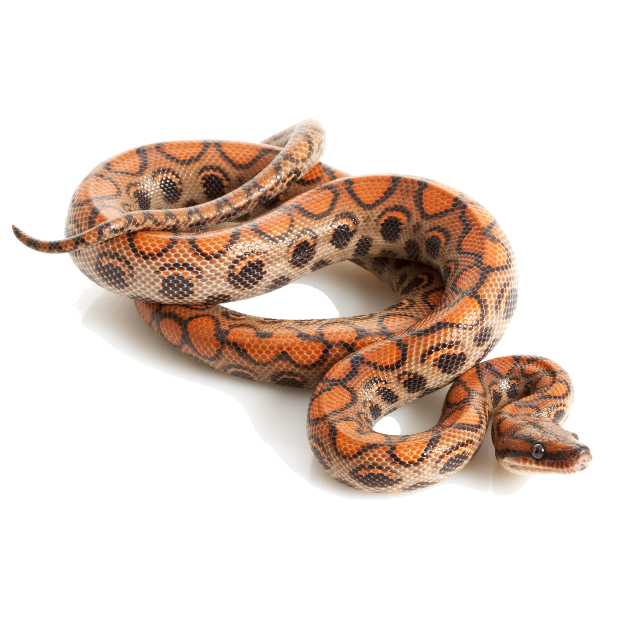
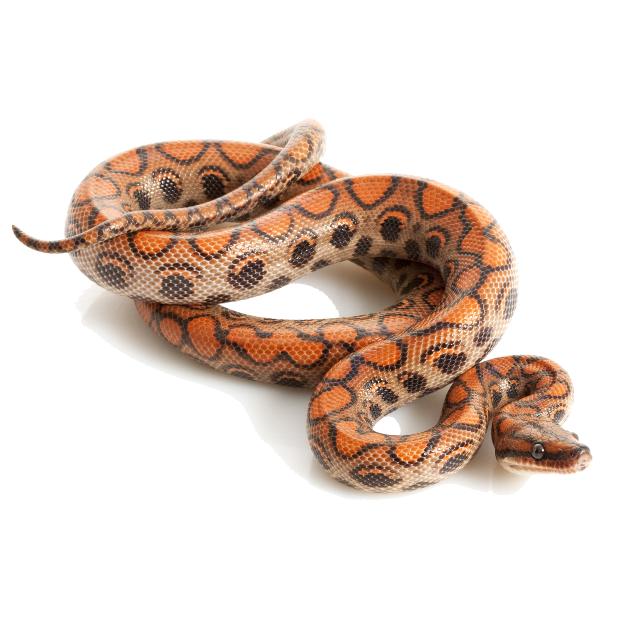
The Brazilian Rainbow Boa (Epicrates cenchria) is a nonvenomous boa found in the Amazon Basin of South America, particularly in Brazil, Guyana,French Guiana, Suriname, and Venezuela. A primarily terrestrial boa, the Brazilian rainbow boa mainly occupies Amazonian rainforests and coastal rainforests along the Atlantic. Sometimes, they can be found in nearby savannas. Brazilian Rainbow Boas are semi-arboreal, meaning they will climb into low branches and shrubs, particularly when young, but they also spend considerable time on the forest floor. They are strong swimmers and frequently inhabit areas near rivers, swamps, and humid forest edges, where prey is abundant and humidity levels remain high. This strikingly patterned snake displays from birth the characteristic iridescent sheen which refracts light and creates a rainbow-colored effect giving the species its common name. There is a great deal of variation in color and markings among this species. This species is nocturnal, meaning it becomes active after dark. During the day, individuals often hide beneath leaf litter, inside hollow logs, or in burrows to conserve moisture and avoid predators. In well-managed environments, they commonly live 20 to 25 years,while wild individuals experience shorter lifespans, around 7 to 12 years, due to predation and environmental pressures.
Ecologically, the Brazilian Rainbow Boa serves as a mid-level predator within its habitat. By controlling populations of small mammals and other vertebrates, it contributes to maintaining ecological balance and limiting overpopulation of prey species. At the same time, it is preyed upon by larger carnivorous mammals, raptors, and possibly large reptiles, making it an integral part of the food web. Its preference for humid, forested ecosystems, particularly within the Amazon Basin and surrounding regions, ties its survival closely to stable, high-moisture environments. Adaptations such as efficient water retention, nocturnal activity to reduce dehydration risk, and strong climbing and swimming abilities allow this species to thrive in dense tropical habitats where competition and predation pressures are significant.
Conservation Status
The Brazilian Rainbow Boa is classified under the IUCN Red List as Least Concern. As per the 2013 assessment, the population trend of this species is stable. This classification indicates that the Brazilian Rainbow Boa is currently not at immediate risk of widespread population decline or extinction. Its classification as Least Concern stems from the boa's relatively wide distribution and its presence in a variety of habitats across South America, particularly within the Amazon Basin and adjacent regions. The species' overall health appears stable, although localized threats could impact certain populations.
Primary threats to the Brazilian Rainbow Boa largely revolve around habitat destruction and fragmentation, mainly due to deforestation activities in the Amazon rainforest. The significant rate of forest conversion to agricultural lands reduces the available habitat, threatening their natural environment. Additionally, climate change poses long-term risks by potentially altering their habitat conditions and prey availability. While not as severely affected by the illegal wildlife trade as some other reptile species, the Brazilian Rainbow Boa is sometimes captured for the exotic pet trade, which can pose a threat to certain local populations. The cumulative effect of these threats can lead to reduced genetic diversity and increased vulnerability to environmental changes.
Conservation efforts for the Brazilian Rainbow Boa include habitat protection and legal restrictions on deforestation and land conversion within the Amazon Basin. Several countries within this region have established wildlife reserves and national parks designed to protect various ecosystems that are home to the boa. These protected areas play a critical role in providing stable habitats free from the pressures of deforestation and human encroachment. Internationally, regulations such as the Convention on International Trade in Endangered Species of Wild Fauna and Flora (CITES) help manage and monitor cross-border trade of Brazilian Rainbow Boas, ensuring that any trade is legal and sustainable.
Managed breeding programs also contribute positively to the species' conservation. These initiatives aim to create stable and genetically diverse captive populations that can serve as a reserve to wild populations. While there are currently no widespread reintroduction programs for the Brazilian Rainbow Boa, maintaining genetic diversity through captivity holds potential for future conservation actions. In conjunction with habitat protection and international trade regulations, these efforts help ensure the Brazilian Rainbow Boa remains a thriving species amidst the challenges it faces in its natural environment.
Native Range
The Brazilian Rainbow Boa is native to northern and central South America, where it occupies a broad but regionally specific range within tropical portions of the continent. Its distribution includes much of Brazil, particularly within the Amazon Basin, as well as parts of southern Venezuela, eastern Colombia, eastern Peru, northern Bolivia, French Guiana, Suriname, and Guyana. Although it is widely distributed within this general region, its presence is closely tied to humid forest systems and nearby wetlands. It is not found in arid or open grassland environments. Populations are most concentrated in lowland rainforest habitats, and the species is considered strongly associated with tropical forest ecosystems.
At the macrohabitat level, this boa inhabits tropical rainforests, moist evergreen forests, seasonally flooded forests, and gallery forests bordering rivers and floodplains. It is particularly common in the Amazon rainforest and adjacent lowland forest systems characterized by dense canopy cover and high annual rainfall. These environments maintain consistently warm temperatures and high humidity throughout most of the year. In some regions, the species also occurs in secondary growth forests and disturbed forest edges, provided adequate ground cover and moisture are available. However, it does not thrive in heavily cleared agricultural or urbanized landscapes.
Within these broad ecosystems, the Brazilian Rainbow Boa selects specific microhabitats that provide moisture, cover, and access to prey. It is primarily terrestrial but frequently utilizes low vegetation, fallen logs, and root systems. Individuals are often found beneath leaf litter, inside hollow logs, within debris piles, and under dense shrubbery. They may also shelter in abandoned mammal burrows or natural soil cavities. In flooded forest systems, they are known to occupy slightly elevated ground during the wet season and may use tree roots or low branches to remain above rising water. Juveniles are more semi-arboreal than adults and commonly occupy shrubs and low tree limbs several feet above ground, particularly in densely vegetated riparian zones.
Climatically, this species thrives in regions with stable, warm temperatures and consistently high humidity. Average daytime temperatures in its native range typically fall between 75℉
and 88℉, with nighttime temperatures often dropping to between 72℉ and 78℉. Seasonal fluctuations are relatively mild compared to temperate regions. Humidity levels commonly range from 70% to 90%, especially within the forest interior. Annual precipitation in much of its range exceeds 60 inches and can surpass 100 inches in core Amazonian regions. A pronounced wet season occurs in many parts of its distribution, marked by heavy rainfall and localized flooding, followed by a comparatively drier season that still maintains moderate humidity. Seasonal changes influence activity levels and breeding cycles, with increased movement often observed during wetter months when prey availability rises.
The Brazilian Rainbow Boa is primarily a lowland species. Most individuals occur from near sea level up to elevations of approximately 3,000 feet. While it may occasionally be found at slightly higher elevations in foothill regions, it is not considered a montane species and does not inhabit high-altitude cloud forests or cooler upland environments. Its physiology and behavioral patterns are adapted to stable, warm lowland climates with high atmospheric moisture.
Several environmental factors are critical for the species’ survival. Persistent humidity is essential, as dehydration risk increases rapidly in dry conditions. Access to freshwater sources ℉such as streams, river margins, oxbow lakes, and seasonally flooded forest pools plays an important role in maintaining hydration and supporting prey populations. Dense vegetation and heavy canopy cover help stabilize temperatures and reduce moisture loss by limiting direct sun exposure to the forest floor. Soft, moisture-retaining substrates such as leaf litter, loamy soil, and decomposing organic matter are important for sheltering and thermoregulation. In many regions, proximity to riparian corridors significantly increases population density, reflecting the species’ strong association with humid, water-rich environments.
Overall, the Brazilian Rainbow Boa is a lowland tropical forest specialist that depends on warm temperatures, high humidity, dense ground cover, and reliable moisture sources. Its natural history is closely tied to the structure and climate of Amazonian and adjacent rainforest systems, and these environmental characteristics are fundamental to understanding its captive husbandry requirements.
Behavior
The Brazilian Rainbow Boa is primarily nocturnal, with peak activity occurring after dusk and throughout the night. In its natural habitat it spends daylight hours concealed beneath leaf litter, inside hollow logs, in abandoned burrows, or within dense vegetation. This secretive diurnal retreat reduces water loss, limits exposure to predators, and prevents overheating in tropical climates where daytime temperatures regularly exceed its preferred active range.
Seasonal activity patterns are influenced by rainfall and temperature stability rather than extreme seasonal shifts. In equatorial regions where temperatures remain relatively constant year-round, activity levels are closely tied to humidity and prey abundance. During cooler and drier months, individuals may reduce movement and feeding frequency, although true brumation does not occur in this species. In managed care, slight seasonal changes such as modest nighttime temperature reductions, can stimulate breeding behavior. During the reproductive season, males exhibit increased roaming behavior, heightened tongue-flicking to detect pheromones, and occasional male-to-male combat consisting of wrestling and attempts to pin the opponent.
This species is solitary outside of breeding interactions. Adults maintain individual territories or home ranges, and prolonged proximity to conspecifics outside of mating context often results in stress or defensive behavior. There is no cooperative social structure or parental care following birth. Females are ovoviviparous, giving birth to fully formed live young, after which maternal involvement ceases. In the wild, juvenile survival depends entirely on immediate dispersal and independent hunting.
The Brazilian Rainbow Boa relies heavily on chemical and thermal sensory systems. Like other boas, it uses tongue-flicking to transfer airborne and substrate-borne chemical cues to the vomeronasal organ, allowing it to detect prey trails, identify reproductive status in conspecifics, and assess environmental changes. While its labial heat pits are not as numerous or as specialized as those of some other boas and pythons, they are sufficient to detect warm-blooded prey in low-light conditions. This species responds strongly to temperature gradients; it will actively seek microhabitats that maintain body temperatures typically between 78℉ and 85℉, with slightly warmer surfaces used for digestion. In both wild and those under human care, individuals shuttle between warmer and cooler areas to regulate metabolic processes.
Humidity plays a critical behavioral role. In the wild, these boas are strongly associated with humid forest floors and riparian zones. Decreased humidity triggers increased hiding behavior and reduced activity, likely as a dehydration avoidance strategy. In captivity, insufficient humidity often leads to prolonged soaking behavior, repeated attempts to burrow beneath substrate, or refusal to use exposed perches. Proper humidity encourages normal nocturnal exploration and smooth shedding cycles.
When confronted with predators, Brazilian Rainbow Boas rely primarily on crypsis and immobility. Their iridescent scales, which refract light to produce a rainbow sheen, are particularly disruptive in dappled forest lighting, helping to break up their outline. If disturbed further, they may adopt a defensive S-shaped coil, hiss loudly, and strike. Unlike some closely related species, they are generally less prone to prolonged defensive biting when left undisturbed. Juveniles are more defensive than adults, likely due to increased predation pressure from birds, mammals, and larger reptiles.
Hunting behavior is ambush-based. Individuals typically position themselves along rodent trails, near water sources, or beneath low vegetation where prey movement is predictable. Once a prey item comes within range, the snake performs a rapid strike, securing the prey with recurved teeth before coiling tightly to induce circulatory arrest. After subduing prey, it methodically aligns and swallows the animal headfirst. Juveniles consume smaller prey such as small rodents and possibly amphibians or lizards, while adults primarily feed on small mammals and occasionally birds. Feeding frequency is opportunistic in the wild, depending on prey availability.
Thermoregulatory behavior is subtle but consistent. Unlike strictly arboreal species, this boa is semi-arboreal but predominantly terrestrial. It may climb low shrubs or branches, particularly juveniles, but adults spend much of their time on or near the forest floor. In captivity, juveniles often utilize vertical climbing opportunities more frequently than adults, reflecting natural age-related differences in habitat use. Basking behavior is indirect; rather than fully exposing themselves to open sunlight, they utilize filtered light or warm microhabitats that allow gradual heat absorption without excessive exposure.
In managed care, behavioral differences primarily arise from environmental predictability and spatial limitation. Captive individuals often become more tolerant of human presence, particularly when raised from a young age with consistent, calm handling. However, they remain primarily nocturnal and may exhibit defensive responses if disturbed during daytime rest. Feeding responses are typically more regular and pronounced due to scheduled feeding, and some individuals develop strong anticipatory behavior when enclosures are opened.
Stress behaviors in human care include persistent hiding, repeated striking at enclosure walls, refusal to feed, excessive soaking, or roaming during daylight hours. These behaviors are usually linked to improper temperature gradients, low humidity, excessive light exposure, or lack of secure hiding spaces. Environmental enrichment, such as varied substrate depth, multiple shelter options, and occasional rearrangement of enclosure furnishings, can promote exploratory behavior and reduce stress.
A notable behavioral trait of this species is its comparatively calm disposition once acclimated, especially when handled gently and consistently. While neonates can be reactive, many adults display measured, deliberate movements and rarely engage in prolonged aggression. This temperament, combined with its striking iridescence, distinguishes it among boa species.
Overall, the Brazilian Rainbow Boa exhibits a predictable combination of solitary territorial spacing, humidity-dependent activity, and sensitive environmental responsiveness. Successful captive care requires replicating these core behavioral drivers—secure hiding spaces, high humidity, appropriate temperature gradients, and limited disturbance during daylight hours—to maintain natural behavioral expression and long-term health.
Husbandry Requirements
Habitat Design
Brazilian Rainbow Boas enclosures must reflect their need for high humidity, moderate climbing opportunity, secure hiding spaces, and stable environmental conditions. These snakes are powerful, curious, and capable of pushing against weak enclosures, so structural security is a primary consideration.
Juveniles can be housed in a well-ventilated enclosure measuring a minimum of 30 inches long by 12 inches wide and 12 inches tall. Display enclosures that provide both horizontal space and climbing enrichment are strongly recommended for long-term welfare. As the snake matures, enclosure size must be increased substantially. Adult Brazilian Rainbow Boas require, at minimum, an enclosure measuring 4 feet long by 2 feet wide by 2 feet tall. Larger females, which often exceed 6 feet in total length, benefit significantly from enclosures measuring 5 feet long by 2 to 3 feet wide by 2 to 3 feet tall. Greater height allows for climbing and thermoregulatory choice.
PVC enclosures are strongly recommended due to superior humidity retention, ease of sanitation, and resistance to warping. Sealed wood enclosures can be used if properly waterproofed with non-toxic sealants. Glass enclosures are less ideal for adults because they struggle to retain humidity and heat, though they may be modified with sealed tops and reduced ventilation. Ventilation should be moderate and cross-directional, preventing stagnant air while preserving humidity.
The internal layout must offer layered complexity. At minimum, provide two secure hides, one on the warm side and one on the cooler end. Hides should fit snugly, allowing the snake to feel secure with bodily contact on multiple sides. Cork bark rounds, molded resin caves, and stacked wood structures are appropriate. Branches and elevated perches must support the full body weight of the snake without shifting. Natural hardwood branches, securely anchored driftwood, or custom-built platforms allow climbing and resting above ground level. A broad, stable basking area directly beneath the primary heat source should be provided.
Security is critical. Sliding glass doors should have locking mechanisms. Screen tops must be clamped securely. Brazilian Rainbow Boas are capable of exploiting small gaps, particularly during periods of high activity such as feeding response. All cable ports should be sealed.
Lighting and Heating
Brazilian Rainbow Boas require a defined thermal gradient to regulate metabolism, digestion, and immune function. Daytime ambient temperatures should range from 78℉ to 84℉ on the warm side, tapering to 75℉ to 78℉ on the cooler end. A basking surface temperature of 88℉ to 90℉ should be provided. Nighttime temperatures may drop modestly to 75℉ to 77℉ degrees, but prolonged drops below 72℉ should be avoided.
Primary heat sources may include overhead radiant heat panels or ceramic heat emitters. Under-tank heating elements can be used if installed externally and controlled precisely, but overhead heating more accurately mimics natural warming patterns and reduces risks associated with direct contact. Heat rocks must never be used due to the high risk of thermal burns. Every heating element must be regulated by a reliable thermostat with a properly positioned probe to prevent overheating and thermal injury.
Although Brazilian Rainbow Boas are nocturnal, low to moderate UVB exposure appears to provide physiological benefits, particularly in captivity where natural sunlight is absent. A 5% to 7% UVB fluorescent tube can be installed across approximately half the enclosure length. The bulb should be positioned 12 to 18 inches above basking areas, with no glass or plastic obstructing output. Shade zones must remain available so the snake can self-regulate exposure. UVB bulbs should be replaced according to manufacturer output lifespan, typically every 10 to 12 months.
A consistent photoperiod of 12 hours of light and 12 hours of darkness is appropriate for most of the year. Seasonal adjustments, such as slight reductions in daylight hours during winter months, may support natural circadian cycling and can stimulate breeding behavior in mature specimens. Lighting cycles should remain consistent daily through the use of timers.
Substrate and Enrichment
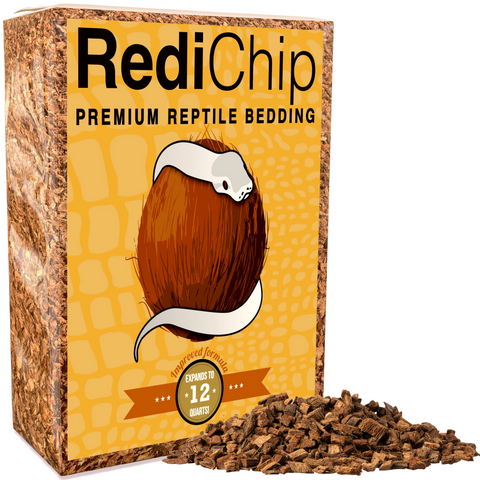
Brazilian Rainbow Boas inhabit moist forest floors composed of leaf litter, decomposing organic matter, and soil. The substrate should promote humidity retention while minimizing mold and bacterial growth. ReptiChip coconut chip substrate is highly appropriate due to its ability to retain moisture without becoming waterlogged. For increased naturalism and burrowing opportunities, a mixture of ReptiChip and ReptiEarth can be used to create a deeper, more soil-like consistency. A substrate depth of at least 3 to 4 inches for juveniles and 4 to 6 inches for adults allows limited burrowing and moisture buffering.
Substrates should be spot-cleaned as needed and fully replaced at regular intervals depending on enclosure size and sanitation routine. Saturated or soiled substrate must be removed promptly to prevent scale issues and respiratory complications.
Environmental enrichment is essential for encouraging natural behaviors. Provide sturdy climbing branches positioned diagonally and horizontally at varying levels. Vertical cork bark slabs allow climbing and surface gripping. Leaf litter layers over substrate create tactile variation and hiding areas. Rotating enclosure furniture periodically introduces novel stimuli and encourages exploration. Interactive enrichment may include subtle changes in perch arrangement or introduction of new naturalistic décor. Enrichment can come in many forms and is for the stimulation of your animal. The five types of enrichment you can offer are food related, sensory, physical habitat, cognitive, and social. These categories have a vast variety of options to choose from that are appropriate for the species being enriched. Hides should remain constant to preserve security even when other elements are rotated.
Humidity and Hydration
Brazilian Rainbow Boas have high humidity requirements compared to many other commonly kept boas. Optimal relative humidity ranges from 75% to 85%. Short fluctuations outside this range are tolerated, but chronic dryness can result in retained shed, retained eye caps, dehydration, and increased susceptibility to respiratory infections.
Maintaining appropriate humidity begins with enclosure choice. PVC enclosures greatly assist with moisture retention. Substrate should remain slightly damp beneath the surface layer, never saturated. Pouring water directly into substrate corners periodically helps maintain deep humidity layers while leaving the surface relatively dry to prevent scale rot.
Misting once or twice daily may be necessary in drier climates. Automated misting systems can be used but require careful adjustment to avoid over-saturation. Humidifiers may supplement humidity during nighttime hours when ambient household air becomes dry; however, constant heavy fogging is not recommended. Adequate airflow must always be preserved.
A large, heavy water bowl should be provided at all times. Brazilian Rainbow Boas often soak, particularly before shedding. The water container should be large enough for the snake to coil comfortably within it and should be cleaned and refilled with fresh water daily. Dechlorinated water is recommended where municipal treatment levels are high.
Humidity must be measured with a calibrated digital hygrometer placed at mid-level within the enclosure. Analog dial gauges are often inaccurate and should be avoided. Continuous monitoring ensures early detection of environmental imbalances.
Proper hydration is reflected in smooth, complete sheds, clear eyes, and consistent muscle tone. When environmental parameters are correct, Brazilian Rainbow Boas display robust feeding responses, strong body condition, and calm but alert nocturnal activity.
Diet & Supplementation
The Brazilian rainbow boa is an obligate carnivore, primarily preying on a variety of small vertebrates. In the wild, this species exhibits a diverse diet that typically includes small mammals, such as rodents, small birds, and occasionally, amphibians. Their diet is opportunistic, meaning they will consume a wide range of available prey, allowing them to adapt to fluctuating food resources in their native habitats. They utilize ambush predation to capture prey, relying heavily on their striking ability to seize and then constrict their prey until it succumbs to asphyxiation. This species has heat-sensing pits located on their upper lips, which they use to detect the warmth of nearby mammals or birds, allowing them to hunt effectively even in complete darkness.
Dietary habits can vary with age and environmental conditions. Juveniles might focus more on smaller prey, such as amphibians or young rodents, while adults are capable of taking down larger prey, owing to their increased strength and growth. Additionally, seasonal changes can affect prey availability, leading Brazilian rainbow boas to adapt their feeding strategies throughout the year. During cooler periods, their metabolism slows down, resulting in reduced feeding frequency.
In managed care, providing a diet that mimics their natural intake can be challenging yet crucial for their health. Brazilian rainbow boas are usually fed a diet consisting predominantly of appropriately sized rodents, such as mice and rats. While occasional supplementation with other prey items, such as quail chicks or reptile-based diets, can help mimic natural conditions, rodents remain the most practical and nutritionally complete option. While feeding chicks is a great way to add variety to diets it should be fed sparingly as the yolks from the birds are high in fats and can cause excessive weight gain for the animal. Care should be taken to select prey that is not too large, as overfeeding can lead to obesity and health problems. Regular feeding of pre-killed or frozen-thawed prey is recommended to prevent injury to the snake. Since captive snakes may not receive as varied a diet as in the wild, supplementation with vitamins and minerals, especially calcium and vitamin D3, is beneficial to prevent nutritional deficiencies. Remember that feeding frequency for juveniles is typically every seven to ten days, while adults may be fed every ten to fourteen days. Individuals can safely be fed prey items up to one and a half times the widest part of their body.
Common feeding issues such as refusal to eat are often linked to stress, improper enclosure conditions, or illness. Ensuring a stress-free environment with appropriate temperatures (ideally maintaining a gradient with a basking area around 88 to 92℉) and hiding spaces can improve appetite. If feeding issues persist, consulting a specialist or a veterinarian with herpetological expertise is recommended to assess health and husbandry practices. By understanding and addressing these dietary needs, Brazilian rainbow boas can thrive in managed care.
Reproduction
Brazilian Rainbow Boas reach reproductive maturity based on both age and body condition rather than age alone. Males can become sexually mature as early as 2½ to 3 years of age when they are approximately 4 feet in length and in lean, well-muscled condition. Females typically mature later, most reliably between 3½ and 4 years of age, and should be at least 4½ to 5 feet long with substantial body mass before being bred. Breeding females must have adequate fat reserves but should not be obese. Sexual dimorphism in this species is subtle. Females are generally heavier-bodied and may attain slightly greater overall length, while males tend to have proportionally longer tails and more prominent pelvic spurs. These spurs are used during courtship to stimulate the female.
Tracking female follicular development using palpation or ultrasound can also help time introductions more precisely, improving the likelihood of successful copulation. Courtship behavior is deliberate and often prolonged. When introduced during the breeding season, the male actively tongue-flicks to assess pheromonal cues, particularly from the female’s cloacal region. He will align his body alongside hers and may engage in persistent chin rubbing and tail searching movements. The pelvic spurs are rhythmically rubbed along the female’s flanks to encourage her to be receptive. Copulation can last several hours, during which the male inserts one of his hemipenes. Females that are not receptive may move away, elevate the tail defensively, or strike. In compatible pairings, however, females typically remain relatively calm during copulation. While mate selection in managed care is limited, some females show preference or improved responsiveness when exposed to multiple males, as pheromonal competition can stimulate reproductive behavior. Direct male-to-male combat is uncommon in this species but short-lived investigative interactions may occur if multiple males are briefly introduced.
Successful breeding depends heavily on replicating seasonal environmental changes that reflect the species’ natural cycle in tropical South America. In the wild, reproduction is closely associated with cooler and slightly drier seasonal conditions. To stimulate follicular development in females and increase sperm production in males, a controlled cooling period is recommended. Over a period of two to three weeks, nighttime temperatures should gradually be reduced to 70℉–72℉, while daytime ambient temperatures remain around 78℉–80℉. A basking area of approximately 82℉ can be maintained but is not always necessary during this cooling cycle. This cooling phase should last 8 to 10 weeks. Concurrently, photoperiod may be reduced to approximately 10 hours of light per day. Humidity should remain moderate, typically between 70% and 80%, but slightly less frequent misting can help simulate seasonal change without causing dehydration. After this cooling period, a gradual return to normal maintenance temperatures, ambient temperatures around 80℉–82℉ with a localized warm area of 84℉–85℉, often triggers increased reproductive activity.
This species is ovoviviparous, giving birth to fully formed live young rather than laying eggs. For successful copulation, the female should be in optimal health and well hydrated. Breeding is usually conducted by introducing the male into the female’s enclosure, as females are generally more secure and less stressed in familiar surroundings. Cohabitation outside of breeding attempts is not recommended, as Brazilian Rainbow Boas are solitary by nature and prolonged housing together can lead to chronic stress or feeding refusal. Some breeders introduce the male for several consecutive days, remove him for a brief interval, and then reintroduce him to stimulate repeated copulation attempts. Providing multiple secure hiding spaces within the enclosure reduces stress and allows the female to thermoregulate effectively during follicular development.
Several challenges are common in captive breeding efforts. One of the most frequent issues is insufficient environmental cycling. Without an adequate cooling period, males may produce reduced sperm counts and females may fail to undergo proper follicular development. Conversely, excessive cooling below 68℉ can suppress immune function and reduce overall health. Improper body condition is another major factor; overweight females frequently experience reproductive failure, while underweight females may reabsorb follicles. Regular pre-breeding conditioning with appropriately sized prey items and careful weight monitoring are essential.
Stress is also a significant barrier to reproductive success. Excessive enclosure traffic, frequent handling during cycling, or cohabitation outside planned introductions can inhibit mating behavior. Ensuring visual security, minimizing disturbances, and maintaining consistent humidity levels are critical. Dehydration can impair reproductive cycling, so access to clean water and stable humidity must be maintained throughout the breeding season. Incompatibility between individuals may require substituting a different mate, particularly if repeated introductions fail to produce courtship behavior. Careful observation of behavioral cues, environmental precision, and attention to body condition collectively determine long-term breeding success with this species. This species is also known to reproduce by parthenogensis, a rare form of asexual reproduction where females produce offspring without fertilization from males. The most recent case of this was in 2024, a 13-year-old female in the UK gave birth to 14 babies after being alone for nine years.
Incubation & Neonate Care
Brazilian Rainbow Boas are ovoviviparous, meaning they give birth to fully formed live young rather than laying eggs externally. In this reproductive mode, embryos develop inside individual membranous eggs that remain within the female’s body throughout gestation. The eggs are not deposited in a nest; instead, the young hatch internally and are born encased in thin, transparent membranes. This strategy differs from true live-bearing species, which provide direct maternal nutrient transfer through a placenta-like structure. In Brazilian Rainbow Boas, embryonic nourishment is derived primarily from the yolk contained within each egg.
After successful copulation, females undergo a gestation period averaging 100 to 150 days, depending on temperatures and individual variation after post ovulation shed. While gravid, the female’s mid-body becomes visibly distended, and careful observation may reveal subtle contouring from the developing embryos. Optimal gestational temperatures should be maintained with a thermal gradient: an ambient range of 78℉ to 82℉, with a basking area of 88℉ to 90℉. Nighttime temperatures may drop slightly to 75℉ to 78℉. Consistency is critical; excessive fluctuations can stress the female and negatively impact fetal development.
As birth approaches, the female may exhibit restlessness, reduced appetite, and increased time spent in secluded, humid hiding areas. Proper hydration is essential during gestation, as dehydration can contribute to dystocia, a condition in which the female is unable to deliver her young. The enclosure should include a large, clean water bowl for soaking and a humid hide maintained at approximately 75℉ to 85℉. Inadequate humidity or nutritional deficiencies, particularly insufficient calcium balance, can increase the risk of birthing complications.
The birthing process itself can last several hours. The female will typically position herself along the ground or partially coiled. Neonates are expelled individually, each enclosed in a delicate, transparent membrane. Within minutes, the young begin to move and tear free from the membrane. Healthy neonates are fully independent at birth and receive no parental care. Litter sizes range from 6 to 25 offspring, with 10 to 15 being common in well-conditioned females. Stillbirths or undeveloped ova, sometimes referred to as slugs, may occasionally occur and should be promptly removed to maintain enclosure hygiene. Neonates should be removed immediately from the mother as these boas have been studies showing that females will participate in Filial cannibalism, which occurs when parents consume their own offspring, whether they are alive or stillborn. This can be of stillborn or underdeveloped eggs. Postpartum snakes are more likely to ingest their young when a high proportion of their offspring are nonviable. Research has found that the production of slugs is more common in captive females and in females that have spent extended periods without mating. This supports the idea that captive snakes are more prone to engage in filial cannibalism.
Following birth, the female should be allowed privacy and minimal disturbance. She may appear thin and dehydrated. Fresh water must be provided immediately, and feeding can typically resume after a post-birth shed cycle, usually within 10 to 14 days. Close monitoring for retained young or signs of infection, such as lethargy, swelling, or discharge, is essential during the postpartum period.
Neonates measure approximately 14 to 20 inches in length at birth and are immediately capable of independent survival. They should be housed separately from adults and preferably individually to prevent stress, accidental injury, or feeding competition. Each neonate enclosure can be modest in size, such as a secure plastic tub measuring about 12 inches long and 8 inches wide, with adequate ventilation. A paper towel substrate is recommended initially to allow easy monitoring of waste and hydration status. Provide a snug hide and a shallow water dish.
Humidity for neonates should be maintained between 75% and 85%, as this species is highly sensitive to desiccation at a young age. Ambient temperatures should range from 78℉ to 82℉, with a localized warm area reaching 88℉ to 90℉. Proper humidity is especially important during the first shed, which typically occurs 7 to 14 days after birth. Incomplete sheds are often the result of insufficient moisture.
Neonates may refuse food until their first shed, which typically occurs within 7 to 10 days post-hatching. Once shed, most juveniles will accept appropriately sized prey, such as newborn pinkie mice. Feeding should occur every 5 to 7 days, with prey offered via tongs to monitor consumption. If a neonate refuses to feed for several weeks, environmental factors should be assessed, and alternative strategies such as scenting prey or using live pinkies may be employed cautiously. Dehydration and stress are the most pressing health concerns at this stage, underscoring the need for consistent husbandry. Handling should be minimized in the first few weeks of life to reduce stress and allow for proper acclimation to the enclosure.
Hydration is critical during early development. Neonates should always have access to fresh water, and light misting of the enclosure can help maintain humidity, though surfaces should not remain constantly wet. Signs of dehydration include wrinkled skin, lethargy, and retained shed. Common neonatal health concerns include failure to thrive, internal parasitic infections (particularly in wild-caught lineage animals), and respiratory issues stemming from improper humidity or ventilation balance.
Handling of neonates should be minimal during the first few weeks to reduce stress and encourage feeding establishment. With proper environmental conditions, nutrition, and observation, and early attention to husbandry details substantially increases survival rates and sets the foundation for healthy development into adulthood.
Conclusion
The Brazilian Rainbow Boa is a fascinating species that captivates both novice and experienced reptile keepers with its stunning iridescence and intricate care requirements. To successfully maintain one, keepers must meticulously replicate its natural environment to facilitate its well-being, growth, and natural behaviors. This entails providing a spacious, secure enclosure with robust humidity management, appropriate temperature gradients, and plenty of enrichment opportunities. Their nocturnal and solitary nature dictates the need for a peaceful and stable environment, with limited interaction outside necessary care routines.
Their diet should closely mimic their natural intake, consisting mainly of appropriately sized rodents. Feeding should be regular and monitored to prevent obesity or malnutrition, with a careful watch for any signs of health issues. Their complex reproductive biology, involving live birth after internal egg development, requires specific environmental conditions to ensure successful breeding and healthy offspring. Neonates, while independent at birth, necessitate dedicated husbandry efforts, particularly in maintaining humidity and providing appropriately sized prey to promote robust early development.
Efforts to care for Brazilian Rainbow Boas should also include a provision for their conservation by being aware of their ecological role and the environmental threats they face in the wild. By supporting habitat preservation and responsible pet ownership, keepers can contribute to the ongoing stability of this vibrant species, ensuring it continues to enthrall future generations. Whether as part of a personal collection or in a professional breeding program, the dedication to replicating their natural tropical habitat conditions not only supports individual health and behavior but also enriches the overall experience of keeping these remarkable snakes.