
The scientific name of the Boelen’s Python is Simalia boeleni.


Free Shipping to the Lower 48!
Free Shipping to the lower 48!
Menu title
This section doesn’t currently include any content. Add content to this section using the sidebar.
Your headline
Image caption appears here
$49.00
Add your deal, information or promotional text
Simalia boeleni


| Common Name(s) | Boelen’s python Black python |
| Scientific Name | Simalia boeleni |
| Behavior | Nocturnal (active during night )
|
| Reproduction | Oviparous (Egg Layer) Gestation: ~30-45 days Clutch size: ~4-10 eggs Incubation: ~60-90 days |
| Lifespan | ~20-30 years |
| Temperatures | 70-75°F cool side 80-85°F warm side 85-90°F basking spot |
| Humidity | 60-80% |
| Lighting | UVA/UVB benefits animal |
| Size | ~8-10 ft |
| Enclosure Recommendations | Baby-Young: 24”x24”x24” (<6 months +) OR 36”x18”x18” Sub Adult-Adult: 48”x24”x48” (<4 ft minimum) 72”x48”x48” (<6ft minimum) 96”x48”x48” (<8ft minimum) 120”x48”x48” (<10ft minimum) Always base adult size enclosure off of snake size. They should be able to stretch out in length completely & turn around comfortably. |
| Experience Level | Advanced *If previously established on F/T rodents *Parents should always be involved caring for any pet, until the child is 18. |
| Diet | Carnivorous: Whole Prey Rodents Chicks Quail Rabbits |
Filter by age:







Boelen’s pythons are among the most visually striking and enigmatic pythons in the world. Native to the montane rainforests of New Guinea, they occupy elevations typically ranging from 5,000 to 8,000 feet. These secretive snakes are rarely encountered in the wild, and much of their biology has only recently been better understood through limited field observations and studies.
Boelen’s pythons grow slowly compared to many other python species. Full maturity is generally reached between 4 and 6 years of age, at which point adults typically measure between 8 and 10 feet in length, although specimens over 11 feet have been recorded. Their lifespan can exceed 25 years, though wild longevity data is scarce. Unlike many other python species, Boelen’s python females demonstrate maternal care by coiling around their eggs during incubation, using muscular shivering to thermoregulate the clutch temperature. After hatching, however, the young are independent and receive no further parental care.
Ecologically, Boelen’s pythons play an important role as mid- to upper-level predators in the montane rainforest ecosystem. They help control populations of small mammals and birds, acting as natural pest control agents. In turn, they may fall prey to larger carnivores such as monitor lizards, birds of prey, and possibly humans in regions where hunting occurs, though their cryptic nature and low population density generally reduce encounter rates with predators.
These pythons have evolved to survive in a highly specific ecological niche. Their adaptations to cool, moist, high-elevation forests include tolerance for lower ambient temperatures and an ability to thermoregulate through behavioral means, such as basking in filtered sunlight or resting in retained heat zones among rock crevices and dense vegetation. Their slow metabolism and conservative behavior support energy efficiency in an environment where prey availability is often seasonal. As habitat specialists, Boelen’s pythons are considered indicators of ecosystem health and are particularly sensitive to deforestation and habitat fragmentation.
In summary, the Boelen’s python is a slow-growing, secretive predator with a unique developmental and behavioral profile. Understanding the nuances of its life cycle, behavior, and ecological niche is essential for anyone considering their conservation or care.
Conservation Status
The Boelen’s python is currently classified as “Least Concern” or “Data Deficient" on the International Union for Conservation of Nature (IUCN) Red List. This status indicates that, based on currently available data, the species does not face an immediate risk of extinction across its range. But due to its remote high altitude habitat there is a severe lack of scientific information. However, it must be noted that the designation of “Least Concern” does not mean the species is free from threats or that its populations are flourishing; rather, it reflects a lack of substantial evidence for widespread population decline or drastic habitat degradation at a scale that would push it into a higher-risk category. The Boelen’s python is native to the highland forests of Papua New Guinea and parts of central and eastern New Guinea, where it occupies elevations typically above 4,000 feet. These montane environments are relatively remote and less impacted by human activity compared to lowland habitats, which has so far helped maintain stable population numbers. However, due to the species’ elusive nature and the inaccessibility of its native habitat, reliable population estimates are difficult to obtain, and much of what is known comes from sporadic field reports and anecdotal observations.
While the Boelen’s python is not currently classified as threatened, there are several pressures that could significantly affect its long-term survival if left unchecked. One of the most pressing threats is habitat degradation, primarily due to agricultural expansion, logging, and human settlement. Although the high-elevation forests it inhabits are more protected by geographic barriers, illegal logging and encroachment are increasing as access to these areas improves. Additionally, collection for the illegal pet trade poses a serious concern. The Boelen’s python is highly sought after by reptile enthusiasts and collectors due to its striking iridescent black scales and rarity under human care. This demand has led to poaching of wild individuals, often with destructive consequences for local populations. The species' naturally low reproductive rate and secretive behavior make it particularly vulnerable to overcollection. Other potential threats include the introduction of invasive species and disease, both of which can destabilize native ecosystems and affect prey availability or health.
In response to these concerns, several conservation initiatives have been put in place to protect Boelen’s pythons and their habitat. The governments of Papua New Guinea and Indonesia have implemented legal protections prohibiting the unlicensed collection and export of this species. These laws are in alignment with international agreements such as CITES (the Convention on International Trade in Endangered Species of Wild Fauna and Flora), where the species is listed under Appendix II, regulating international trade to ensure it doesn’t threaten the species' survival. In terms of habitat protection, several highland forest reserves have been established, offering some degree of sanctuary to wild populations. Conservation organizations are also working with local communities to promote sustainable land-use practices and raise awareness about the importance of preserving native species like the Boelen’s python.
Captive breeding programs play an essential role in the conservation of this species, although they have not been as widely successful as with some other python species. Boelen’s pythons are notoriously difficult to breed in a managed setting, with very few successful litters documented worldwide. Factors such as temperature sensitivity, stress, and the need for seasonal environmental changes have hindered captive propagation efforts. Nevertheless, several dedicated herpetoculturists and zoological institutions are actively working to develop reliable breeding protocols. Genetic diversity is also an important consideration, as maintaining a viable captive population may one day serve as a safeguard against wild population decline. In the long term, effective in situ conservation, preserving the species in its natural environment, remains the most viable strategy for ensuring the Boelen’s python continues to thrive in the wild. Enhancing habitat protection, enforcing anti-poaching laws, and supporting community-based conservation initiatives will be critical components of this effort.
Native Range
Boelen’s python is native to the central highlands of the island of New Guinea, with its distribution spanning both Papua New Guinea and the Indonesian-administered Papua Province (formerly Irian Jaya). While its overall range is restricted geographically, the species occupies a specialized ecological niche within that region. Unlike many pythons, which are often widespread through lowland forests or savannas, Boelen’s python is an upland specialist. It is primarily found in cool, montane environments at elevations ranging from approximately 4,000 to 7,200 feet above sea level, though sightings have occasionally been reported up to 8,000 feet. Its occurrence is largely confined to the central cordillera, the mountainous spine of New Guinea, which includes rugged terrain, forested slopes, and mossy cloud forests.
The macrohabitat of Boelen’s python consists of tropical and subtropical montane forests. These ecosystems are characterized by dense canopy cover, high rainfall, and relatively stable, cool temperatures compared to the lowland tropics. The forest composition includes a mix of epiphytes, tree ferns, mosses, and broadleaf evergreens, with a thick understory that helps maintain high humidity. Within this broad environment, Boelen’s python inhabits several microhabitats. It is most frequently encountered in moist, leaf-littered forest floors, near fallen logs, and beneath dense vegetation. It may also utilize natural crevices in rocky areas, hollow logs, and subterranean spaces such as burrows or abandoned tree root systems. These microhabitats offer both thermoregulatory opportunities and concealment from predators or human activity.
Climatically, the highland regions where this species is found are cooler and wetter than the lowland areas of New Guinea. Temperature ranges in its native environment typically fluctuate between 60°F and 75°F. During the daytime, brief periods of sunlight can raise ground temperatures slightly, but due to frequent cloud cover and mist, temperatures rarely exceed 80°F. Humidity levels are consistently high, often remaining between 80% and 100% throughout the year. Rainfall is abundant, with annual precipitation often exceeding 100 inches; however, there are less distinct wet and dry seasons at higher elevations, leading to fairly consistent moisture availability. The stability of this cool, moist climate is a crucial factor influencing the species’ physiology and activity patterns.
Several environmental components are critical for the survival of Boelen’s python in its natural range. Proximity to fresh water is essential, as individuals are often found near slow-moving streams and seepages. The presence of dense canopy cover helps stabilize ground-level temperatures and sustains the moist conditions necessary for skin health and shedding. The forest substrate, composed of deep leaf litter and decaying organic matter, offers ideal conditions for thermoregulation, ambush hunting, and shelter. In some areas, the terrain consists of limestone or volcanic soils, which support a rich diversity of flora and fauna, contributing to a healthy prey base for the python. Vegetation structure, particularly shrubs, tree roots, and low-lying vegetation, also plays a role in the python’s natural movement and concealment strategies, as it often uses these features for cover while stalking prey or avoiding detection.
Overall, Boelen’s python is a habitat specialist, adapted to cool, moist montane forests with specific climatic and structural features. Its restricted range, dependence on stable microclimatic conditions, and sensitivity to environmental disturbance make habitat preservation in these highland regions critical to the species' continued survival.
Behavior
Boelen’s pythons are predominantly crepuscular, showing peak activity levels during dawn and dusk, although in cooler conditions they may become more diurnal by necessity. In their native highland tropical forest environments of New Guinea, they are often encountered in elevations ranging from 4,000 to over 7,000 feet, where temperatures are cooler than in lowland tropical regions. Seasonal changes affect their behavioral patterns significantly. During the cooler dry season, these pythons may reduce overall activity, potentially entering a mild brumation-like state characterized by reduced feeding and slower movement. This behavior is likely tied to thermoregulatory needs and hormonal cycles, particularly related to reproduction. During the breeding season, which is suspected to occur after a cooler, drier period followed by a warming trend, males become more active, likely in search of females, while females show signs of increased basking and appetite pre-ovulation.
Socially, Boelen’s pythons are solitary animals. Encounters outside of breeding are rare in the wild, and they display territorial tendencies when confined. In captive environments, housing individuals together often results in stress, avoidance behavior, or even aggression. Males, in particular, may combat other males during breeding season, engaging in behaviors like upright posturing, body wrestling, and pushing contests to establish dominance. Copulation behavior involves extended courtship, with the male trailing the female, engaging in tongue flicking and tactile stimulation. There is no parental care once the eggs are laid, though in human care some females have demonstrated maternal incubation behavior by coiling around the clutch and thermoregulating through intermittent muscle contractions.
Boelen’s pythons are highly responsive to their environment. They are sensitive to changes in temperature and humidity, and demonstrate thermoregulatory behaviors such as moving between microclimates within their environment, basking in warm patches, or burrowing into cooler, more humid substrate areas. Light cycles influence their circadian rhythm, especially under human care, where artificial lighting may be needed to simulate natural patterns. Sudden shifts in humidity can trigger changes in activity levels, particularly shedding behavior, which accelerates at higher humidity levels. Their response to humans and potential predators is typically avoidance-based; defensive behaviors include coiling tightly, hissing, and bluff strikes. True bites are rare unless the animal perceives an inescapable threat.
Boelen’s pythons locate prey using a combination of chemical cues and thermal imaging via their heat-sensing labial pits. They are ambush predators by nature but have been known to actively forage in both arboreal and terrestrial substrates, moving with stealth and patience. Notable prey items in the wild include small mammals, birds, and reptiles. Prey recognition can be strong, and they often show heightened tongue-flicking prior to striking. Unlike some closely related species, these pythons tend to constrict prey precisely and vigorously, though not excessively, suggesting a balance between efficiency and restraint.
A key behavioral trait that distinguishes this species is its capacity for semi-arboreal locomotion despite its large size. In the wild, individuals have been observed climbing trees and navigating through dense vegetation with surprising agility. Another unique behavior is their iridescent scalation, which may serve as a form of visual camouflage among wet leaf litter and dappled forest light, although its primary purpose is likely structural. Defensive strategies include cryptic coloration and calm behavior; most specimens in both wild and those under human care exhibit a notable tolerance to handling when not stressed, which is distinct from many other large python species.
Behavioral changes often include reduced aggression and increased habituation to human presence. However, Boelen’s pythons frequently display higher levels of exploratory behavior, possibly due to environmental monotony. Stress responses to inadequate humidity or incorrect temperatures may include restlessness, repeated climbing attempts, rubbing the snout against enclosure barriers, and inappetence. Specimens may also experience delayed feeding responses if prey items are not appropriately sized or presented. Proper enrichment, such as vertical climbing opportunities, varied terrain, and seasonal environmental changes, can reduce pacing and other stereotypic behaviors.
Understanding these natural behaviors and accounting for their environmental triggers are central to successfully maintaining Boelen’s pythons. Discrepancies in temperature ranges, humidity levels, or photoperiod can result in unnatural behaviors or health issues, emphasizing the need for a comprehensive, biologically informed husbandry strategy.
Enclosure Design
Boelen’s pythons are large, semi-arboreal constrictors native to the montane forests of New Guinea, requiring well-structured enclosures that replicate their cool, high-altitude rainforest environment. For juveniles up to approximately 3 feet in length, an enclosure measuring at least 3 feet long, 2 feet wide, and 2 feet tall is acceptable for temporary housing. However, these snakes grow quickly, and adults regularly reach lengths of 8 to 10 feet, requiring significantly larger spaces. Adult Boelen’s pythons must be housed in an enclosure no smaller than 8 feet long, 4 feet wide, and 4 feet tall. Vertical space is especially important, as although not strictly arboreal, this species will readily climb if given the opportunity.
Enclosures should be constructed from materials that offer good insulation while allowing frequent cleaning. PVC enclosures are highly recommended for their durability, moisture resistance, and ease of maintenance. Wood enclosures sealed with non-toxic waterproofing can also be used, but they must be well-ventilated to prevent humidity-related issues such as mold. Screen-topped enclosures are generally avoided, as they can excessively reduce humidity and heat retention, both critical elements for this species’ well-being.
The interior layout must include multiple horizontal and vertical climbing structures made of sturdy branches or driftwood. These snakes often rest off the ground in a managed setting. Ground-level hides must be provided on both the warm and cool ends of the enclosure using cork rounds, commercially available hide boxes, or custom-built rock crevices. A defined basking area with an overhead heat source should be established, along with partially shaded zones to allow for thermoregulation. All structural elements must be securely anchored to prevent collapse under the weight of the snake. Boelen’s pythons are strong and inquisitive, so all enclosure doors must use secure latching systems and, ideally, be equipped with locks to prevent escapes.
Lighting and Heating
Providing a thermal gradient is vital to the health of Boelen’s pythons, which originate from montane forests where daytime temperatures are relatively cool compared to lowland tropical habitats. The basking spot should maintain a temperature between 86°F to 88°F, created using a radiant heat panel or ceramic heat emitter controlled by a thermostat. Ambient daytime temperatures across the enclosure should range from 76°F to 82°F, and nighttime temperatures can safely drop to 70°F to 74°F, which reflects natural conditions in the species' native range. Under no circumstances should heat rocks be used due to the significant risk of localized burns.
Full-spectrum UVB lighting is strongly recommended for Boelen’s pythons, even though they are not traditionally considered basking reptiles. UVB exposure has been shown to support calcium metabolism, improve immune function, and promote natural diel activity. A 6% UVB tube (such as a T5 High Output linear fluorescent) should be mounted 12 to 18 inches from the basking area, ideally suspended above a mesh screen to ensure UVB penetrance. UVB bulbs should be replaced approximately every 12 months, even if they still produce visible light.
A consistent 12-hour photoperiod is essential, especially in captive breeding attempts. During winter months, a reduced photoperiod of 10 hours of light followed by 14 hours of darkness may be employed to mimic seasonal shifts and encourage hormonal cycling. Lighting should always be controlled by automated timers for consistency, and heating elements must be regulated by thermostats to prevent temperature fluctuations that could stress the animal or cause illness.
Substrate and Enrichment
Replicating the forest floor of Boelen’s python's native environment is key to maintaining health and encouraging natural behaviors. The ideal substrate is one that holds moisture to support moderate humidity without becoming waterlogged. A mix of ReptiEarth and ReptiChip makes an exceptional base, offering both structure and moisture retention while reducing the risk of respiratory issues and impaction. An approximate 60:40 mix of ReptiEarth to ReptiChip allows for burrowing while retaining appropriate airflow and drainage. Avoid loose substrates with sharp particles or excessive dust, and never use reptile carpet, which can harbor bacteria and cause injury to the snake’s scales.
Enrichment elements are highly important for this intelligent and active species. Multiple hides made from cork bark, stone replicas, or plastic caves should be placed throughout the enclosure to provide security. Climbing branches and elevated perches help simulate the structural complexity of the montane rainforest, allowing the snake to stretch, explore, and visually monitor its environment. Rotating decor and rearranging climbing structures on occasion can offer further mental stimulation.
Including areas of leaf litter and sphagnum moss in corners of the enclosure creates additional microhabitats and encourages exploratory and hiding behaviors. If space permits, a water feature such as a small pool or gently circulating waterfall can inspire natural drinking habits and environmental engagement.
Enrichment can come in many forms and is for the stimulation of your animal. The five types of enrichment you can offer are food related, sensory, physical habitat, cognitive, and social. These categories have a vast variety of options to choose from that are appropriate for the species being enriched.
Humidity and Hydration
Given its upland forest origins, Boelen’s python requires moderate to high humidity. Optimal relative humidity should be maintained between 65% and 80%, with slight daily fluctuations mimicking natural patterns. To achieve this, daily misting with dechlorinated water is recommended, particularly in the early morning and evening when wild conditions would typically be more humid. Automated misting or fogging systems can be used but must be carefully calibrated to avoid oversaturation.
The substrate mixture of ReptiEarth and ReptiChip naturally retains moisture and helps stabilize enclosure humidity. Placing patches of damp sphagnum moss inside or near hides creates local humidity pockets that assist the snake during shedding periods. Ventilation must be balanced, too much airflow can dry the habitat, while too little can cause mold growth.
Hydration is best supported through multiple sources. A large, stable water dish should be provided at all times and be large enough for the snake to soak in. This should be cleaned and refilled daily to ensure freshwater access. In addition, many Boelen’s pythons drink droplets from foliage or enclosure walls, especially during or after misting. Simulating this behavior by gently spraying plant leaves and decor helps promote natural drinking responses. Using a handheld sprayer to gently mist the snake directly once or twice weekly can also encourage hydration, especially in younger individuals or during dry seasons.
Monitor humidity levels consistently using digital hygrometers placed at both the warm and cool sides of the enclosure. Analog dials are often inaccurate and should not be relied upon. Maintaining proper humidity not only supports shedding and hydration but is critical for respiratory health and prevention of dehydration-related complications in this species.
Diet & Supplementation
In their native montane rainforest habitat of New Guinea, Boelen's pythons are obligate carnivores that rely entirely on animal prey for nutrition. Their natural diet consists primarily of a wide variety of vertebrates, including small to medium-sized mammals such as rodents and marsupials, as well as birds and their eggs. Juveniles are known to feed heavily on small reptiles and amphibians when they are more accessible in the undergrowth. As ambush predators, Boelen's pythons use stealth and patience, often remaining motionless for long periods while positioned near game trails, burrows, or natural choke points in the terrain where prey traffic is high. They are nonvenomous constrictors, subduing prey by seizing it with their recurved teeth and coiling tightly around it. Death occurs through circulatory arrest induced by pressure, and the snakes then swallow their prey whole, beginning with the head to aid smooth ingestion.
Boelen's pythons possess significant sensory adaptations for detecting prey, particularly in low-light environments. Their heat-sensing labial pits allow them to detect the infrared radiation emitted by warm-blooded animals, a trait vital to locating prey in the dense montane forests they inhabit, where visibility is often limited. They also rely heavily on chemical cues, using the Jacobson’s organ to analyze scent particles collected via tongue flicking. While their visual sense is competent, it plays a secondary role to thermal and chemical reception in predation. These snakes are primarily crepuscular to nocturnal, hunting most actively in the late afternoon and evening hours.
Dietary preferences and feeding habits shift as Boelen’s pythons mature. Neonates and juveniles feed more frequently than adults and tend to target smaller, more abundant prey like lizards, frogs, and young rodents. As they grow, their jaw structure and muscular strength allow them to subdue progressively larger prey items, so their diet naturally shifts to larger vertebrates. Wild adults may eat once every few weeks, depending on prey availability and metabolic demands, which are influenced by seasonal changes in temperature and humidity. During the cooler months or times of decreased activity, it is not uncommon for individuals to abstain from feeding for extended periods without adverse effects.
Replicating the Boelen’s python’s diet presents several challenges due to the diversity and fluctuating availability of prey in the wild. They are most often fed a diet consisting of appropriately sized rodents such as mice and rats. For large adults, rabbits may be offered, though care must be taken to avoid overfeeding, especially with fatty or oversized prey. While captive diets might lack the variety found in their natural environment, nutritional adequacy can be maintained with careful supplementation. Prey animals should be gut-loaded when possible and dusted with calcium and vitamin D3 occasionally, especially when feeding juveniles or individuals maintained without regular UVB exposure. Whole prey offers complete nutrition, but success in long-term health can be enhanced by rotating prey types (for example, alternating rats with quail) to more closely mimic the diversity of a wild diet.
Common feeding issues observed include food refusal, particularly after relocation or during seasonal fasting periods, which can be a natural behavior or a sign of stress or illness. Environmental factors such as improper temperature gradients or low humidity can suppress the snake’s feeding response. Obesity is another concern, especially when feeding prey that is too large or too frequent in adult snakes with lower activity levels. On the other hand, malnutrition can occur if prey items are consistently undersized or if the snake is offered only one type of prey lacking diversity.
To encourage naturalistic feeding behaviors and avoid these problems, keepers should offer prey at intervals that approximate wild feeding frequency, roughly every 10 to 14 days for adults and every 5 to 7 days for juveniles. Prey size should be no larger than the thickest part of the snake’s body. Using environmental enrichment strategies, such as varying prey type, scent marking prey items with bird feathers, or offering live prey, may elicit natural hunting responses. Tongs can be used to simulate the movements of live prey when offering pre-killed items, which helps maintain the snake’s feeding instinct and reduces the risk of injury. Overall, a successful feeding regimen must consider both the biological instincts and physiological needs of Boelen’s pythons to support longevity and health.
Reproduction
Boelen's pythons reach sexual maturity relatively late compared to many other python species. Males typically become reproductively viable at around 4 to 5 years of age, while females may not reach maturity until 5 to 7 years, depending on growth rate and overall health. Sexual dimorphism in Boelen's pythons is subtle; females are generally larger and heavier-bodied than males, but these differences may be difficult to discern without weighing or measuring both specimens. During the breeding season, males exhibit increased activity and more frequent tongue-flicking behaviors as they search for females. Courtship typically begins with the male trailing the female by scent, followed by aligned body positioning and frequent tongue flicking along the female’s dorsum. Pseudocopulatory behaviors, such as mounting and body wrapping, often precede actual mating and may occur over several days before successful copulation takes place.
Photoperiod and temperature changes are key environmental stimuli necessary to stimulate reproductive behavior in Boelen’s pythons. In their native montane environments of New Guinea, these pythons experience moderate seasonal temperature variations associated with elevation and rainfall patterns. Captive breeding efforts should aim to replicate these fluctuations, with a winter cooling period introduced during the months leading up to the breeding season. During this time, night temperatures should be gradually reduced to approximately 68°F to 70°F, while daytime highs may remain in the range of 75°F to 78°F. Photoperiod should also mimic natural seasonal change, shifting from a 12-hour light/12-hour dark cycle to 10 hours of light and 14 hours of darkness during the cool-down. Maintaining ambient humidity between 75°F to 85% is essential, especially leading into the breeding season, as abrupt humidity drops may disrupt reproductive hormones. Gradual warming and lengthening of the photoperiod after this simulated winter often trigger courtship behavior.
Boelen’s pythons are oviparous, meaning they lay eggs rather than giving live birth. Successful copulation requires a low-stress environment and often benefits from temporary introduction of breeding pairs into a dedicated enclosure. While generally solitary, a compatible pair can be housed together during the breeding season under controlled observation. However, prolonged cohabitation outside the breeding window is not advised, as stress or territorial disputes may occur. Breeding enclosures should include multiple hides and visual barriers to reduce stress, as well as climbing structures to appeal to this semi-arboreal species. A secure and thermally stable laying box filled with moist sphagnum moss or a damp soil mixture should be made available for the female in the weeks following successful mating.
There are several challenges associated with breeding Boelen’s pythons. One of the most significant is the inherently sensitive nature of the species, which reacts poorly to environmental instability. Stress from handling, inadequate enclosure design, or overcrowding can inhibit reproductive behavior entirely. Additionally, not all male-female pairings result in compatibility, and some females may become defensive or avoidant if the male exhibits excessive courtship or aggression. Careful monitoring of behavior is crucial; separating the animals at the first sign of excessive stress or combat is essential to prevent injury and maintain reproductive readiness.
To address these challenges, keepers should maintain meticulous control over environmental parameters and provide a quiet, low-traffic environment during the breeding season. Gradual acclimatization to winter conditions, paired introductions, and careful record-keeping of behavioral responses can increase chances of success. Some keepers have had greater success rotating males between enclosures containing receptive females, simulating competitive presence to encourage breeding behavior, although this must be done cautiously to avoid introducing stress. Ultimately, successfully breeding Boelen’s pythons requires patience, precise environmental control, and a deep understanding of individual animal behavior.
Incubation & Neonate Care
The Boelen's python is an oviparous species, meaning it reproduces by laying eggs rather than giving live birth. Successful reproduction and incubation of this highland python require careful replication of its native environmental conditions, which are typically cooler and more humid than the climates preferred by many other python species. Females typically lay between 5 and 13 eggs per clutch following a seasonal breeding cycle influenced by cooler temperatures and a defined dry season. In the wild, these cues initiate reproductive behaviors, and mimicking them can be critical for stimulating successful breeding and oviposition.
After a successful copulation period, usually initiated by a cooling of ambient temperatures to approximately 72°F to 75°F at night and 80°F to 82°F during the day, the gravid female enters a pre-laying shed roughly three weeks before oviposition. Following the shed, she will often seek a secluded nest site. Breeders should provide a nesting box measuring about 2 ft wide by 1.5 ft tall with a damp nesting medium such as sphagnum moss or a soil-sand mix. Humidity within the nest box should remain consistently high, between 85% and 90%, to prevent desiccation of the eggs.
Once the eggs are laid, they must be incubated artificially or may be maternally incubated if conditions allow. Artificial incubation is more predictable and typically involves placing eggs in a shallow tray on a slightly moistened mixture of perlite or vermiculite in a 1:1 weight ratio with water. The substrate should not be saturated to prevent mold growth or drowning of the embryos. Incubation temperatures should be maintained steadily at 86°F to 88°F. Excessively high temperatures can be lethal, while lower temperatures may prolong development or lead to deformities. The Boelen’s python does not exhibit temperature-dependent sex determination, so temperature does not influence the sex ratio of the clutch.
Incubation duration ranges from 70 to 85 days, with variations depending on the consistency of environmental conditions. Toward the end of this period, eggs may begin to dimple slightly as neonates prepare to emerge. Hatching is typically synchronous within a clutch. The young make a slit using their egg tooth and may remain inside the egg for up to 24 to 36 hours before fully emerging. Parental involvement ceases once the eggs have been laid, and in artificial settings, the eggs are removed from the female shortly after laying to prevent unnecessary stress.
Newly hatched Boelen’s pythons range from 18 to 24 inches in length and are instantly distinctive in appearance, with iridescent black or dark purple ground coloration and striking juvenile patterning. They should be housed individually in small, escape-proof enclosures measuring approximately 2 ft long by 1 ft wide by 1 ft tall. Temperatures in the neonate enclosure should be maintained with a gradient of 80°F to 84°F on the cooler end and up to 88°F on the warm end. Humidity must remain high, ideally between 75% to 85%, which supports healthy skin development and supports proper shedding.
Neonates may require several days to complete their postnatal shed. Feeding should not be attempted until after this first shed has occurred, which is typically within 7 to 10 days of hatching. Initial meals should consist of appropriately sized prey items, such as newborn mice or small fuzzy mice. Feeding should be offered once every 5 to 7 days. Some neonates may be reluctant to feed initially, necessitating the use of prey-scenting techniques or offering live prey under close supervision. Hydration should be facilitated by providing a clean water dish shallow enough to prevent drowning but large enough for soaking. Misting the enclosure lightly once daily can also help maintain suitable humidity levels and encourage drinking.
Neonates should be housed separately from adults to eliminate the risk of stress or predation, and to monitor feeding and health on an individual basis. Handling should be limited during the first few weeks to reduce stress and encourage acclimatization to the enclosure. Common health concerns in neonates include dehydration, retained sheds, and respiratory infections, often due to improper temperatures or humidity levels. Keeping the enclosure sterile and providing appropriate environmental conditions are essential for stable growth and development during this critical life stage.
Conclusion
Caring for Boelen’s pythons requires a sophisticated and holistic approach rooted in an understanding of their natural ecology, physiology, and behavior. These highland snakes are unlike many of their lowland relatives in both temperament and husbandry needs. Their affinity for cool, humid montane forests, coupled with their elusive nature and slow maturation, demands a keeper who is deeply committed to providing biologically appropriate care over decades.
Every aspect of their husbandry, from enclosure design to feeding schedules and breeding attempts, must take into account the species’ sensitivity to environmental fluctuations and stress. Boelen’s pythons are highly perceptive and responsive to changes in temperature, humidity, light cycles, and enclosure layout. Replicating seasonal cues is especially critical for successful reproduction, and enrichments that simulate the complexity of their native habitat enhance long-term well-being.
Ultimately, successful husbandry of Boelen’s pythons depends not only on skill and experience but also on a keeper’s dedication to understanding and respecting the biological intricacies of this unique species. As more is learned through responsible, conservation-focused research, and field observations, opportunities will grow to both protect this highland python in the wild and refine the protocols needed to sustain healthy individuals in human care. With the right environment, mindful management, and species-specific husbandry, Boelen’s pythons can thrive as ambassadors of one of the world’s most specialized and visually remarkable reptiles.
| Native Range | New Guinea |

ReptiChip is made by boelen’s python lovers, for boelen’s python lovers. It’s what the pros use, and it’s what you can use, too.
Our product line includes BabiChip, RediChip, TropicalBase, MicroChip, and ReptiEarth, so you can be sure to find the perfect boelen’s python bedding for your pet.
Ready to switch to the ultimate boelen’s python bedding? Check out ReptiChip today.
The scientific name of the Boelen’s Python is Simalia boeleni.
The Boelen’s Python is also known as Black python.
Boelen’s Pythons are native to New Guinea.
Adult Boelen’s Pythons typically reach about 8-10 ft.
Boelen’s Pythons live about 20-30 years with proper care.
Recommended temperatures for a Boelen’s Python: 70-75°F cool side, 80-85°F warm side, and 85-90°F basking spot.
Boelen’s Pythons need 60-80% humidity.
UVB lighting is recommended because it benefits Boelen’s Pythons. Lighting spec: UVA/UVB benefits animal.
Recommended enclosure sizes for a Boelen’s Python: Baby-Young: 24”x24”x24” (<6 months +), OR, 36”x18”x18”; Sub Adult-Adult: 48”x24”x48” (<4 ft minimum), 72”x48”x48” (<6ft minimum), 96”x48”x48” (<8ft minimum), 120”x48”x48” (<10ft minimum). Always base adult size enclosure off of snake size. They should be able to stretch out in length completely & turn around comfortably.
Boelen’s Pythons eat: Carnivorous: Whole Prey, Rodents, Chicks, Quail, Rabbits.
Boelen’s Pythons are not usually recommended for beginners; they are rated Advanced for keeper experience. If previously established on F/T rodents.
Boelen’s Pythons are nocturnal (active at night).
Common Boelen’s Python behavior traits: Semi-arboreal python; Strong climbers; Ambush predators/strong feeding response; Warm up easily with consistent handling; Iridescent scales; Solitary generally besides breeding season.
Yes. Boelen’s Pythons are oviparous, meaning they lay eggs.
A Boelen’s Python clutch is typically about 4-10 eggs.
Boelen’s Python eggs typically incubate for about 60-90 days before hatching.
Recommended substrates for juvenile Boelen’s Pythons: ReptiChip Coarse Coconut Chip Mix; Ready to Use.
Recommended substrates for sub-adult Boelen’s Pythons: ReptiChip Breeder Blocks and Bundles.
Recommended substrates for adult Boelen’s Pythons: ReptiChip Breeder Blocks and Bundles.
Recommended enclosures for Boelen’s Pythons by age. Juvenile: HabiStat 24" Glass Terrariums. Sub-adult: Vivarium 48" Sliding Door Reptile Terrariums (4'x2').
Recommended lighting products for Boelen’s Pythons: Arcadia 6% UVB D3 Forest Lighting.
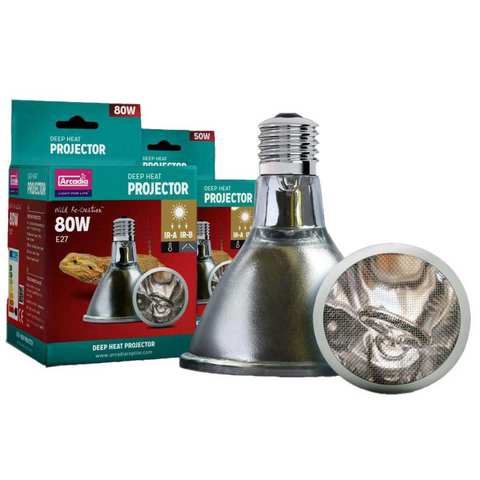
Recommended heating products for Boelen’s Pythons by age. Juvenile: Arcadia Deep Heat Projectors and Vivarium Electronics Ceramic Dome Reflector. Sub-adult: Arcadia Deep Heat Projectors and Vivarium Electronics Ceramic Dome Reflector. Adult: Vivarium Electronics Radiant Heat Panels and Vivarium Electronics Thermostats.
Yes. Recommended habitat bundles for Boelen’s Pythons: Juvenile Boelen's Python Ultimate Habitat Bundle.