Natural History
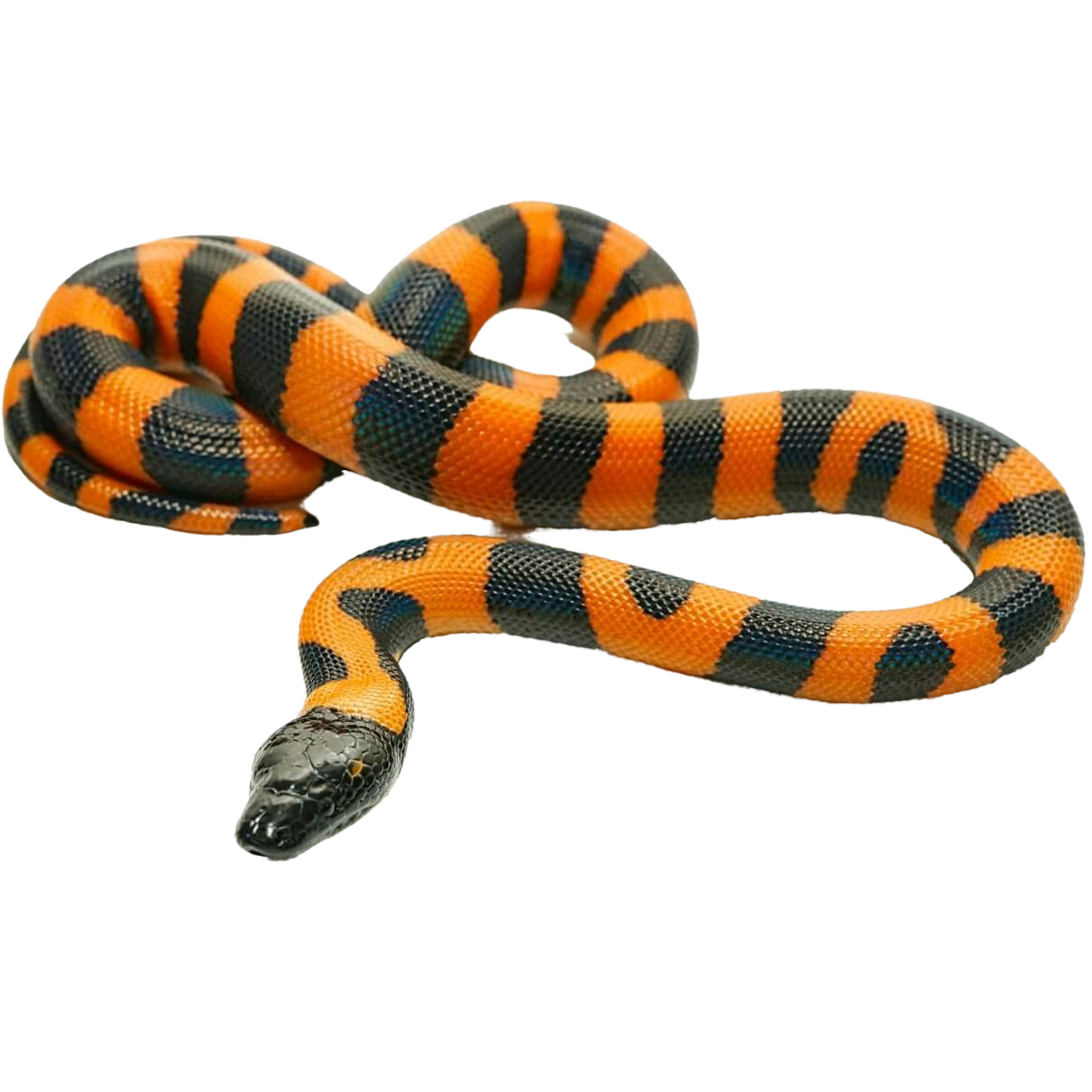
The Bismarck ringed python is a non-venomous constrictor native to the Bismarck Archipelago of Papua New Guinea, primarily found on the larger islands such as New Britain and New Ireland. This terrestrial snake is known for its striking transition in coloration. Juveniles exhibit vivid orange and black banding, which gradually fades to a more uniform brown or blackish sheen as they mature. This brightly colored juvenile state may serve as aposematic signaling, alerting potential predators of its danger or toxicity deterring predation. These pythons are non-aggressive by nature but tend to be shy and will defend themselves in situations they see fit, usually leading to them striking, but can be worked with to a more handleable temperament, making them an advanced species for private care. This nocturnal species, one that is active during the night, emerges at dusk to begin foraging activities. During the day it takes shelter under leaf litter, in termite mounds or in fallen logs to avoid predators and over heating. The Bismarck ringed python exhibits a range of traits suited to its rainforest and tropical woodland environment. Juveniles tend to have a more arboreal inclination, while adults are predominantly terrestrial and fossorial. Individuals can live 20 plus years in human care while wild counterparts are much shorter yet understudied. Females typically lay clutches on average from 4 to 10 eggs with upwards of 18. It is suggested that this species is one of few that can achieve facultative thermogenesis, producing its own body heat by moving muscles, but studies were inconclusive to say for sure.
The python’s role in the food web reinforces the intricate linkages among species in tropical island ecosystems. Throughout its range, it demonstrates specialized adaptations to its humid environment, such as moisture-resistant scales and a strong tactile sensitivity that aids in navigating dense underbrush and forest floor debris. While not a primary seed disperser, its foraging behavior may occasionally disturb soil and leaf litter, contributing indirectly to seed germination and forest floor dynamics.
Overall, the Bismarck ringed python is a resilient, ecologically significant species with specialized behaviors and life history traits shaped by its island habitat. Understanding its natural biology and environmental interactions provides a foundation for success in managed care and highlights the importance of preserving its native ecosystem.
Conservation Status
The Bismarck ringed python is currently listed as “Least Concern” on the IUCN Red List. This classification means that, at present, the species does not face an immediate risk of extinction and has a relatively stable population across its native range. The designation reflects that the python remains widespread within the Bismarck Archipelago of Papua New Guinea, particularly on the islands of New Britain and New Ireland, where it occupies a variety of habitats including tropical lowland rainforests, secondary forests, and plantations close to human settlements. Although population numbers are not precisely quantified, reports suggest that the species is locally common in appropriate habitats, and there is no significant widespread decline detected at this time.
Despite its current status, the Bismarck ringed python is exposed to several localized but serious threats that could jeopardize its long-term survival if not carefully managed. Habitat destruction poses the greatest risk, especially from logging, agricultural expansion, and conversion of land for palm oil plantations. These activities lead to the fragmentation of forest ecosystems, reducing the availability of suitable habitat and often forcing pythons into closer proximity with human populations, where they may be killed out of fear or to protect livestock. Additionally, the species is sometimes exploited in the local pet trade due to its striking coloration and manageable size. Although international trade is not extensive, unregulated collection could pressure wild populations if demand increases and enforcement remains weak.
Another critical threat includes the growing influence of invasive species, especially domestic animals like cats and dogs that prey on young snakes. Although disease has not been documented as a major issue in wild populations, emerging infectious diseases in reptiles worldwide underscore the importance of monitoring for illnesses such as nidovirus or fungal infections, which could spread rapidly in isolated island ecosystems.
In terms of conservation efforts, formal protections specific to the Bismarck ringed python are limited. While there are no current international legal listings such as a CITES Appendix designation, the species does benefit indirectly from broader habitat protections. Several forested areas within its range are included in conservation zones or reserves, offering some protection from industrial-scale deforestation. Local NGOs and international conservation groups are promoting sustainable land use practices in parts of the Bismarck Archipelago, which may help reduce habitat loss in the future.
Managed breeding programs play a modest but important role in the conservation context for this species. While the Bismarck ringed python is often successfully bred in captivity by private hobbyists and zoos, these breeding efforts are typically aimed at the pet trade rather than structured reintroduction programs. Nevertheless, managed populations can serve as assurance colonies, maintaining genetic diversity should future pressures on wild populations intensify. Successful husbandry under human care has also decreased the need for wild collection in some cases, potentially alleviating pressure on natural populations.
Overall, maintaining the Bismarck ringed python’s Least Concern status requires proactive management of land use in its native habitat and careful monitoring of trade. Continued education efforts in local communities, reinforcement of habitat conservation, and responsible captive breeding will all contribute to the long-term stability of this visually distinctive and ecologically valuable species.
Native Range
The Bismarck ringed python is a terrestrial species endemic to the Bismarck Archipelago, a group of volcanic islands located off the northeastern coast of Papua New Guinea. Its distribution is relatively restricted, being found primarily on the larger islands of New Britain and New Ireland, as well as some of the smaller surrounding islets within the same archipelago. Unlike species with broader continental ranges, this python is confined to these oceanic islands and does not occur naturally on the mainland of Papua New Guinea. Within this limited range, its distribution is somewhat patchy, often influenced by the availability of suitable habitat.
The macrohabitat of the Bismarck ringed python consists mainly of tropical lowland rainforests. These forests are characterized by a dense canopy, rich organic soil, and high biodiversity. Within this ecosystem, the snake exhibits a strong preference for humid and shaded microhabitats. It is most commonly found under thick leaf litter, beneath rotting logs, and in naturally occurring ground crevices. It may also seek refuge in abandoned burrows or under fallen trees. Opportunistically, individuals may be observed around human-altered habitats such as agricultural areas or forest edges, particularly in areas that retain sufficient ground cover and humidity.
Climatically, the Bismarck Archipelago experiences a humid tropical climate with minimal temperature fluctuations throughout the year. Daytime temperatures in the python’s natural range typically range between 80°F and 88°F, with nighttime lows rarely dropping below 72°F. Relative humidity averages between 75% and 90%, and the region receives consistent annual rainfall, typically exceeding 100 inches per year. Seasonal variation is minimal, although there is a slightly drier period between June and September. These stable, moisture-rich conditions support the python's need for high humidity and help maintain moist substrates, which are critical for thermoregulation and proper skin shedding.
In terms of elevation, the Bismarck ringed python is primarily a lowland species. It is most frequently encountered from sea level up to elevations of approximately 2,000 feet. Although the islands contain some higher terrain, this species shows a clear preference for lower elevations where rainforest conditions prevail. The higher altitudes tend to be cooler and less humid—conditions less favorable for this snake’s desired ranges.
Several environmental factors play a crucial role in the survival and ecological success of the Bismarck ringed python. Most importantly is access to consistent moisture and high humidity, both of which are necessary for maintaining hydration and supporting healthy physiological function. The species is also highly dependent on dense ground cover, which offers concealment from predators and facilitates ambush hunting strategies. Leaf litter and decaying wood are particularly important for both thermoregulation and nesting. Additionally, this species benefits from the loose, well-drained soils common in lowland rainforest terrain, which aid in burrowing and laying eggs. The presence of small vertebrate prey—including rodents, birds, and reptiles—within these ecosystems also supports the nutritional needs of this carnivorous python.
Overall, the Bismarck ringed python is highly adapted to warm, humid, and low-lying rainforest environments within its limited island range. Any degradation or fragmentation of these habitats—through logging, agriculture, or development—can have significant impacts on local populations. Understanding the specific environmental preferences and natural history of this species is essential for maintaining its health in managed care and informing conservation strategies in the wild.
Behavior
The Bismarck ringed python is a predominantly nocturnal species, exhibiting peak activity during the early nighttime hours when ambient temperatures begin to drop. Seasonal changes influence its behavior; during the warmer, wetter months, it becomes more active and may expand its range in search of prey or mates. During cooler or drier periods, it becomes less mobile, often retreating into burrows or dense leaf litter to conserve energy and maintain proper hydration. Brumation, a state of dormancy, is not typically observed in this equatorial species due to the relatively stable tropical climate of its native range, but minor reductions in activity may occur during unfavorable environmental conditions.
Socially, the Bismarck ringed python is solitary outside of the breeding season. It does not exhibit social behaviors or form group structures. Interactions between individuals, especially adults, can lead to aggressive displays, including body inflation, head flattening, and striking if space becomes limited or during territorial disputes. During the breeding season, which is usually triggered by slight drops in temperature and increased humidity, males actively seek out receptive females. Males may engage in mild combat behavior, such as body pressing and pushing, to establish access to a female. Courtship involves tongue flicking and body alignment. Females exhibit facultative parental care by coiling around their clutch to protect and incubate the eggs. This maternal brooding can last anywhere from 55 to 90 days.
The species is highly responsive to environmental stimuli. Temperature plays a critical role in regulating its metabolic rate and digestion. The Bismarck ringed python relies heavily on thermal gradients to thermoregulate, often shifting between warmer basking areas and cooler microhabitats to maintain an internal temperature between 82 and 90°F. This species reacts to changes in humidity by modifying its activity: increased movement is often observed following rainfall, which may signal the availability of prey or suitable nesting substrates. Light cycles influence activity indirectly through their effect on temperature. Under human care, maintaining a naturalistic light-dark cycle helps support normal circadian rhythms.
Its primary method for detecting prey includes a combination of chemosensory input via the Jacobson's organ and heat-sensing pits located on the upper and lower labial scales. These pits allow it to accurately strike prey even in complete darkness. Predators provoke a range of defensive behaviors. When threatened, this snake may produce loud hissing sounds, flatten its body to appear larger, or exhibit rapid side-to-side body movement as a bluff display. While non-venomous, the Bismarck ringed python has relatively large, recurved teeth meant for gripping prey, and will not hesitate to bite in defense. Its coloration, alternating chocolate brown and golden-yellow bands as juveniles which darken with maturity, serves as camouflage in the dappled leaf litter and a potential deterrent to predators.
A unique trait of this species is its ontogenetic color change, where hatchlings are vividly banded, as they age these bands generally darken often leading to a solid iridescent chocolate-colored adult with residual banding visible only under specific lighting. This dramatic color shift is rare among pythons and may serve both protective and thermoregulatory functions at different life stages.
In human care, several behavioral differences arise due to the absence of natural environmental pressures. Feeding responses often become conditioned and more predictable. In contrast to wild individuals, which may go extended periods without food during lean seasons, captive specimens tend to feed more consistently when provided with a regular meal schedule. Aggression can be reduced with proper handling and enclosure design, though juveniles may initially display defensive behaviors like tail rattling and striking. Stress responses including pacing, refusal to feed, or hiding excessively, are more apparent in confined environments, especially if husbandry parameters are not met. Providing furniture, such as multiple hides, cluttered substrate, and opportunities for climbing, helps to reduce stress and encourage natural behaviors.
Overall, the Bismarck ringed python displays a wide range of adaptive behaviors. Success in managed care requires an understanding of its ecological and behavioral needs, replicating seasonal and environmental cues that elicit natural activity to ensure both physical health and psychological well-being.
Husbandry Requirements
Enclosure Design
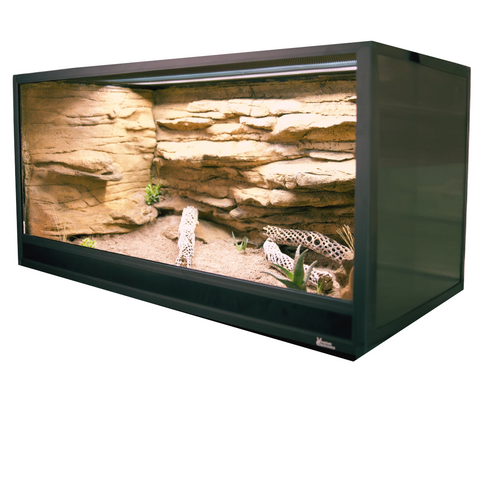
The enclosure design needed for this species is one that replicates the structure and microclimates of this warm, humid environment. Juveniles (under 3 feet long) can be housed temporarily in enclosures as small as 3 feet long by 18 inches deep by 18 inches high. Adults, which can reach 5 to 6.5 feet in length, require significantly larger accommodations. The minimum recommended enclosure size for a single adult is 6 feet long by 2.5 feet deep by 2.5 feet high to allow sufficient space for thermoregulation, exploration, and enrichment.
Enclosures can be constructed from high-quality PVC, HDPE (high-density polyethylene), or sealed wood, as these materials maintain humidity well and are durable over time. Glass tanks are less ideal for adult specimens due to insufficient humidity retention and difficulty maintaining temperature gradients, though they may work for juveniles if appropriately modified. Proper cross-ventilation is essential where ventilation panels should be placed high and low on opposing walls to allow for airflow without significantly reducing humidity. Security is critical, as this species is strong and curious. Enclosures must have secure, locking lids or front-opening doors with tight-fitting seams and locking mechanisms, as Bismarck ringed pythons are known escape artists.
The internal layout should replicate the forest floor with plenty of environmental complexity. Although primarily terrestrial, individuals will occasionally climb, so providing sturdy horizontal branches or perches can enrich their environment. Several hides should be placed at both the warm and cool ends of the enclosure, allowing the snake a choice of secure resting areas within the thermal gradient. A large and stable basking platform should be placed beneath the heat source. The addition of bark slabs, leaf litter, and safe logs encourages natural exploration and helps reduce stress.
Lighting and Heating
Proper lighting and heating are essential to maintain the health and behavior of this tropical species. Bismarck ringed pythons require a clear thermal gradient, mimicking the environmental conditions of their native habitat. The warm side of the enclosure should maintain a basking surface temperature of 88–92°F. The ambient daytime temperature should remain between 78–84°F. During nighttime hours, temperatures can be safely reduced to 74–76°F. These values should be measured with digital thermometers or temperature guns, and all primary heating elements must be regulated by a reliable thermostat to prevent thermal burns and temperature swings.
Overhead radiant heat panels, ceramic heat emitters, or flood-style halogen bulbs (when used with proper fixtures and thermostatic controls) are suitable for maintaining heat. Under no circumstances should heat rocks be used, as they pose a high risk of localized burns. All heating devices should be placed outside or securely mounted to prevent burns through direct contact.
Although Bismarck ringed pythons are nocturnal, recent evidence supports the benefit of low-intensity UVB exposure even in nocturnal reptiles. A 6% UVB bulb (T5 high output) mounted at an appropriate distance, 10 to 14 inches from the basking site through a wire mesh screen, can assist in vitamin D3 synthesis and calcium metabolism. Especially if the animal is not fed rodents with pre-formed vitamin D3. Fixtures should span at least one-third of the enclosure’s length to provide a UVB gradient. These lamps must be replaced every 12 months, even if they still emit visible light, as UVB output diminishes.
A consistent 12-hour day/night photoperiod should be maintained year-round with timers. Seasonal adjustments, such as slightly decreasing daytime and increasing nighttime temperatures during the cooler months, can mimic natural environmental changes, but these are typically not required unless attempting breeding.
Substrate and Enrichment
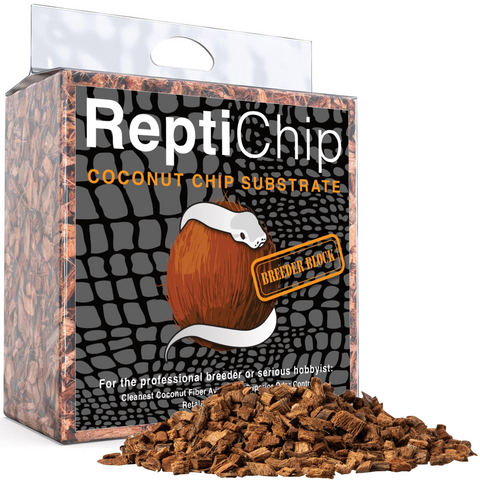
Substrate selection for Bismarck ringed pythons must support burrowing behavior, maintain elevated humidity, and avoid impaction risks. A deep substrate layer of 4 to 6 inches is recommended to provide insulation and accommodate burrowing. ReptiChip-based mixes are ideal for this species. A blend of ReptiChip, ReptiEarth, and Tropicalbase in a 2:1:1 ratio provides excellent moisture retention and a naturalistic texture. This mix resists mold and supports humidity while allowing the snake to dig and create tunnels. Loose particulate substrates are strongly preferred over artificial materials. Spot-cleaning should occur daily to remove feces, with full substrate replacements every 4–8 weeks depending on humidity levels and biosecurity needs.
To encourage natural behavior and mental stimulation, include multiple enrichment elements. Cork rounds and bark sheets offer climbing and hiding surfaces. Branches of various diameters can be arranged to create low climbing opportunities, mimicking forest detritus. Multiple hides, ranging from tight-fitting rock shelters to leaf litter piles, should be dispersed throughout the enclosure. Including interactive elements such as scent trails or rearranged furnishings during cleaning cycles encourages exploration and activity, reducing the risk of stress and stereotypic behavior. Enrichment can come in many forms and is for the stimulation of your animal. The five types of enrichment you can offer are food related, sensory, physical habitat, cognitive, and social. These categories have a vast variety of options to choose from that are appropriate for the species being enriched.
Humidity and Hydration
Bismarck ringed pythons require moderate to high humidity levels between 65% and 80%, reflecting their native tropical forest environment. Proper humidity supports respiratory health and successful shedding. Humidity should be highest in the early morning and evening, mimicking natural fluctuations, with slight daytime drops. The ideal way to maintain humidity is through substrate hydration, misting, and humidifier.
Twice-daily misting with distilled water, preferably at dawn and dusk, helps maintain appropriate moisture without waterlogging the substrate. A humidifier may be connected to a timer or humidity controller to raise humidity during overnight periods. The enclosure’s design, especially if made of PVC or sealed wood, should reduce water loss, but ventilation placement still allows necessary airflow to prevent mold or stale air conditions. Monitoring should be done with high-quality digital hygrometers, ideally with probes placed in both warm and cool zones to detect variability.
Hydration must be provided through a clean, shallow water dish large enough for the snake to fully coil within. Water should be changed daily, and bowls must be scrubbed with disinfectant at least weekly. Some individuals will drink from droplets on vertical surfaces after misting, so misting glass or leaves during the morning is advisable to encourage natural drinking behavior. During shedding periods, increased humidity should be provided by dampening the substrate and placing moss-filled humidity boxes in the enclosure. Ensuring these humidity levels are achieved and maintained is necessary to prevent respiratory infections, dehydrated sheds, and related health concerns.
Diet & Supplementation
In its natural habitat, the Bismarck ringed python is a nocturnal ambush predator that primarily feeds on small mammals and occasionally birds. Juveniles are known to consume smaller prey, including reptiles and amphibians when readily available, but their diet shifts toward mammals as they mature. In forested and agricultural edge habitats, these snakes may also opportunistically prey upon chicks and eggs from ground-nesting birds, particularly in disturbed areas where human development increases rodent populations. Seasonal variations in prey availability can influence feeding frequency in the wild, particularly during wet or dry seasons, which may impact prey densities. During drier months or cooler periods, the snakes may become less active and feed less frequently. Wild individuals may go weeks or even months without food depending on prey availability and environmental conditions.
This species relies on several key features to locate and subdue its prey. Like many pythons, it possesses heat-sensing pits located along the upper and lower lips, enabling it to detect the infrared radiation emitted by warm-blooded animals. These sensory adaptations are especially effective in the low-light environments of its tropical rainforest habitat. The Bismarck ringed python uses ambush predation as its primary hunting strategy. They remain motionless and concealed among leaf litter or under logs until a prey item approaches. When the opportunity arises, it strikes quickly and subdues its prey using constriction. After securing the prey with its jaws, the snake coils its muscular body around the victim, tightening the grip with each exhalation until circulation is compromised and the prey succumbs.
In human care, the diet of the Bismarck ringed python must be carefully managed to reflect its natural dietary requirements while accommodating the limitations of captive feeding. The most suitable and commonly accepted food source is appropriately sized rodents, such as mice and rats. Hatchlings typically accept pinky or fuzzy mice, while adults will thrive on adult rats provided every 10 to 14 days. It is important to match prey size to the girth of the snake at its widest point, ensuring the meal is not too large to swallow comfortably but substantial enough to provide adequate nutrition. Typically individuals can safely be fed prey items up to one and a half times the widest part of their body.
Ensuring proper feeding behavior can be challenging. One common issue is food refusal, particularly during shed cycles, breeding season, or environmental stress. Providing prey at night and simulating natural hunting conditions, such as dim lighting and slight warming of the prey item to mimic live body temperature, can stimulate interest. Some individuals may prefer live prey, though feeding should prioritize pre-killed or thawed-frozen prey to avoid injury to the snake. Another concern is obesity, especially when snakes are overfed or under-stimulated. Regular weight monitoring, adherence to a scheduled feeding regimen, and the use of enrichment, such as hiding prey or introducing feeding puzzles, can help promote natural feeding responses and prevent overconsumption.
Malnutrition, though rare in this species when fed a rodent-based diet, can result from feeding inappropriate prey items or a lack of variety. Wild prey contains a broader nutrient range due to a mixed diet; thus, rotating between mice and rats, or occasionally offering other prey species like quail chicks, can help simulate this natural variation. While feeding chicks is a great way to add variety to diets it should be fed sparingly as the yolks from the birds are high in fats and can cause excessive weight gain for the animal. In neonates or imported individuals, refusal to feed may also result from stress or improper enclosure settings. Addressing variables is critical to encouraging initial feeding behavior.
Meeting the dietary needs of the Bismarck ringed python requires an understanding of its natural history. Managed husbandry should strive to replicate these patterns as closely as possible. Properly managing diet and feeding practices, keepers can ensure the long-term health and well-being of this species in their care.
Reproduction
Bismarck ringed pythons reach sexual maturity based on both age and body condition, typically around 3 to 4 years for females and 2.5 to 3 years for males, provided they are healthy and have been raised under proper nutritional and environmental conditions. Males generally exhibit smaller overall body size and a more slender appearance compared to the more robust females, a subtle form of sexual dimorphism observed in this species. During courtship, males exhibit persistent trailing of the female, tongue-flicking, and tactile stimulation using their vestigial pelvic spurs. These spurs, more prominent in males, are used to stimulate the flanks and cloacal area of the female. Courtship can last several days, and mating typically occurs once the female becomes receptive, indicated by passive posturing and cloacal alignment with the male.
Environmental cues play a critical role in initiating reproductive behaviors in captive Bismarck ringed pythons. In the wild, mating generally follows seasonal patterns, and replicating these conditions in captivity greatly enhances breeding success. A simulated dry season, followed by a gradual increase in ambient humidity and temperature, mimics the natural transition to the rainy season when mating occurs in the wild. Specifically, reducing nighttime temperatures to around 75°F for a period of 6 to 8 weeks, while maintaining daytime highs at 85°F, can encourage reproductive cycling. Slowly increasing overnight lows to 78–80°F and daytime temperatures to 88–90°F, accompanied by misting to raise ambient humidity to 75–85%, mimics natural seasonal warming and rain onset. This temperature and humidity shift, along with adjusting the photoperiod to 12–14 hours of light per day, helps synchronize the reproductive physiology of both sexes.
Bismarck ringed pythons are oviparous, meaning they lay eggs rather than giving birth to live young. For successful copulation and to encourage natural behaviors, it is recommended to introduce a male into the female’s enclosure, as females tend to respond better in familiar surroundings. Pairings are best conducted in an enclosure that allows both animals enough space to maneuver (typically at least 5 feet in length) but also facilitates interaction. Mating often occurs at night or during early morning hours. Once copulation is observed, the pair can be left together under careful supervision for several days, but it is crucial to monitor for signs of aggression or prolonged stress. Bismarck ringed pythons generally do well in individual pairings rather than group breeding setups, as they exhibit solitary tendencies outside mating periods.
Common challenges in captive breeding include failure of the female to accept the male, often due to incompatible behavior or readiness mismatches. If repeated pairings result in no copulation or obvious stress behaviors such as persistent avoidance, defensive striking, or refusal to feed, separation is advised before reintroducing at a later date. Stress can also be induced by improper environmental conditions which may suppress reproductive hormone production. Ensuring regular health checks and maintaining strict environmental parameters during the pre-breeding and breeding seasons is essential. It is also beneficial to condition animals in the months prior to pairing by providing optimal nutrition and minimalizing stress. In some cases, brief tactile isolation followed by reintroduction can rekindle interest between pairs. Tracking female follicular development using palpation or ultrasound can also help time introductions more precisely, improving the likelihood of successful copulation.
Incubation & Neonate Care
Females typically produce clutches ranging from 6 to 12 eggs, depending on age, size, and overall health. After mating ovulation and subsequent egg deposition happens approximately 30 to 45 days later. Gravid females should be provided with a secluded, humid nesting box lined with a moist but not saturated substrate such as damp sphagnum moss or coconut fiber, which promotes proper hydration and egg-laying behavior. Failure to provide a suitable laying site may result in egg binding, a potentially fatal condition requiring veterinary intervention.
Following laying, the eggs should be carefully relocated to an incubator. Optimal incubation temperature for Bismarck ringed python eggs ranges from 86°F to 88°F, with consistent humidity levels maintained between 90% and 100%. Incubation is typically conducted on a medium such as vermiculite mixed with water by weight at a 1:1 ratio to ensure adequate moisture retention while avoiding waterlogging. Unlike some reptiles, Bismarck ringed pythons do not exhibit temperature-dependent sex determination; sex is genetically determined and not influenced by incubation temperature. The average incubation duration is around 60 to 70 days, though slight variations are possible based on specific environmental conditions. During this time, eggs should not be rotated or disturbed, as this can damage the developing embryos.
As the hatching period approaches, the eggs may begin to collapse slightly, indicating that the neonates are preparing to emerge. Hatchlings use their egg tooth to slice through the eggshell, a process known as "pipping." Some neonates will fully exit their eggs within a few hours, while others may remain inside for an additional day or two before emerging completely. Once hatched, they absorb any remaining yolk reserves, which provide them with sustenance for the first few days of life. In managed care, it is advisable to leave hatchlings undisturbed until they have fully emerged and begun exploring their surroundings as long as they are not left with adults. Once the hatchlings are fully emerged and active, they should be transferred to individual rearing enclosures to prevent stress, competition, or accidental injury.
Neonate Bismarck ringed pythons are typically 12 to 16 inches in length and display vibrant juvenile coloration, often featuring bright orange and black banding. Individual housing is strongly recommended at this stage to monitor feeding and health. Enclosures should be simple and secure, with paper towel or newspaper substrate for ease of cleaning and observation. A hide box should be provided, along with a small, shallow water dish. Ambient temperatures should be maintained at 82°F to 84°F, with a basking spot offered at 88°F to 90°F. Overnight temperatures can safely drop to around 75°F. Humidity should be kept at 60% to 70%, rising slightly during shedding cycles. Low humidity can result in incomplete sheds, a common issue in neonates.
Neonates may refuse food until their first shed, which typically occurs within 7 to 10 days post-hatching. Once shed, most juveniles will accept appropriately sized prey, such as newborn pinkie mice. Feeding should occur every 5 to 7 days, with prey offered via tongs to monitor consumption. If a neonate refuses to feed for several weeks, environmental factors should be assessed, and alternative strategies such as scenting prey or using live pinkies may be employed cautiously. Dehydration and stress are the most pressing health concerns at this stage, underscoring the need for consistent husbandry. Handling should be minimized in the first few weeks of life to reduce stress and allow for proper acclimation to the enclosure.
With proper environmental conditions, nutrition, and observation, neonate Bismarck ringed pythons grow rapidly and become more robust feeders over time. Early attention to husbandry details substantially increases survival rates and sets the foundation for healthy development into adulthood.
Conclusion
In conclusion, the Bismarck ringed python is a uniquely adapted island-dwelling species that combines striking transitional coloration with complex behavioral and environmental needs. Under human care, successful long-term maintenance of this species depends on replicating the ecological parameters of its natural habitat, warm, humid lowland forests with dense ground cover and access to hiding spaces. Their specific heating and humidity preferences, along with their sensitivity to environmental cues, require keepers to maintain carefully regulated conditions that support both physiological function and behavioral expression.
This python’s reproductive cycle, dietary requirements, and enclosure design are all interdependent components of responsible husbandry. Understanding its feeding helps inform proper nutrition. Similarly, reproduction is best supported by environmental simulation of seasonal changes, reinforcing the importance of accurately managing photoperiod, temperature, and humidity fluctuations. Thoughtful enclosure design not only reduces stress but also encourages natural behaviors.
As a species largely absent from standardized commercial herpetoculture, the Bismarck ringed python represents an opportunity for advanced keepers and zoological institutions to engage in thoughtful, conservation-minded breeding efforts. While currently modest, managed breeding has the potential to reduce demand on wild populations and serve as a resource for educational and conservation initiatives. Continued attention to biosecurity, genetic diversity, and public education will enhance these efforts.
Conservation of the Bismarck ringed python in the wild remains closely tied to the protection of its native rainforest habitat. While it currently holds a relatively secure conservation status, ongoing habitat degradation and encroachment pose significant risks. Through balanced attention to both managed care and wild conservation, the Bismarck ringed python can continue to thrive as an ambassador of island biodiversity and responsible reptile stewardship.