Natural History
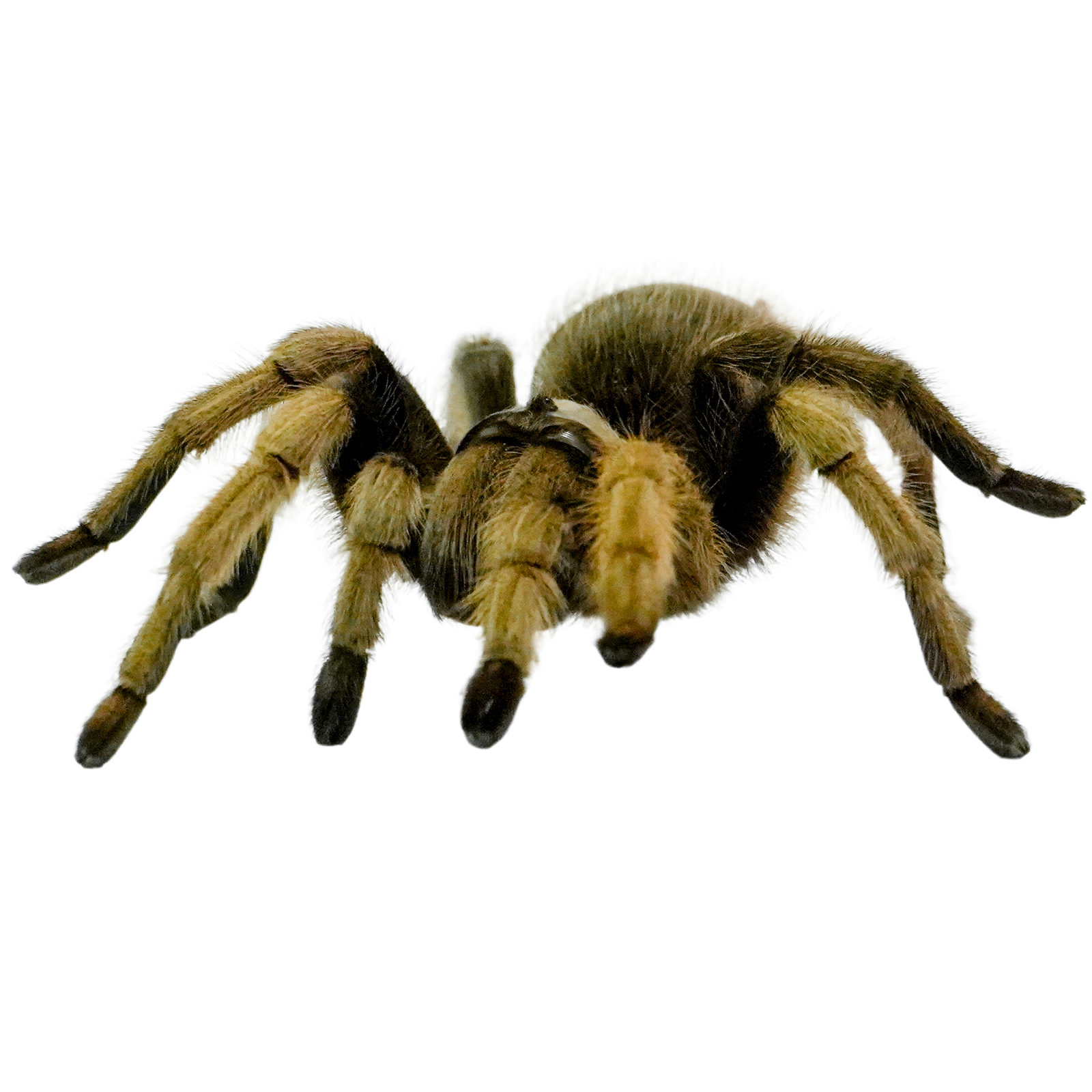
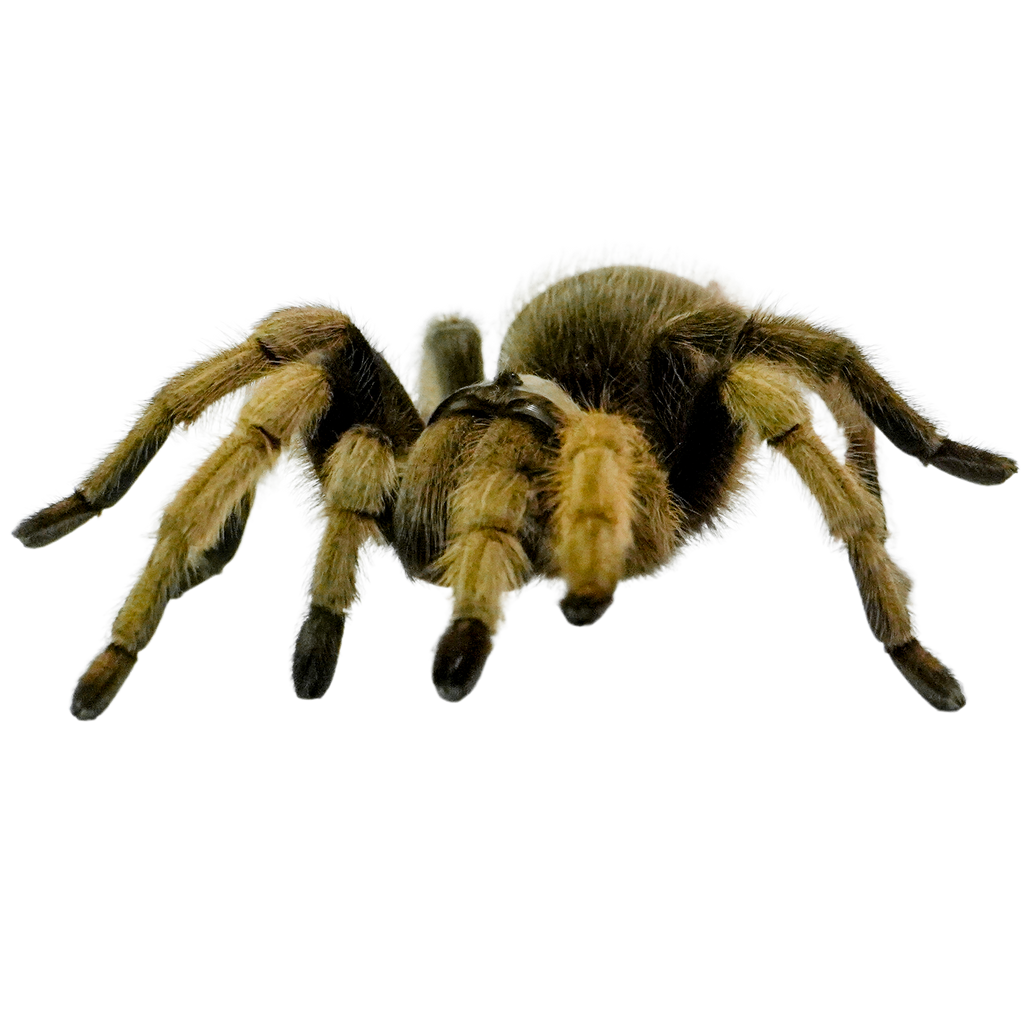
The Arizona blonde tarantula is a long-lived desert arachnid native to the arid grasslands and scrublands of the southwestern United States. In the wild, females can live well over 20 years, whereas males generally live only a few years after reaching maturity.
These tarantulas rely on burrows for shelter and microclimate stability. Hatchlings and juveniles excavate small retreats under rocks or vegetation, deepening and reinforcing these structures as they grow. Adults often maintain burrows several inches to over a foot deep, lining entrances with silk to detect vibrations from approaching prey. The extended lifespan of females allows them to occupy and refine the same burrow for many seasons, contributing to stability in their immediate territory.
Ecologically, the Arizona blonde tarantula occupies the role of a mid-level predator within its desert ecosystem. By consuming substantial numbers of insects and other invertebrates, it contributes to natural population control and helps maintain ecological balance. In turn, it serves as prey for a range of species, including specialized predators such as tarantula hawk wasps, which hunt adults as hosts for their larvae. Mammalian and avian predators may also target these spiders when the opportunity arises. Its burrowing behavior improves soil aeration and creates microhabitats that may later be used by other small organisms after the tarantula abandons the site.
Adaptations to arid environments are central to this species’ success. Its burrowing habits buffer against extreme desert temperatures that can exceed 100 degrees fahrenheit during the day and drop sharply at night. Remaining underground conserves moisture and reduces exposure to predators. The tarantula’s slow metabolism allows it to endure long periods without food, an important survival strategy in unpredictable desert ecosystems. Together, its longevity, specialized sensory adaptation, and ecological interactions make the Arizona blonde tarantula a remarkable and resilient inhabitant of the American Southwest.
Conservation Status
The Arizona Blonde Tarantula's conservation status, according to the IUCN Red List, is categorized as Not Evaluated. This status indicates that the species has not yet been assessed by the IUCN for its risk of extinction. Therefore, no specific information about the population trend, whether it is increasing, stable, decreasing, or unknown, is provided by the IUCN. Although the species has not been formally assessed, understanding this status underscores the importance of continued monitoring and research to ensure its long-term survival.
While not formally listed, the Arizona Blonde Tarantula faces potential threats that could impact its natural populations. Habitat destruction stands as one of the most significant threats, primarily due to urbanization and agricultural expansion in its native regions. As human settlements grow, the natural habitats of these tarantulas, desert and semi-desert areas, are increasingly fragmented, reducing available living and hunting grounds. Climate change also poses a risk by altering temperature and precipitation patterns, further impacting these sensitive environments.
In addition to habitat destruction, the species could face pressures from climate change and illegal collection practices. Climate change may alter the temperature and humidity levels crucial for their survival. Illegal wildlife trade, although not currently deemed a critical threat, remains a concern, with individuals sometimes extracted from their natural habitats for the exotic pet trade. Such practices could potentially lead to declines in wild populations if not managed sustainably.
Efforts to conserve the Arizona Blonde Tarantula, despite its Not Evaluated status, can be bolstered by broader conservation initiatives aimed at desert ecosystems. Wildlife reserves and protected areas that encompass the tarantula's habitat play a crucial role in safeguarding its environment. Additionally, habitat restoration projects can help revive areas impacted by urbanization and agriculture, promoting healthy ecosystems where these tarantulas can thrive.
Legal protections, though not specifically targeting this species, are essential. Regulations that limit land development and enforce sustainable land-use practices contribute significantly to conserving these habitats. Breeding programs, while more prevalent for more critically endangered species, could in the future provide a buffer against population threats by maintaining genetic diversity and, if necessary, support reintroduction efforts.
Overall, the Arizona Blonde Tarantula benefits from indirect conservation efforts due to its habitat being shared with various other species that are of more immediate conservation concern. This situation highlights the interconnected nature of ecosystem conservation, where protecting one species often supports the survival of many others, ensuring biodiversity and ecological balance are maintained. Continued research and monitoring will be essential in adapting and enhancing these conservation strategies to address emerging threats and ensure the resilience of the Arizona Blonde Tarantula.
Native Range
The Arizona blonde tarantula is native to the southwestern United States and northern Mexico, with its primary range centered in south‑central Arizona and extending into parts of New Mexico and northern Sonora, with additional populations, Southern California, Nevada, and Utah. Its distribution is relatively localized compared to more widespread North American tarantula species. Within this range, it inhabits arid and semi‑arid landscapes characteristic of the Sonoran Desert and adjoining desert grasslands with saguaro-dominated plant communities. Although it occurs across a moderately broad regional area, its presence is closely tied to specific soil types and habitat features that allow for burrow construction and long-term survival.
At the macrohabitat level, this species occupies desert scrub, desert grasslands, and transitional zones between desert and thornscrub environments. These ecosystems are defined by sparse to moderately dense vegetation, scattered shrubs, cacti, and seasonal grasses. Typical plant communities include creosote bush flats, mesquite stands, and palo verde groves landscapes. In some areas, especially in grassland margins, it may also occur in open grazing lands where native grasses remain intact. The landscape is generally open rather than forested, with wide temperature fluctuations and intense sun exposure.
On the microhabitat level, the Arizona blonde tarantula is a fossorial species that depends heavily on subterranean retreats. It constructs deep burrows in compact but workable soils, commonly choosing gently sloped or flat terrain with stable substrates such as packed sandy loam or clay-based soils. The entrance to the burrow is often located near the base of shrubs, beneath desert plants, or along small embankments where root systems provide structural reinforcement and protection against collapse. These burrows may extend several inches to over a foot into the ground and are lined with silk to stabilize the interior. The spider rarely wanders far from its burrow during daylight hours, using it as a refuge from predators, desiccation, and extreme temperatures. Surface activity typically occurs during warmer months, particularly at night.
Climatically, the species is adapted to arid conditions with hot summers and mild winters. In its natural habitat, daytime summer ground temperatures frequently exceed 100℉, while nighttime temperatures drop significantly, often into the 70s or lower. Winter daytime temperatures may range from 55℉ to 75℉, with nighttime lows occasionally dipping near freezing but usually remaining above 32℉. Annual precipitation in its range generally falls between 7 and 15 inches, much of which comes during the seasonal monsoon period in late summer. These monsoon storms briefly increase humidity and soil moisture, which can stimulate heightened activity, including mating dispersals by mature males. For most of the year, ambient humidity remains low, often between 20% and 40%, though higher humidity persists within the burrow itself due to reduced airflow and retained soil moisture. This buffered microclimate allows the tarantula to avoid lethal desiccation despite harsh surface conditions.
Elevation within its range typically spans from approximately 1,000 to 5,000 feet above sea level. Most populations are found in lowland desert basins and gently rolling foothills, though some occur at mid-elevation grassland transitions. At higher elevations within this range, temperatures are slightly cooler and precipitation marginally higher, but conditions remain semi-arid and suitable for burrowing.
Several environmental factors are critical to the survival of this species. Foremost is the availability of stable, diggable soil that holds structure without frequent collapse. Excessively sandy soils that shift easily or densely compacted rocky ground that resists excavation are generally avoided. Vegetative cover, even if sparse, provides shaded microsites that reduce thermal stress and help maintain slightly higher soil moisture content. Access to seasonal insects and other invertebrate prey is essential, and these are often more abundant following rainfall events. Although the species does not require open water sources, periodic precipitation is vital to support prey populations and to maintain moderate soil moisture at burrow depth. The interaction between arid surface conditions and relatively buffered subterranean microclimates defines the ecological niche of the Arizona blonde tarantula and explains many of its behavioral and physiological adaptations.
Behavior
The Arizona Blonde Tarantula is a predominantly nocturnal, terrestrial species native to the arid and semi-arid regions of the southwestern United States and northern Mexico. In its natural habitat, it spends the majority of daylight hours inside a self-excavated burrow, emerging primarily after dusk to hunt and patrol the immediate surroundings. Activity levels are strongly influenced by temperature, seasonal rainfall, and reproductive cycles. During the intense heat of midsummer days, individuals remain deep within their burrows, where temperatures and humidity levels are more stable. Surface activity increases significantly during warm evenings, particularly following monsoon rains, when prey abundance is elevated and moisture reduces the risk of desiccation.
Seasonal changes play a critical role in its behavior. In late summer and early fall, mature males undergo a marked behavioral shift as they leave their established burrows and wander in search of females. This dispersal phase is energetically costly and exposes males to high predation risk. Males travel considerable distances across open terrain, often crossing roads and human-developed areas. During cooler autumn and winter months, activity decreases substantially. In regions where nighttime temperatures drop below 50℉ for prolonged periods, the species becomes largely inactive, retreating deep into the burrow to avoid cold stress. Though not undergoing true brumation in the reptilian sense, metabolic activity slows and feeding ceases during extended cold spells.
This species is solitary throughout its life. Individuals maintain and defend their burrows, and outside of courtship interactions, conspecific tolerance is minimal. Cannibalism is a natural risk, particularly when size disparities exist. There is no social structure or cooperative behavior. Encounters between adult individuals typically occur only during the breeding season. Courtship involves a series of vibratory signals produced by the male through drumming motions of the pedipalps and front legs against the substrate. These vibrations communicate species identity and reproductive intent to the female, reducing the likelihood of an immediate predatory response. If receptive, the female allows approach; if unreceptive or stressed, she may react aggressively. After successful mating, the male rapidly retreats to avoid cannibalism. Females exhibit maternal investment by producing an egg sac, which they guard within the burrow. They may rotate or reposition the sac to regulate temperature and humidity and will aggressively defend it against intruders.
Environmental stimuli strongly regulate this tarantula’s behavior. As a poikilotherm, it relies on ambient conditions to regulate body temperature. It responds behaviorally by adjusting its position within the burrow gradient, moving closer to the entrance during mild nights or deeper underground during extremes of heat or cold. It is highly sensitive to substrate vibrations, which are its primary means of detecting prey and potential threats. Specialized sensory hairs on the legs detect minute ground movements, allowing precise localization of insects and other small invertebrates. Vision plays a secondary role and is limited to detecting light, shadow, and large movements.
When threatened, the Arizona Blonde Tarantula employs several defensive strategies. Its primary defense is retreat into its burrow. If escape is not possible, it may assume a threat posture, raising the front legs and exposing the fangs. This display is often accompanied by rapid leg movements meant to deter predators. Unlike some New World tarantulas, it possesses relatively mild barbed, itchy hairs, which can be kicked from the abdomen as an irritant, though this species tends to rely more on withdrawal and posturing than active hair-flicking. Biting is typically a last resort and is used only when the spider is cornered or physically provoked.
Hunting behavior is characteristic of a sit-and-wait ambush predator. The tarantula stations itself near the entrance of its burrow at night, with sensory legs extended to detect vibrations. Upon sensing prey, it lunges forward with remarkable speed, seizing the animal with its legs and delivering venom through its fangs. Venom immobilizes prey and initiates external digestion. The spider then transports the subdued prey back into the burrow for consumption. This energy-efficient strategy allows it to survive in habitats where prey availability can be sporadic.
In human care, many core behavioral traits persist, but differences emerge due to environmental stability and confinement. Individuals lack the expansive burrow systems they construct in the wild, and while they may excavate provided substrate, the depth is typically limited by enclosure size. As a result, they may spend more time visible at the surface than wild counterparts if adequate hiding areas are not provided. Feeding responses in captivity are often more predictable and less seasonally variable due to consistent temperature and prey availability. However, feeding may still decrease during cooler months, even in climate-controlled rooms, reflecting innate seasonal rhythms.
Males still exhibit pre-maturation dispersal behavior after reaching sexual maturity, often pacing the enclosure persistently as they attempt to locate females. This restlessness is a natural expression of reproductive drive rather than a sign of poor husbandry. Females in managed care may display defensive behavior during premolt periods, refusing food and becoming reclusive. Stress responses in captivity most commonly manifest as prolonged fasting, excessive defensive posturing, or attempts to climb enclosure walls if environmental parameters are unsuitable.
Compared to the wild, captive individuals experience reduced predation pressure and environmental fluctuation, which can result in calmer, less reactive behavior when consistently maintained under stable conditions. Nevertheless, they remain fundamentally solitary and defensive arthropods that do not seek interaction. Environmental enrichment should focus on providing adequate substrate depth, at least four to six inches for juveniles and six to eight inches for adults, to allow burrowing behavior, as well as secure hides and stable temperature gradients between 70℉ and 85℉. Maintaining opportunities for naturalistic behaviors such as excavation and nocturnal emergence is essential for psychological and physiological well-being.
Overall, the Arizona Blonde Tarantula is a highly specialized desert-adapted ambush predator whose behavior is tightly linked to environmental stability, seasonal rhythms, and solitary survival strategies. Understanding these behavioral patterns is critical for replicating appropriate conditions in managed care and minimizing chronic stress.
Husbandry Requirements
Enclosure Design
The Arizona Blonde Tarantula is a terrestrial, fossorial species native to the arid grasslands and desert scrub of the southwestern United States. The enclosure must prioritize floor space and substrate depth over vertical height. Juveniles can be maintained in well-ventilated enclosures measuring approximately six inches long by four inches wide, with a secure lid and at least three inches of substrate to allow for shallow burrowing. As they grow, enclosure size should increase gradually to prevent excessive open space that may cause stress.
Adult females, which can reach a leg span of five to six inches, should be housed in an enclosure with a minimum footprint of 18 inches long by 12 inches wide. A 10-gallon terrestrial-style glass or acrylic enclosure works well when properly modified for ventilation. The enclosure height should not exceed 12 inches, and the distance from the top of the substrate to the lid should be no more than 1.5 times the tarantula’s leg span. Excessive vertical space increases the risk of injury or fatal abdominal rupture if the spider falls.
Glass and acrylic enclosures are suitable due to their durability and ease of cleaning. Adequate cross-ventilation is essential to prevent stagnant air and mold growth; enclosures should have ventilation panels on both the sides and top to create airflow. PVC enclosures can also be used if they provide sufficient ventilation and are secure. Mesh lids must be fine enough to prevent escape and strong enough to prevent bending. All lids should fasten securely with locking clips, as even terrestrial tarantulas are capable of pushing through loose-fitting tops.
The layout should replicate the natural desert environment. Provide a deep layer of compactable substrate for burrowing and a sturdy hide, such as a half-round cork bark tube or a curved piece of cork bark partially embedded in the substrate to simulate a burrow entrance. Flat rocks and heavy décor must be avoided or placed directly on the enclosure floor before substrate is added, to prevent collapse during digging. Climbing structures are unnecessary and potentially hazardous due to fall risk. The emphasis should remain on ground-level exploration and burrow construction.
Lighting and Heating
The Arizona Blonde Tarantula does not require UVB lighting. In the wild, this species spends much of the day inside burrows and emerges primarily during the evening or after seasonal rains. Exposure to strong UVB lighting can cause stress and is not necessary for calcium metabolism in arachnids. Ambient room lighting that follows a natural day-night cycle is sufficient. A photoperiod of approximately 12 hours of light and 12 hours of darkness is appropriate, with minor seasonal adjustments if desired but not biologically essential in captivity.
Optimal temperatures range from 72℉ to 82℉ during the day. A slight drop to 68℉ to 72℉ at night is acceptable and reflects natural desert conditions. Temperatures should never fall below 65℉ for extended periods, nor should they exceed 90℉, as overheating can quickly become fatal.
Most homes maintain adequate room temperatures for this species without additional heating. If supplemental heat is necessary, use an overhead ceramic heat emitter or radiant heat panel positioned to warm one side of the enclosure gently, creating a subtle thermal gradient. Any heating element must be controlled by a reliable thermostat to prevent dangerous temperature spikes. Heat rocks must never be used, as they can cause localized overheating and injury. Always monitor temperatures using a digital thermometer with a probe placed near the substrate surface.
Substrate and Enrichment
Substrate depth and composition are critical for this burrowing species. Provide a minimum of four inches of substrate for juveniles and five to six inches for adults. The substrate should be slightly compacted to support tunnel formation without collapsing. Suitable options include a mixture of ReptiEarth and excavator-style clay, or a blend of ReptiChip mixed with ReptiEarth to achieve improved moisture balance and structure. The final consistency should allow the tarantula to dig stable burrows while remaining dry on the surface.
Avoid loose, dusty, or overly fibrous substrates that may collapse easily or promote mold growth. Substrates that hold excessive moisture are inappropriate for this arid-adapted species. The top layer should remain mostly dry, while the lower layers may retain slight moisture to maintain structural integrity and moderate humidity.
Enrichment for the Arizona Blonde Tarantula focuses on promoting natural burrowing and exploratory behavior rather than interactive stimulation. Provide a cork bark hide positioned at an angle and partially buried to encourage excavation. Light leaf litter can be added to simulate natural ground cover and provide anchor points for webbing. Rearranging surface décor periodically can stimulate exploratory activity, but major disturbances should be minimized to reduce stress.
Live plants are generally unnecessary and difficult to maintain in the required dry conditions. Artificial plants may be used sparingly for visual barriers, which can increase the tarantula’s sense of security. The enclosure should remain uncluttered to reduce fall hazards and allow easy monitoring of the animal’s condition.
Humidity and Hydration
Although native to desert environments, the Arizona Blonde Tarantula does not thrive in extremely dry conditions. Optimal relative humidity ranges from 55% to 65%. Consistent moderate humidity supports proper molting and hydration without promoting fungal growth. Humidity levels should be monitored with a reliable digital hygrometer positioned near the substrate surface.
Rather than frequent misting, which can stress the animal and encourage mold, maintain humidity by lightly moistening the lower substrate layers during setup. Periodically add small amounts of water to one corner of the enclosure, allowing it to percolate downward and create a localized moisture gradient. The surface should remain mostly dry. Visible condensation should not be present.
Provide a shallow, stable water dish at all times, large enough for the tarantula to drink from but not deep enough to pose a drowning risk to feeder insects. The dish should be cleaned and refilled regularly to prevent bacterial growth. This species will drink opportunistically, particularly after feeding or during premolt periods.
Foggers are not recommended, as they can create excessively damp conditions and poor air quality. Proper hydration is best achieved through access to fresh water and appropriate substrate moisture management. During premolt, slightly increasing moisture in one section of the enclosure can assist with successful shedding, but overall humidity should remain within the recommended range.
Maintaining stable environmental conditions, minimizing disturbances, and providing appropriate substrate depth are the most important factors in successfully keeping the Arizona Blonde Tarantula healthy in human care.
Diet & Supplementation
Arizona Blonde Tarantulas are terrestrial predators with a diet primarily composed of insects and other small invertebrates in their natural desert and scrubland habitats. As carnivorous hunters, these tarantulas utilize a strategy of ambush predation, relying heavily on stealth and patience. Rather than actively pursuing their prey, they often remain motionless near the entrance of their burrow or a camouflaged spot, waiting to strike as prey comes within range. Their hunting arsenal includes the use of tactile setae to sense vibrations, allowing them to pinpoint the exact location of their target and respond with lightning-fast reflexes. Although lacking the heat-sensing pits characteristic of some snakes, the tarantula's capability to detect subtle ground vibrations is crucial for successful predation.
In the wild, their diet typically includes crickets, grasshoppers, beetles, and occasionally smaller vertebrates like lizards or mice, especially when prey availability fluctuates with seasonal changes. Juvenile tarantulas primarily consume smaller prey items, like pinhead crickets and tiny invertebrates, gradually transitioning to larger and more varied prey as they grow. The prey selection is not just a function of the tarantula's size but also the ecological dynamics, such as prey abundance and competition within their habitat. Seasonal shifts may affect the availability of certain insects, prompting the tarantula to adapt its feeding techniques and prey choice accordingly.
When keeping an Arizona Blonde Tarantula in human care, replicating its natural diet as closely as possible is essential, though it can sometimes present challenges. Diets generally consist of crickets and other commercially available feeder insects such as mealworms or roaches. These should be gut-loaded with nutrient-rich foods to ensure that the tarantula receives the necessary nutrition. While captive tarantulas do not require the array of prey types found in the wild, it is important to occasionally vary their diet, which could include offering a pinky mouse to adults as an infrequent supplement. This variation helps maintain their hunting instincts and can prevent dietary boredom.
Supplementing with calcium and other vitamins is typically unnecessary for tarantulas, as their nutritional needs are primarily met through properly gut-loaded prey. However, attention must be paid to avoid overfeeding, which can lead to obesity, which a common issue. Malnutrition is another risk, particularly if prey items are not appropriately prepared or varied. Feeding should occur every one to two weeks for adults, allowing them time to digest and metabolize their meals fully, whereas juveniles may require more frequent feeding schedules due to their faster growth rates.
Tarantulas occasionally exhibit food refusal, which can be a natural part of their cycle, particularly during molting or cooler months. It's vital to recognize these patterns and adjust the feeding schedule accordingly. Environmental enrichment, such as varying the time and conditions at which food is introduced, can encourage more natural feeding behaviors. This could include offering prey in different parts of the enclosure to stimulate the tarantula's natural foraging tendencies. Ensuring a stress-free environment, with ample hiding spots and controlled temperature and humidity levels, supports overall health and encourages regular feeding behavior.
Understanding and catering to the dietary needs of the Arizona Blonde Tarantula can significantly enhance its health and lifespan in managed care. By carefully considering and implementing these feeding strategies, keepers can ensure their tarantulas thrive, reflecting the robust and adaptable nature of these intriguing arachnids.
Reproduction
The Arizona Blonde Tarantula reaches sexual maturity at markedly different ages depending on sex. Males typically mature between 8 and 10 years of age, while females often require 10 to 12 years to reach full reproductive maturity. Sexual dimorphism becomes clearly evident at maturity. Adult males develop tibial hooks, or apophyses, on the first pair of legs and bulbous pedipalps used for sperm transfer. They also adopt a more slender body shape and longer leg span compared to females. Females retain a heavier, more robust body structure with a broader abdomen and lack the tibial hooks seen in males. Coloration between sexes is generally similar, consisting of tan to light brown carapace and darker legs, though mature males may appear slightly leggier and less stout.
The reproductive process begins when a mature male constructs a sperm web, typically in a secure corner of his enclosure. He deposits sperm onto this silken platform and then draws it into specialized structures in his pedipalps. Once charged, the male actively searches for a receptive female. In captivity, this requires careful introduction under controlled conditions. Courtship is deliberate and ritualized. The male initiates communication by drumming or vibrating his legs against the substrate and tapping near the female’s burrow entrance. These seismic signals are essential in identifying him as a potential mate rather than prey. A receptive female will respond with subtle movements or remain calmly positioned at the burrow entrance. If she is unreceptive or stressed, she may behave defensively or ignore the male entirely.
During copulation, the male uses his tibial hooks to gently lift and restrain the female’s fangs, minimizing the risk of cannibalism. He then inserts his charged pedipalps into the female’s epigastric furrow to transfer sperm. The process may last several minutes. After successful sperm transfer, the male typically withdraws quickly to avoid predation. While post-mating cannibalism can occur, it is not inevitable when introductions are carefully managed and both animals are in proper condition.
Successful breeding is highly dependent on environmental cues that simulate natural seasonal cycles. In the wild, reproductive activity is strongly correlated with the North American monsoon season. Prior to introduction, breeders should simulate a mild seasonal shift. This can include a gradual cooling period during winter months, with ambient temperatures reduced to approximately 68℉ to 72℉ for six to eight weeks, followed by a gradual return to normal maintenance temperatures of 75℉ to 82℉. Along with temperature changes, slight reductions in feeding during the cooling period and gradual reintroduction of regular feeding as temperatures rise help mimic natural cycles. Humidity should remain relatively low overall, between 40% and 60%, but can be modestly increased to 55% to 65% during the simulated monsoon phase. Slightly moist substrate conditions during this period often act as a breeding trigger.
Breeding encounters should always take place in the female’s enclosure, as moving her into unfamiliar surroundings significantly increases stress. The enclosure should provide ample space, ideally at least 18 inches by 18 inches of floor space, with deep substrate of four to six inches to allow natural burrowing behavior. A well-established burrow gives the female security and increases receptivity. The male should be introduced carefully and monitored continuously. Some breeders use a clear barrier to initially separate the pair while allowing vibrational communication before direct contact.
The species is oviparous, requiring successful internal fertilization for egg production. No specialized communal or group breeding structure is recommended. Pairing should be strictly one male to one female, as these tarantulas are solitary and highly territorial. Group housing significantly increases stress and cannibalism risk. Only introduce the male when the female is well-fed but not immediately post-feeding, as overly hungry females are more prone to attack.
Breeding challenges in human care are common and often stem from improper environmental conditioning or misjudging female receptivity. A female that has recently molted may not yet be physiologically ready to breed. Ideally, introductions occur several months after her most recent molt, allowing full exoskeleton hardening and ovarian development. Conversely, females approaching a pre-molt state will refuse mating and may respond aggressively. Careful observation of feeding behavior and abdomen condition helps determine timing.
Male longevity presents another challenge. Mature males have a limited lifespan, often less than a year after their final molt. Delays in pairing can result in reduced sperm viability or declining male vigor. Ensuring the male is well-hydrated and not overhandled before breeding attempts improves success rates. If incompatibility is observed, such as persistent defensive posturing or immediate aggression, separate the pair and attempt reintroduction after several weeks of environmental adjustment.
Stress is a major factor in reproductive failure. Excessive vibrations, enclosure disturbances, or inadequate hiding areas can suppress receptivity. Maintaining a quiet environment, stable temperatures within the recommended range, and consistent humidity patterns is essential. When seasonal simulation, proper conditioning, and careful introductions are employed, captive breeding of the Arizona Blonde Tarantula can be achieved reliably, although patience and careful observation remain critical components of success.
Incubation & Neonate Care
The Arizona Blonde Tarantula is an oviparous species, meaning it reproduces by laying eggs rather than giving live birth. After a successful mating, the female produces a silk egg sac that contains numerous fertilized eggs. Unlike reptiles with temperature-dependent sex determination, the sex of the offspring in this species is genetically determined at fertilization and is not influenced by incubation temperature.
Following mating, the female may take several weeks to several months to construct her egg sac, depending on environmental conditions and nutritional status. In the wild and in captivity, reproductive success is closely tied to proper seasonal cycling, adequate feeding before breeding, and stable environmental parameters. A well-conditioned female with ample fat reserves is essential for successful egg production and incubation.
Once the female produces the egg sac, she typically remains inside her burrow and guards it continuously. The sac is composed of dense silk and is frequently rotated and manipulated by the female. This rotation helps prevent the eggs from sticking together or developing mold. In captivity, the enclosure should remain undisturbed during this period to minimize stress. Ideal ambient temperatures for successful incubation range between 75℉ and 82℉. Temperatures below 70℉ may significantly slow development, while prolonged exposure above 85℉ can be fatal to embryos. Humidity should be maintained at moderate levels, generally between 60% and 70%. Slight substrate moisture is beneficial, but excessive dampness increases the risk of fungal growth within the sac. A well-ventilated enclosure with a predominantly dry substrate and slightly moistened lower layers is ideal.
The incubation period typically lasts between six and eight weeks, though this may vary depending on temperature and individual variation. Inside the egg sac, embryos first develop into what are commonly referred to as “eggs with legs,” representing an early post-embryonic stage. These then molt into first instar spiderlings. During this time, the female continues to guard and manipulate the sac. Some breeders choose to remove the egg sac after several weeks for artificial incubation to reduce the risk of maternal cannibalism or fungal issues. Artificial incubation involves carefully opening the sac and placing the eggs or early instars into a well-ventilated container lined with slightly damp paper towels, kept at 78℉ to 80℉. However, leaving the sac with the mother is often successful if environmental conditions are stable and stress is minimized.
As development concludes, the spiderlings molt into their second instar stage and begin emerging from the egg sac. In a managed setting where the sac remains with the mother, the breeder may notice large numbers of tiny spiderlings clustering within the burrow. At this stage, they are mobile and capable of independent survival. There is no parental care beyond egg sac protection. The female may tolerate spiderlings briefly, but cannibalism becomes a risk once they begin dispersing. Therefore, spiderlings should be separated once they are fully mobile and have completed their post-embryonic molt.
Neonates, referred to as spiderlings, are extremely small and delicate. They should be housed individually to prevent cannibalism, which is common even among siblings. Small enclosures such as one to two ounce plastic cups with secure, ventilated lids are appropriate. Each container should contain one to two inches of slightly compacted substrate, such as coconut fiber or a soil-based mix free of fertilizers and pesticides. The substrate should be mostly dry, with only a small area lightly moistened to provide a humidity gradient. Overly damp conditions are one of the most common causes of mortality at this stage.
Spiderlings require temperatures between 75℉ and 80℉ for optimal growth. They do not require intense lighting and should be kept out of direct sunlight. Hydration is primarily obtained through prey and ambient humidity, but a very small droplet of water can be placed on the container wall periodically once they are large enough to safely drink without risk of drowning.
Feeding typically begins after the spiderlings complete their first true molt and become active hunters. Appropriate first foods include flightless fruit flies or pre-killed pinhead crickets. Pre-killed prey is often recommended initially to prevent injury to the spiderling. Food should be offered once or twice weekly, and uneaten prey should be removed within 24 hours to prevent stress or mold development. As spiderlings grow, prey size can gradually increase.
Common health concerns during this early stage include dehydration, molting complications, and fungal growth due to excessive moisture. Signs of dehydration include a shriveled abdomen and lethargy, while molting difficulties often result from improper humidity or disturbance during ecdysis. Spiderlings should never be handled unless absolutely necessary, as falls of even a few inches can rupture the abdomen and cause fatal injury.
With proper environmental stability, appropriate feeding, and individual housing, spiderlings grow steadily through successive molts. Careful attention during the incubation and early developmental stages greatly increases survival rates and ensures healthy juveniles capable of maturing into robust adults.
Conclusion
Recognizing the intricate balance between environmental conditions, natural behaviors, and husbandry practices underscores the importance of replicating their native habitat as closely as possible. In doing so, keepers not only support the physiological health of these arachnids but also facilitate their complex behaviors, contributing to overall well-being.
Overall, the Arizona Blonde Tarantula's care in a managed setting benefits greatly from an informed and dedicated approach, reflecting both the complexity and beauty of these remarkable arachnids. By adhering to scientifically grounded husbandry practices, keepers not only provide for their immediate health but also contribute to the broader understanding and appreciation of this unique species.